Sözlük
/kuyu
kuyu
"kuyu" kelimesinin İngilizcesi: well, well, well. Anlamı, çevirisi, telaffuzu ve örnek cümleler aşağıdadır.
Çeviri
Genelwell
Genelwell
Genelwell
Görsel

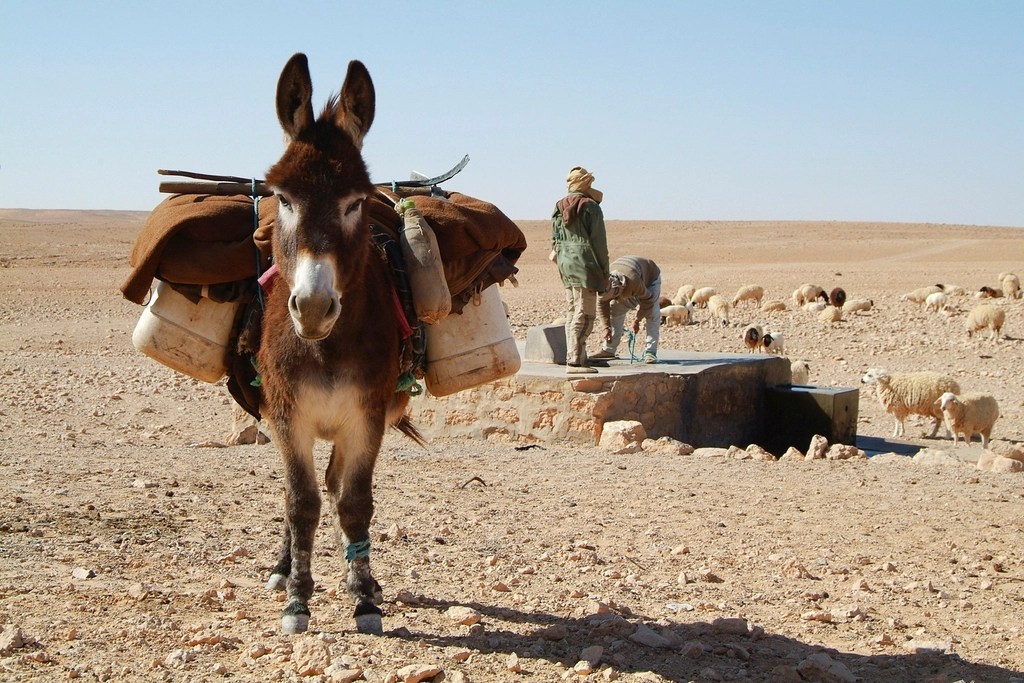
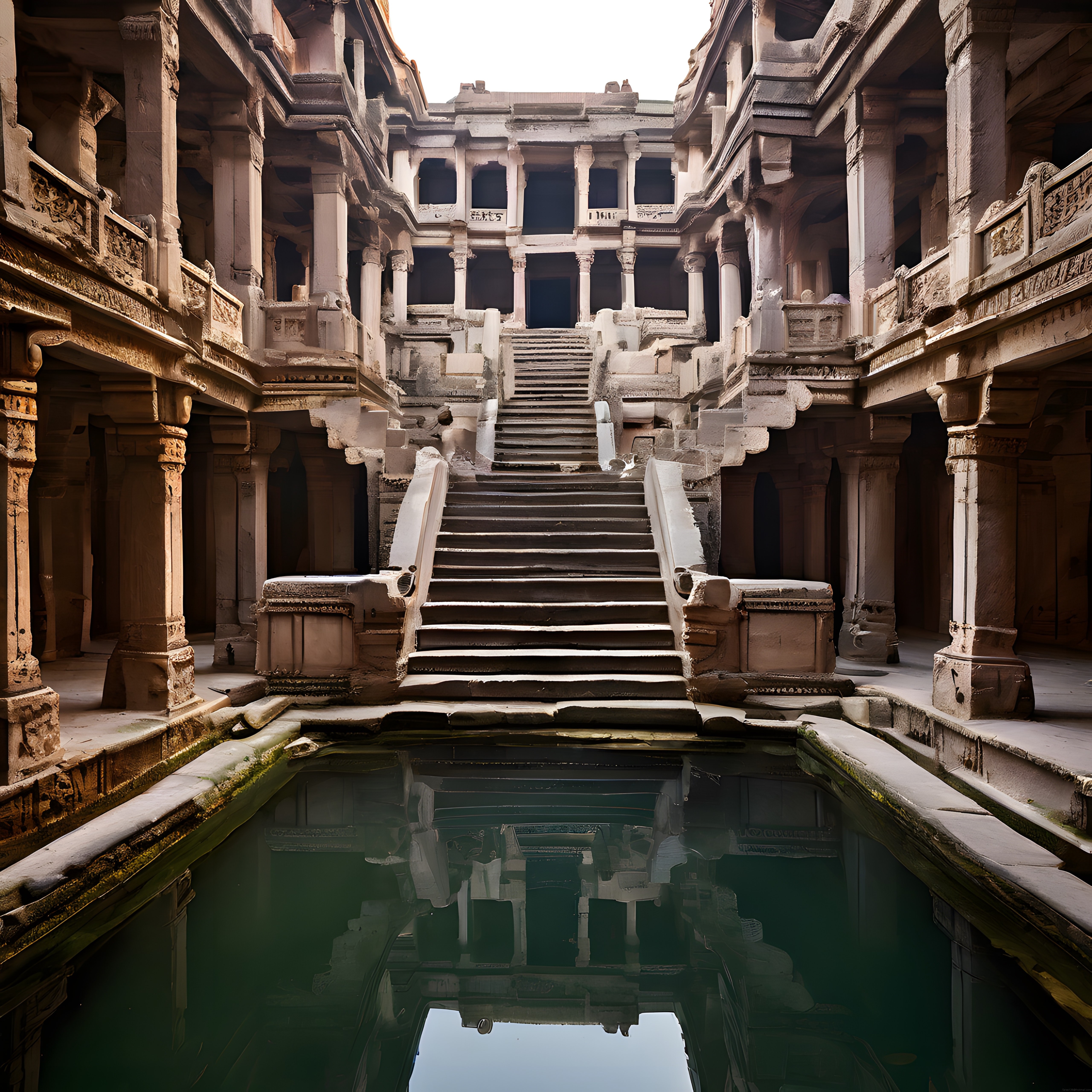
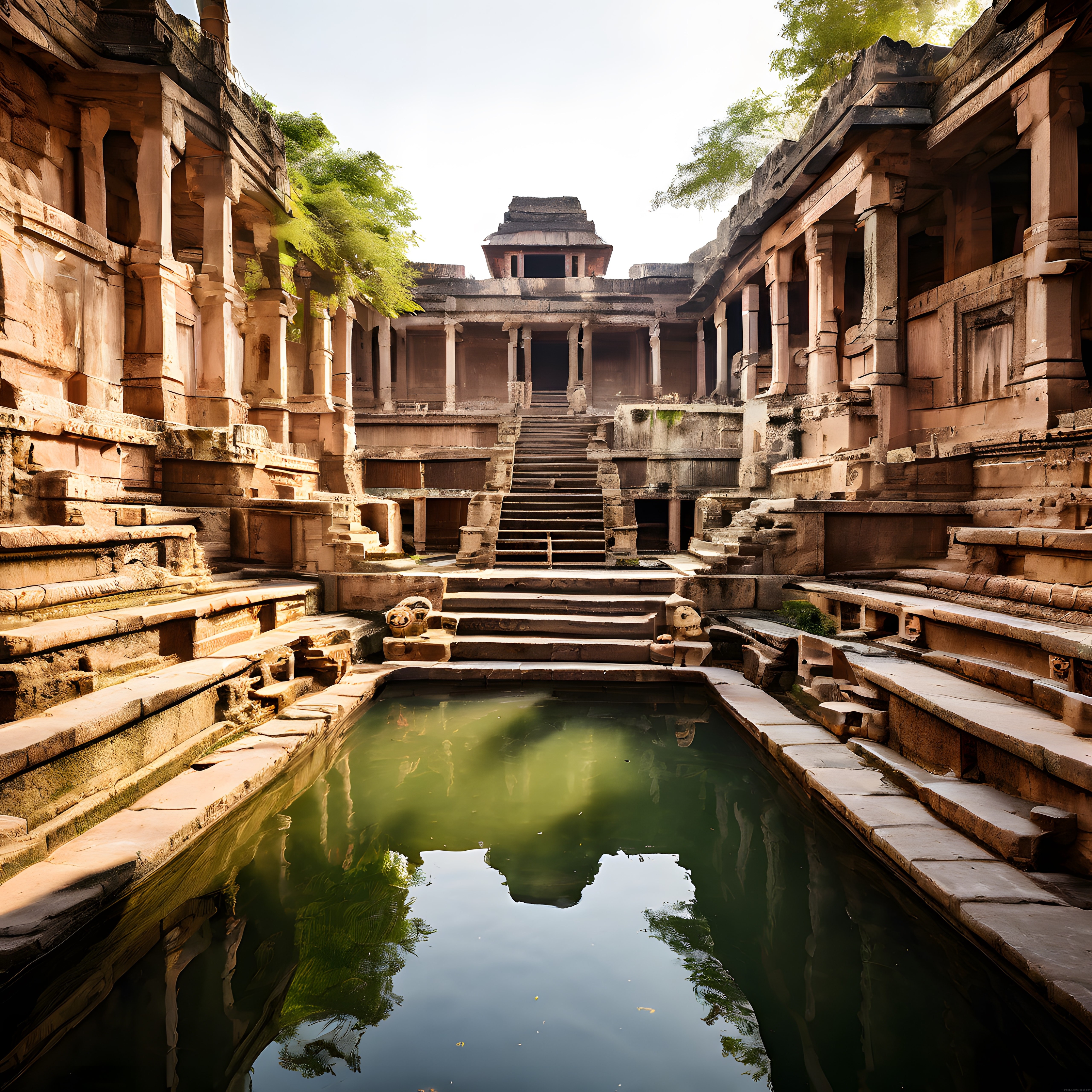
Çekim Tablosu
Belirtme (-i)kuyuyu
Yönelme (-e)kuyuya
Bulunma (-de)kuyuda
Çıkma (-den)kuyudan
Tamlayan (-in)kuyunun
Çoğul (-ler)kuyular
Tanım
•isim: Su katmanına varıncaya kadar derinliğine kazılan, genellikle silindir biçiminde, çevresine duvar örülen, suyundan yararlanılan çukur
•Toprağa kazılan derince çukur
•mecaz: İçinden çıkılamayan durum veya yer
•madencilik: Yer altındaki iş yerlerine ulaşmak için açılmış ve kesit boyutları derinliğine oranla sınırlı, düşey veya düşeye yakın bağlantı yolu
Atasözü & Deyim
“Bir deli kuyuya bir taş atar, kırk akıllı çıkaramazmış”
“El için kuyu kazan, evvela kendisi düşer”
“Kazma elin kuyusunu, kazarlar kuyunu”
Diğer Dillerde
Almancabrunnen (eril) /ˈbʁʊnən/
well
çekim: tamlayan Brunnens
eş: Bohrbrunnen, Bronn, Horizontalfilterbrunnen, Bründl, Quelle, Zisterne
köken: From Middle High German brunne, from Old High German brunno, from Proto-West Germanic *brunnō, from Proto-Germanic *brunnô, whence also Old English burna, Old Norse brunnr; ultimately from Proto-Indo-European *bʰrun- (“a bubbling forth; a fountain, wellspring, source”). The form is Upper German, most Low and Central German dialects using Born (now poetic in the standard language). This southern…
aile: das Kind fällt in den Brunnen
Die Quelle ist versiegt. — Kuyu kuru.
well, shaft
eş: bure
köken: Inherited from Middle French, from Old French puis, puiz, from Latin puteus, ultimately from Proto-Indo-European *paw- (“to strike”). The t was added back in Middle French in order to reflect the Latin spelling and distinguish from the verb/adverb puis.
aile: puiser, puits artésien, puits de pétrole, puits de science, puits sans fond
Lecteur de cartes à puce — Akıllı Kart Okuyucu
well (for water), cistern, tank, reservoir
çekim: çoğul aljibes
eş: pozo, cisterna, mazmorra
köken: From Andalusian Arabic اَلْجُبّ (al-júbb), from Classical Arabic جُبّ (jubb, “cistern, well”). Cognate with Galician alxibe and Catalan aljub. Compare Sicilian gebbia.
Baca superior. — Tersten okuyun.
İtalyancabeh, bene, mbè, pozzetto, pozzo, sgorgare /ˈbɛ/
well (used at the start of a sentence)
eş: insomma
köken: Apocopic form of bene.
Vannes Chiandotto. — Yerelnet Kuyubaşı
well (hole sunk into the ground)
çekim: çoğul коло́дцы · tamlayan коло́дца
eş: колодезь, шахта
köken: Inherited from Proto-Slavic *koldьcь, from earlier *koldędzь (whence коло́дезь (kolódezʹ)) with change of suffix.
Я рою колодец. — Ben kuyu kazıyorum.
well (a hole sunk into the ground as a source of water, oil, natural gas or other fluids)
çekim: çoğul چاهها
köken: Akin to Sogdian [script needed] (c’t /čāt/), Avestan 𐬗𐬁𐬝 (cāt̰), Khotanese [script needed] (cāta), Khwarezmian [script needed] (ct’), Baluchi چات (cát), etc.
Azericequyu /ɡuˈju/
well (hole sunk into the ground)
çekim: çoğul quyular · tamlayan quyunun
köken: From Proto-Turkic *kudug. Cognate with Turkish kuyu, Turkmen guýy, etc.
quyudan su çəkmək
good
zıt: жаман
köken: From *yaqšï (“good”), from Proto-Turkic *yak- (“come near; suit, fit; appeal to somebody”). Cognate with Old Uyghur [script needed] (jaqšï, “good”), [script needed] (jaxšï, “good”); Tatar яхшы (yaxşı), Bashkir яҡшы (yaqşı), Kyrgyz жакшы (jakşı), Southern Altai јакшы (ǰakšï), Khakas чахсы (çaxsı), Uzbek yaxshi, Turkmen ýagşy, Azerbaijani yaxşı, Turkish yakşı (“good”) etc.
aile: жақсылық
hole, pit
çekim: çoğul chuqurlar · tamlayan chuqurning
köken: Inherited from Chagatai چوقور (čwqwr). Cognate with Turkish çukur, Azerbaijani çuxur.
Tatarcaкое
source · spring (in fountain) · well (the place to get water)
çekim: çoğul bronnen
eş: oorsprong, oorzaak, wel, welput
köken: From earlier born, from Middle Dutch borne, Old Dutch brunno, from Proto-West Germanic *brunnō, from Proto-Germanic *brunnô. The inherited word underwent metathesis in Middle Dutch, but this was undone through influence from German Brunnen.
aile: bronbemaling, bronbescherming, bronkwel, bronnenonderzoek, bronnentaal, brononderzoek, brontaal, bronvermelding, bronwater, energiebron
Met Abraham Kuyper. — Michael Kuyucu.
to well, well up, gush, spurt · to ooze
çekim: geçmiş ανέβλυσα
Αναγνώστης έξυπνων καρτών — Akıllı Kart Okuyucu
excuse me (to draw attention) · well, uh, er, umm (expression of confusion or uncertainty) · ah, oh
読み方はとうぐうばし。 — "Okuyucularıma veda".
あのう、ちょっとお聞きしたいんですが。駅はどこでしょう。
あのう、近藤さん
healthy (free from disease or disorder); good; well · healthy (without problems or defects); sound; normal; good; well
eş: 健全, 康健
是為铁帽子王。 — Kuyutorman Elflerinin Kralı.
祝你身體健康,萬事如意。
祝你身体健康,万事如意。
to be healthy
eş: 성하다, 튼튼하다, 강건하다
köken: 건강(健康) (geon'gang) + -하다 (-hada, “to do”, light verb deriving adjectives).
스마트 카드 리더 — Akıllı Kart Okuyucu
아이는 건강하죠?
good (having pleasing or suitable qualities) · healthy or recovered (from an illness or injury or the like), well · quite large in extent or degree, good, goodly
çekim: karşılaştırma bättre · üstünlük bäst
köken: Since at least 1621, from braf (“good, brave”); from Low German brav; from French brave, borrowed from Italian bravo.
Läs mer nedan. — Tersten okuyun.
en bra film
– Ska vi måla den blå? – Ja, det blir bra.
Han är bra på tennis
you don't say (used to express surprise and disbelief or indignation at what the speaker has just learned about)
köken: Literally, “something like that”.
Czytnik kart — Akıllı Kart Okuyucu
Ukraynacaга́рно, джерело́, добре, до́бре, здоро́вий, коло́дець /ˈdɔbre/
well · very much, a lot (used with verbs) · B (academic grade)
zıt: пога́но
köken: Inherited from Old Ruthenian до́бре (dóbre), from Old Polish dobrze, from Proto-Slavic *dobrě, from Proto-Slavic *dobrъ. Doublet of добрі́ (dobrí).
Вона у колодязі. — O kuyuda.
good, nice, fine · delicious, tasty
zıt: बुरा, ख़राब
köken: Etymology tree Proto-Indo-Iranian *aśćaHyás Sanskrit अच्छाय (acchāya)? Sanskrit अच्छ (accha) Prakrit अच्छ (accha) Hindi अच्छा Inherited from Prakrit अच्छ (accha) without cluster simplification, from Sanskrit अच्छ (accha). Displaced Hindi आछा (āchā), from the same source. Cognate with Punjabi ਅੱਛਾ (acchā).
इस साल क्या आप अच्छे थे?
अच्छा बच्चा
अच्छा दिन
well (accurately, competently, satisfactorily; in a manner that can be described as good) · very, well (to a significant degree)
aile: hyvinjärjestys, hyvinkin, hyvinpukeutuva, hyvinvarustettu, hyvinvointi, hyvinvoipa, hyvinvoiva, loppu hyvin, kaikki hyvin
Älykorttilukija — Akıllı Kart Okuyucu
Kiitos kysymästä, voin hyvin.
Kuten hyvin tiedätte, […]
hyvin kaunis
well
eş: správně, v pořádku, výborně, skvěle, úžasně, perfektně
zıt: špatně, zle
köken: Inherited from Old Czech dobřě. By surface analysis, dobrý + -ě.
aile: všude dobře, doma nejlíp
Čtečka Smart Card — Akıllı Kart Okuyucu
well
köken: Inherited from Latin bene.
aile: binevenit
Cititor Smart Card — Akıllı Kart Okuyucu
Macarcaakna, alaposan, bőven, bugyog, egészséges, fakad /ˈɒknɒ/
shaft (in a mine; in a building) · mine (an explosive device)
çekim: çoğul aknák
köken: It is attested as Acnahege (*aknahegy) (1197/1337), Akana (1222), akonájá (1621). Ultimately from a Slavic language, from Proto-Slavic *okъno (“window”). The sense ‘explosive device’ came into being by ellipsis of tűzakna (“underground tunnel filled with explosives”, literally “fire shaft”).
aile: aknás → egyaknás, kétaknás, aknász, aknáz, aknafedlap, aknafedő, aknajárat, aknakereső, aknakutató, aknamező
Susan Murcott. — Michael Kuyucu.
So, therefore, then, thus. · Then, next. · Then, at that time.
köken: Cognate to Aramaic אֱדַיִן (ʾĕḏáyin, “then, at that time”), Arabic إِذ (ʔiḏ), إِذَا (ʔiḏā), إِذًا (ʔiḏan).
aile: מאז, מאז ש־, אָז מָה?
סדרות לקוראים צעירים. — Genç okuyucular için.
פרשנים אמרו לפני המשחק שזה משחק גדול, אז ניצחנו משחק גדול.
אם קרקע לדירה בבת ים ליד בית העלמין מוצעת במחיר של 720 אלף שקל, אז כמה תעלה הדירה?
much · very much, a lot · very
köken: Adverbial accusative of multus (“much, many”).
Etimoloji
Eski Türkçe kudug (kudug) > kuy (kuy)
Deyimler
Örnek Cümleler
O kuyuda.
She's in the well.
O, kuyuda.
It's in the well.
Kuyu kuru.
The well is dry.
Kedi kuyuda.
The cat is in the well.
Kuyu kurudu.
The well has run dry.
Para kuyuda.
The money is in the well.
O kuyudadır.
He's in the well.
Kuyumcu açık.
The jewelry store is open.
Kuran okuyun.
Read the Quran.
Kuyu derin mi?
Is the well deep?
Kurbağa kuyuda.
The frog in the well.
Kuyumuz kurudu.
Our well has run dry.
İlgili Sorular
Gündüz vakti bir kuyunun dibinde ay ışığını görebilir miyiz?
Eğer bir kuyunun en dip noktasında durursam, ayı görebilmek mümkün mü?
Takı üretimi ve kuyumculuk işi için hangi eğitim programlarını tercih etmeliyim?
İnsanların kuyu kazmasının çevre üzerindeki olumsuz etkileri nelerdir?
Doğu yönüne bakan bir kuyumcu mağazasında kasayı hangi yöne konumlandırmalıyım?
Birleşik Kelimeler
kuyu anasıkuyu bileziğikuyu fındığıkuyu kebabıkuyu suyukuyu topuğuana kuyudipsiz kuyuiç kuyukör kuyukuru kuyuartezyen kuyusubostan kuyusugayya kuyusukar kuyusukireç kuyusukurt kuyusumaden kuyususondaj kuyusu