Sözlük
/kürdan
kürdan
/cyɾ.dɑn/
noun
C2 seviye
TR → EN
"kürdan" kelimesinin İngilizcesi: toothpick, pick, toothpick, toothpick, toothpick. Anlamı, çevirisi, telaffuzu ve örnek cümleler aşağıdadır.
Çeviri
Geneltoothpicknoun
Genelpick
Geneltoothpick
Geneltoothpick
Geneltoothpick
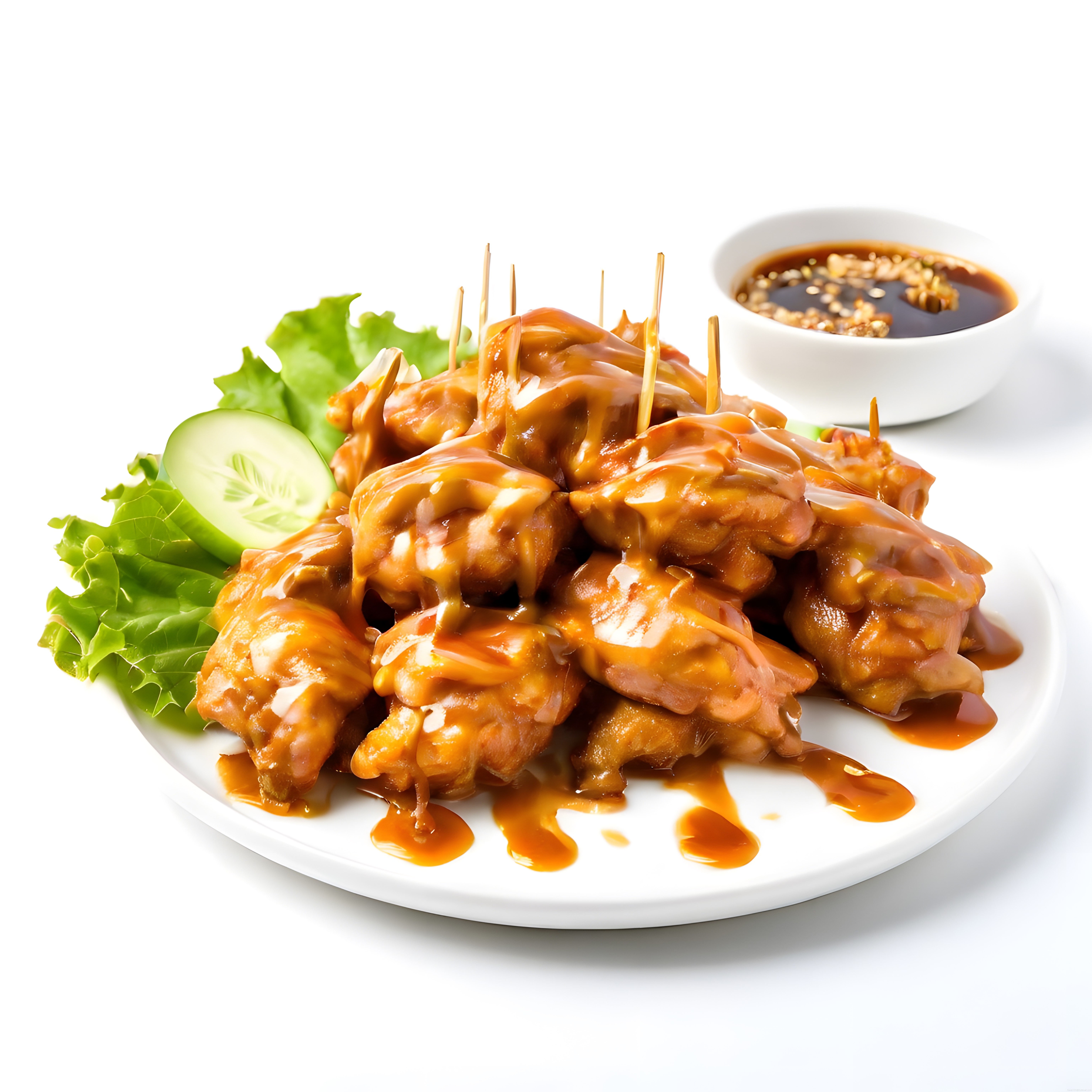
Görsel
Çekim Tablosu
Belirtme (-i)kürdanı
Yönelme (-e)kürdana
Bulunma (-de)kürdanda
Çıkma (-den)kürdandan
Tamlayan (-in)kürdanın
Çoğul (-ler)kürdanlar
Tanım
•dişleri temizlemek için kullanılan küçük çubuk, diş çöpü
•Dişleri temizlemek için kullanılan küçük çöp
Diğer Dillerde
AlmancaDietrich, Hacke, pflücken, Pickel, Spitzhacke, Zahnstocher (eril) /ˈdiːtʁɪç/
a male given name from Middle High German, equivalent to English Derek
çekim: çoğul Dietriche · tamlayan Dietrichs
eş: Nachschlüssel, Hakenschlüssel
köken: From Middle High German Dietrich, from Old High German Diotrih, ultimately from Proto-Germanic *Þeudōrīks.
Es heißt Hope for Now. — Kurdan diye de ismi mevcut.
Fransızcachoisir, choix, cueillir, cure-dent, passe-partout, pioche /ʃwa.ziʁ/
to choose · to perceive, distinguish
çekim: geçmiş choisi · ortaç choisi · şimdiki choisit · ulaç choisissant
eş: départager, élire, sélectionner
köken: Inherited from Middle French choisir, from Old French choisir, coisir (“to differentiate, see distinctly”), from Frankish *kauʀijan (“to choose”) or Gothic 𐌺𐌰𐌿𐍃𐌾𐌰𐌽 (kausjan), both from Proto-Germanic *kauzijaną, from Proto-Germanic *keusaną (“to choose, taste”), from Proto-Indo-European *ǵews- (“to choose, taste”). Cognate with Franco-Provençal chouêsir (“to choose”), Galician cousir (“to…
aile: de deux maux, il faut choisir le moindre
"Les livres?" Dit-il soudain bruyamment finition avec le cure-dent. — "Kitaplar?" Diye gürültüyle aniden söyledi kürdan ile bitirdi.
Je n'ai pas eu le temps de choisir.
İspanyolcaescarbadientes, escarbar, escoger, escogitar, esculcar, ganzúa (eril) /esˌkaɾbaˈdjentes/
toothpick
eş: mondadientes, palillo de dientes, picadientes
köken: Verb-object compound, composed of escarba (“to scrape”) + dientes (“teeth”).
¿Varias de las piezas que aún tenemos? — Peki kaç tane kürdanımız oldu?
İtalyancabarriera, grimaldello, pettine, piccone, pizzicare, prendere (dişil) /barˈrjɛ.ra/
barrier, turnpike · reef · wall
çekim: çoğul barriere
eş: cancello, chiusura, sbarramento, steccato, impedimento, limite
"Libri?" Disse improvvisamente, rumorosamente finitura con lo stuzzicadenti. — "Kitaplar?" Diye gürültüyle aniden söyledi kürdan ile bitirdi.
Rusçaзубочистка (dişil) /zʊbɐˈt͡ɕistkə/
toothpick (stick for removing food residue from the area between the teeth)
çekim: çoğul зубочи́стки · tamlayan зубочи́стки
köken: зуб (zub) + -о- (-o-) + чи́стить (čístitʹ) + -ка (-ka)
Убить можно чем угодно - зубочисткой, тромбоном. — Kürdan, raptiye... Aldatıcı görünüyor.
Arapçaخِلَال, عُود تَخْلِيل أَسْنَان, فَأْس, مِعْوَل
ولقد حاولوا تحفيز اللثة بواسطة عود أسنان، ليروا ما إذا كان هذا هو سبب المشكلة — İşe yarayıp yaramadığını görmek için diş etlerini kürdanla uyarmışlar.
Farsçaکلنگ /ku.ˈlanɡ/
pickaxe
çekim: çoğul کلنگها
köken: From Proto-Indo-European *kelh₂- (“to beat, strike, break”). Compare کلند (koland).
aile: خانه کلنگی
to pick
çekim: geçmiş dərmiş · ortaç dərmiş · şimdiki dərir
köken: From Proto-Common Turkic *tēr-. Cognate with Turkish dermek.
almanı ağacdan dərmək
ağacdan alma dərmək
gül dərmək
Kazakçaтазартқыш, тіс ысқыш
Özbekçetish kavlagich, tishkavlagich
Felemenkçetandenstoker (eril) /ˈtɑndə(n)ˌstoːkər/
toothpick
çekim: çoğul tandenstokers
köken: From tand (“tooth”) + -en- + stoker (“poker”).
Tandenstokers, papierklemmen... — Kürdan, raptiye...
Portekizcecolher, escolha, escolher, palito, palito de dente, palito de dentes (dişil) /kuˈʎɛ(ʁ)/
spoon (eating utensil)
çekim: çoğul colheres
köken: From Old Galician-Portuguese cullar, collar, from Latin cochleārem (“spoon”). The Old Portuguese word was influenced by Old French cuiller (French cuiller / cuillère), from the same Latin root. Cognate with Galician culler, French cuillère, Spanish cuchara, Catalan cullera. Compare with caracol (“snail”).
aile: colher de café, colher de chá, colher de sobremesa, colher de sopa, colherinha, colherita, colherzinha, colherzita
E depois pega por exemplo num palito. — Sonra da bir kürdan.
Yunancaοδοντογλυφίδα (dişil)
toothpick
çekim: çoğul οδοντογλυφίδες · tamlayan οδοντογλυφίδας
köken: οδοντο- (odonto-, “dental”) + γλυφίδα (glyfída, “chisel”)
Οδοντογλυφίδες,συνδετήρες...ξεγελούν. — Kürdan, raptiye... Aldatıcı görünüyor.
両先端または片方を鶴の嘴のように尖らせ、木の柄をつけた鉄製の道具。硬い土を掘り起こすのに用いる。
そして爪楊枝でお椀のタンジェントを取ろうとしても、 — Sonra da bir kürdan.
Korece이쑤시개 /is͈uɕʰiɡɛ/
toothpick
köken: Of native Korean origin. Compound of 이 (i, “tooth”) + 쑤시개 (ssusigae, “pick”).
그리고나서 이쑤시개 하나를 가져옵시다 — Sonra da bir kürdan.
İsveççedyrk, hacka, plocka, tandpetare, tandsticka, val
a lock pick, a tool for lock picking (instead of a key)
çekim: çoğul dyrkar · tamlayan dyrks
köken: Borrowed from Middle Low German diderik. Cognate of German Dietrich (“lockpick”), Danish dirk, Finnish tiirikka.
Och hur många fler har vi? — Peki kaç tane kürdanımız oldu?
ice ax, piolet, ice axe · hammer-axe, axe-hammer · pickaxe, pick
çekim: çoğul czekany · tamlayan czekana
eş: obuszek, obuch
köken: Borrowed from Ukrainian чека́н (čekán), from Old East Slavic чеканъ (čekanŭ), from Proto-Slavic *čekanъ, from a Turkic language. Corresponds with many other cognates, including Romanian ciocan, Bulgarian чук (čuk), чукан (čukan), Serbo-Croatian čekić, Albanian çekan, Hungarian csákány.
Więc musisz wybrać zwrot tej wykałaczki. — Dolayısıyla, kürdanın yönünü seçmeniz lazım.
Ukraynacaвибира́ти, ви́бір, ка́йло
Сказав він раптом, з шумом закінчуючи зубочисткою. — "Kitaplar?" Diye gürültüyle aniden söyledi kürdan ile bitirdi.
pickaxe, pick
çekim: çoğul गैंतियाँ
köken: Uncertain. Possibly from गर्तकृत् (gartakṛt, “one who digs a pit”), from गर्त (garta, “pit”) + कृत् (kṛt, “maker”).
Fincehakku, hammastikku, harva kampa, lukea, poimia, tiirikka /ˈhɑkːu/
hack, pick, pickaxe
çekim: çoğul hakut · tamlayan hakun
köken: Borrowed from Swedish hacka.
aile: jäähakku, kivihakku
"Kirjat", hän sanoi yhtäkkiä, äänekkäästi Pintakäsittely hammastikulla. — "Kitaplar?" Diye gürültüyle aniden söyledi kürdan ile bitirdi.
pickaxe, pick
çekim: çoğul krumpáče · tamlayan krumpáče
köken: Originally krompáč, from Bavarian krǫmpn probably blended with kopáč (“digger”).
A pak byste vzali, dejme tomu, párátko. — Sonra da bir kürdan.
Rumencescobitoare, târnăcop (dişil)
toothpick
çekim: çoğul scobitori · tamlayan scobitori
köken: From scobi + -toare.
Scobitori, agrafe. — Kürdan, raptiye...
Macarcacsákány, fogpiszkáló, fogvájó /ˈt͡ʃaːkaːɲ/
pickaxe (heavy iron tool)
çekim: çoğul csákányok
köken: A loanword, however its origin is debated: # Borrowed from a Turkic language. Compare Chagatai [script needed] (čaqan, “battle-axe”). # Borrowed from a Slavic language. Compare Slovene čekan (“tusk”), Czech čakan (“mattock”).
Minden veszélyes. — Kürdan, raptiye...
İbraniceקָטַף, קֵיסָם
הגירוי התרחש בחניכיים נבדק גם עם קיסמי שיניים גורמים לכך. — İşe yarayıp yaramadığını görmek için diş etlerini kürdanla uyarmışlar.
Latincecarpō, dentiscalpium /dɛn.tɪsˈkaɫ.pi.ũː/
toothpick
çekim: çoğul dentiscalpia · tamlayan dentiscalpiī
köken: Etymology tree Proto-Indo-European *h₃ed- Proto-Indo-European *-ónts Proto-Indo-European *h₃dónts Proto-Italic *dents Latin dens Latin scalpō Proto-Indo-European *-yós Proto-Italic *-ios Old Latin -ios Latin -ius Latin -ium Latin dentiscalpium From dens (“tooth”) + scalpō (“to scratch”) + -ium.
Dancaplukke, tandstikker
Den første figur i rækken består altså af 6 tændstikker. — Yani ilk şekilde altı kürdan var.
Norveççedirk, hakke, pilke, tannpirker, tannstikker, valg
Etimoloji
Fransızca cure-dent sözcüğünden
Örnek Cümleler
Tahta kürdan
Wood toothpicks
Kürdanınızı alın.
Take your pick.
Kürdan, raptiye...
Toothpicks, paper clips...
Tom kürdan bacaklı.
Tom has skinny legs.
Bana bir kürdan ver.
Give me a toothpick.
Sonra da bir kürdan.
And then take a, I don't know, a toothpick.
Tom bir kürdan kullandı.
Tom used a toothpick.
Tom bir kürdan çiğniyor.
Tom is chewing on a toothpick.
Tom bir kürdan çiğniyordu.
Tom was chewing on a toothpick.
Peki kaç tane kürdanımız oldu?
And how many more do we have?
Yani ilk şekilde altı kürdan var.
So the first figure in our sequence has six toothpicks.
Yani 6 artı 5 veya 11 kürdan var.
So it's 6 plus 5 or 11 toothpicks.