Sözlük
/cüce
cüce
"cüce" kelimesinin İngilizcesi: dwarf, elf, midget, dwarf, dwarf. Anlamı, çevirisi, telaffuzu ve örnek cümleler aşağıdadır.
Çeviri
Geneldwarf
Genelelf
Genelmidget
Geneldwarf
Geneldwarf
Görsel
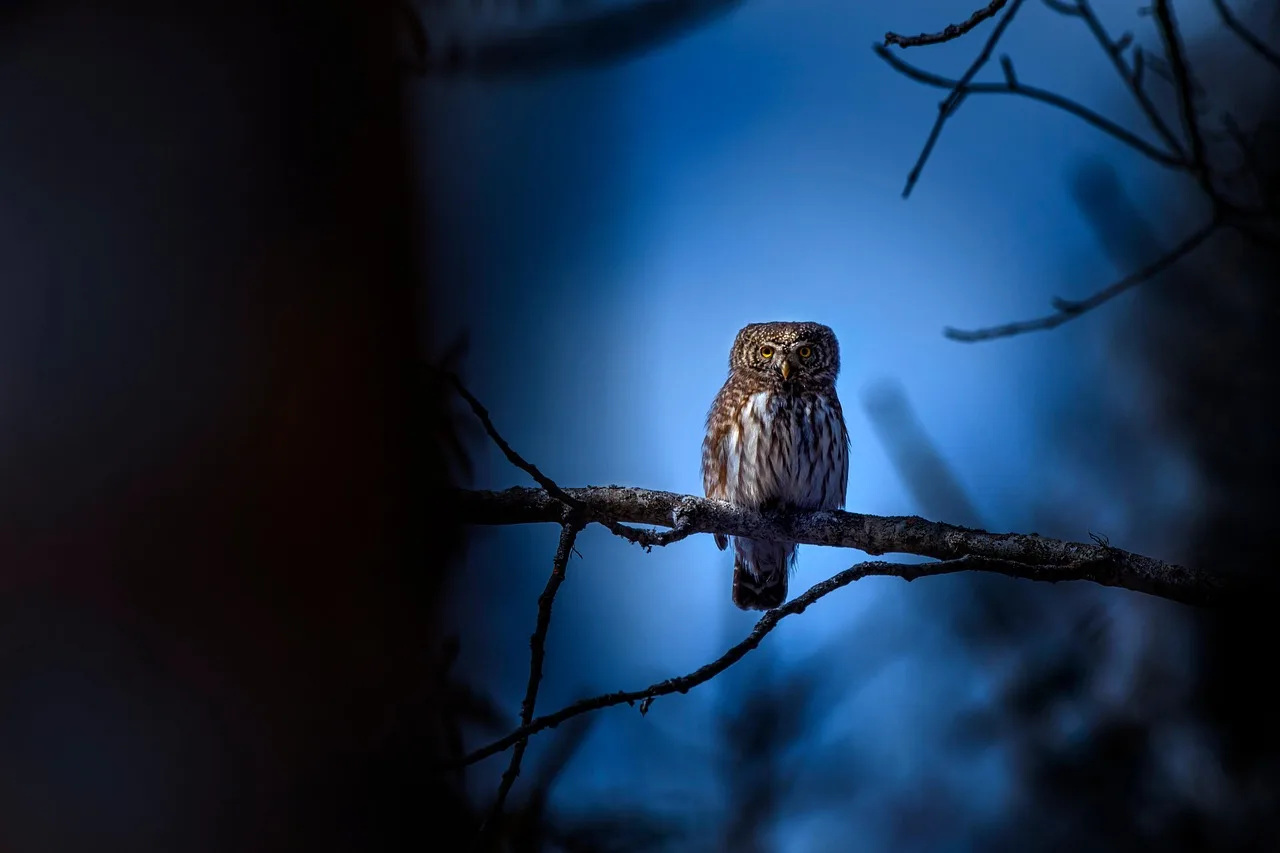
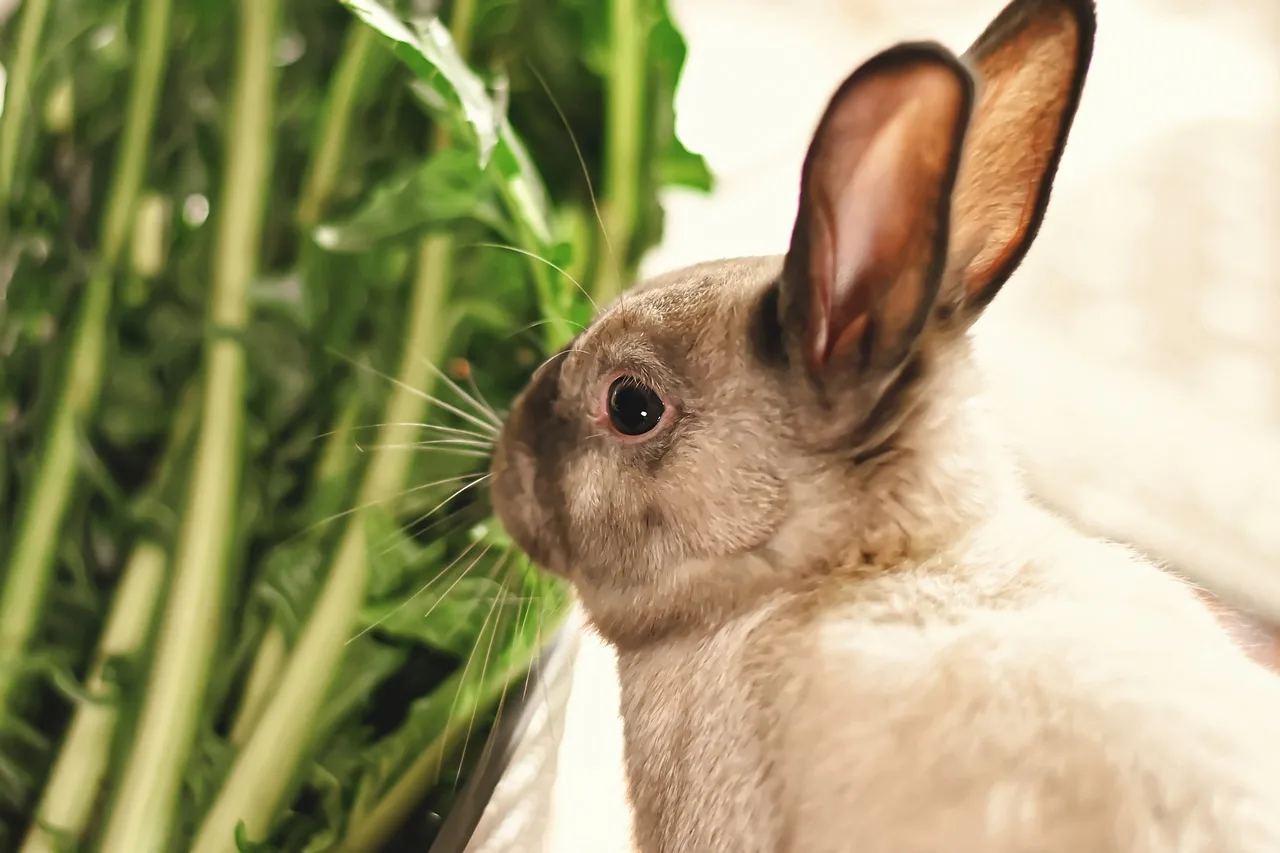
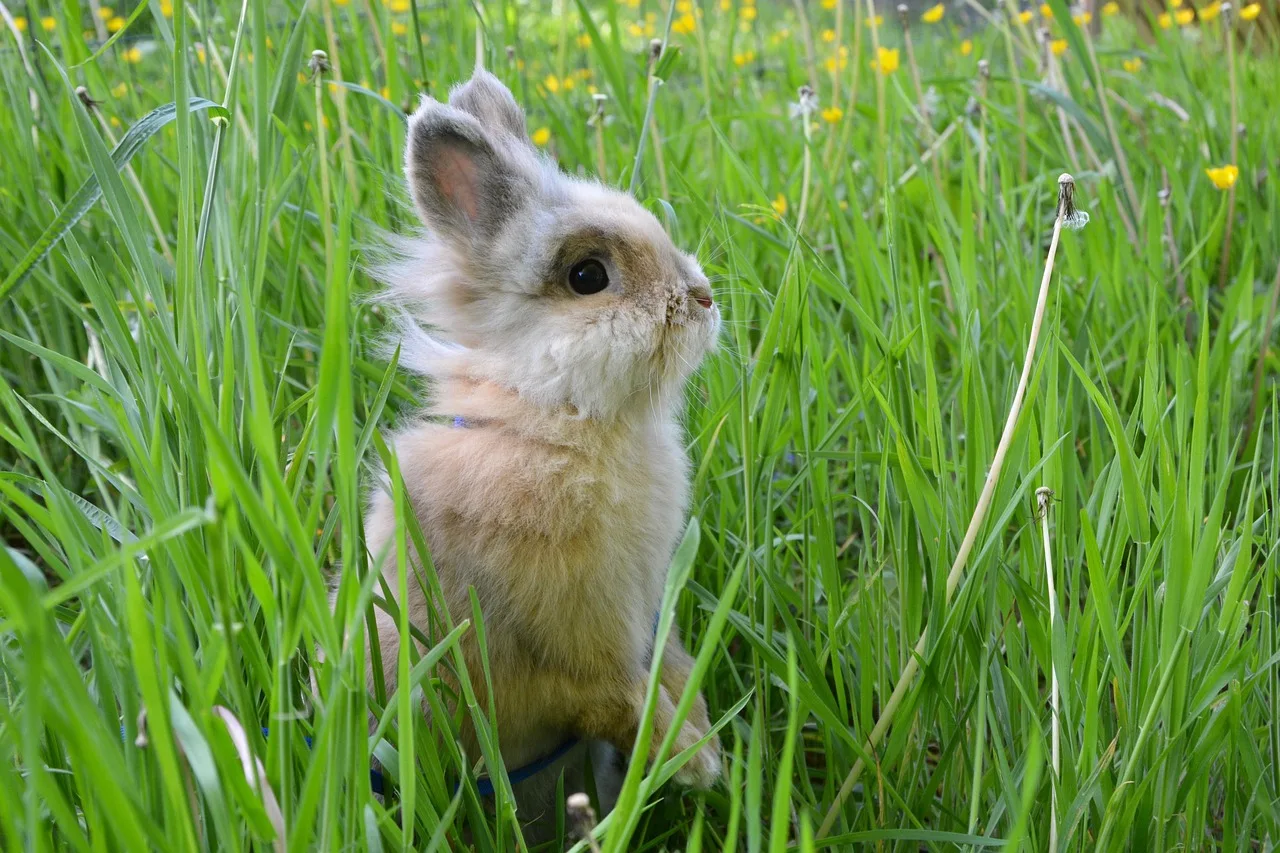
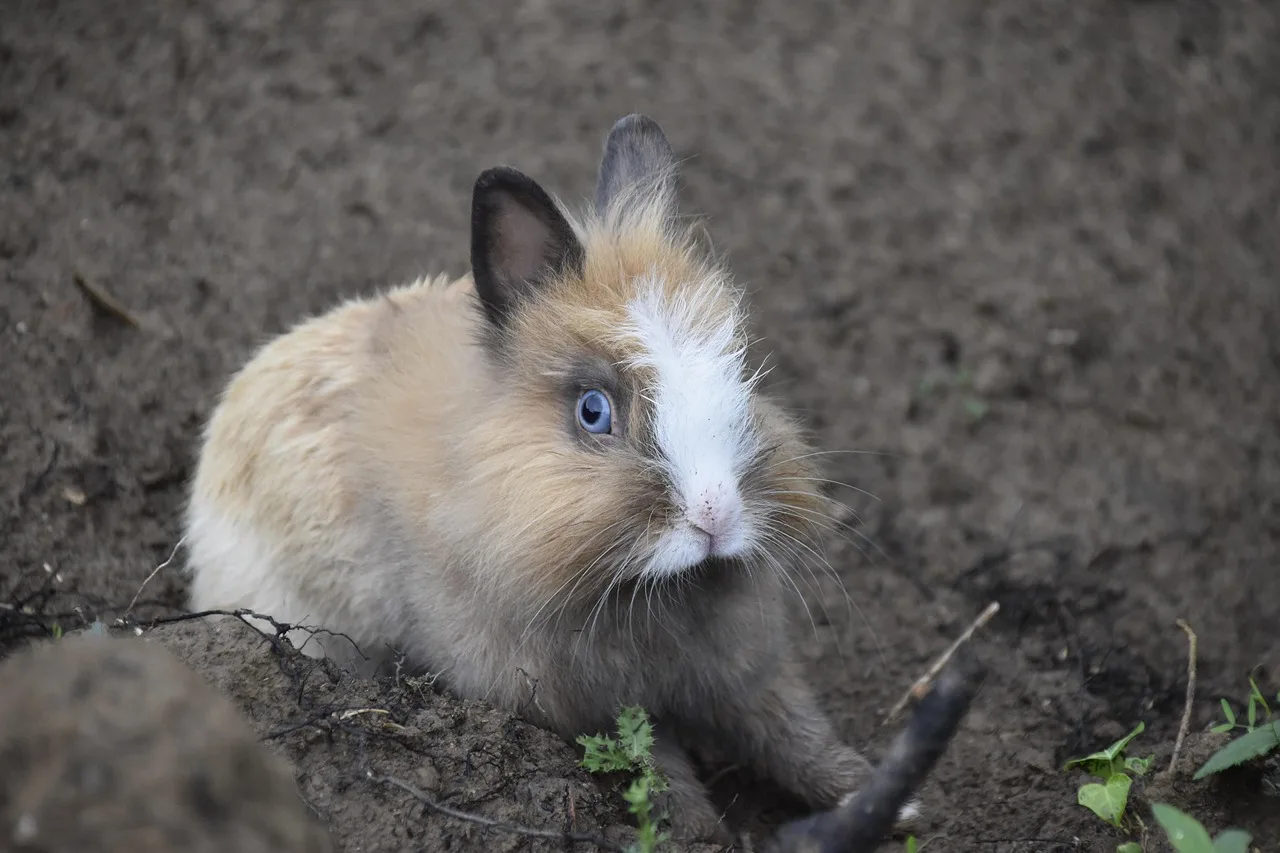
Çekim Tablosu
Belirtme (-i)cüceyi
Yönelme (-e)cüceye
Bulunma (-de)cücede
Çıkma (-den)cüceden
Tamlayan (-in)cücenin
Çoğul (-ler)cüceler
Tanım
•(mecaz) gelişmemiş (bitki)
•boyu, normalden çok daha kısa olan (kimse)
•Samsun ili Ladik ilçesine bağlı bir köy.
•Boyu, normalden çok daha kısa olan kimse
•Gelişmemiş bitki
Diğer Dillerde
elf, especially an evil one
çekim: çoğul Alben · tamlayan Albs
eş: Elbe, Elb, Elf
köken: From Middle High German alb, alp, from Old High German alp, from Proto-West Germanic *albi, from Proto-Germanic *albiz, ultimately from Proto-Indo-European *albʰós. Doublet of Elf, borrowed from English later.
aile: Albdruck, Alberich, Albtraum
Die Welt der Fellachen. — Cücelerin dünyasıdır.
to eclipse · to eclipse, to overshadow, to surpass · to slip away, to escape
çekim: geçmiş éclipsé · ortaç éclipsé · şimdiki éclipse · ulaç éclipsant
köken: From éclipse + -er.
Naine blanche. — Beyaz cüce.
İspanyolcaapabullar, doblegar, duende, elfo, empequeñecer, enana /apabuˈʝaɾ/
to overwhelm
çekim: geçmiş apabullé · ortaç apabullado · şimdiki apabulla
köken: Compare with magullar (“to bruise”), possibly inflated with apalear (“to beat up”) through an intermediary form similar to apagullar
aile: apabullante
Decía el Lic. — Demiş cüce.
feminine singular of nano
çekim: çoğul nane
Detto il Meschino. — Demiş cüce.
Rusçaкарлик, лилипут
Том карлик. — Tom bir cüce.
قال ياقوت . — Demiş cüce.
alif (the letter ا, the first letter of the Persian and Arabic abjads) · something or someone erect and tall like the letter ا; (in particular) the beautiful, slender stature of the beloved
köken: Borrowed from Arabic أَلِف (ʔalif).
ما کهایم اندر جهان پیچ پیچ چون الف او خود چه دارد هیچ هیچ
نیست بر لوحِ دلم جز الفِ قامتِ دوست چه کنم حرفِ دگر یاد نداد استادم
بدل از خار خار هجر الفها من دیوانه را سرو سمن بس
Felemenkçedwerg, kabouter
Witte dwerg. — Beyaz cüce.
Portekizceanã, anão, nanico, sobrepujar (dişil) /aˈnɐ̃/
female equivalent of anão
çekim: çoğul anãs
Os anões estão sobre vocês!". — Cüceler üzerinizde!)
dwarf (person of short stature, often one whose limbs are disproportionately small in relation to the body) · dwarf (animal, plant or other thing much smaller than the usual of its sort) · dwarf, dwarf star (star of relatively small size)
çekim: çoğul νάνοι · tamlayan νάνου
köken: From Ancient Greek νᾶνος (nânos).
aile: λευκός νάνος
Λευκός νάνος. — Beyaz cüce.
Ο Τύριον Λάννιστερ στο «Game of Thrones» είναι νάνος.
νάνος φοίνικας
νάνος χοίρος
イギリスの民話に登場する小さな妖精。
köken: Borrowed from English elf.
(夜空野ねこ・著、あるてみす。 — Cüce suaygırı gece ortaya çıkar.
剣術を学んだエルフ。素早い攻撃で敵を翻弄する。
かよわいエルフだが、聖なる力で身を守りとても守備が高い。
何千年も生きているエルフ。精霊をあやつり攻撃をする。
dwarf, midget
zıt: 키다리
köken: First attested in the Bak Tongsa eonhae (朴通事諺解 / 박통사언해), 1677, as Early Modern Korean 난장이 (Yale: nancang.i). Possibly equivalent to 낮- (nat-, “low”) + -은 (-eun) + -쟁이 (-jaeng'i).
전설적인 스릴러 작가다. — Bir cüceler edebiyatı.
elf; a human-resembling, often magical, being
çekim: çoğul alver · tamlayan alvs
köken: From Old Norse alfr, from Proto-Germanic *albiz, ultimately from Proto-Indo-European *albʰós.
En litterär allätare. — Bir cüceler edebiyatı.
Av asar och alver / som sitter här inne / vill ingen vara din vän.
Lehçekarłowaty, karzeł, krasnolud, krasnoludek, skrzat /kar.wɔˈva.tɘ/
dwarf (unusually small)
çekim: karşılaştırma bardziej karłowaty · üstünlük najbardziej karłowaty
köken: Etymology tree Polish karzeł Proto-Indo-European *-usder. Proto-Indo-European *-osder. Proto-Slavic *-ovъ Old Polish -owy Polish -owy Proto-Indo-European *-h₂ Proto-Indo-European *-éh₂ Proto-Indo-European *-tós Proto-Indo-European *-eh₂tos Proto-Balto-Slavic *-āˀtas Proto-Slavic *-atъ Polish -aty Polish -owaty Polish karłowaty From karzeł + -owaty.
aile: karłowatość, karłowacić, karłowacieć, skarłowacieć
Gródk) na Łużycach. — Cüceler üzerinizde!)
Wśród drzew i krzewów dominuje brzoza i brzoza karłowata.
Ukraynacaельф /ɛlʲf/
çekim: çoğul е́льфи · tamlayan е́льфа
köken: Borrowed from English elf. Related to Ukrainian альв (alʹv). Compare with Russian эльф (elʹf).
Білий карлик. — Beyaz cüce.
apsara (a class of nymphs, described as spirits of the waters and the clouds, who are dancers in Indra's court) · beautiful woman
çekim: çoğul अप्सराएँ
köken: Borrowed from Sanskrit अप्सराः (apsarāḥ), nominative singular of अप्सरस् (apsaras).
Fincehaltia, jättää varjoonsa, kääpiö, kääpiö-, keiju, kutistaa /ˈhɑltiɑ/
A kind of spirit; haltija. · elf (mythical, supernatural being)
çekim: çoğul haltiat · tamlayan haltian
köken: An archaic spelling of haltija. The sense “elf” was probably first used by Finnish translator Kersti Juva when translating the works of J. R. R. Tolkien.
aile: Haltiala, haltiatar, haltioida, haltioitua, haltiakieli, kodinhaltia, luonnonhaltia, metsänhaltia, vedenhaltia, vuorenhaltia
Veikko Huovinen. — Cücelik yapar.
Çekçeálf, elf, permoník, pidimužík, skřítek, trpaslík (eril) /ˈɛlf/
přírodní duch, skřítek s magickými schopnostmi, které může užívat ku prospěchu nebo ke škodě lidí
çekim: çoğul elfové · tamlayan elfa
aile: elfí
Bílý trpaslík. — Beyaz cüce.
Rumenceminimiza, minuscul, pitic, pitică, prichindel /mi.ni.miˈza/
to minimize
çekim: geçmiş minimizat · ortaç minimizat · şimdiki minimizează
köken: Borrowed from French minimiser. Equivalent to minim + -iza.
aile: minimizare
Stea pitică albă — Beyaz cüce.
goblin, imp, pixy
çekim: çoğul manók
Rajtatok a törpök! — Cüceler üzerinizde!)
thousand, one thousand
çekim: çoğul אֲלָפִים
köken: From Proto-Semitic *ʔalp- (“thousand; cattle”). Cognate with Arabic ألف (ʔalf).
הרצל אמר! — Demiş cüce.
וַיִּסְעוּ בְנֵי־יִשְׂרָאֵל מֵרַעְמְסֵס סֻכֹּתָה כְּשֵׁשׁ־מֵאוֹת אֶלֶף רַגְלִי הַגְּבָרִים לְבַד מִטָּף׃
dwarf · small horse
çekim: çoğul nānī · tamlayan nānī
eş: pūmilus
köken: Borrowed from Ancient Greek νᾶνος (nânos, “dwarf”).
fairy
çekim: çoğul alfer · tamlayan alfs
köken: From Old Norse alfr, from Proto-Germanic *albiz.
aile: alfedans, alfedronning, alfelet, alfepige, lysalf, svartalf
Homunculus "Den lille i glasset" ... — Şişedeki cüce, Homunculus?
Etimoloji
From Ottoman Turkish جوجه (cüce), from Classical Persian جوجه (jūja), جوژه (jūža).
Deyimler
Örnek Cümleler
Beyaz cüce.
White dwarf.
Hangi cüce?
What dwarf?
Tom bir cüce.
Tom is a dwarf.
Cücelik yapar.
Y Lolfa.
Şu lanet cüce!
That notorious dwarf!
Laron cüceliği
Laron dwarfism
Mesela şu cüce.
Like that dwarf, for example.
Şu kambur cüce!
That hunchback! Eh?
Kahverengi Cüceler
Brown dwarfs
Doğan Cüceloğlu (d.
Doğan Cüceloğlu (b.
"Wörthersee cücesi"
"Wörthersee midget"
Cüceler üzerinizde!)
Piss all over your faces!".
İlgili Sorular
İlgili / Bileşik Terimler
Bilimdwarf planet
Bilimdwarf star
Genelscops owl
Geneldwarf galaxy
Geneldwarf planet
Geneldwarf galaxy
Genelpygmy marmoset
Geneletruscan shrew
Genelpygmy hippopotamus
Genelkit fox
Geneldwarf crocodile