Sözlük
/vadi
vadi
"vadi" kelimesinin İngilizcesi: valley, canyon, glen, bottom, gorge. Anlamı, çevirisi, telaffuzu ve örnek cümleler aşağıdadır.
Çeviri
Genelvalleynoun
Genelcanyonnoun
Genelglennoun
Genelbottom
Genelgorge
Genelvalley
Genelwadi , wady
Geneldale
Genelravine
Genelvalley
Genelravine
Genelvalley
Geneldale
Görsel
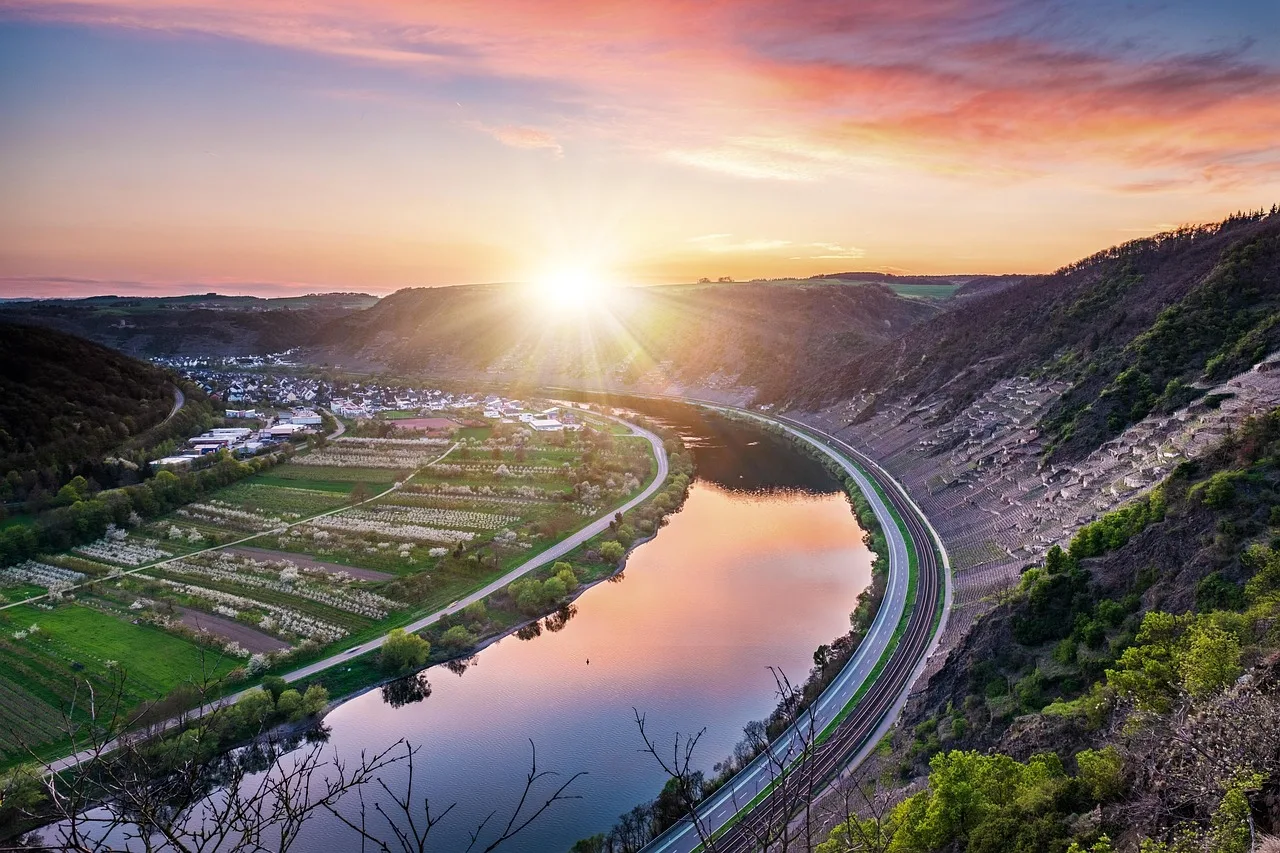

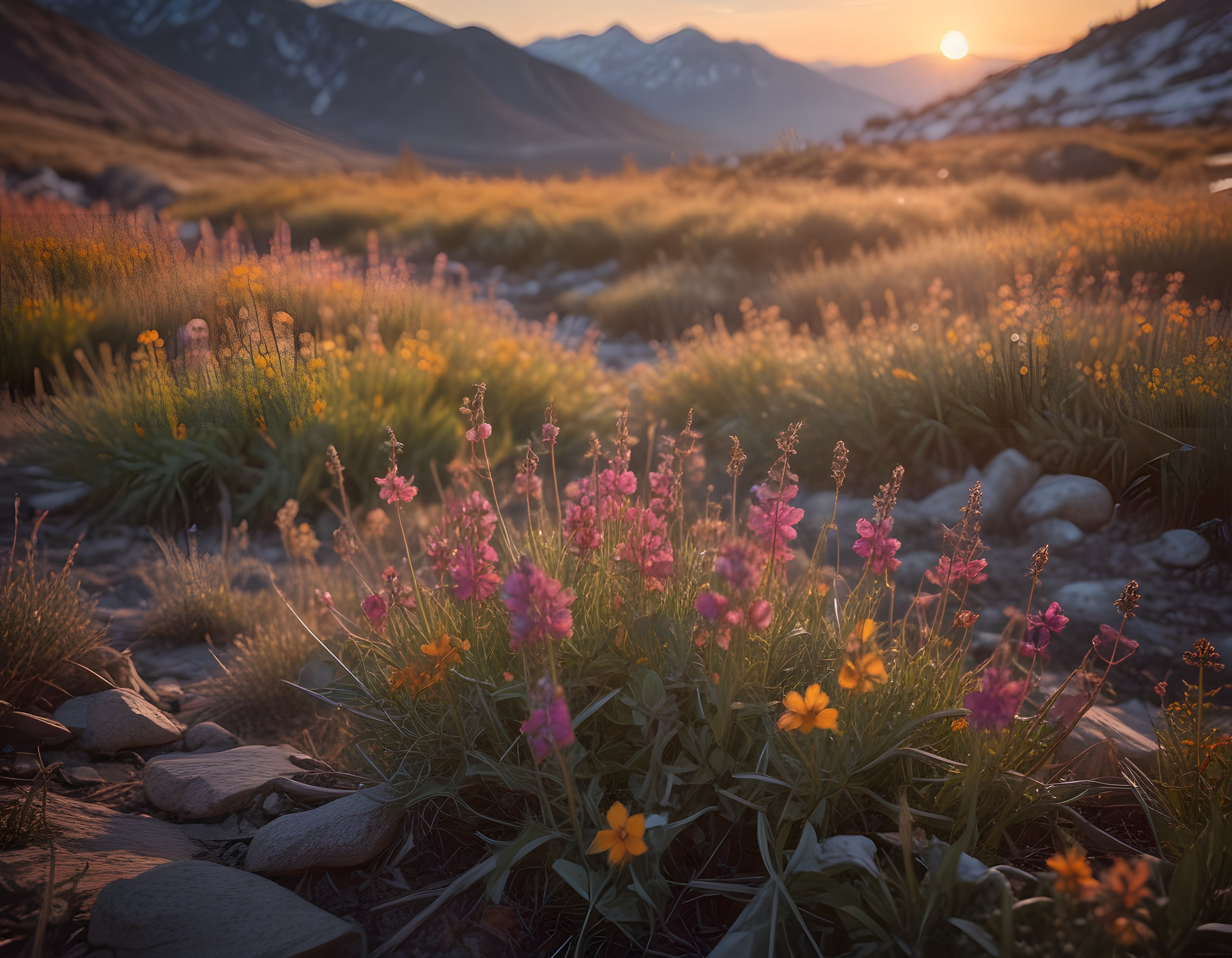

Çekim Tablosu
Belirtme (-i)vadiyi
Yönelme (-e)vadiye
Bulunma (-de)vadide
Çıkma (-den)vadiden
Tamlayan (-in)vadinin
Çoğul (-ler)vadiler
Tanım
•isim, coğrafya: İki dağ arasındaki çukurca arazi veya geçit; koyak
•eskimiş, mecaz: Çalışma alanı, tutulan yol, benimsenen tarz
Diğer Dillerde
ground, soil · sea bottom (typically called Meeresboden) · any defined type of soil
çekim: çoğul Böden · tamlayan Bodens
eş: Grund, Erdboden, Grund und Boden, Erde, Erdreich, Dachboden
köken: From Middle High German boden, bodem, from Old High German bodam, from Proto-West Germanic *bodm, from Proto-Germanic *budm-, a variant of *butmaz (whence English bottom, which see for more), from Proto-Indo-European *bʰudʰmḗn. Cognate with English bottom, Dutch bodem, Hunsrik Boddem. Doublet of Bodden, a loanword from Low German.
aile: Ackerboden, Bodenbearbeitung, Bodenbelag, Bodenbewohner, Bodenbrett, Bodenfarbe, Bodenfrost, Bodengüte, Bodenhaftung, Bodenkultur
Adjektiv, steht lt. — Akyazı Havadis.
heiliger Boden
FransızcaVallée (dişil) /va.le/
valley
çekim: çoğul vallées
köken: Inherited from Middle French valee, from Old French valee, from val + -ée, from Latin vallis. Cf. also Medieval Latin valleta.
aile: Vallée d'Aoste
Ici, dans la vallée. — Aşağıya! Vadiye!
ass, arse, booty, rear, behind, butt, buttocks · anus · meaty area around the anus (in various animal species)
çekim: çoğul culos
eş: poto, concho, poso
köken: Inherited from Old Spanish culo, from Latin culus.
aile: cular, caraculo, culata, culazo, culeado, culero, culete, culillo, culito, culón
Una voz en el desierto. — Necef Çölü'nde bir vadi.
Me caí, dándome un gran golpe en el culo.
No me quiero meter ningún supositorio por el culo.
el culo de la botella
İtalyancavalle (dişil) /ˈval.le/
valley
çekim: çoğul valli
eş: vallata, vallone, canalone, burrone, gola, forra
köken: From Latin vallem, of uncertain origin. Cognate with Sicilian vaḍḍuni.
Nel villaggio ci sono 7 sinagoghe. — Vadide 6 sinagog vardır.
Rusçaдолина, лощина
Киш (шум. — Vadi (İng.
bottom · foundation · root
köken: From Middle Persian [script needed] (bwn' /bun/), from Proto-Iranian *buHnáh, from Proto-Indo-Iranian *bʰudʰnás, from *bʰudʰmḗn.
aile: بنگاه, بنبست
lower part · bottom
çekim: çoğul altlar · tamlayan altın
zıt: üst
aile: altında
Özbekçevodiy
valley
çekim: çoğul vodiylar · tamlayan vodiyning
köken: Borrowed from Arabic وَادٍ (wādin).
Tatarcaүзән
Felemenkçevallei, dal
België, Quo Vadis? — IMDb'de Quo Vadis
Portekizcecu, entremontes, fundilho, fundo, vale (eril) /ˈku/
buttocks; arse, ass, butt, bum · anus; butthole · anything or anyone annoying, boring or somewhat bad
çekim: çoğul cus
eş: rosnelo, brioche, cofrinho, copinho, edi, edir
köken: Inherited from Old Galician-Portuguese cuu (“ass”), from Latin cūlum. Compare Galician cu, Spanish and Italian culo, French cul, and Romanian cur.
aile: até o cu fazer bico, azedar o cu do frango, contar com os ovos no cu da galinha, cu azul, cu de Judas, cu de sono, cu do mundo, cu-doce, cuceta, cueca
Tilápias do Vale. — Vadiyi işaret etti.
Essa música é um cu
Yunancaκοιλάδα, πάτος, πισινός, πυθμένας (dişil)
valley
çekim: çoğul κοιλάδες · tamlayan κοιλάδας
Το ραβδί είναι ένας άξονας. — Vallis, bir vadidir.
Korece골짜기, 계곡
'저기 있는 계곡은 한시간쯤 걸리려나?' — "Bu bir saatlik bir vadi mi?"
all the way
çekim: çoğul ändor · tamlayan ändas
köken: From Old Swedish ænda, from Old Norse enda, from Proto-Germanic *andijōną.
aile: ända in i kaklet
Även denna gata är ganska brant. — Vadi burada da dardır.
Han sprang ända hem.
pit (hole in the ground; sinking into something; bottom of something) · bottom (lower part of something) · cavity; fossa (cavity in the body of a human or animal)
çekim: çoğul doły · tamlayan dołu
zıt: góra
köken: Etymology tree Proto-Slavic *dȍlъ Old Polish dół Polish dół Inherited from Old Polish dół.
W osiedlu znajduje się 6 synagog. — Vadide 6 sinagog vardır.
dół łokciowy
dół nadobojczykowy
dół skroniowy
«Навсікая з Долини Вітрів» (яп. — "Rengârenk Otlar Vadisi (ing.
valley, basin
çekim: çoğul घाटियाँ
köken: Feminine of घाट (ghāṭ), घाटा (ghāṭā); see there for more.
bottom (lowest part of anything)
çekim: çoğul alaosat · tamlayan alaosan
zıt: yläosa
köken: ala- (“lower, bottom”) + osa (“part”)
aile: alaosaton
Induksen laakson ympärille. — Şelalenin etrafındaki vadi.
bottom (the lowest part)
çekim: çoğul dna · tamlayan dna
eş: spodina, odpad, vyvrhelové, bahno
zıt: vršek, hladina
köken: Inherited from Old Czech dno, from Proto-Slavic *dъno, *dъbno (“bottom”), which is probably from Proto-Indo-European *dʰewb-. Cognates include Lithuanian dùgnas (“bottom”), Latvian dubens (“bottom”), German Tief (“deep”) and English deep. Transposition from Proto-Indo-European *bʰewdʰ- to *dʰewbʰ- is also possible. Cognates derived from *bʰewdʰ- include German Boden, Latin fundus (compare Czech…
aile: bezedný, dnový, dénko, dýnko, oddenek
Sem dolů. — Aşağıya! Vadiye!
asshole
çekim: çoğul cururi · tamlayan curului
köken: Inherited from Latin culus. Compare Italian culo, French cul.
aile: băga un deget în cur, cădea în cur, căuta și în cur, cur obraznic, curist, da cu curul, da din cur, fără cur în pantaloni, fi cu curul în sus, fi cu morcovul în cur
Popas la Valea Adîncă. — Sonra vadisi genişler.
bottom, lower part · skirt
çekim: çoğul aljak
zıt: tető
köken: From al (“lower part of something”) + -ja (possessive suffix).
aile: aljas, aljzat, aljnövényzet, csészealj, derékalj, hónalj, kapualj, talaj, talpalj, zászlóalj
Menjünk le a völgybe. — Aşağıya! Vadiye!
buttocks
çekim: çoğul יַשְׁבָנִים
ד'אקושטא היה. — Akyazı Havadis.
the arse, ass (the anus and buttocks together)
çekim: çoğul cūlī · tamlayan cūlī
köken: From Proto-Italic *kūlos, from Proto-Indo-European *kuH-l-, zero-grade form of *(s)kewH- (“to cover”) without s-mobile. Cognates include Old Irish cúl (“bottom”), Lithuanian kẽvalas (“skin, cover”). Related to cutis (“hide”).
aile: cūlō, cūlōsus
Nōn—ita mē dĭ ament!—quicquam rēferre putāvī,
bottom (the lowest part)
çekim: çoğul bunde · tamlayan bunds
köken: From Old Norse botn, from Proto-Germanic *butmaz.
aile: artiskokbund, bunde, bundfarve, bundfattig, bundfisk, bundflade, bundforhold, bundgarn, bundlag, bundplade
Hernede, i dalen. — Aşağıya! Vadiye! Burası, Dr.
Etimoloji
Osmanlı Türkçesi وادی sözcüğünden, Arapça وَادٍ (vādin) sözcüğünden.
Kelime Ailesi
Eş & Zıt Anlamlılar
Eş anlamlılar
Örnek Cümleler
Vadiye! Burası, Dr.
In the valley!
Vallis, bir vadidir.
A vallis is a valley.
Silikon Vadisi yaptı.
Silicon Valley did.
Tepeler ve vadiler...
I saw hills and valleys.
IMDb'de Cathy Cavadini
Cathy Cavadini on IMDb Cavadini
Bu yüzden Ölüm Vadisi.
Hence, Death Valley.
Vadide bir nehir akar.
A river flows in the valley.
Aşağıdaki vadiye baktı.
He looked down at the valley below.
Köy vadide kurulmuştur.
Made in the Valley.
Bu vadi çok verimlidir.
This valley is very fertile.
Boston'dan havadis yok.
There's no news from Boston.
Bu içmece bir vadidedir.
Drinks at The Dal.
İlgili Sorular
Lehigh Vadisi'ne yeni taşındım, Lehigh Nehri'nde balık tutabileceğim en popüler yerler hangileri? Nehirdeki balık çeşitleri ve ulaşım kolaylığı hakkında bilgi verir misiniz?
‘Kuru kemikler vadisi’ terimi neyi tanımlar ve Afrika kökenli Amerikalılarla nasıl bir bağ kurar?
Rift Vadisi ateşiyle ilgili radyoloji konulu bir kitap bulmak istiyorum, önerileriniz var mı?
“Kuru kemikler vadisi” nedir ve bu kavramın Afrika kökenli Amerikalılarla ilişkisi nedir?
“Kuru kemikler vadisi” ifadesi neyi ifade eder ve bu kavram Afrika kökenli Amerikalılarla nasıl ilişkilidir?