rahatlatıcı
adj
C1 seviye
TR → EN
"rahatlatıcı" kelimesinin İngilizcesi: comforting, calming, comfortable, relaxing, soothing. Anlamı, çevirisi, telaffuzu ve örnek cümleler aşağıdadır.
Çeviri
Genelcomfortingadj
Genelcalmingadj
Genelcomfortableadj
Genelrelaxingadj
Genelsoothingadj
Genelcomfortable
Genelwelcome
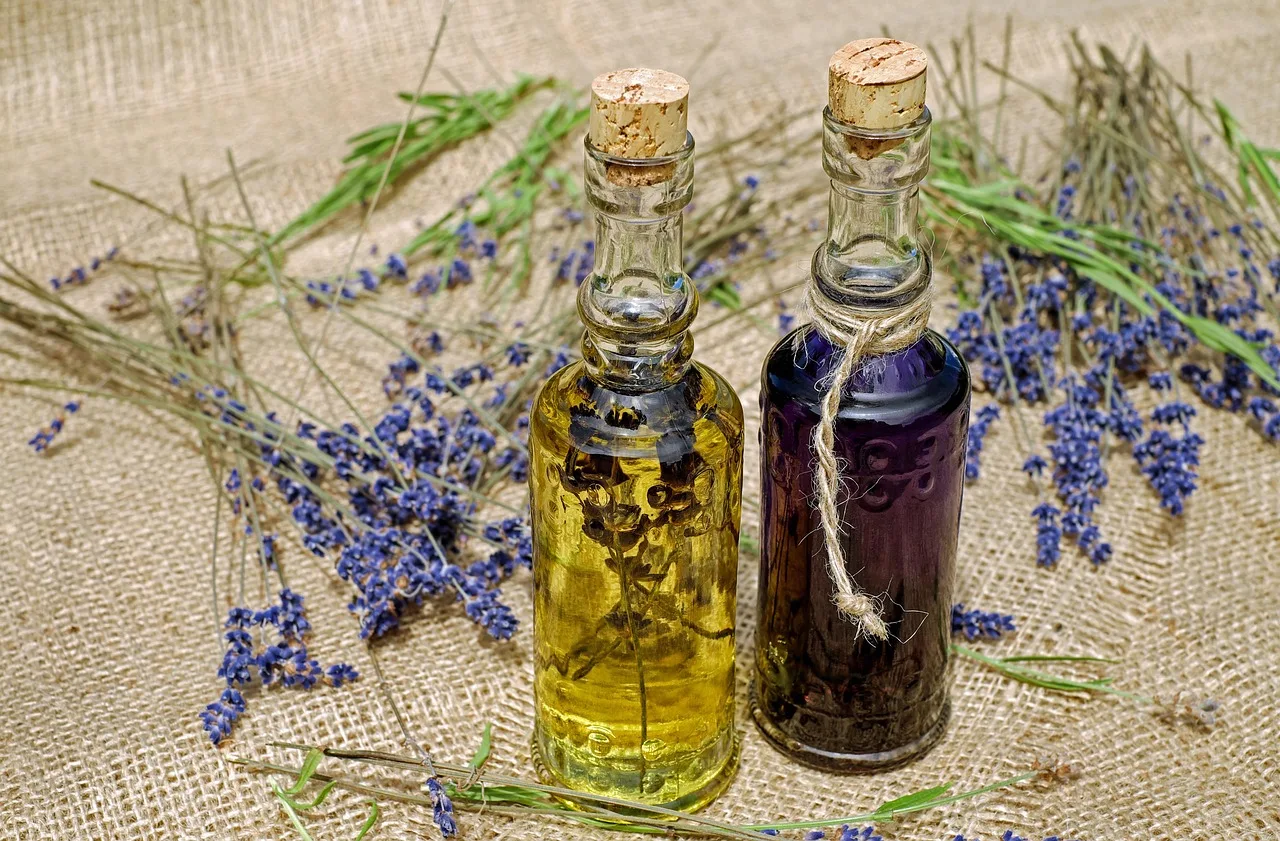
Görsel



Tanım
•comfortable, relaxing, soothing, comforting, calming
Diğer Dillerde
Almancabegrüßen, Begrüßung, behaglich, bequem, bewillkommnen, Empfang /bəˈɡʁyːsən/
to welcome
çekim: geçmiş begrüßte · ortaç begrüßt · şimdiki begrüßt · ulaç begrüßend
eş: empfangen, willkommen heißen, anerkennen, annehmen, akzeptieren, beipflichten
köken: From Middle High German begrüeȥen, from Old High German bigruoȥen, bigruoȥȥen, from Proto-West Germanic *bigrōtijan; equivalent to be- + grüßen. Cognate with German Low German begröten, Dutch begroeten, West Frisian begroetsje, English begreet.
aile: Begrüßer, Begrüßung, begrüßend, begrüßt
Das ist eine Erleichterung. — Bu rahatlatıcı.
Wir begrüßen euch auf unserer Webseite.
Fransızcaaccueillir, bienvenu, bienvenue, souhaiter la bienvenue /a.kœ.jiʁ/
to welcome, to accommodate · to host
çekim: geçmiş accueilli · ortaç accueilli · şimdiki accueille · ulaç accueillant
köken: Inherited from Old French acoillir, from Vulgar Latin *accolligere, from Latin ad- + colligere. Cognate with Catalan acollir, Italian accogliere, Occitan aculhir, Portuguese acolher, Spanish acoger.
C'est un soulagement. — Bu rahatlatıcı.
İspanyolca¡bienvenida!, ¡bienvenido!, a gusto, acogedor, acogida, agradable /a ˈɡusto/
at ease, comfortable
Los adultos lo encuentran reconfortante. — Yetişkinler rahatlatıcı bulur.
İtalyancaaccettare, accoglienza, accogliere, benvenuta!, benvenute!, benvenuti! /at.t͡ʃetˈta.re/
to accept, to admit · to go along with
çekim: geçmiş accettàto · ortaç accettàto · şimdiki accètta · ulaç accettànte
eş: accogliere, ammettere, gradire, prendere, ricevere, tenere con sé
köken: Learned borrowing from Latin acceptāre.
Che sollievo. — Bu rahatlatıcı.
Rusçaдобро́ пожа́ловать, жела́нный, комфорта́бельный, приве́тствие, приве́тствовать, приве́тствуем!
Какое облегчение. — Bu rahatlatıcı.
Arapçaأهلا, أَهْلًا بِكَ, أَهْلًا بِكِ, أَهْلًا بِكُمْ, أَهْلًا وَسَهْلًا, اِسْتَقْبِل /ʔah.lan/
as a kin, as a member of my kinfolk, in kindness
köken: Adverbial accusative of أَهْل (ʔahl).
aile: أَهْلًا وَسَهْلًا
.يالها من راحة — Bu rahatlatıcı.
حَلَلْتَ أَهْلًا وَوَطِئْتَ سَهْلًا
Farsçaخوش آمَدی, خوش آمَدید, خوش اومَدی, خوش اومَدین, راحت /raː.ˈhat/
comfort · repose
çekim: karşılaştırma راحتتَر · üstünlük راحتتَرین
köken: Borrowed from Arabic رَاحَة (rāḥa).
aile: راحتی
Azericexoş gəldin, xoş gəldiniz, xoş gəlmişsiniz! /χɔʃ ɡælˈdiniz/
welcome! (said to several people or to one person whom one addresses politely)
köken: Cognate with Kazakh қош келдіңіз (qoş keldıñız), Turkish hoş geldiniz (“you came well”), Kyrgyz кош келипсиз (koş kelipsiz), Uzbek xush kelibsiz (“you have come well”). Possibly a partial calque of Persian خوش آمدید (xoš âmadid, “welcome”).
Kazakçaқош келдің, қош келдіңіз
welcome
Özbekçemarhamat, xush kelibsiz
mercy, kindness, benevolence
çekim: çoğul marhamatlar · tamlayan marhamatning
köken: Borrowed from Arabic مَرْحَمَة (marḥama).
aile: marhamatli, marhamatsiz, marhamatsizlik
Tatarcaрәхим итегез
Felemenkçebegroeting, comfortabel, gemakkelijk, graag gezien, graag ontvangen, ontvangst (dişil) /bəˈɣrutɪŋ/
greeting (acknowledgement of a person's presence or arrival)
çekim: çoğul begroetingen
eş: groet
köken: From begroeten + -ing.
Dat is een opluchting. — Bu rahatlatıcı.
Portekizceaceitar, acolher, bem-vinda!, bem-vindas!, bem-vindo, bem-vindo! /a.sejˈta(ʁ)/
to accept · to receive
çekim: geçmiş aceitei · ortaç aceitado · şimdiki aceita
köken: From Old Galician-Portuguese aceitar, from Latin acceptāre. The short past participle is directly from accipere, the source of acceptāre.
Havia algo confortável em usar uma voz que não a minha. — Benim olmayan bir sesin rahatlatıcı bir tarafı vardı.
— Mas que havia elle de fazer, senão acceitar o offerecimento do marquez, visto não o deixarem voltar para o seu governo?
comfortable, spacious · easy-going, relaxed
köken: From Ancient Greek ἄνετος (ánetos).
Ευτυχώς. — Bu rahatlatıcı.
Japoncaいらっしゃい, いらっしゃいませ, うれしく思う, ようこそ, 安楽, 居心地のいい /iɾa̠ɕːa̠i/
come; go; be (imperative) · Interjection used to welcome someone's visit: welcome · Interjection used by stores to attract customers.
köken: Imperative form (命(めい)令(れい)形(けい) (meireikei)) of いらっしゃる (irassharu); shortening of いらっしゃいまし (irasshaimashi).
aile: いってらっしゃい
こちらへどうぞ — Bu rahatlatıcı.
Çinceхуанйин, 歡迎 /欢迎, 歡迎光臨 /欢迎光临, 迎接 /iŋ³⁵ t͡ɕi̯ɛ⁵⁵/
to meet, greet and welcome (someone); to pick up (a person) · to meet; to greet; to welcome
eş: 接, 招待, 應接, 应接, 款待, 歡迎
迎接甲己永遠的幸福
迎接甲己永远的幸福
welcome, please come on in
köken: The adverb (어서 (eoseo, “quickly”)) and the low formality - high politeness (두루높임 (durunopim)) form of 오다 (oda, “to leave”) with honorific.
다행이네요. — Bu rahatlatıcı.
comfortable, pleasant
çekim: karşılaştırma behagligare · üstünlük behagligast
zıt: obehaglig
köken: From Old Swedish behagheligh, from Middle Low German behagelik, from the verb behagen, from Old Saxon bihagon (“to please, be suitable”).
Det är en lättnad. — Bu rahatlatıcı.
Lehçemile widziany, nieskrępowany, powitanie, witać, witaj!, witajcie! /ˈmi.lɛ viˈd͡ʑa.nɘ/
welcome, well-received (gladly received)
köken: Literally, “pleasantly seen”.
To ulga. — Bu rahatlatıcı.
Ukraynacaвіта́ння, віта́ти, зру́чний, комфорта́бельний, комфо́ртний, ласка́во про́симо
А потім заспокійливим голос зламався мовчання. — Ve sonra rahatlatıcı bir ses kırdı sessizlik.
Hintçeअभिनंदन, अभ्यर्थना, आरामदेह, पधारो, पर्याप्त, सुखद (eril) /ə.bʱɪ.nən.d̪ən/
welcome, greeting
çekim: çoğul अभिनंदनों
köken: Learned borrowing from Sanskrit अभिनन्दन (abhinandana); equivalent to अभि- (abhi-) + नंदन (nandan).
Fincemukava, tervehtiminen, tervetullut, tervetuloa!, tervetulotoivotus, toivottaa tervetulleeksi /ˈmukɑʋɑ/
comfortable · nice, pleasant · affable, friendly, courteous, sociable, nice
çekim: karşılaştırma mukavampi · üstünlük mukavin
köken: muka- + -va (see mukaan for initial component)
aile: mukavasti, mukavoittaa, mukavoitua, mukavuus, epämukava, huippumukava
Sikari on toinen asia. — Puro, canlandırıcı ve rahatlatıcı.
Uudet istuimet ovat mukavat.
Onkos siellä mukavat oltavat?
Nämä kengät eivät tunnu mukavalta.
comfortable
çekim: karşılaştırma pohodlnější · üstünlük nejpohodlnější
eş: útulný, příjemný, komfortní, lehký, jednoduchý, snadný
zıt: nepohodlný
köken: From pohodlí + -ný.
Dospělým přijde uklidňující. — Yetişkinler rahatlatıcı bulur.
Rumencebine ai venit, bine ai venit!, bine ați venit!, binevenit, bun venit, comod
welcome
köken: From bine + venit. Calque of French bienvenu.
Ce usurare. — Bu rahatlatıcı.
to receive (optionally: as something -ul/-ül, -vá/-vé or -nak/-nek) · to welcome (to affirm or greet the arrival of someone or something) · to bet, wager (with someone: -val/-vel, on something: -ba/-be) (to stake or pledge upon the outcome of an event)
çekim: geçmiş fogadtak
köken: First attested in the early 13th century. From the verb fog + -ad (instantaneous verb-forming suffix).
aile: fogadalom, fogadatlan, fogadás, fogadkozik, fogadtatás, befogad, elfogad, felfogad, fölfogad, lefogad
Ez frissítő, ugye? — Rahatlatıcı, değil mi?
Javaslatunkat lelkesedéssel fogadták.
İbranice!בָּרוּךְ הַבָּא, !ברוכה הבאה, !ברוכות הבאות, !ברוכים הבאים, ברוך הבא, ברוכה הבאה (eril)
welcome
köken: בָּרוּךְ (barúkh, “blessed [is]”) + הַבָּא (habá, “he who comes”)
.זו הקלה — Bu rahatlatıcı.
Latinceacceptus, adventu festum ago, alicuius adventu festum agere, alicuius adventu festum ago, amicus, benevente!
received, having been accepted, accepted · welcome, agreeable, acceptable · credited
köken: Perfect passive participle of accipiō (“receive, accept”).
aile: acceptum
Dancabehagelig, bekvem, byde velkommen, kærkommen, komfortabel, velkommen
pleasant, agreeable · comfortable · pleasurable
çekim: karşılaştırma behageligere · üstünlük behageligst
köken: From behage + -lig.
aile: behagelighed, ubehagelig
Og så en beroligende stemme brød stilhed. — Ve sonra rahatlatıcı bir ses kırdı sessizlik.
Etimoloji
rahatlat- (“to relax”) + -ıcı.
Örnek Cümleler
Bu rahatlatıcı.
This is relaxing.
Bu rahatlatıcı.
That's a relief.
Ne rahatlatıcı !
That's a relief!
O çok rahatlatıcı.
That's very comforting.
Bu çok rahatlatıcı.
It's very relaxing.
Oh, bu rahatlatıcı.
Oh, it's a relief.
Rahatlatıcı, değil mi?
It is refreshing, right?
Hımm? [S]: Rahatlatıcı.
I don't have to be anybody.
Rahatlatıcı bir tarzı var.
It has a moderate relief.
Onu rahatlatıcı bulmuyorum.
I don't find that comforting.
Bu rahatlatıcı bir düşünce.
That's a comforting thought.
Yetişkinler rahatlatıcı bulur.
Adults find it comforting.
İlgili Sorular
İlgili / Bileşik Terimler
Genelcomfort women