Sözlük
/oğul
oğul
/oˈuɫ/
noun
B2 seviye
TR → EN
"oğul" kelimesinin İngilizcesi: son, scion, son. Anlamı, çevirisi, telaffuzu ve örnek cümleler aşağıdadır.
Çeviri
Tarımsonnoun
Genelscion
Genelson
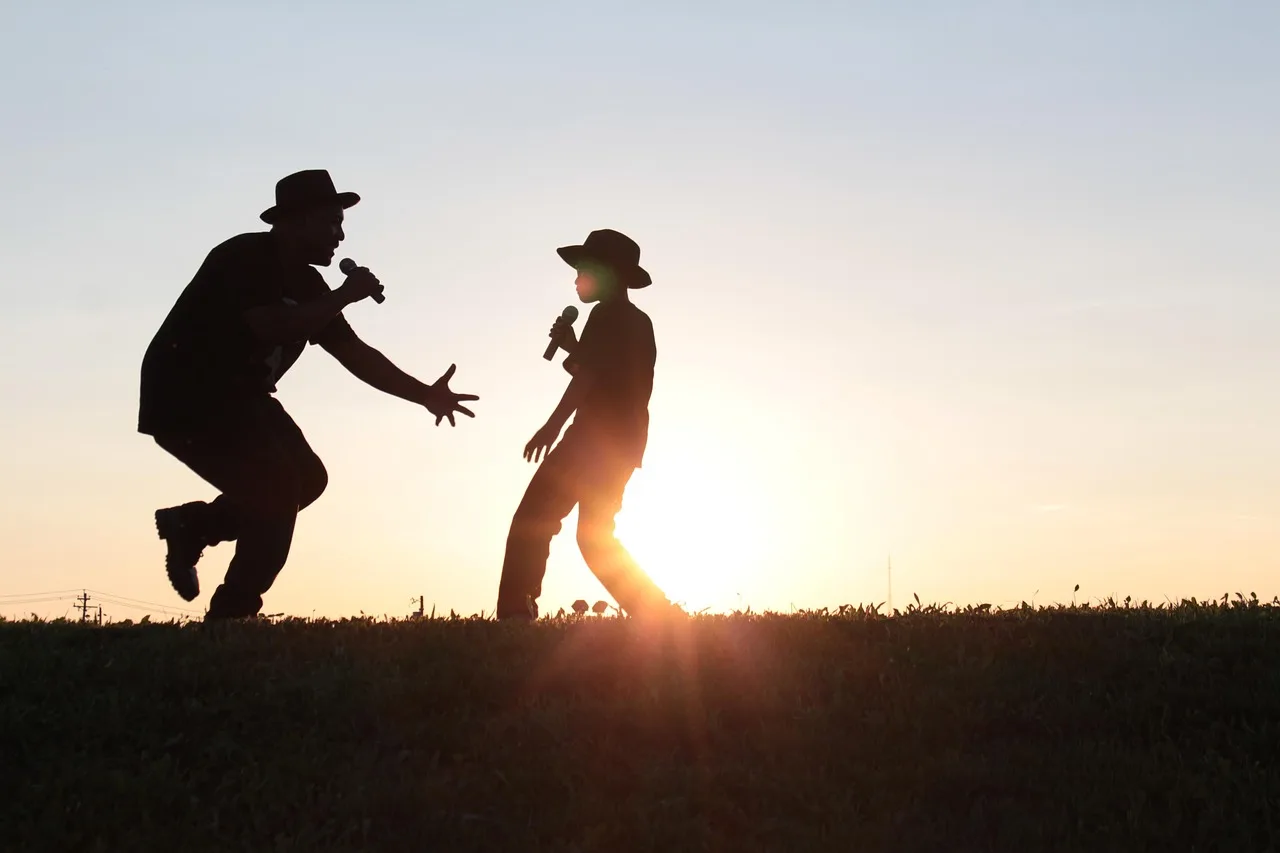
Görsel



Çekim Tablosu
Belirtme (-i)oğlu
Yönelme (-e)oğla
Bulunma (-de)oğulda
Çıkma (-den)oğuldan
Tamlayan (-in)oğlun
Çoğul (-ler)oğullar
Tanım
•bazı kelimelerin anlamını pekiştirmek için kullanılan söz
•bir ana arıyla birlikte kovandan ayrılan, yeni yetişmiş arı topluluğu
•Bir erkek adı. erkek ad
•erkek evlat
•Hakkari ili Merkez ilçesine bağlı köy
•yaşlı kimselerin genç erkeklere söylediği bir seslenme sözü
•Bir ana arıyla birlikte kovandan ayrılan, yeni yetişmiş arı topluluğu
•Yaşlı kimselerin genç erkeklere söylediği bir seslenme sözü
Atasözü & Deyim
“Baba kırk oğul beslemiş, kırk oğul bir babayı beslememiş”
“Oğlanınki oğul balı, kızınki bahçe gülü”
“Çam ağacından ağıl olmaz, el çocuğundan oğul olmaz”
“Baba oğluna bir bağ bağışlamış; oğul babaya bir salkım üzüm vermemiş”
Diğer Dillerde
Almancasohn (eril) /zoːn/
männlicher, direkter Nachkomme
çekim: çoğul Söhne · tamlayan Sohnes
eş: Bub, Bube, Bursche, Junge, Knabe
köken: From Middle High German sun, from Old High German sunu, from Proto-West Germanic *sunu, from Proto-Germanic *sunuz, from Proto-Indo-European *suHnús. Compare German Low German Söhn, from Middle Low German sone, from Old Saxon sunu. Compare Dutch zoon, English son, Danish søn, Norwegian Bokmål sønn, Norwegian Nynorsk son, Swedish son, Yiddish זון (zun), Gothic 𐍃𐌿𐌽𐌿𐍃 (sunus).
aile: Hurensohn, Sohnemann, Uhrensohn
Bereits unter seinen Söhnen teilte sich die Familie ein erstes Mal. — Önce dedi ki: Oğul!
Biß muthig, Sohn; […]
Lieber Sohn! Biß göttsfürchtig, beth Morgens und Abends fleißig, gedenk in all deim Thun an Gott.
Fransızcafils, Garçon, fils (eril) /fis/
any male descendant · any direct descendant, male or female · Jr. (postnominal designator indicating a son with the same name as the father)
eş: fiston
zıt: fille, père
köken: Inherited from Old French fils, fiz, fil, from Latin filius (“son”). Cognate to Spanish hijo, Portuguese filho, , Italian figlio and Romanian fiu, among others. Final -s regularly became mute before consonants in late Old French but was then still pronounced in pausa. In the 18th century, these pausal forms widely fell out of use; they remained, however, as variants in a small number of words…
aile: fils à papa, Fils de Dieu, Fils de l'homme, fils de putain, fils de pute, Fils du Ciel, fils prodigue, fils unique, tel père, tel fils
(Ier règne), fils du précédent. — Önce dedi ki: Oğul!
İspanyolcadescendiente, heredero, hijo, Hijo, hijuelo, púa /desθenˈdjente/
descendant · offspring
çekim: çoğul descendientes
eş: sucesor
köken: From descender + -iente.
aile: afrodescendiente
Trabaja con niños. — Oğullarıyla tartıştı.
İtalyancadiscendente, erede al trono, figlio, Figlio, figliolo, pollone /diʃ.ʃenˈdɛn.te/
present participle of discendere
çekim: çoğul discendenti
eş: in discesa, calante, decrescente, in diminuzione, in calo, tramontante
köken: From Latin dēscendentem.
Il secondo figlio. — İkinci oğul.
descendant, offspring, progeny, scion
çekim: çoğul пото́мки · tamlayan пото́мка
köken: Inherited from Proto-Slavic *potomъkъ.
«О сын праха! — Önce dedi ki: Oğul!
Arapçaٱَلِٱبْنُ, اِبْن
الابن : لماذا؟ — Oğul: Neden?
Farsçaبَچَه, بَچَّه, پِسَر, پور, فَرْزَنْد /ˈpuːr/
(black) francolin, Francolinus francolinus
köken: Borrowed from Bactrian πορο (poro), πουρο (pouro, “son”), from Proto-Iranian *puθráh. Compare Sogdian [script needed] (puric, “lady”), also a Bactrian borrowing. Akin to Avestan 𐬞𐬎𐬚𐬭𐬀 (puθra), Parthian 𐭁𐭓𐭉 (BRY /puhr/). Previously considered a Parthian borrowing.
Azericeoğul /oˈɣuɫ/
çekim: çoğul oğullar · tamlayan oğlun
zıt: qız, ana, ata
köken: Inherited from Old Anatolian Turkish اوغل (oġul), from Proto-Turkic *ogul (“son”).
aile: bibioğlu, dayıoğlu, xalaoğlu, əmioğlu, eloğlu, oğul-uşaq, oğulcuğaz, oğulcuq, oğulluq
Özbekçeoʻgʻil /o.ʁil/
çekim: çoğul oʻgʻillar · tamlayan oʻgʻilning
köken: Inherited from Proto-Turkic *ogul.
Tatarcaул
successor
çekim: çoğul opvolgers
köken: From opvolgen + -er.
aile: troonopvolger
Hij is de oudste zoon. — O, en büyük oğul.
Portekizcefilho (eril) /ˈfi.ʎu/
son (male offspring) · child (offspring of any sex) · term of address for a younger male; son
çekim: çoğul filhos
köken: Inherited from Old Galician-Portuguese filho (“son”), from Latin fīlius (“son”), from Old Latin fīlios (“son”), from Proto-Indo-European *dʰeh₁y-li-os (“sucker”), a derivation from the verbal root *dʰeh₁(y)- (“to suck”). Compare Galician fillo, Spanish hijo and Sicilian figghiu.
aile: filhão, filhinho, filho da mãe, filho da puta, filho de Deus, filho de santo, meu filho
Filho de d. — Oğul (d.
shoot, sprout (of plant) · scion (plant shoot detached during grafting) · scion (child or descendant)
çekim: çoğul βλαστοί · tamlayan βλαστού
eş: απόγονος
köken: From Ancient Greek βλαστός (blastós, “shoot, embryo”), formed from βλᾰστᾰ́νω (blăstắnō, “sprout, bud”).
Κοιτάει τα παιδιά του. — Oğullarıyla tartıştı.
Çinceэрзы, 兒子 /儿子, 後生 /后生, 後的 /后的, 養子 /养子
帝曰:“诏书许子孙嗣。 — Önce dedi ki: Oğul!
Korece아들 /a̠dɯɭ/
결혼한 남녀 사이에서 태어난 남자 아이.
eş: 남아, 동자
köken: First attested in the Jīlín lèishì (鷄林類事 / 계림유사), 1103, as Late Old Korean 丫妲 (Yale: *àtól), probably a compound of an ancient root for "son" *àt- + suffix *-ól; compare Jilin leishi 寶妲 (Yale: *pòtól, “daughter”), apparently equivalent to *pòt- + *-ól, whence modern 딸 (ttal, “daughter”). In the hangul script, first attested in the Yongbi eocheon'ga (龍飛御天歌 / 용비어천가), 1447, as Middle Korean 아ᄃᆞᆯ〮…
aile: 아드님
정인지의 둘째 아들. — İkinci oğul.
아들이 딸보다 키가 큽니다.
a descendant (of some person, usually through several generations)
çekim: çoğul ättlingar · tamlayan ättlings
köken: ätt + -ling
Frökens pojke. — İkinci oğul.
scion (young plant shoot or young plant) · sprig (youth) · scion (descendant)
çekim: çoğul latorośle · tamlayan latorośli
köken: Etymology tree Proto-Slavic *lětoorstlь Polish latorośl Inherited from Proto-Slavic *lětoorstlь. By surface analysis, lato + -o- + rosły.
Pogadanki z dziećmi. — Oğullarıyla tartıştı.
masculine singular past indicative of побі́гти pf (pobíhty)
Він найстарший син. — O, en büyük oğul.
köken: Borrowed from Classical Persian پِسَر (pisar), پُسَر (pusar). Cognate of Sanskrit पुत्र (putra). Doublet of पूत (pūt) and पुत्र (putra).
Fincejaloverso, kasvatti, kruununperijä, lapsi, oksas, ottopoika /ˈjɑloˌʋerso/
A scion (detached shoot or twig containing buds from a woody plant, used in grafting).
çekim: çoğul jaloversot · tamlayan jaloverson
köken: jalo (“noble”) + verso (“shoot”)
Katupoika lasten asialla. — Oğullarıyla tartıştı.
Çekçesyn (eril) /ˈsɪn/
potomek mužského pohlaví
çekim: çoğul synové · tamlayan syna
eş: synek, synátor
köken: Inherited from Old Czech syn, from Proto-Slavic *synъ, from Proto-Balto-Slavic *sū́ˀnus, from Proto-Indo-European *suHnús.
aile: synáček, synek, synovec, synovský, zkurvysyn, zlosyn
Herrmann & synové. — John Wiley ve Oğulları.
Rumencefiu, mlădiță, moștenitor, vlăstar (eril) /fiw/
first-person singular present subjunctive of fi
çekim: çoğul fii · tamlayan fiului
köken: Inherited from Latin fīlius. Unrelated to Hungarian fiú (of Uralic origin) despite being almost identical in pronunciation and meaning.
aile: fiuleț, fiuț, înfia
Fiu (n./d. — Oğul (d.
Eu sunt fiul ei.
Au doi fii.
Astăzi e ziua de naștere a fiului meu.
first-person singular single-possession possessive of fiú
köken: From the fi variant of fiú (“boy, son”) + -am (possessive suffix).
Dicsekedni akart a fiaival. — Oğullarıyla tartıştı.
Ez a fiam.
A direct male descendant. · A guy, a boy. · Possessor of (knowledge, ability, etc.)
çekim: çoğul בָּנִים
köken: From Proto-Semitic *bin-. The unchanged form can still be found as a construct in certain proper nouns like יְהוֹשֻׁעַ בִּן־נוּן (“Joshua son of Nun”) or בִּנְיָמִין (“Benjamin”).
aile: בֶּן אָדָם, בֵּן אַחַר בֵּן, בֶּן אֱנוֹשׁ, בֶּן בַּיִת, בֶּן בְּלִיַּעַל, בֶּן בְּרִית, בֶּן גִּיל, בֶּן דּוֹד, בֶּן הַזְּמַן, בֶּן זוּג
בן: למה? — Oğul: Neden?
בן אדם
בן ישראל
בן דעת
a son · any male descendant · children
çekim: çoğul fīliī · tamlayan fīliī
eş: nātus
köken: Etymology tree Proto-Indo-European *dʰeh₁(y)- Proto-Indo-European *-yós Proto-Indo-European *dʰh₁ilyós Proto-Italic *θīlios Proto-Italic *fīlios Latin filius Inherited from Proto-Italic *fīlios, *feilios (the Latin can reflect either one, but Faliscan 𐌅𐌉𐌋𐌄𐌏 (fīleo, hīleo), if original and not modeled on Latin fīlius, would point to *fīl-), from earlier *θeilios, from *dʰeh₁i-l-yo-s (“sucker”), a…
aile: affīliō, fīlia, fīliālis, fīliaster, fīlietās, fīliolus, prōfīlius
Ubī̆ est noster fīlius?
Fílius meus ín me incedit [éccum] sat hilará schema.
Etimoloji
Inherited from Ottoman Turkish اوغل (oğul), from Old Anatolian Turkish اوغل (oġul), from Proto-Turkic *ogul (“son”).
Eş & Zıt Anlamlılar
Örnek Cümleler
İkinci oğul.
The second son.
Ey oğullarım!
"O my sons!
"Ey oğulcuğum!
“O my son!
"Ey Oğullarım!
"O my sons!
O, en büyük oğul.
He's the oldest son.
Oğul, aptal olma!
Son, don't be foolish!
Oğullarım büyüdü.
My sons have grown up.
Oğulları bahçede.
Her sons are in the garden.
Ey Adem oğulları!
O Descendants of Adam!
Ey Âdem oğulları!
O Descendants of Adam, beware!
"Ey Adem oğulları!
“O Descendants of Adam!
Lykaon'un Oğulları
Sons of Lycaon
İlgili Sorular
Tanrı kaç tane "oğul" olarak adlandırılıyor? Kutsal Kitap'taki "oğul" kelimesinin anlamı nedir?
Tanrı'nın kaç oğlu vardır? İncil'de "oğul" kelimesi gerçekten "oğul" anlamına mı geliyor?
Tanrı'nın kaç "oğul"u var? Kutsal Kitap'ta "oğul" kelimesi gerçek anlamını koruyor mu?
Bebek oğul için güzel isim önerileri var mı?
Baba‑oğul basketbol organizasyonu hazırlamak istiyorum, nelere dikkat etmeliyim?
İlgili / Bileşik Terimler
Genellemon balm
Genellemon balm