Sözlük
/korkutucu
korkutucu
adj
B1 seviye
TR → EN
"korkutucu" kelimesinin İngilizcesi: frightening, breathless, frightening, lurid, frightening. Anlamı, çevirisi, telaffuzu ve örnek cümleler aşağıdadır.
Çeviri
Genelfrighteningadj
Genelbreathless
Genelfrightening
Genellurid
Genelfrightening
Genelfrightening
Görsel
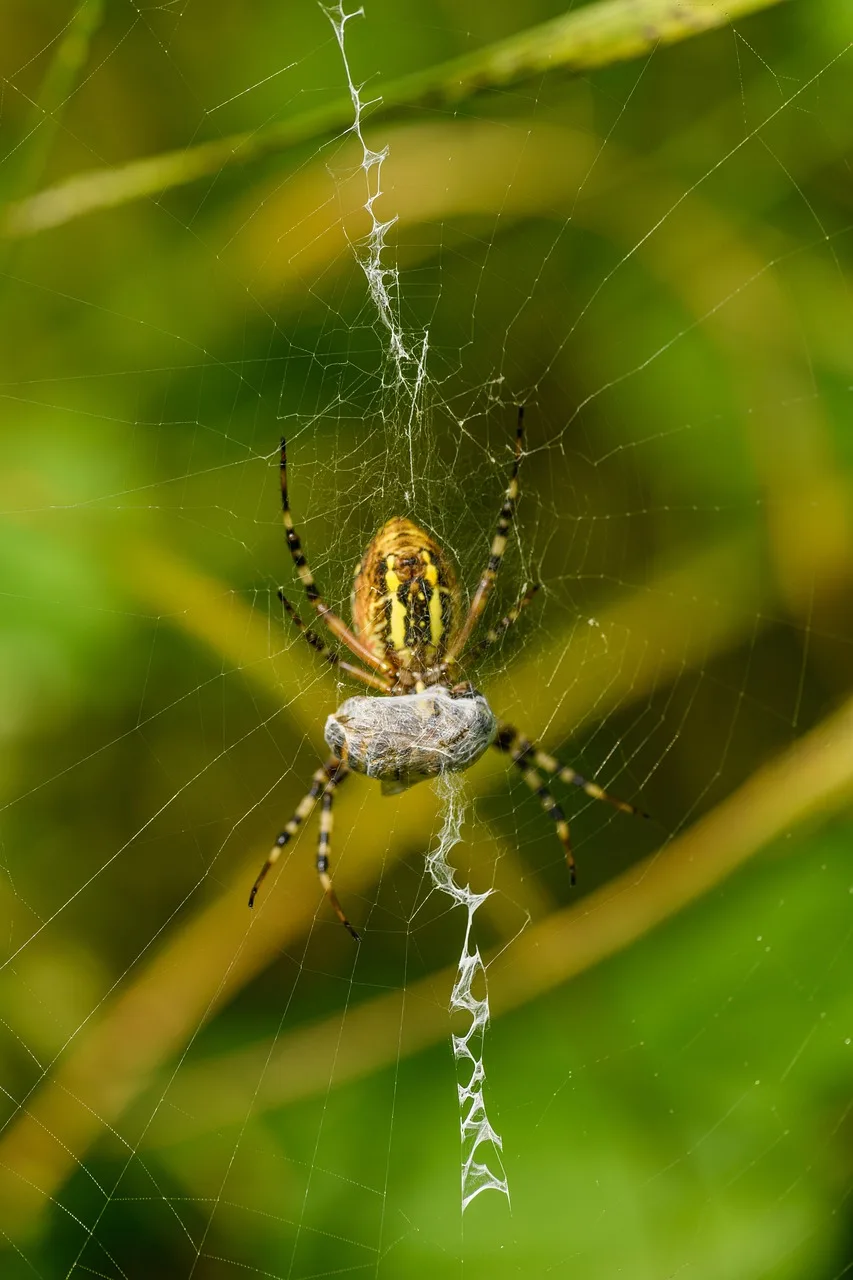


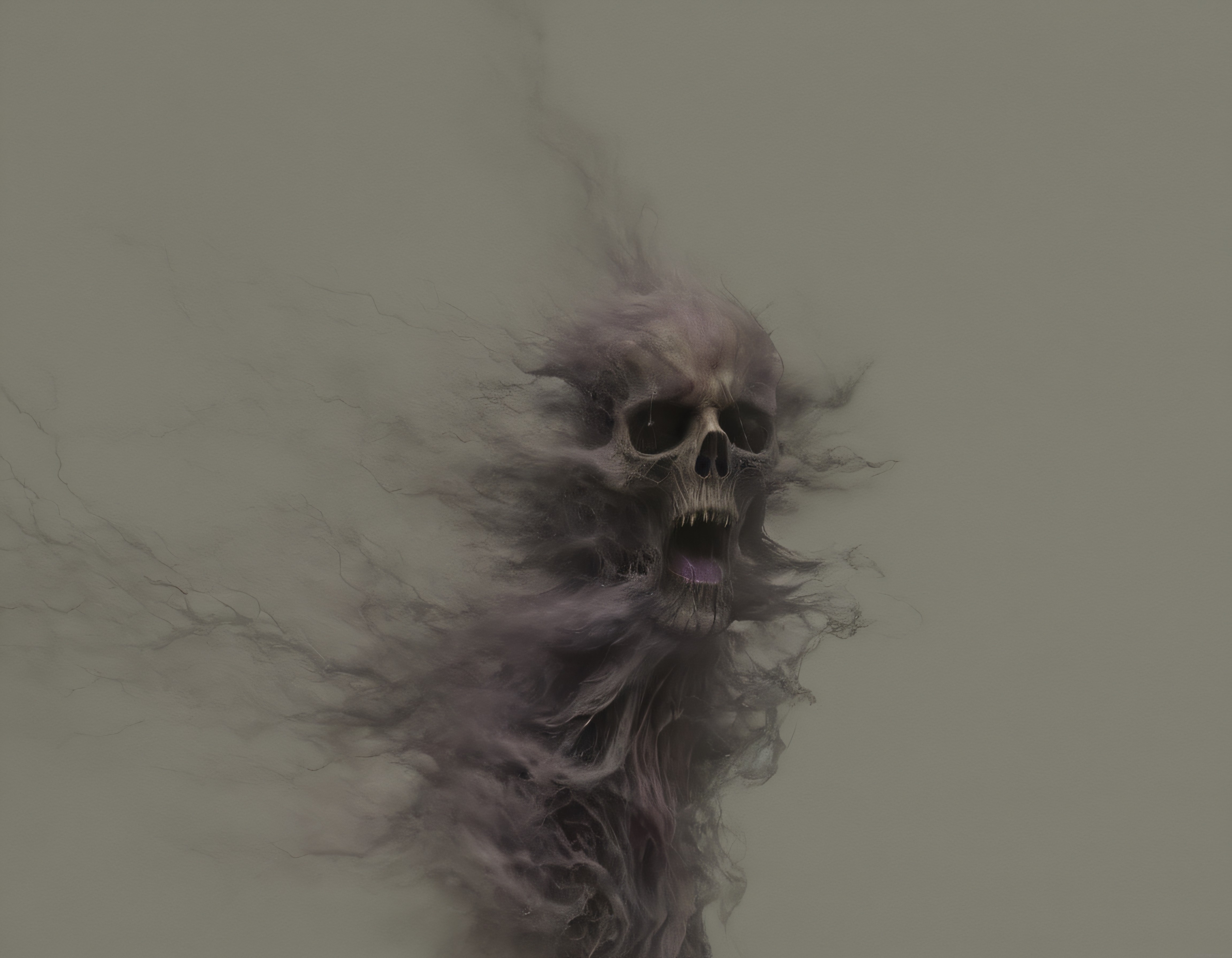
Çekim Tablosu
Çoğul (-ler)korkutucular
Tanım
•Korku veren
Diğer Dillerde
Almancaatemlos, fürchterlich, schreckerregend /ˈʔaːtəmˌloːs/
breathless · full of anticipation, excitement
çekim: karşılaştırma atemloser · üstünlük am atemlosesten
köken: Atem (“breath”) + -los (“-less”)
aile: Atemlosigkeit
Das ist beängstigend. — Bu korkutucu.
Fransızcaeffrayant /e.fʁɛ.jɑ̃/
causing fear, fearful, frightening
eş: effroyable, glaçant, considérable, extraordinaire, immense, terrible
aile: effrayamment
C'est très effrayant — Çok korkutucu
İspanyolcaamedrantador, amedrantante, amedrentador, amedrentante, asustador, asustante /amedɾantaˈdoɾ/
frightening
Aterrador. — Bu korkutucu.
İtalyancaspaventoso /spa.venˈto.zo/
frightful, dreadful, frightening, terrible, horrible · incredible, fantastic, tremendous, huge · appalling, parlous
eş: agghiacciante, atroce, bruttissimo, orrendo, pauroso, terribile
köken: From spavento + -oso.
aile: spaventosamente, spaventosità
E' spaventoso. — Bu korkutucu.
Rusçaпугающий, наводящий страх
Это страшно. — Bu korkutucu.
Arapçaمُجَفِّل, مُخِيف, مُرْعِب
ان هذا خطرٌ جداً — Bu korkutucu.
Felemenkçeafschuwelijk, angstaanjagend, beangstigend, ontstellend /ɑfˈsxyu̯ələk/
heinous, horrible
çekim: karşılaştırma afschuwelijker · üstünlük afschuwelijkst
eş: verschrikkelijk, erg
köken: From afschuwen + -lijk.
Dat is pas eng. — Bu korkutucu.
Portekizceassustador, ofegar /a.sus.taˈdoʁ/
frightening; scary; frightful
çekim: çoğul assustadores
köken: From assustar + -dor.
aile: assustadoramente
É assustador. — Bu korkutucu.
Yunancaάπνους, ξέπνοος, τρομακτικός, φοβιστικός /ˈa.pnus/
dated synonym of άπνοος (ápnoos) chiefly in the sense "breathless, lifeless"
eş: ξέπνοος
köken: Learned borrowing from Ancient Greek ἄπνους (ápnous), contracted form of ἄπνοος (ápnoos) -modern άπνοος (ápnoos). By surface analysis, ά- (á-, alpha privative) + -πνους (-pnous, “of breath”) for which see -πνοος (-pnoos), πνοή (pnoḗ) and πνέω (pnéō).
Αυτό είναι τρομακτικό. — Bu korkutucu.
frightening, scary, terrifying · frightened, scared, afraid · creepy for its mysterious ability
köken: Semantic shift from Classical Japanese 強(こは)し (kofashi, “stiff, strong, tough”), modern 強(こわ)い (kowai). A folk etymology from the Ehon Hyaku Monogatari derives it from 狐(こ)者(わ)異(い) (kowai, literally “ghost of a glutton”).
aile: 怖さ
しかし、もっと悪いのです。 — Bu korkutucu.
幽霊は怖い。
あとが怖い
どうした 怖いのか?
to be fearful, to be scared
eş: 무섭다
köken: First attested in the Seokbo sangjeol (釋譜詳節 / 석보상절), 1447, as Middle Korean 두립〮다〮 (Yale: twùlíptá).
무서운 일이 일어나겠죠. — Bu korkutucu.
needing to breathe heavily, in particular due to physical exertion; out of breath, breathless, winded, etc.
çekim: karşılaştırma andfåddare · üstünlük andfåddast
Det här är skrämmande. — Bu korkutucu.
Han blev andfådd av att springa uppför backen
Lehçeokropny, przerażający, straszny /ɔˈkrɔp.nɘ/
awful, horrible, terrible · terrific, tremendous · abominable, horrid
çekim: karşılaştırma okropniejszy · üstünlük najokropniejszy
eş: wstrętny, straszny, okropnisty, okroperny, okropeczny, okropiczty
köken: Etymology tree Old Polish hokropny, okropny Polish okropny Inherited from Old Polish hokropny, okropny. By surface analysis, okropić + -ny.
aile: okropieństwo, okropnica, okropność, okropnota
To jest straszne. — Bu korkutucu.
Ukraynacaжа́хливий
Це страшно. — Bu korkutucu.
Hintçeभुतहा /bʱʊ.t̪ʰɑː/
inhabited or possessed by spirit(s); pertaining to the frightening supernatural · eerie, spooky, ghostly · bewitched
köken: From Sanskrit भूत (bhūta).
भुतहा महल
Fincehengästynyt, hengetön, henkeäsalpaava, hirvittävä, karmiva, kauhea /ˈheŋːæstynyt/
breathless, gasping, out of breath
çekim: karşılaştırma hengästyneempi · üstünlük hengästynein
aile: hengästyneesti
Hän oli erittäin rauhallinen. — O korkutucu sakindi.
Rumenceînfricoșător, înspăimântător
frightening
köken: From înfricoșa + -ător.
Asta e înspăimântător. — Bu korkutucu.
Macarcafélelmetes /ˈfeːlɛlmɛtɛʃ/
frightening
çekim: karşılaştırma félelmetesebb · üstünlük legfélelmetesebb
köken: From the verb fél (“to fear”). Created during the Hungarian language reform, which took place in the 18th–19th centuries.
Ez ijesztő. — Bu korkutucu.
Latinceexanimis, metūculōsus, terribilis /ɛkˈsa.nɪ.mɪs/
dead, lifeless · breathless, as if near death, resulting from fear or terror; fainting · terrified, dismayed
zıt: vīvus
köken: From ex- + animus + -is.
Bulgarcaбездиханен, задъхан, задъхващ се, неподвижен, със затаен дъх
Това е страшно. — Bu korkutucu.
Galiçyacaaterrecedor, noxento /noˈʃento̝/
loathsome · disgusting, repugnant
köken: From noxo + -ento. Cognate with Portuguese nojento.
İrlandacascanrúil, scéiniúil
frightful (full of that which causes fright), frightening, scary, fearsome, fearful, formidable, grisly, terrifying · startling · easily frightened, fearful
çekim: karşılaştırma scanrúla · üstünlük is scanrúla
köken: From scanradh + -úil.
Ermeniceանշունչ /ɑnˈʃunt͡ʃʰ/
breathless, lifeless, inanimate · inanimate
çekim: üstünlük ամենաանշունչ
zıt: շնչավոր
köken: Learned borrowing from Old Armenian անշունչ (anšunčʻ), from ան- (an-) + շունչ (šunčʻ).
Gürcüceამაღელვებელი, დამზაფრავი, შემაშინებელი /ämäʁe̞lʷe̞be̞li/
alarming, emotive, stirring
çekim: karşılaştırma უფრო ამაღელვებელი · üstünlük ყველაზე ამაღელვებელი
Esperantoanhela, senspira /anˈhela/
out of breath, breathless, panting, puffing, gasping for breath
köken: Etymology tree Esperanto anheli Esperanto -a Esperanto anhela From anheli + -a.
Per anhela voĉo li diris al mi ĉion.
Afrikancaasemloos
Marathiceनिष्प्राण, श्वास रोकणारा, श्वास रोकणारी, श्वास रोकणारे
Etimoloji
korkut- (“to frighten”) + -ucu.
Örnek Cümleler
O korkutucu.
That's scary.
Bu korkutucu.
This is scary.
Ne korkutucu?
What's scary?
Çok korkutucu
It's very scary
Bu korkutucu.
That's scary.
Tom korkutucu.
Tom is scary.
Çok korkutucu.
Very scary.
Doğa korkutucu.
Nature is scary.
O korkutucuydu.
That was scary.
O çok korkutucu.
That is too scary.
Sen korkutucusun.
You're scary.
Tom korkutucuydu.
Tom was scary.