Sözlük
/küf
küf
"küf" kelimesinin İngilizcesi: rot, blight, mildew, mold, mildew. Anlamı, çevirisi, telaffuzu ve örnek cümleler aşağıdadır.
Çeviri
Genelrot
Genelblight
Genelmildew
Genelmold
Genelmildew
Genelmold
Genelmildew
Görsel
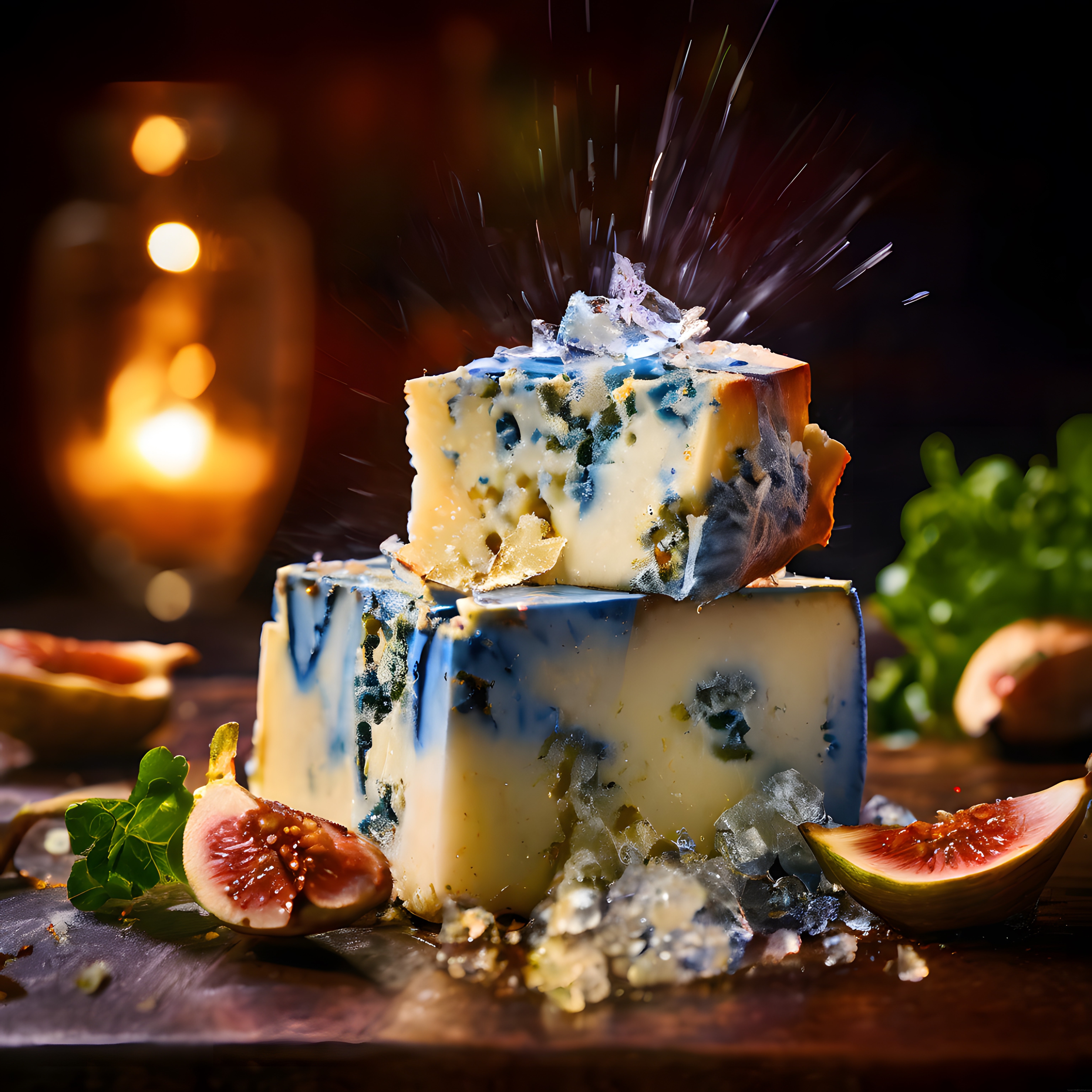
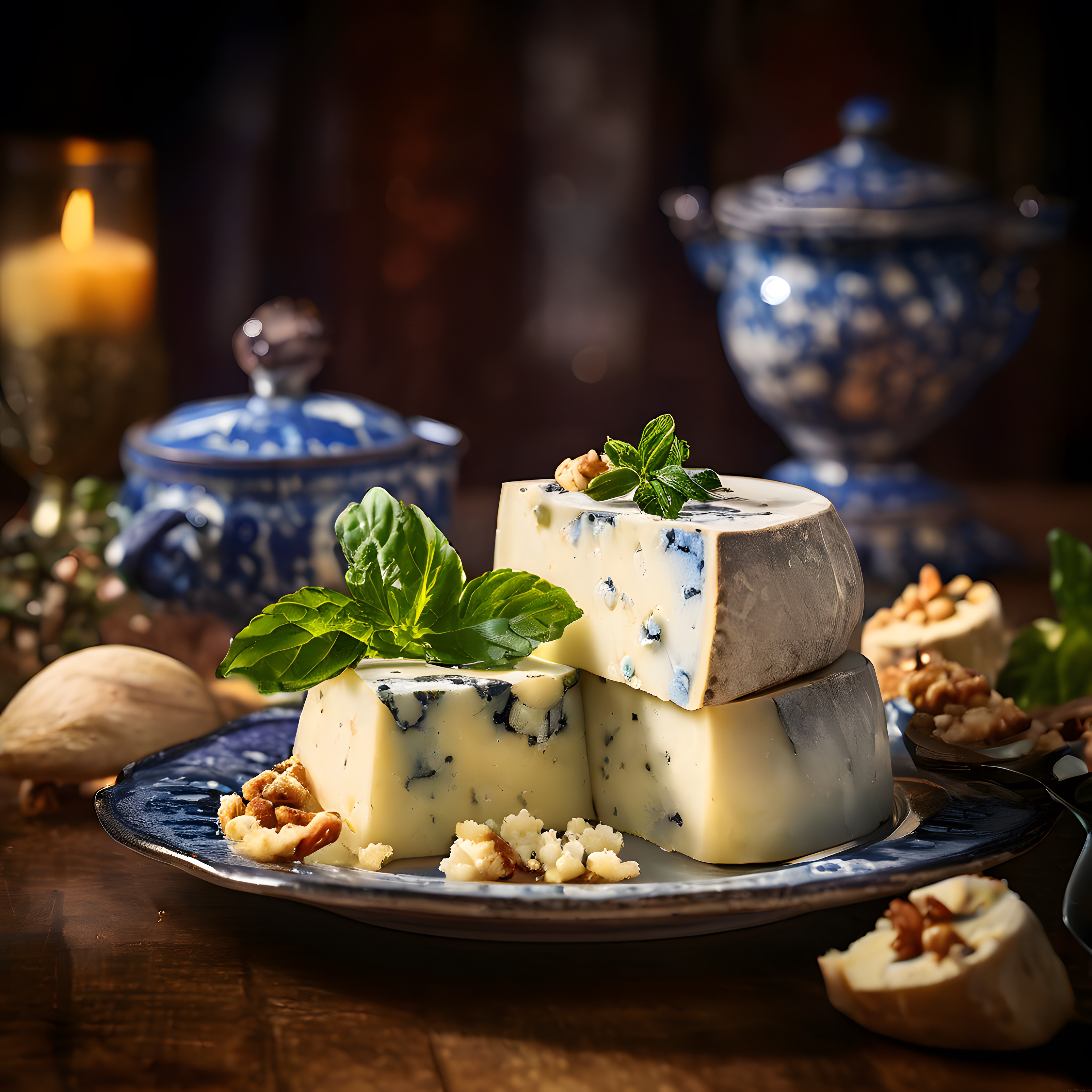
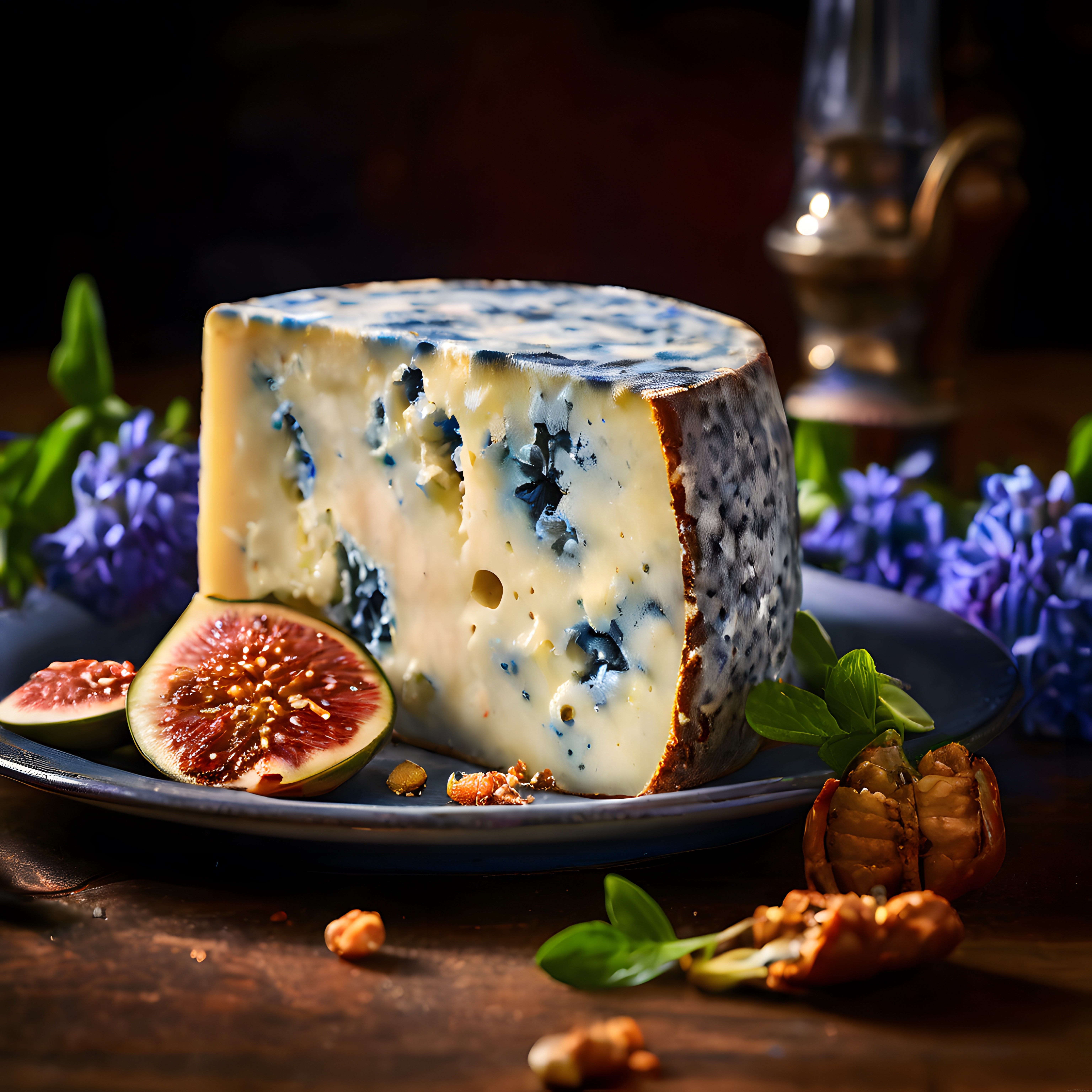
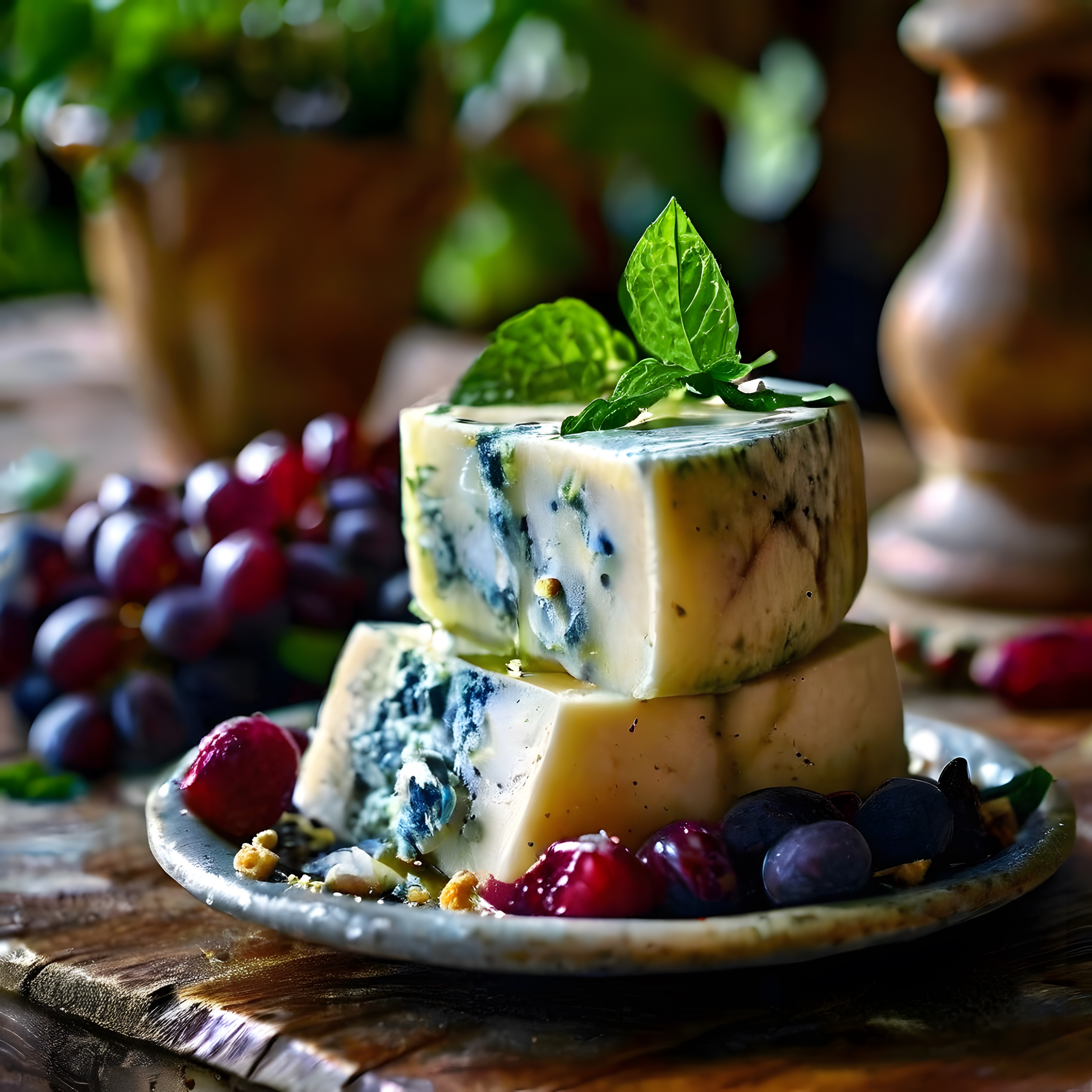
Çekim Tablosu
Belirtme (-i)küfü
Yönelme (-e)küfe
Bulunma (-de)küfte
Çıkma (-den)küften
Tamlayan (-in)küfün
Çoğul (-ler)küfler
Tanım
•ekmek, peynir gibi organik maddelerin üzerinde, nem ve ısının etkisiyle oluşan, çoğu yeşil renkli mantar
•pas
•Ekmek, peynir vb. organik maddelerin üzerinde, nem ve ısının etkisiyle oluşan, çoğu yeşil renkli mantar
Atasözü & Deyim
“Kalaylı bakır küflenmez”
Diğer Dillerde
Almancafaulen, Form, formen, Gestalt, Gussform, in Fäulnis übergehen /ˈfaʊ̯lən/
to rot (become decomposed by microorganisms)
çekim: geçmiş faulte · ortaç gefault · şimdiki fault · ulaç faulend
eş: ausfaulen, durchfaulen, faul werden, in Fäulnis, Gärung, Verwesung übergehen
köken: From Middle High German fūlen, vūlen, from Old High German fūlēn, from Proto-West Germanic *fūlijan (“to become foul; rot; decay”).
aile: abfaulen, anfaulen, ausfaulen, durchfaulen, verfaulen, wegfaulen
Schimmelformen — Küf Çeşitlilikleri
Fransızcamildiou, moisissure f moisi, moule, pourrir (eril) /mil.dju/
mildew (growth of minute fungi)
köken: Borrowed from English mildew.
Variétés formées — Küf Çeşitlilikleri
İspanyolcaahormar, ahormarse, amohecer, amohecerse, amohosarse, amoldar /aoɾˈmaɾ/
to fit, to shape, to mold · to adjust · to break in
çekim: geçmiş ahormé · ortaç ahormado · şimdiki ahorma
eş: amoldar, adaptar, acomodar
köken: From a- + horma + -ar.
Variedades de molde — Küf Çeşitlilikleri
İtalyancacalco, dare la forma, imputridire, marcire, modellare, muffa (eril) /ˈkal.ko/
cast (of sculpture) · tracing (of a design) · literal loan translation, calque (calco semantico), loanword
çekim: çoğul calchi
eş: impronta, sagoma, forma, modello, stampo, copia
köken: From calcare. In the sense “loan translation”, however, probably a semantic loan from French calque.
Varietà modello — Küf Çeşitlilikleri
Rusçaплесень (dişil) /ˈplʲesʲɪnʲ/
mildew, mold, must
çekim: çoğul пле́сени · tamlayan пле́сени
eş: плесневые грибы, гнильё
köken: Inherited from Proto-Slavic *plěsnь.
Том много сквернословит. — Tom çok küfreder.
القالب التنويعات — Küf Çeşitlilikleri
to rot, decay; to decompose · to moulder, putrefy · to corrode, rust
köken: From Proto-Iranian *puH- (“to rot”), from Proto-Indo-Iranian *puH-, from Proto-Indo-European *puH- (“rotten, foul”). Compare Sanskrit पूयति (pūyati, “to stink, to become putrid”), Latin pūs (“pus, foul matter”), Ancient Greek πῡ́θω (pū́thō, “to rot, to decay”).
to rot
çekim: geçmiş çürümüş · ortaç çürümüş · şimdiki çürüyür
köken: From Proto-Turkic *čiri-.
aile: çürük, çürütmək
Özbekçechirimoq, mogʻor, poʻpanak
Felemenkçede vorm aannemen van, gietvorm, mal, meeldauw, rotten, schimmel (eril)
mold, cast
çekim: çoğul gietvormen
köken: From gieten (“to pour”) + vorm (“shape, form”).
Variëteit aan schimmels — Küf Çeşitlilikleri
Portekizceapodrecer, bolor, modelar, mofo, moldar-se a, putrefazer /a.po.dɾeˈse(ʁ)/
to rot, to decay, to decompose
çekim: geçmiş apodreci · ortaç apodrecido · şimdiki apodrece
köken: From a- + Old Galician-Portuguese podreçer, from Latin putrēscere. By surface analysis, a- + podre (“rotten”) + -ecer.
Variedades do molde — Küf Çeşitlilikleri
mould (UK), mold (US) (anything in/around which something is formed/shaped) · shuttering, formwork
çekim: çoğul καλούπια · tamlayan καλουπιού
eş: μήτρα, εκμαγείο
köken: An αντιδάνειο (antidáneio, “repatriated loanword”): Borrowed from Ottoman Turkish قالب (kalıb, kalıp), from Arabic قَالِب (qālib), from Koine Greek καλάπους (kalápous), for which also see καλαπόδι (kalapódi).
Τον βλασφήμησα. — Ona küfür ettim.
Japonca腐る /kɯ̟̊sa̠ɾɯ̟/
to rot; to decompose · to spoil; to expire; to go bad; go off · to corrode
çekim: geçmiş 腐った
köken: Related to 糞(くそ) (kuso) and 臭(くさ)い (kusai).
カビのバラエティ — Küf Çeşitlilikleri
死体が腐る。
りんごが腐る。
使わない鉄が腐るように、彼の心には錆が出ていたとしか、私には思われなかったのです。
mould, mold (such as penicillin etc)
Mold 변수 — Küf Çeşitlilikleri
mold
çekim: çoğul gjutformar · tamlayan gjutforms
köken: From gjuta + form. Cognate with German Gussform.
Mögelvarianter — Küf Çeşitlilikleri
Lehçeformować, gnić, kształtować, modelować, odlew, odlewać /fɔrˈmɔ.vat͡ɕ/
to form, to mould · to arrange, to array · to be formed
çekim: geçmiş formowano · şimdiki formuje
köken: Etymology tree Polish forma Proto-Indo-European *h₂euh₁-der.? Proto-Slavic *-ovati Old Polish -ować Polish -ować Polish formować From forma + -ować.
Różnorodności pleśni — Küf Çeşitlilikleri
Ukraynacaгни́ти, згнити, плі́сень, плі́снява, цвіль /ˈt͡sʋilʲ/
mould, mildew
çekim: tamlayan цві́лі
köken: From цвісти (cvisty) + -ль (-lʹ).
Різноманіття плісняви — Küf Çeşitlilikleri
to become rotten, to spoil
çekim: geçmiş सड़ता · şimdiki सड़ता है
köken: Hindi verb set सड़ना (saṛnā) सड़ाना (saṛānā) Etymology tree Proto-Indo-European *ḱerh₂- Sanskrit शॄ (śṝ)denom. Sanskrit सद् (sad)influ. Prakrit 𑀲𑀟𑀇 (saḍaï) Hindi सड़ना Inherited from Prakrit 𑀲𑀟𑀇 (saḍaï). Cognate with Punjabi ਸੜਨਾ (saṛnā) / سَڑنا (saṛnā), Gujarati સડવું (saḍvũ), Marathi सडणे (saḍṇe), Sindhi سَڙَڻُ (saṛaṇu) / सड़णु, Assamese সৰা (xora).
Fincehome, lahota, mädäntyä, mädätä, mätäneminen, multa /ˈhomeˣ/
mold, mildew (furry or woolly growth of tiny fungi)
çekim: çoğul homeet · tamlayan homeen
köken: From Proto-Finnic *homëh (compare Karelian homeh, Votic õmõ), probably borrowed from Proto-Germanic *swammaz.
aile: homehtua, homeinen, homettaa, harmaahome, homeallergia, homealtistus, homeenvihreä, homeitiö, homejuusto, homekoira
Yleisimpiä kirosanoja — En yaygın küfürler
Tämä leipä on homeessa.
form, shape · mold/mould (for shaping a fluid or plastic substance)
çekim: çoğul formy · tamlayan formy
eş: tvar, podoba, kondice, matrice
köken: Inherited from Old Czech forma, from Latin fōrma.
aile: formička
KuffnerCity in Austria — KuffnerCity in Austria
Rumencedescompune, mucegai, putrezi
to decompose, decay · to dissolve · to crumble, disintegrate, break up, break apart, fragment
çekim: geçmiş descompus · ortaç descompus · şimdiki să descompună
köken: From des- + compune, based on French décomposer.
aile: descompunere, descompus
KuffnerCity in Austria — KuffnerCity in Austria
figure, form, shape · character (in a book, drama etc.) · word form (usually including its inflection, if there is any)
çekim: çoğul alakok
köken: Unknown. Possibly from to áll (“to stand”) + -k (diminutive suffix).
aile: alaki, alakít, alakonként, alakos, alakoskodik, alakostul, alakszerű, alaktalan, alakul, alakú
Formaváltozatok — Küf Çeşitlilikleri
ground, floor · earth, soil
çekim: çoğul humī · tamlayan humī
köken: From Proto-Italic *homos, from earlier *xomos, ultimately from *dʰéǵʰōm (“earth”). De Vaan suggests that the o-stem emerged in Latin on the basis of the ambiguous locative form humī, itself from earlier *homei, from Proto-Indo-European *ǵʰémi. Alternatively, Sihler reconstructs a seperate Proto-Indo-European adjective of the shape *dʰǵʰomós. Cognates include Sanskrit क्ष (kṣa), Ancient Greek χθών…
aile: humilis, humō
[Triptolemus] prīmus arābit et seret et culta praemia tollet humō
mold
çekim: tamlayan mugs
köken: Via Norwegian mugg, from Old Norse mugga, from a Proto-Germanic derivative of Proto-Indo-European *mew-k- (“slimy, slippery”), see also Latin mucor and Ancient Greek μύκης (múkēs, “mushroom”).
aile: muggen, mugne, mugplet, mugdannelse
Mug af forskellig type — Küf Çeşitlilikleri
Norveççestøpeform
Fra vantro til overmot?. — En çok uğranan koy Küfre Koyu’dur.
Endonezcekapang /ˈkapaŋ/
naval shipworm (Teredo navalis)
çekim: çoğul kapang-kapang
köken: From Malay kapang.
aile: kapangan, berkapang
Makanan basi karena panas. — Bu sıcaklıkta yiyecekler küfleniyordu.
Etimoloji
From Ottoman Turkish كوف (küf), from Proto-Turkic *kebü- (“rot, dandruff”). Cognate with Kipchak [script needed] (küf, “mold”), etc.
Deyimler
Örnek Cümleler
O küflüdür.
It tastes moldy.
Küfür etme!
Don't cuss!
Tom küfretti.
Tom swore.
Küfür etmeyin.
Don't swear.
Tom küfürlüydü.
Tom was abusive.
Tom'a küfretme.
Don't call Tom names.
Tom küfür etti.
Tom cursed.
Ben küfür etmem.
I don't swear.
Sami küfür etti.
Sami cursed.
Duvarda küf var.
There's mold on the wall.
Bunun tadı küflü.
This tastes moldy.
Tom küfür ediyor.
Tom is swearing.
İlgili Sorular
Fungus (küf) tarafından ortaya çıkan hastalıkların isimleri nelerdir?
Ev sahibim zehirli küf sorununu çözmek istemediğinde haklarım nelerdir?
Siyah küf ile temas ettiniz ve hangi semptomları gösterdiniz?
Siyah küf bulaşması sonucu ne gibi sağlık sorunları yaşadınız?
Siyah küf soluyan kişiler var mı? Yaşadığınız belirtiler nelerdi?
İlgili / Bileşik Terimler
Genelmold