Sözlük
/köy
köy
/ˈcøj/
adj
A2 seviye
TR → EN
"köy" kelimesinin İngilizcesi: bay, village, village, country, inlet. Anlamı, çevirisi, telaffuzu ve örnek cümleler aşağıdadır.
Çeviri
Genelbaynoun
Genelvillagenoun
Genelvillageadj
Genelcountryadj
Genelinlet
Genelbay
Genelbight
Genelindentation
Genelarm
Genelwick
Genelvillage
Genelcove
Genelvillage
Genelbay
Genelvillage
Genelbay
Genelvillage
Genelbay
Genelvillage
Genelvillage
Genelbay
Genelvillage
Genelbay
Genelbay
Görsel
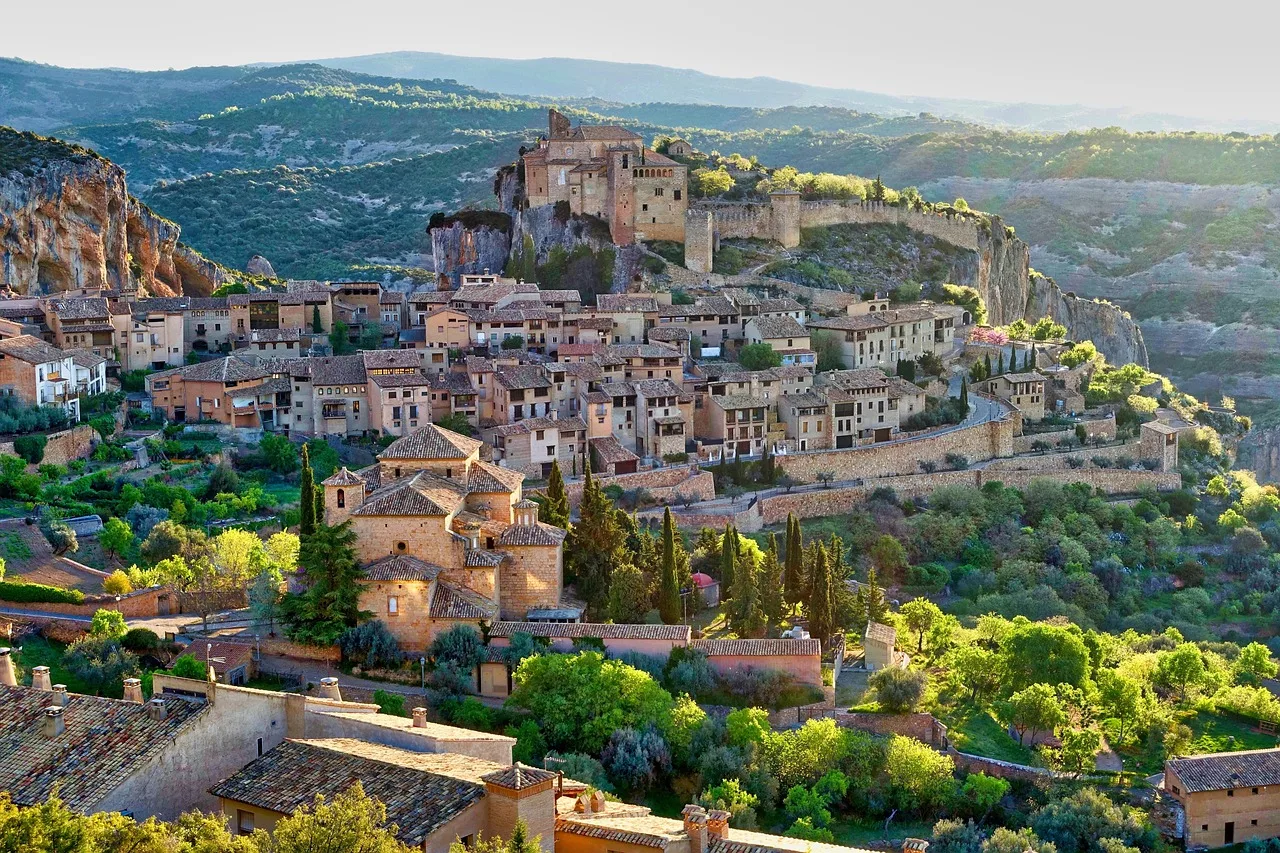
Çekim Tablosu
Belirtme (-i)koyu
Yönelme (-e)koya
Bulunma (-de)koyda
Çıkma (-den)koydan
Tamlayan (-in)koyun
Çoğul (-ler)koylar
Tanım
•isim: Belediye teşkilatına sahip olmayan, ortak veya özel malları bulunan, nüfusu iki binden aşağı olan, genellikle tarımsal alanda çalışılan, konutları ve öteki yapıları bu hayata uygun yerleşim birimi; köylük yer, köy yeri, karye
•Böyle bir yerleşim biriminde oturan halkın bütünü
Atasözü & Deyim
“Görünen köy kılavuz istemez”
“Ölümden öte köy yoktur”
“Bükemediğin eli öp, başına koy”
“Isıramadığın (bükemediğin) eli öp başına koy”
“Ak koyunu gören içi dolu yağ sanır”
Diğer Dillerde
Almancadorf (nötr) /dɔrf/
village (rural habitation of size between a hamlet and a town) · backwater (remote place; somewhere that remains unaffected by new events, progresses, ideas, etc.)
çekim: çoğul Dörfer · tamlayan Dorfes
eş: Ort, Ortschaft, Siedlung, Kaff, Nest
köken: From Middle High German dorf, from Old High German dorf, thorph, from Proto-West Germanic *þorp, from Proto-Germanic *þurpą. Doublet of Truppe (English troop). Cognate with Old Dutch thorp (modern Dutch dorp), Old Saxon thorp, Old English þorp (archaic English thorp).
aile: dörflich
& Fett — & Koyu
1903, Fanny zu Reventlow, Ellen Olestjerne, in Franziska Gräfin zu Reventlow: Gesammelte Werke, Albert Langen, page 551
berry
çekim: çoğul baies
eş: petit fruit
köken: Inherited from Latin baca.
aile: baie de genièvre, baies roses
Sombre 1 — Koyu 1
İspanyolcaagreste, aldea, campaña, campeño, campero, campesino /aˈɡɾeste/
rustic, rural
eş: rural, silvestre
köken: Borrowed from Latin agrestis.
aile: topillo agreste
& Negrita — & Koyu
İtalyancaborgo, campagna, di campagna, nazione, paese, Paese (eril) /ˈbor.ɡo/
village, hamlet · district · suburb
çekim: çoğul borghi
eş: borgata, frazione, paese, paesello, villaggio, contrada
köken: Inherited from Late Latin burgus. Doublet of bricco.
aile: borgata, sobborgo
Scuro 1 — Koyu 1
Rusçaгеогр. бухта, деревня (dişil) /dʲɪˈrʲevnʲə/
village, hamlet · the countryside, the rural population · yokel, bumpkin
çekim: çoğul дере́вни · tamlayan дере́вни
eş: село, сельский населённый пункт, весь, крестьянство, изба
köken: Inherited from Old East Slavic дере́внꙗ (derévnja), from Proto-Slavic *dьrvьňa. Cognates include Latvian druva (“cornfield, plough-land”) and Lithuanian dirvà (“field, land”), also Lithuanian dirvónas (“fallow field, set-aside land”). Baltic borrowing (with later semantic change from plough-land to homestead and then to hamlet) is likely considering the lack of cognates in other Slavic languages.
aile: дереве́нщина, однодереве́нец, потёмкинская дере́вня
Полужирный — & Koyu
Дере́вня! Э́то не пиджа́к, э́то смо́кинг.
Сиди́т? — Кто? — Ну, мужи́к […] — О дере́вня, а? […] Кто ж его́ поса́дит?! Он же па́мятник!
plural of بَلَد (balad)
çekim: çoğul بِلَاد
& عريض — & Koyu
Farsçaحاشیه نشین, حُوْمِهٔ شَهْر, دِیار, روسْتا, روستایی, سَرْزَمین
rural, country, pastoral, rustic
çekim: çoğul روستاییان
state, government · state, public (carried out or funded by the state on behalf of the community) · wealth, richness
çekim: çoğul dövlətlər · tamlayan dövlətin
köken: From Arabic دَوْلَة (dawla).
aile: dövlət katibi, dövlətçilik, dövləti, dövlətləndirmək, dövlətlənmək, dövlətlilik, dövlətli, dövlətmənd, dövlətpərəstlik, dövlətpərəst
dövlət başçısı
dövlət səviyyəsində
dövlət büdcəsi
Kazakçaауыл, ел, қыстау, мемлекет /ɑˈwəl/
village, countryside · aul (a rural community in the Caucasus, Central Asia, Southern Urals or other Turkic-speaking region)
çekim: çoğul ауылдар · tamlayan ауылдың
köken: From Proto-Turkic *āgïl, from Proto-Turkic *āg- (“to enclose”).
Özbekçediyor, kishvar, mamlakat, oʻlka, qishloq
country
çekim: çoğul mamlakatlar · tamlayan mamlakatning
köken: Borrowed from Arabic مَمْلَكَة (mamlaka).
village
köken: From Proto-Turkic *āɣïl, from Proto-Turkic *āɣ- (“to enclose”).
Felemenkçedorp (nötr) /dɔrp/
village, small settlement
çekim: çoğul dorpen
köken: From Middle Dutch dorp, from Old Dutch thorp, from Proto-West Germanic *þorp, from Proto-Germanic *þurpą. Doublet of terp.
aile: bergdorp, boerendorp, brinkdorp, dorpelijk, dorpeling, dorper, dorps, dorpsfeest, dorpsgek, dorpsgemeenschap
& Vet — & Koyu
Portekizcealdeia, do campo, grosseiro, interior, nação, países (dişil) /awˈdej.ɐ/
village (small settlement) · in particular, a tribal village; (historical) aldeia
çekim: çoğul aldeias
eş: tribo
köken: From Old Galician-Portuguese aldeia, aldea, from Arabic اَلضَّيْعَة (aḍ-ḍayʕa, “village”). Cognate with Galician, Asturian, and Spanish aldea, Mirandese aldé and Aragonese aldeya.
aile: aldeado, aldeamento, aldeão, aldear, aldeiazinha, aldeola, aldeota
& Negrito — & Koyu
Ó sino da minha aldeia, / Dolente na tarde calma, / Cada tua badalada / Soa dentro da minha alma.
Yunancaαγροτικός, εξοχικός, επαρχία, επαρχιώτικος, χώρα, χωριό /aɣɾotiˈkos/
agrarian · relating to a farm or farmer · rural, relating to the countryside
köken: From Byzantine Greek ἀγροτικός (agrotikós, “rustic, rural”). By surface analysis, αγρός (agrós, “field”) + -τικός (-tikós).
aile: αγροτικός γιατρός, αγροτικός συνεταιρισμός
Σκούρο 1 — Koyu 1
country (music genre)
köken: From English country.
ボールド(B) — & Koyu
Çinceгоцзя, дичү, 國家 /国家, 地區 /地区, 農村 /农村, 鄉下 /乡下
(1村) — Köyün [[
Korece마을 /ma̠ɯɭ/
village, hamlet, usually in rural surroundings · the office of a local magistrate
eş: 촌락, 촌, 동네, 동리
köken: First attested in the Seokbo sangjeol (釋譜詳節 / 석보상절), 1447, as Middle Korean ᄆᆞᅀᆞᆶ (Yale: mòzòlh). The Middle Korean /-h/ may be the remnant of an ancient place-related suffix; see Appendix:Middle Korean h-final nouns.
어둡게 — En koyu
country (territory of a nation) · krai (administrative division of some countries) · edge, boundary, end (boundary line of a surface)
çekim: çoğul kraje · tamlayan kraju
eş: państwo, kraina, region, województwo, okręg, region
köken: Etymology tree Proto-Indo-European *krey- Proto-Indo-European *kreh₁y- Proto-Indo-European *kroh₁y- Proto-Indo-European *kroyh₁- Proto-Indo-European *kroyh₁-eye-ti Proto-Balto-Slavic *krájīˀtei Proto-Slavic *krojiti? Proto-Indo-European *krey-der.? Proto-Slavic *kràjь Old Polish kraj Polish kraj Inherited from Old Polish kraj.
aile: Dzierżykraj, kraina, krajan, obieżykraj
Pogrubienie — & Koyu
edge of the world
Ukraynacaаву́л, краї́на, осе́ля, посе́лення, прові́нція, се́лище
Темний 1 — Koyu 1
country · realm, region; land, soil · kingdom; territory
çekim: çoğul किशवरों
köken: Borrowed from Classical Persian کِشْوَر (kišwar, “realm, region; country; kingdom, territory; clime”), from Middle Persian 𐭪𐭱𐭥𐭥 (kišwar), from Avestan 𐬐𐬀𐬭𐬀𐬱𐬀𐬎𐬎𐬀𐬭𐬀 (karšvar, “realm, region; one of the seven realms of the world”), from the root 𐬐𐬀𐬭𐬀𐬱𐬀 (karš-, “to plough”) Cognate Pashto کِشْوَر (kišwár), Central Kurdish کیشوهر (kîşwer, “continent”), and Sogdian [script needed] (kyšp /kišp/,…
Fincekantri, kirkonkylä, kylä, maa, maalainen, maalais- /ˈkɑntri/
country, country music
çekim: tamlayan kantrin
köken: Borrowed from English country.
aile: kantrifestivaali, kantrilaulaja, kantrimusiikki, kantriyhtye
& Lihavoitu — & Koyu
Çekçevesnice (dişil) /ˈvɛsɲɪt͡sɛ/
village
çekim: çoğul vesnic · tamlayan vesnic
eş: ves, víska, dědina, ves, dědina
köken: Inherited from Old Czech vesnicě, from Proto-Slavic *vьsьnica.
aile: vesnický, vesničan, vesnička
Tučné — & Koyu
nation country, land · people
çekim: çoğul națiuni · tamlayan națiuni
köken: Borrowed from Latin nātiōnem, likely via Italian nazione or French nation.
Întunecat 1 — Koyu 1
village
çekim: çoğul faluk
köken: From Proto-Ugric *palɣɜ (“village”). Cognates include Northern Mansi па̄вэл (pāvèl) and Eastern Khanty пуӽәԓ (puḥəł). Relationship to the Finnish verbs palvella (“to serve”), palvoa (“to worship”) has also been proposed.
aile: falucska, falusi, falusias, aprófalu, faluközösség, faluösszenövés, kisfalu, középfalu, nagyfalu, Olaszfalu
félkövér — & Koyu
A világ egy falu.
rural; rustic; wild (of or pertaining to land, fields or the countryside) · clownish; rude; uncultivated; coarse; savage; barbarous; brutish
çekim: karşılaştırma agrestior · üstünlük agrestissimus
köken: Dissimilated from earlier *agrestris, from ager (“field, farm”) + -estris (“located, dwelling in”). Root cognate with Ancient Greek ἄγροικος (ágroikos). Compare typologically pāgānus, rūsticus. See the opposite cīvīlis for more.
aile: sēmiagrestis, subagrestis
Etimoloji
Farsça
Eş & Zıt Anlamlılar
Zıt anlamlılar
Örnek Cümleler
& Koyu
& Bold
Koyu 1
Dark 1
En koyu
Darkest
Koyu Mor
Dark Magenta
Koyu Gri
Dark Gray
Rafa koy.
Put it on the shelf.
Ve koyun.
And there's the sheep.
- Köy mü?
- Hick town?
"Onu koy?
"Put him up?
Koyu Mavi
Dark Blue
Koyu sarı
Dark Yellow
Bomba Koy
Put Bomb