Sözlük
/hayvanla
hayvan
"hayvan" kelimesinin İngilizcesi: creature, animal, beast, brute, animal. Anlamı, çevirisi, telaffuzu ve örnek cümleler aşağıdadır.
Çeviri
Genelcreature
Genelanimal
Genelbeast
Genelbrute
Genelanimal
Genelanimal
Görsel
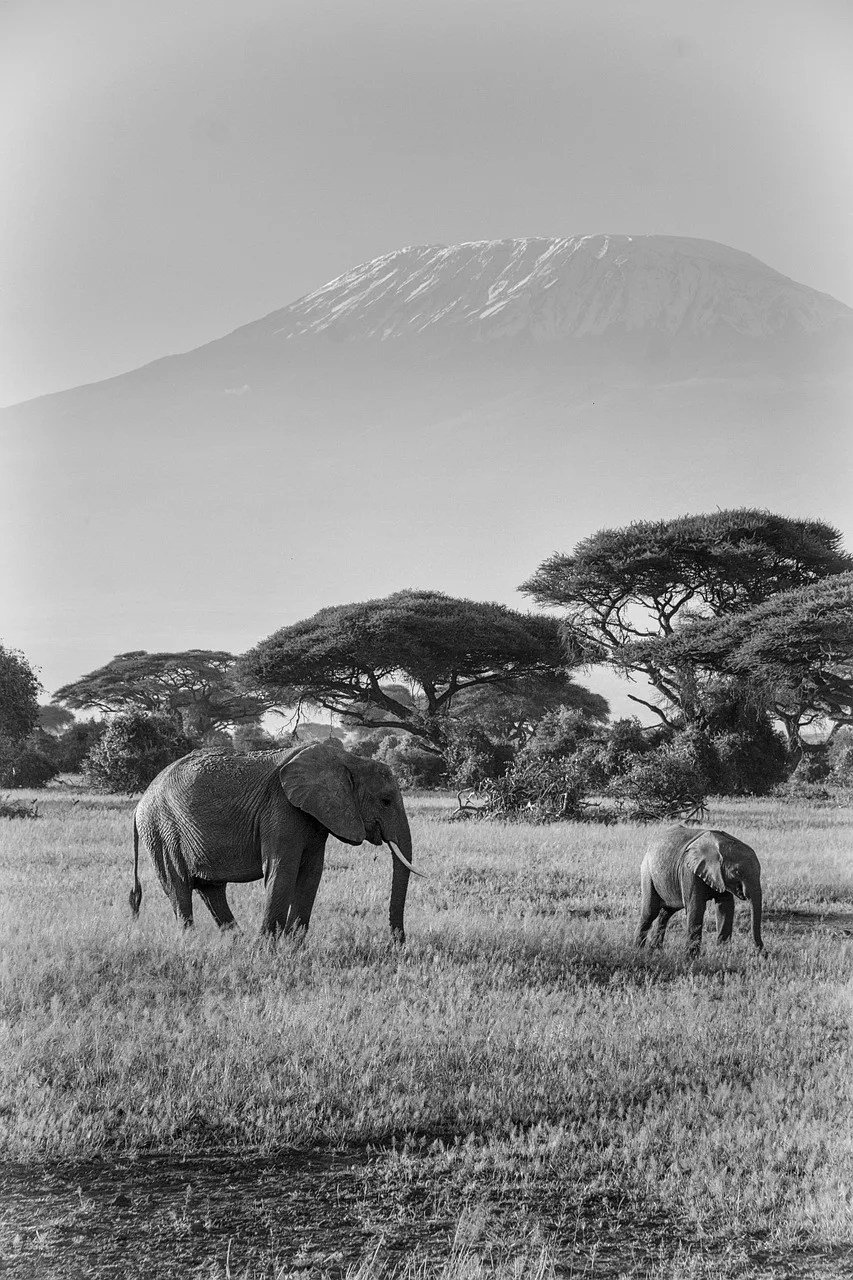

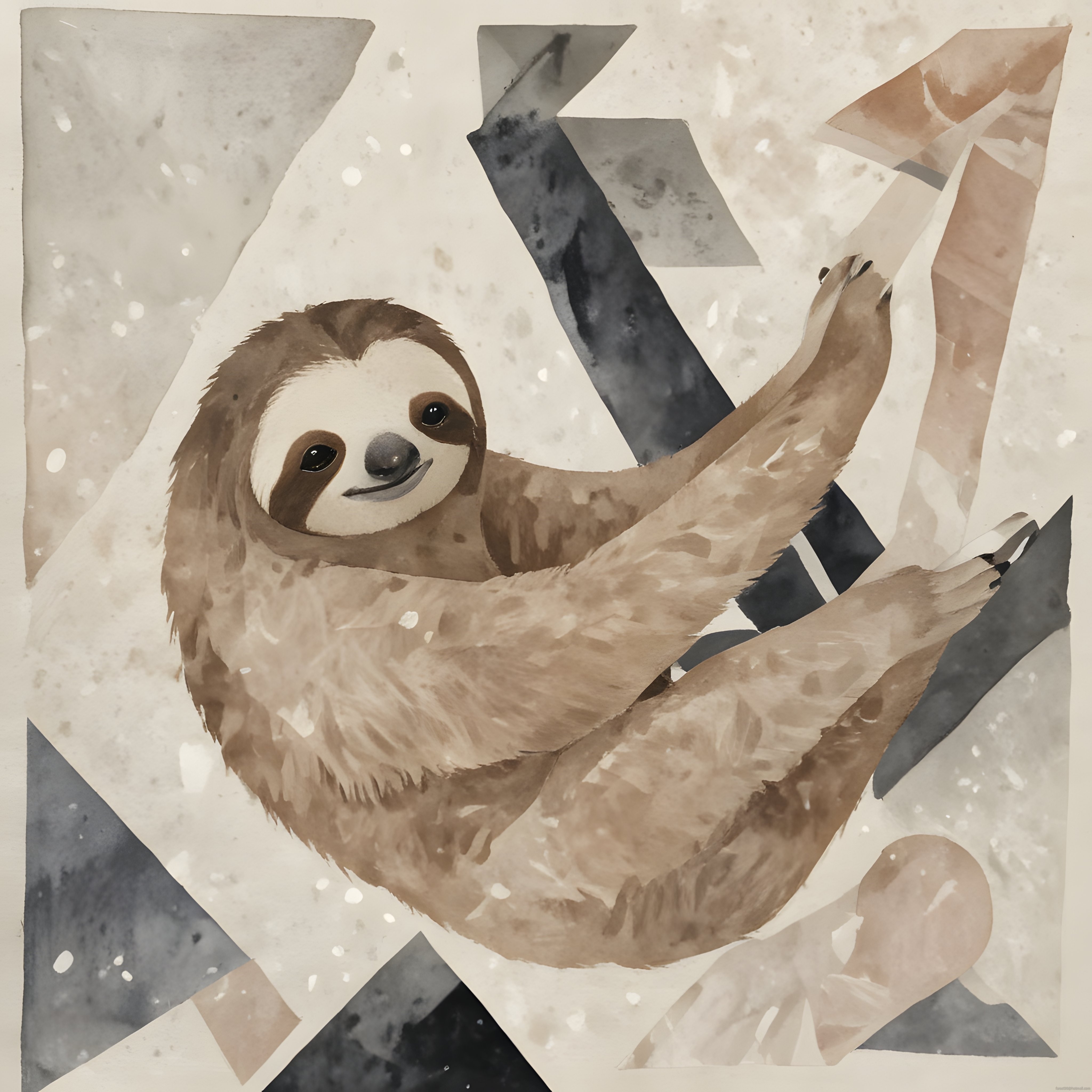
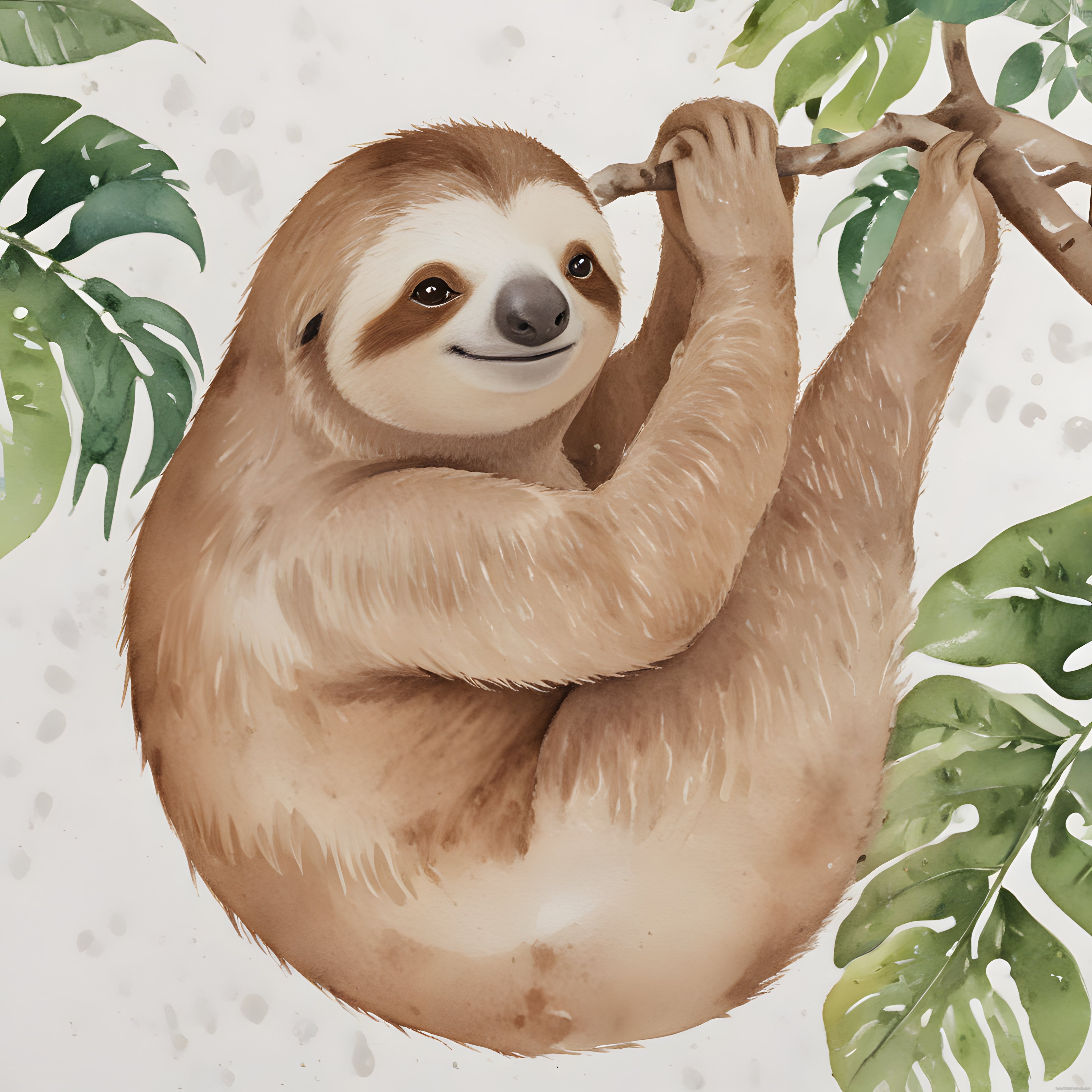
Çekim Tablosu
Belirtme (-i)hayvanı
Yönelme (-e)hayvana
Bulunma (-de)hayvanda
Çıkma (-den)hayvandan
Tamlayan (-in)hayvanın
Çoğul (-ler)hayvanlar
Tanım
•isim: Duygu ve hareket yeteneği olan, içgüdüleriyle hareket eden canlı yaratık
•sıfat, mecaz: Akılsız, duygusuz, kaba, hoyrat (kimse)
•hakaret yollu: Kızılan bir kimseye söylenen hakaret sözü
•ağızlardan: At, eşek, katır gibi türlü hizmetlerde kullanılan yaratık
Atasözü & Deyim
“Almadığın hayvanın kuyruğunu tutma”
“Hayvan yularından, insan ikrarından (sözünden) tutulur”
“Hayvanın alacası dışında, insanın alacası içinde”
“İnsanın (adamın) alacası içinde, hayvanın alacası dışındadır”
Diğer Dillerde
farmer, peasant · boy or man with bad, rude manners · scamp
çekim: çoğul Lümmeln · tamlayan Lümmels
eş: Baubudenrülps, Baubudenfläz, Bauer, Bauernflegel, Bauernjunge, Bengel
köken: From obsolete lumm (“loose, limp”), ultimately from the root of lahm (“lame”).
aile: Bauernlümmel, einlümmeln, Lümmeltüte, herumlümmeln
Er ist ein Tier. — O bir hayvan.
FransızcaAnimal, bête, bête, palourde (dişil) /bɛt/
beast, animal · fool
çekim: çoğul bêtes
köken: Inherited from Middle French beste, from Old French beste, probably partially borrowed from Classical Latin bēstia (“beast”), or less likely from an alternative Vulgar Latin bēsta (“animal”). Compare biche (probably from Old French bisse, itself from Vulgar Latin bīstia; compare Italian biscia).
aile: abêtir, âge bête, bébête, bêta, bétail, bête à Bon Dieu, bête à manger du foin, bête comme chou, bête comme ses deux pieds, bête comme ses pieds
Il parlait aux animaux. — Hayvanlarla konuşma.
Je pense qu'il est une bête !
İspanyolcaballena (dişil) /baˈʝena/
whale · baleen, whalebone
çekim: çoğul ballenas
eş: cetáceo
köken: Inherited from Old Spanish ballena, from Latin ballaena, variant of bālaena (compare Catalan balena, French baleine, Galician balea, Italian balena, Portuguese baleia, Romanian balenă), from Ancient Greek φάλλαινα (phállaina).
aile: ballena asesina, ballena azul, ballena de aletas, ballena de Groenlandia, ballena franca, ballena gris, ballena jorobada, ballena picuda, ballenato, ballenero
Él es un animal. — O bir hayvan.
İtalyancaanimale /a.niˈma.le/
animal
çekim: çoğul animali
eş: animato, belluino, bestiale, corporeo, grossolano, ignorante
köken: From Latin animālem, possibly borrowed.
Ha paura dei cani. — Hayvanlardan korkar.
Rusçaживотное (nötr) /ʐɨˈvotnəjə/
animal · animal, brute, beast
çekim: çoğul живо́тные · tamlayan живо́тного
eş: зверь, зверь, тварь, скотина
köken: Borrowed from Old Church Slavonic животьноѥ, животьно (životĭnoje, životĭno), the nominative neuter singular of Old Church Slavonic животьнъ (životĭnŭ). See живо́тный (živótnyj).
Обследование пациента. — Hayvan denetimi.
дома́шнее живо́тное
вью́чное живо́тное
محاكمة الحيوان. — Hayvan denetimi.
Farsçaحیوانی
Azericeheyvan
animal
çekim: çoğul heyvanlar · tamlayan heyvanın
köken: Etymology tree Arabic حَيَوَان (ḥayawān)bor. Classical Persian حَیْوَان (haywān)bor. Azerbaijani heyvan Borrowed from Classical Persian حَیْوَان (haywān), borrowed from Arabic حَيَوَان (ḥayawān).
animal · dolt, boor
çekim: çoğul айуандар · tamlayan айуанның
eş: аң, жануар, хайуанат
köken: Etymology tree Arabic حَيَوَان (ḥayawān)bor. Classical Persian حَیْوَان (haywān)bor. Kazakh айуан Borrowed from Classical Persian حَیْوَان (haywān), borrowed from Arabic حَيَوَان (ḥayawān). Doublet of хайуан (xaiuan).
aile: айуандық, айуаншылық
Özbekçehayvon
animal
çekim: çoğul hayvonlar · tamlayan hayvonning
köken: Etymology tree Arabic حَيَوَان (ḥayawān)bor. Classical Persian حَیْوَان (haywān)bor. Uzbek hayvon Borrowed from Classical Persian حَیْوَان (haywān), borrowed from Arabic حَيَوَان (ḥayawān).
aile: hayvonot, hayvoniy
Tatarcaхайван
Felemenkçedier (nötr) /dir/
animal (any member of the kingdom Animalia)
çekim: çoğul dieren
eş: beest
köken: From Middle Dutch dier, from Old Dutch dier, from Proto-West Germanic *deuʀ, from Proto-Germanic *deuzą, from Proto-Indo-European *dʰewsóm.
aile: bloemdier, boerderijdier, buideldier, chordadier, circusdier, cloacadier, dagdier, dierdicht, dierenarts, dierenbescherming
Portekizceanimal /a.niˈmaw/
animal (relating to animals) · brute (senseless, unreasoning) · cool; awesome
çekim: karşılaştırma mais animal · üstünlük o mais animal
köken: Learned borrowing from Latin animal. Doublet of alimária.
Em anatomia animal o termo é de uso muito comum, […]
É, tava animal mesmo — Bia mal consegue falar.
undomesticated, untamed, feral, wild · wild, uncultivated · uncouth, unsociable, uncivilised (UK), uncivilized (US)
çekim: karşılaştırma αγριότερος · üstünlük αγριότερος
köken: From Ancient Greek ἄγριος (ágrios).
Japonca動物 /do̞ːbɯ̟t͡sɨ/
animal
köken: From Middle Chinese 動物 (duwng^X mjut)
aile: 愛玩動物, 温血動物, 海生動物, 環形動物: annelid, 節足動物: arthropod, 動物愛護法, 動物園, 動物界, 動物学: zoology, 動物実験
Korece동물 /ˈto̞(ː)ŋmuɭ/
animal
köken: Sino-Korean word from 動物, from 動 (“moving”) + 物 (“thing”).
aile: 애완동물, 동물원, 네발동물, 동물계, 동물학
beast
çekim: çoğul bestar · tamlayan bests
köken: Ultimately from Latin bēstia.
Lehçebydlak, bydlę, zwierzę, zwierzęcy (eril) /ˈbɘ.dlak/
horned farm animal · beast (a very large animal)
çekim: çoğul bydlaki · tamlayan bydlaka
eş: bydlę, bydlątko, bydlę, potwór
köken: Etymology tree Polish bydło Polish -ak Polish bydlak From bydło + -ak.
Ukraynacaзвір, твари́на /zʲʋʲir/
beast (wild animal)
çekim: çoğul зві́рі · tamlayan зві́ра
köken: From Proto-Slavic *zvěrь.
aile: зві́рство
creature · fauna
çekim: çoğul जंतुओं
köken: Borrowed from Sanskrit जन्तु (jantu).
Finceanimaalinen, eläimellinen, eläin, eläin-, elukka, hirviö /ˈɑnimɑːlinen/
synonym of eläimellinen
çekim: karşılaştırma animaalisempi · üstünlük animaalisin
köken: Internationalism (see English animal), ultimately from Latin animal and adapted with the adjectival suffix + -inen.
aile: animaalisuus
Çekçebestie, živočich, zvíře, zvířecí (dişil) /ˈbɛstɪjɛ/
beast, monster · beast (objectionable person)
çekim: çoğul bestií · tamlayan bestií
eş: zrůda, stvůra, nestvůra, příšera, monstrum, mrcha
animal
çekim: çoğul állatok
köken: From áll (“to stand”) + -at (noun-forming suffix).
aile: állati, állatka, állatocska, állatbarát, állateledel, állatidomár, állatkert, állatkórház, állatmenhely, állatnév
animate, living · of living creatures
köken: Etymology tree Proto-Indo-European *h₂enh₁- Proto-Indo-European *-mos Proto-Indo-European *h₂enh₁mos Proto-Italic *anamos Latin animus Latin anima Proto-Indo-European *h₂el-der.? Proto-Italic *-ālis Latin -ālis Latin animālis From anima + -ālis.
aile: animal, exanimālis, inanimālis
beast · brute
çekim: çoğul bæster · tamlayan bæsts
köken: From Middle Low German bēst, from Old French beste, from Latin bēstia (“beast”).
Etimoloji
Osmanlı Türkçesi حيوان sözcüğünden devralındı
Deyimler
Eş & Zıt Anlamlılar
Örnek Cümleler
At bir hayvandır.
A horse is an animal.
O, hangi hayvandır?
What animal is it?
Bu hayvan çok zeki.
This animal is very clever.
Hayvanları besleme.
Don't feed the animals.
O hayvanları sever.
He loves animals.
Hayvan açlıktan öldü.
The animal died from hunger.
At yararlı bir hayvan.
The horse is a useful animal.
At evcil bir hayvandır.
The horse is a domestic animal.
Hayvanları kafese koyun.
Put the animals into the cage.
Hayvanlar ormanda yaşar.
Animals inhabit the forest.
Evcil hayvanınız var mı?
Do you have any pets?
Bu hayvan etle beslenir.
That animal feeds on flesh.
İlgili Sorular
Eğer evcil hayvanların da evcil hayvanları olsaydı, bu durum sizin için ne kadar tuhaf olurdu?
Şafak ve alacakaranlıkta aktif olan hayvanların bilimsel adı nedir?
Afrika ülkelerinde, özellikle Nijerya’da yapılan nüfus sayımı sadece insanları mı yoksa hayvanları da kapsıyor?
Domuz, sığır, fare gibi hayvanlar hakkında tartışmak anlamlı mı?
Üniversite seçiminde zorlanıyorum; biyoloji ve entomoloji ya da entomoloji ve adli bilimler üzerine çalışmak istiyorum. Hayvan ve böceklerle ilgili laboratuvarları olan bir okul arıyorum. GPA 3.3 ve henüz sınav puanım yok, ne önerirsiniz?
İlgili / Bileşik Terimler
Genelzoology
Genelzoogeography
Genelculling
Genelanimal rights
Genelanimal testing
Birleşik Kelimeler
hayvan bilimihayvan damıhayvan kömürühayvanoğluhayvanhayvanseverhayvan yemievcil hayvanuzun hayvanterliksi hayvanvahşi hayvanyabani hayvanyırtıcı hayvanav hayvanıbesi hayvanıdeneme hayvanıkoşum hayvanıkürk hayvanıyük hayvanıbitkimsi hayvanlarsoğukkanlı hayvanlarkümes hayvanları