Sözlük
/hörgüç
hörgüç
"hörgüç" kelimesinin İngilizcesi: hump. Anlamı, çevirisi, telaffuzu ve örnek cümleler aşağıdadır.
Çeviri
Genelhump
Görsel
Tanım
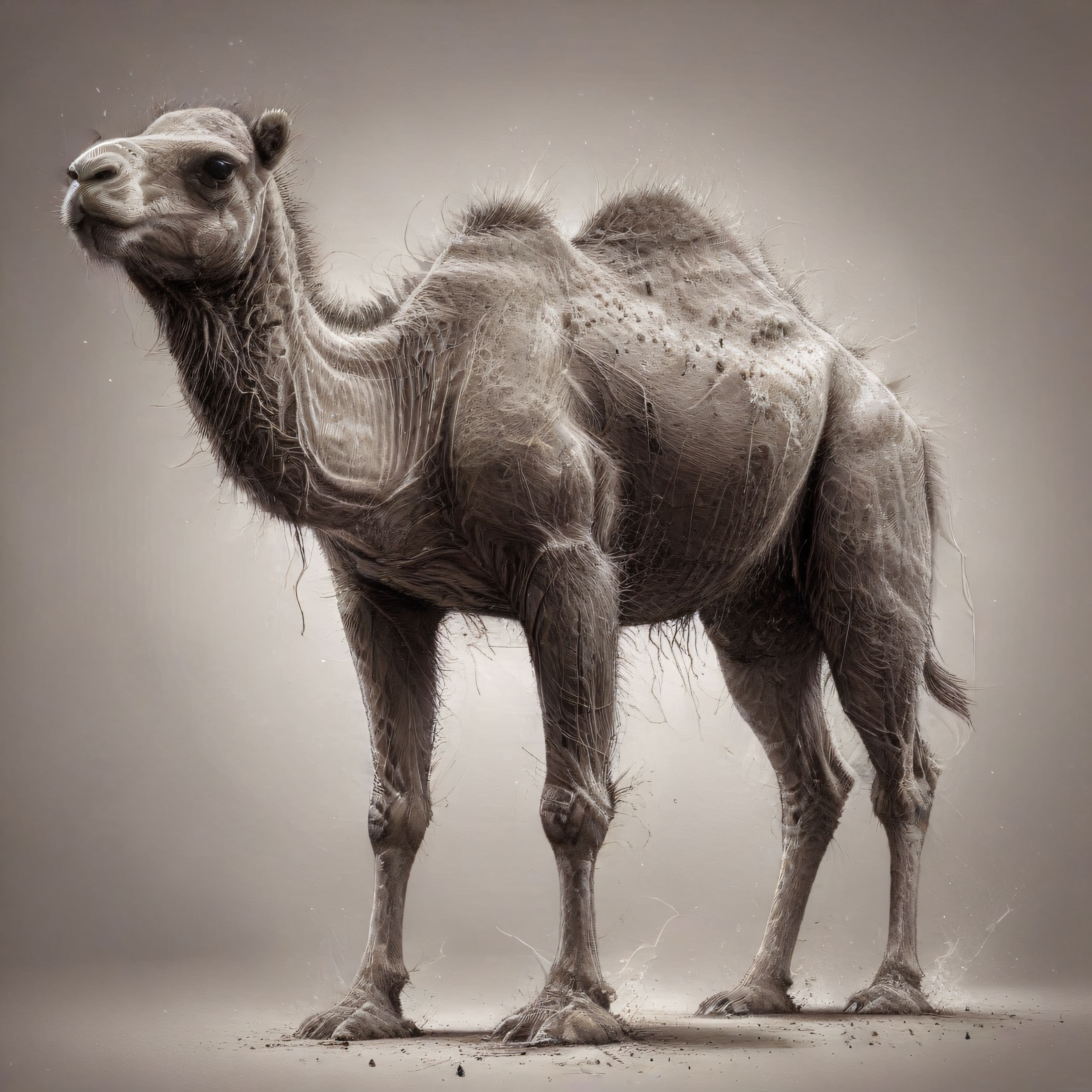
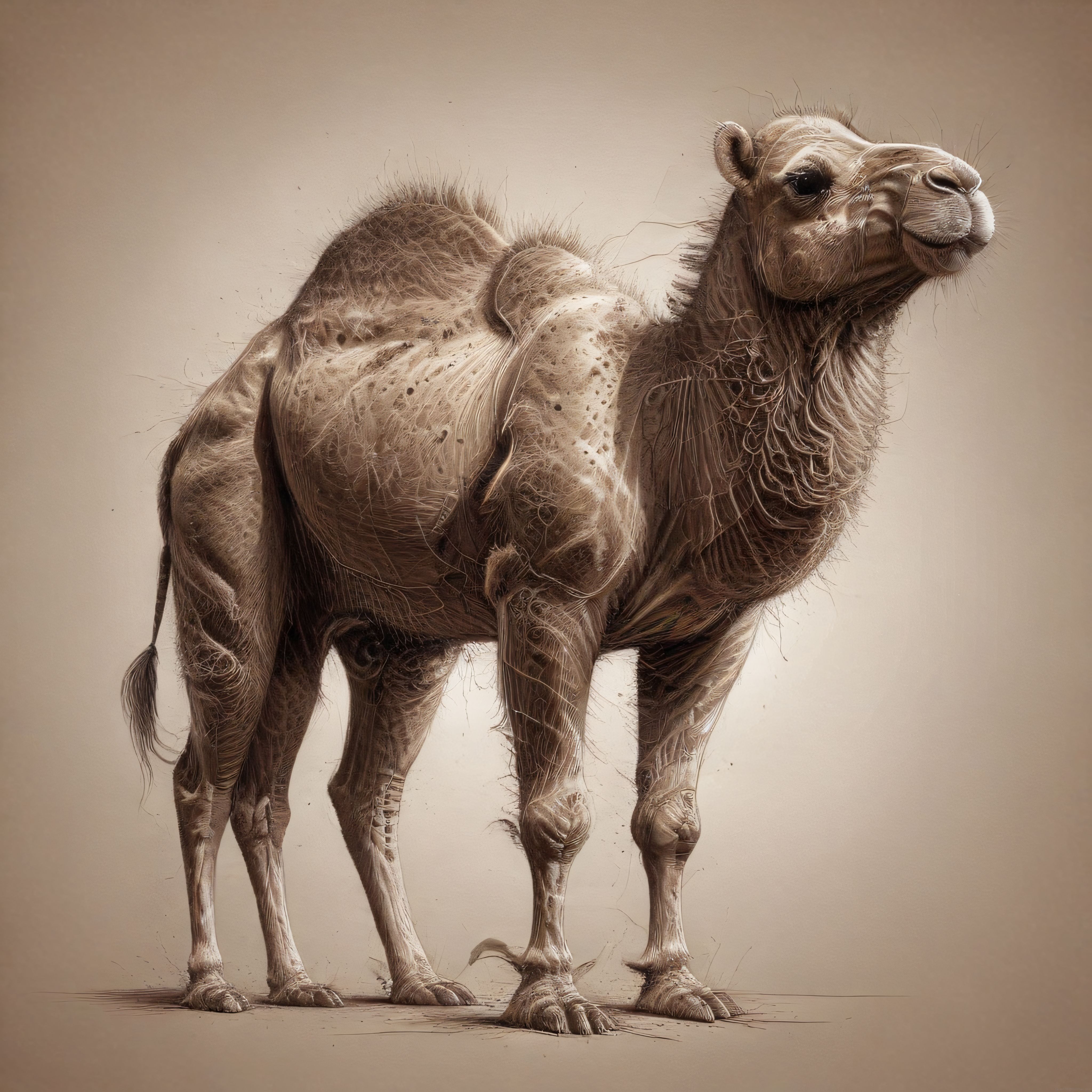
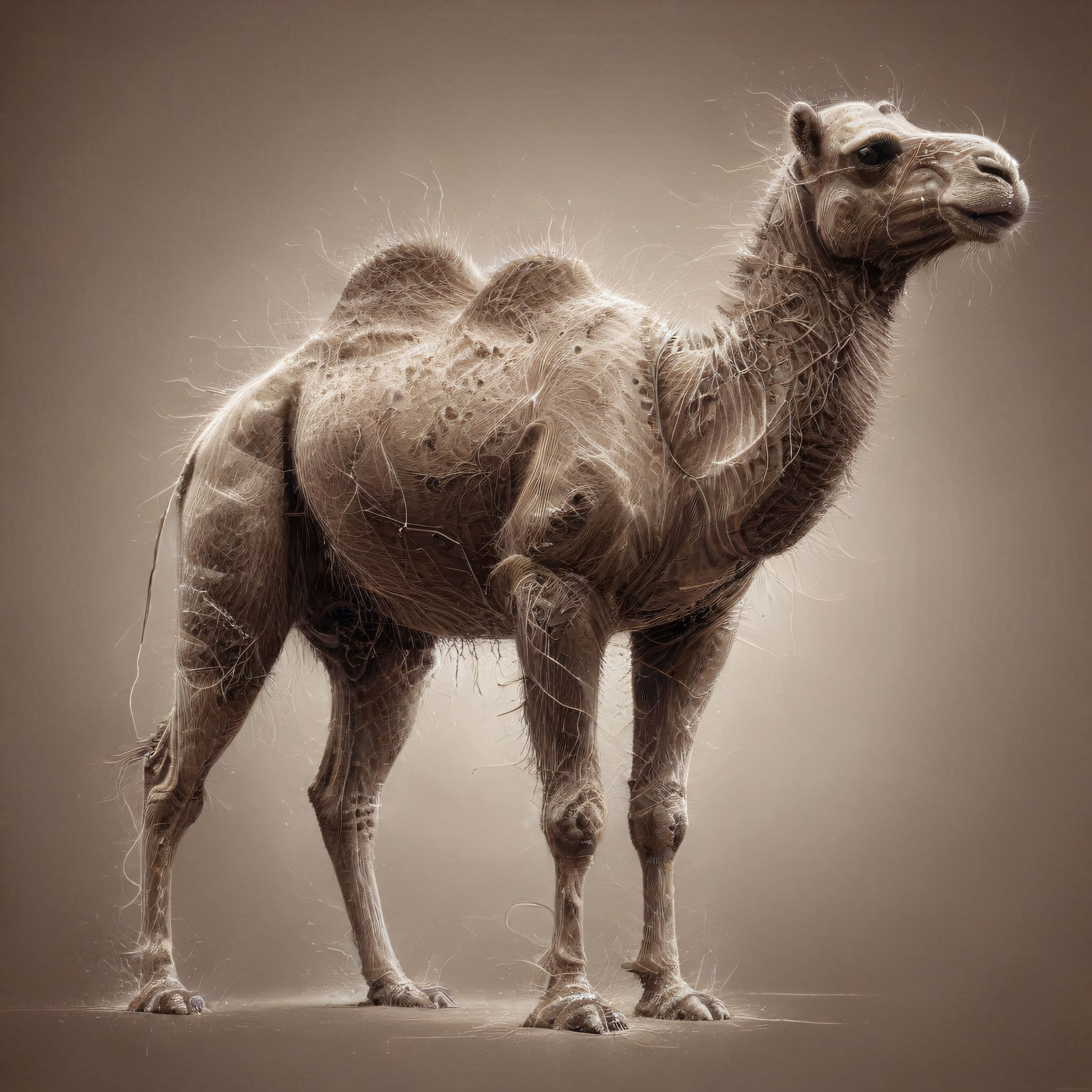
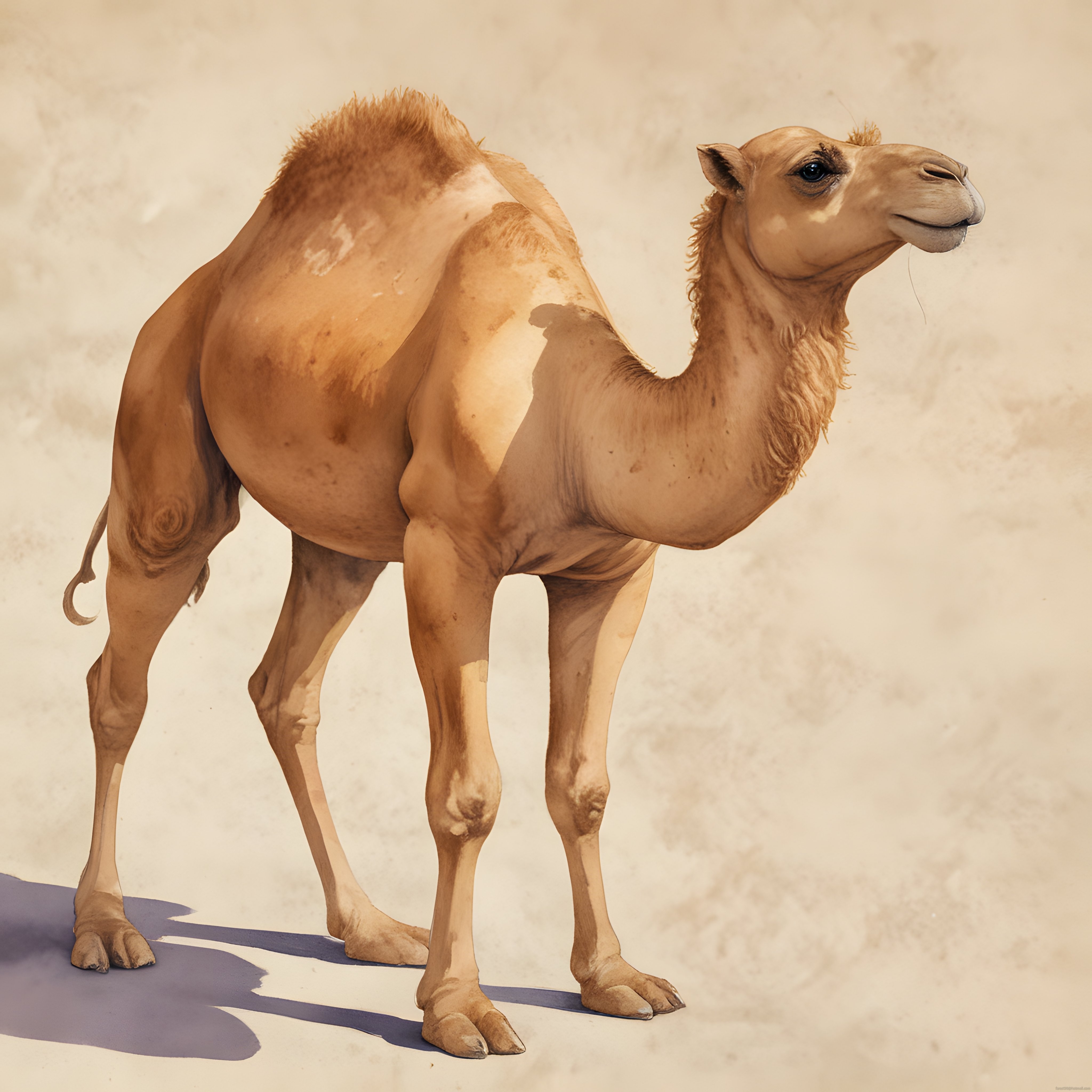
•develerin sırtında bulunan içinde su olan bir veya iki adet yüksekçe yer
•Bazı hayvanların sırtındaki çıkıntı
•Hörgüce benzeyen tümsek, çıkıntı
Diğer Dillerde
boss · hump · back
çekim: çoğul Buckeln · tamlayan Buckels
eş: Kreuz, Rücken, Kyphose, Höcker, Anhöhe, Erhebung
köken: From Middle High German buckel, from Old French boucle, from Latin buccula.
aile: buckelig, Buckelpiste, Buckelschild, Buckelwal, bucklig, Schildbuckel
to round (make round) · to round up, round down or round off
çekim: geçmiş arrondi · ortaç arrondi · şimdiki arrondit · ulaç arrondissant
köken: From a- + rond + -ir.
aile: arrondir les angles, arrondir ses fins de mois, arrondissement
Madagascar : 15 morts dans des affrontements après une tentative de vol de bétail — Madagaskar'da 450 Hörgüçlü Sığır Çalma Teşebbüsü Ardından Çatışmalar 15 Kişiyi Canından Etti
the tossing of a bullfighter by a bull · harvest · taking
çekim: çoğul cogidas
köken: From the feminine past participle of coger.
Únicamente en Albania viven todavía unas 40 vírgenes juramentadas. — Yalnızca Afrika’da 20 kadar tek hörgüçlü deve ırkı bulunmaktadır.
İtalyancabozzo, gibbo, gobba, paturnie (eril)
bump, sting, bite · swelling · bonk
çekim: çoğul bozzi
eş: bozza
köken: See bozza (“bump”)
Sono state riportate anche osservazioni di predazioni ai danni di giovani dromedari (Camelus dromedarius). — Tek hörgüçlü deve (Camelus dromedarius), devegiller (Camelidae) familyasından bir deve türü.
hump, hunch
köken: From Proto-Indo-Iranian *kubȷ́ás, from Proto-Indo-European *ḱewb-, see also Sanskrit कुब्ज (kubja), Latin cubō, Old English hype.
aile: غوز کردن
camel's hump
çekim: çoğul hürgüclər · tamlayan hürgücün
köken: Cognate with Turkish hörgüç and Turkmen örküç. See more cognates at Bashkir үркәс (ürkəs).
humpy, hilly · convex
çekim: çoğul дөңестер · tamlayan дөңестің
aile: дөңестеу, дөңесті, дөңестік
Tatarcaөркәч
hump, hunch, humpback, hunchback
çekim: çoğul bochels
eş: scoliose, bultenaar
köken: First attested in 1599. Equivalent to buigen + -el. Doublet of beugel.
aile: gebocheld
Portekizcecorcunda, mau humor, monte, montículo, trepada, trepar (dişil) /koʁˈkũ.dɐ/
hump (deformity of the human back)
çekim: çoğul corcundas
eş: marrana, marreco
köken: From the variant carcunda, said to be borrowed from Kimbundu. Or, a variant of corcova (“hump”). In the "Miguelist, reactionary" sense, a reference to the supposed exaggerated bows Dom Miguel's supporters would make in his presence.
Coordinate term: malhado
Yunancaκαμπούρα, τούμπα, μαγούλα, ύβος /kamˈbu.ɾa/
nominative/accusative/vocative feminine singular of καμπούρης (kampoúris)
çekim: çoğul καμπούρες
köken: For the noun "hump": Back-formation from καμπούρ(ης) (kampoúr(is), “hunchback”) + feminine ending -α (-a), inherited from the medieval καμπούρης (kampoúrēs), from Ottoman Turkish قنبور (kanbur, kambur), possibly from Ancient Greek καμπύλος (kampúlos). Doublet of καμπύλος (kampýlos). Also, a substantivised feminine adjective of καμπούρης (kampoúris).
Japoncaこぶ, なんとかして運ぶ /ko̞bɯ̟/
lump, bump (on the body) · knot in a tree · someone in the way
(back) humpback · (person) humpback, hunchback
eş: 꼽추
köken: Of native Korean origin.
몽골햄스터속에 속하는 두 종의 하나로 중국과 몽골에서 발견된다. — Çift hörgüçlü devenin yabani olarak yaşayan son birkaç sürüleri Çin'de ve Moğolistan'da bulunur.
to do pelvic thrusts (during sex or otherwise), to hump
çekim: geçmiş juckade · ortaç juckande · ulaç juckande
köken: Borrowed from Middle Low German jücken, ultimately from Proto-West Germanic *jukkjan.
aile: torrjucka
Sjömännens fruktan är stor. — Erkek balıkların kafaları hörgüçlüdür.
Rockstjärnan juckade på scen
Hunden juckade mot hans ben
Lehçegarb (eril) /ˈɡarp/
hump (rounded fleshy mass) · hump (deformity of the human back) · dead weight (that which is useless or excess)
çekim: çoğul garby · tamlayan garbu
eş: kifoza, reg. śl. pukiel, pukel, wybrzuszenie, wypukłość
köken: Inherited from Old Polish garb, from Proto-Slavic *gъrbъ.
aile: bezgarbny, garbaty, garbiasty, garbonosy, garbiak, garbienie, garbus, garbić
hunchbacked · crooked, deformed
köken: Inherited from Proto-New Indo-Aryan *कुब्ब (kubba) + Middle Indo-Aryan -𑀓- (-ka-) without cluster simplification.
Fincehuono tuuli, kasa, keko, köyriä, köyristää, kyttyrä /ˈkɑsɑ/
heap, pile, mass, stack · grouping, shot grouping
çekim: çoğul kasat · tamlayan kasan
köken: From Proto-Finnic *kasa, borrowed from Proto-Norse [Term?] (compare Old Swedish kasi, Swedish kase (“heap, collection of something”), Old Norse kǫs (“heap, pile”)), from Proto-Germanic *kasō.
aile: kasaantua, kasaantuma, kasailla, kasassa, kasata, kasauma, kasautua, kasautuma, kasoittain, heinäkasa
Çekçehrb (eril) /ˈɦr̩p/
hump
çekim: çoğul hrby · tamlayan hrbu
köken: Inherited from Proto-Slavic *gъrbъ (“hump”).
to drag, lug, tote (to carry something heavy, with great effort)
çekim: geçmiş cipeltek
köken: Perhaps shortened from cipekedik (“to carry”) + -el (verb-forming suffix). First attested in 1792.
aile: cipelés, becipel, elcipel, kicipel, lecipel, visszacipel
Az egypúpú teve (Camelus dromedarius) vagy dromedár egy háziasított teveféle. — Tek hörgüçlü deve (Camelus dromedarius), devegiller (Camelidae) familyasından bir deve türü.
ישנם 1.4 מיליון גמלים דו-דבשתיים מבויתים כיום. — Dünyada 1,4 milyon evcil çift hörgüçlü deve yaşamaktadır.
humpbacked, hunchbacked
çekim: çoğul gibberēs · tamlayan gibberis
köken: From Proto-Italic *gīfri- (“hump”), perhaps from Proto-Indo-European *geybʰ- (“bowed, curved, crooked, skew”), and cognate with Lithuanian gei̇̃bti (“to decline, become weak”), Norwegian Bokmål keive (“the left hand”).
aile: gibberōsus
Dancapukkel
Etimoloji
From a derivation of older ör- (“to rise”). Initial h sound is peculiar and comparable to Azerbaijani hörmək and Salar fürgüsi in which any trace of initial long vowels would be lost. Also compare höyük from the same root.
Eş & Zıt Anlamlılar
Örnek Cümleler
Doldurulmuş Vahşi Çift Hörgüçlü Deve
Stuffed Wild Bactrian Camel
Develerin sırtında kaç tane hörgüç var?
How many humps do camels have on their backs?
Develer hörgüçlerinde çok miktarda yağ depolayabilir.
A camel can store a large amount of fat in the hump on its back.
Yalnızca Afrika’da 20 kadar tek hörgüçlü deve ırkı bulunmaktadır.
There may have been as many as 20 genuine ruiri in Ireland at any time.
Madagaskar'da 450 Hörgüçlü Sığır Çalma Teşebbüsü Ardından Çatışmalar 15 Kişiyi Canından Etti
Clashes After an Attempted Theft of 450 Cattle Leaves 15 Dead in Madagascar · Global Voices