ceviz
/d͡ʒeˈviz/
noun
C1 seviye
TR → EN
"ceviz" kelimesinin İngilizcesi: walnut, waldorf salad, nut. Anlamı, çevirisi, telaffuzu ve örnek cümleler aşağıdadır.
Çeviri
Genelwalnutnoun
Genelwaldorf salad
Genelnut
Görsel
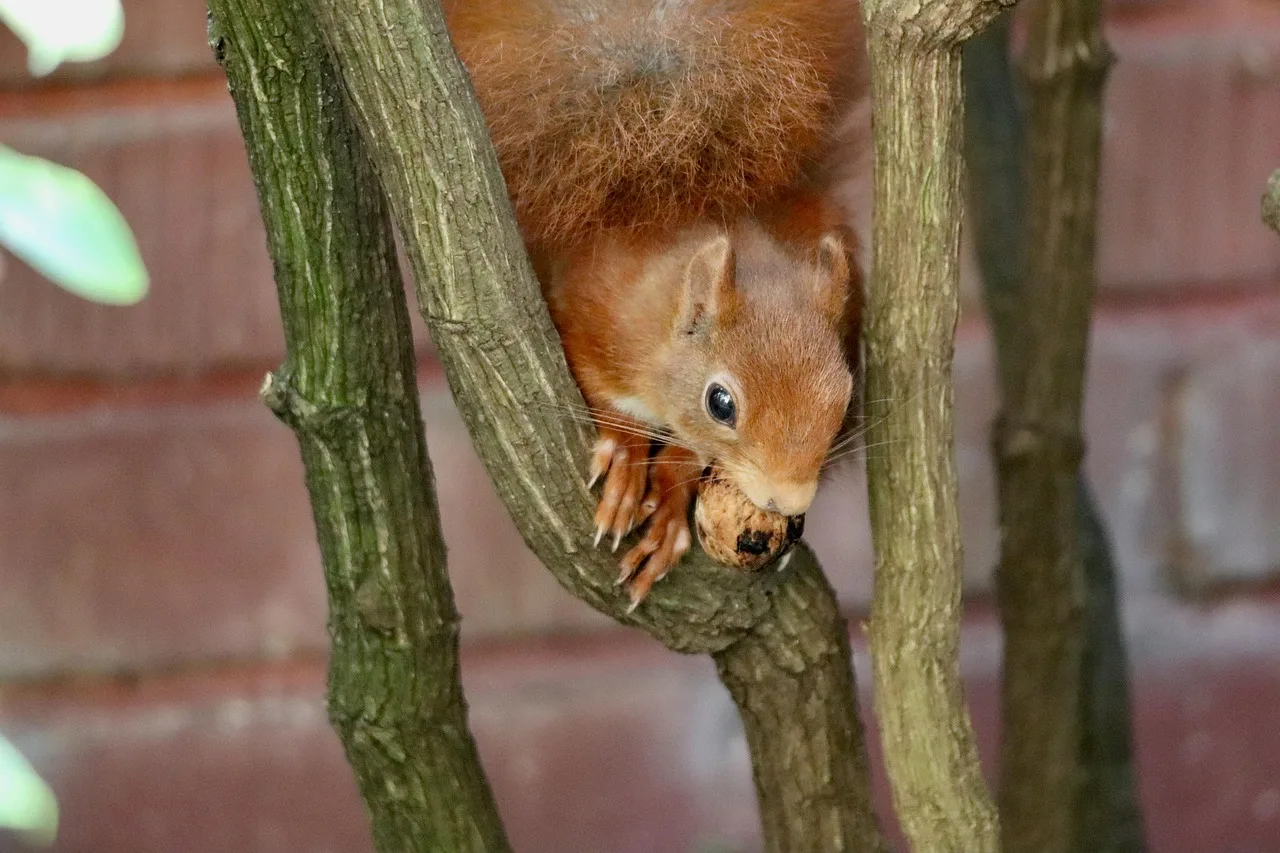

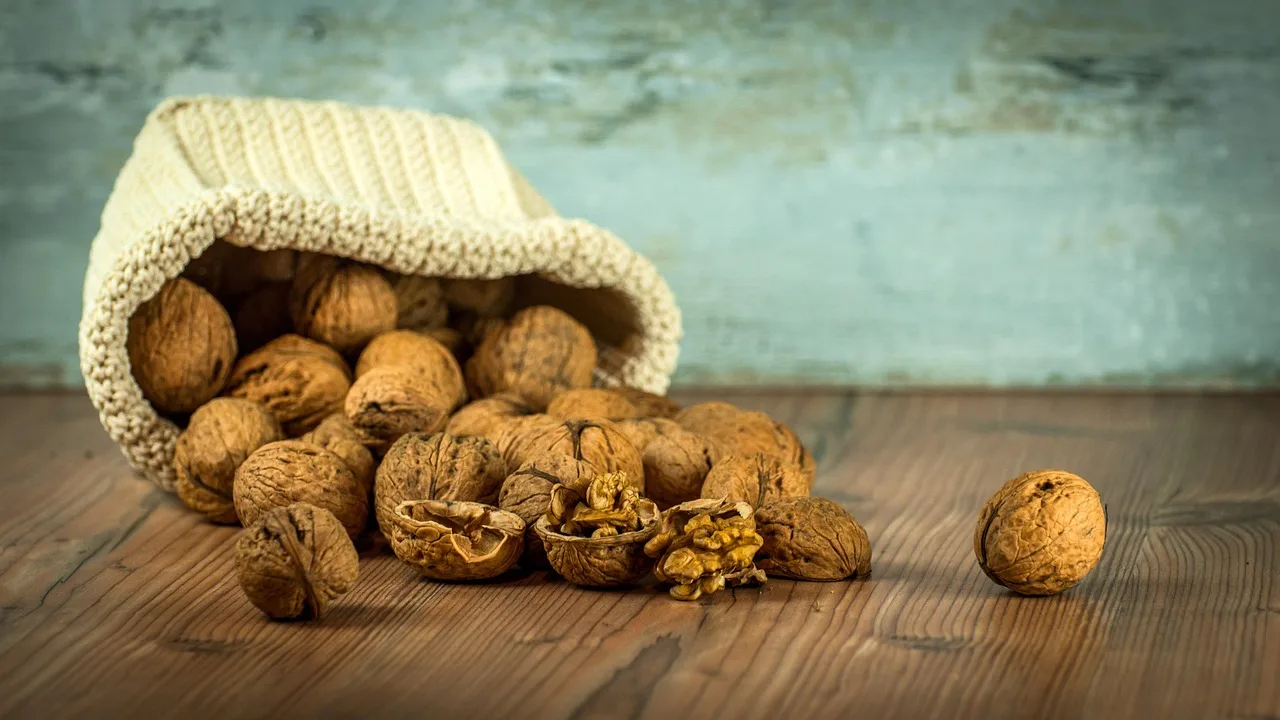
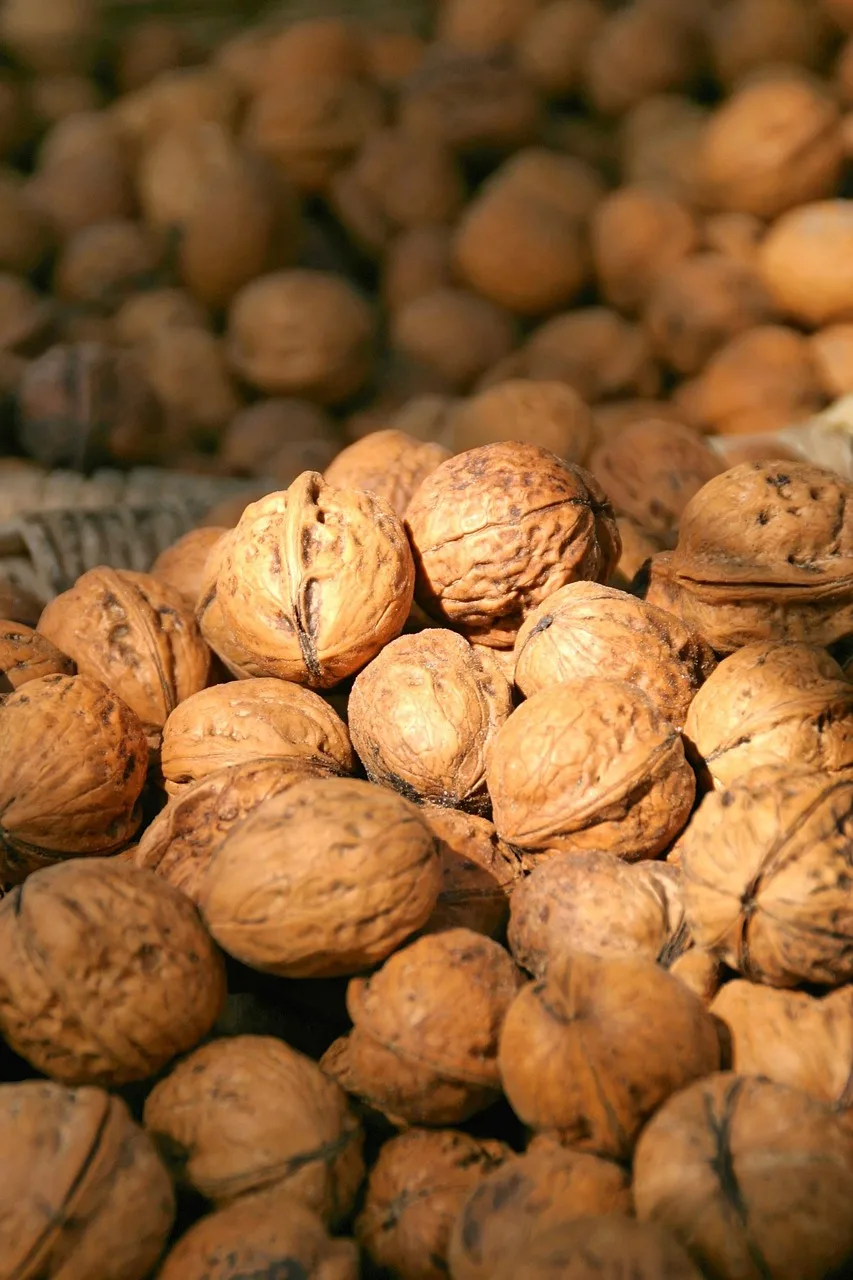
Çekim Tablosu
Belirtme (-i)cevizi
Yönelme (-e)cevize
Bulunma (-de)cevizde
Çıkma (-den)cevizden
Tamlayan (-in)cevizin
Çoğul (-ler)cevizler
Tanım
•isim, bitki bilimi: Cevizgillerin örnek bitkisi olan, uzun ömürlü, gövdesi kalın, kerestesi değerli, yurdumuzda çok yetişen ağaç (Juglans regia)
•sıfat: Bu ağacın kerestesinden yapılmış
•Bu ağacın dışı kabuklu, içi yağlı ve nişastalı yemişi; koz
Diğer Dillerde
AlmancaBirne, dunkelbraune Farbe, Ei, Halbgeviert, Irre, Irrer (dişil) /ˈbɪrnə/
pear · lightbulb · head, bonce, noggin
çekim: çoğul Birnen · tamlayan Birnen
eş: Birnbaum, Kopf, Glühlampe
köken: From Middle High German bire, bir, from Old High German bira, pira, from Vulgar Latin pira, reanalysis of the plural of Latin pirum. Early Modern German birn is from the Middle High German plural and dative/genitive singular, whence a double plural birnen was formed. The contemporary Birne is a new backformation from this plural (perhaps influenced also by the older, still dialectal form bire).…
aile: Abbruchbirne, Abrissbirne, birnenförmig, Birnenkompott, Birnenmus, Birnensaft, Birnenschnaps, Birnensorte, Butterbirne, Erdbirne
Das ist eine Kokosnuss. — Bu bir Hindistan cevizi.
walnut · any nut · knob, pat (of butter)
köken: Inherited from Old French nois, from Latin nux.
aile: à la noix, casse-noix, noisette, noix de cajou, noix de coco, noix de Grenoble, noix de macadamia, noix de muscade, noix de pécan, noix de pin
Noix de coco! — Hindistan cevizleri!
noix de bœuf
noix de veau
İspanyolcacabra loca, ceja, chalado, chiflado, cojón, como una cabra (locution) (dişil) /ˈθexa/
eyebrow · rim, edge · fret
çekim: çoğul cejas
köken: Inherited from Latin cilia, plural of cilium (“eyelid”), from Proto-Indo-European *ḱel-yo-m, which is derived from *ḱel- (“to cover”).
aile: arquear las cejas, ceja de monte, cejudo, entrecejo, hasta las cejas, quemarse las cejas, tener entre ceja y ceja
¡Cocos! — Hindistan cevizleri!
testicle
çekim: çoğul coglioni
eş: testicolo, didimo, palla, babbeo, cazzone, cretino
köken: From Late Latin cōleōnem, derived from Latin cōleus (“sack, scrotum”).
Noci di cocco! — Hindistan cevizleri!
Rusçaгрецкий орех (eril) /ˈɡrʲet͡skʲɪj ɐˈrʲex/
walnut
çekim: çoğul гре́цкие оре́хи · tamlayan гре́цкого оре́ха
eş: орех грецкий, волошский орех, царский орех, греческий орех
Кокосовые орехи! — Hindistan cevizleri!
У Фо́геля сиде́ли две гуверна́нтки, на столе́ стоя́ли таре́лки с изю́мом, гре́цкими и минда́льными оре́хами.
Arapçaبَيْضَة, جَوْز, جَوْزَة, رَأْس, صَمُولَة, قَرْعَة
يقع بداخلها اللوزة الحنكية. — İçerisine ceviz konulur.
seed, grain · sperm, semen · ovum, egg
köken: From Parthian 𐫤𐫇𐫟𐫖 (twxm /tōxm/, “seed, line, race”), from Proto-Iranian *táwxma (compare Avestan 𐬙𐬀𐬊𐬑𐬨𐬀𐬥- (taoxman-, “seed”), from Proto-Indo-European *tewk- (“germ, seed, sprout, offspring”). Compare Old Armenian տոհմ (tohm), an Iranian borrowing.
aile: تخم و ترکه, تخمه, تخمِ جن, تخمِ حروم, تخمِ سگ, تخمِ شربتی, تخمِ لق, تخمِ مرغ, تخمِ چشم, تخمک
که چه مقصود است نقشی ساختن و اندر او تخم فساد انداختن
nut (fastener)
çekim: çoğul qaykalar · tamlayan qaykanın
köken: Borrowed from Russian га́йка (gájka).
walnut, Juglans
çekim: çoğul жаңғақтар · tamlayan жаңғақтың
köken: From Proto-Turkic *yaŋgak.
Özbekçegayka, yongʻoq
Tatarcaгайка, чикләвек
Felemenkçewalnoot (dişil) /ˈʋɑl.noːt/
walnut (nut)
çekim: çoğul walnoten
köken: From Middle Dutch walnote, from Old Dutch [Term?], from Proto-Germanic *walhahnuts (“foreign nut; walnut”). Compare English walnut.
Kokosnoten! — Hindistan cevizleri!
nuts (testicles)
Compartilhado com o Peñarol. — Pekmezlisine ceviz katılır.
Yunancaκαρυδί, καρύδι, καρυδιά, ξηρός καρπός, παξιμάδι, τρελός (nötr) /kaˈɾi.ði/
walnut · pecan · Adam's apple, laryngeal prominence
çekim: çoğul καρύδια · tamlayan καρυδιού
köken: From Byzantine Greek καρύδι (karúdi, “nut”), from Ancient Greek καρύδιον (karúdion); diminutive of κάρυον (káruon, “nut”).
Καρύδες! — Hindistan cevizleri!
nut (plant seed)
köken: Sino-Korean word from 堅果, from 堅 (“hard”) + 果 (“fruit”)
위계 훈등 작위는 종1위 대훈위 백작. — Ceviz Ezmeside Meşhurdur.
synonym of knäppgök, nut
çekim: çoğul knäppisar · tamlayan knäppisens
köken: knäpp (“crazy”) + -is
Är den kaxigaste epadan. — En randımanlısı cevizdir.
Lehçełeb, nakrętka, orzech, orzech włoski, orzechowy, oszołom (eril) /ˈwɛp/
animal head · nut, head · head (part of the wind shaft through which the blades pass)
çekim: çoğul łby · tamlayan łba
eş: głowa, głowa, łepetyna, czaszka, czacha, mózgownica
köken: Etymology tree Proto-Slavic *lъbъ Polish łeb Inherited from Proto-Slavic *lъbъ.
aile: kocie łby, łeb w łeb, łebski, łepetyna, na łeb, na szyję, spode łba, zakuty łeb
Kokosy! — Hindistan cevizleri!
Ukraynacaба́шта, божеві́льний, воло́ський горі́х, горі́х, гре́цький горі́х, навіже́ний
Я люблю горіхи. — Cevizi severim.
walnut
çekim: çoğul अखरोटों
köken: Inherited from Sauraseni Prakrit 𑀅𑀓𑁆𑀔𑁄𑀝 (akkhoṭa), from Sanskrit अक्षोट (akṣoṭa).
Fince-hullu, hullu, kaali, kahjo, kiila, kulkunen /ˈhulːu/
crazy, mad, insane, lunatic
çekim: karşılaştırma hullumpi · üstünlük hulluin
köken: From Proto-Finnic *hullu.
aile: hullaantua, hulluilla, hullulla on halvat huvit, hullusti, hullutella, hullutus, hulluus, tulla hulluksi, filmihullu, hevoshullu
Niitä on runsaasti myös maustekasveissa. — Yine ceviz ağaçları da çok sayıdadır.
Keitä munaa, et saa lientä; neuvo hullua, et saa mieltä.
Olen elokuvahullu.
sphere (solid) · ball · shot (for shot put)
çekim: çoğul koulí · tamlayan koulí
eş: kule, bajle, sardel, pětka, kule, kuráž
köken: Inherited from Old Czech kule, kúle, from Middle High German kūle, kugele, see German Kugel (“ball”).
aile: kulovitý, kulový, kulečník, kulička, kulka, zeměkoule
Nejsložitější způsob lovu. — En randımanlısı cevizdir.
hazelnut · peanut · testicle
çekim: çoğul alune · tamlayan alune
köken: From a Vulgar Latin root *abellona, from Latin abellāna, from a city in Italy known as Abella or Avella. Compare Aromanian alunã, Occitan aulana, Portuguese avelã, Spanish avellana.
aile: alun, alunar, alună americană, alună de pământ, alunea, aluniță
Nuci de cocos! — Hindistan cevizleri!
crazy · silly, foolish
çekim: karşılaştırma bolondabb · üstünlük legbolondabb
köken: Borrowed from a Slavic language. Compare Polish błąd (“mistake”), Russian блуд (blud, “fornication”), from Proto-Slavic *blǫdъ. Compare also unrelated German blöd.
aile: bolondéria, bolondít, bolondos, bolondozik, bolondság, bolondul, bolondgomba, bolond lyukból bolond szél fúj
Az indiai világ atlasza. — Hindistan cevizi lifi elde edilir.
İbraniceאֱגוֹז, אגוז מלך, אוֹם (eril)
walnut
köken: Compound of אֱגוֹז (egóz, “nut”) + מֶלֶךְ (mélekh, “king”).
המפרק עצמו עשוי להיות תקין. — İp atma cevizi kendiliğinden çözülebilir.
Latinceiūglāns, nux /ˈnʊks/
nut tree · a fruit with a hard shell or rind · a thing of no value
çekim: çoğul nucēs · tamlayan nucis
köken: From Proto-Italic *knuks, from a root *knu- also found in Proto-Celtic *knūs (source of Irish cnó) and Proto-Germanic *hnuts (source of English nut). Based on the form of the nouns and the restriction of the root to Germanic, Celtic and Italic, it has been argued to be of non-Indo-European origin. De Vaan suggests that it is related to nūgae (“trifles”).
aile: in nuce, nucāmenta, nucēs relinquō, nucētum, nuceus, nucicla, nucifer, nucifrangibulum, nucinus, nucipersicum
Inter primas germinant ulmus, salix, nuces.
nux amara
castaneae nuces
a nut (for bolts)
çekim: çoğul møtriker
köken: From Low German Mütterken (“little mother”), diminutive of Low German Mutter (“mother”), from or influenced by German Mutter (“mother”).
aile: fløjmøtrik, vingemøtrik
Byens knive var også berømte. — Ayrıca köyün cevizleri meşhurdur.
Norveççeball, gærning, galning, nøtt, valnøtt, valnøtt-tre
Ister betyr smult. — Ceviz anlamına gelir.
Etimoloji
Inherited from Ottoman Turkish جوز (cevz), from Arabic جَوْز (jawz), from Middle Persian 𐭢𐭥𐭦 (gʿz /gōz/); see Old Armenian ընկոյզ (ənkoyz) for more.
Eş & Zıt Anlamlılar
Eş anlamlılar
koz
ceviz ağacı
Örnek Cümleler
Cevizi severim.
I like walnuts.
Tom çetin ceviz.
Tom is a tough cookie.
O bir çetin ceviz.
He is a tough cookie.
Tom bir çetin ceviz.
Tom is one tough cookie.
Ceviz kadar beynin var.
You have a brain the size of a walnut.
Bu bir Hindistan cevizi.
This is a coconut.
Bölünmüş Hindistan cevizi
A split coconut
O cevizi dişleriyle kırdı.
He cracked the walnut with his teeth.
Bir balyoz ile ceviz kırma.
Don't crack a nut with a sledgehammer.
O, cevizi dişleriyle kırdı.
She cracked the walnut with her teeth.
Tom çantasını cevizle doldurdu.
Tom filled his bag with walnuts.
Ceviz ezmesi ve özü kullanılır.
Expense Ratios and Their Use.
Birleşik Kelimeler
ceviz içiceviz sucuğuceviz yeşiliacı cevizçetin cevizHindistan ceviziHint cevizikola cevizi