Sözlük
/balmumu
balmumu
noun
C2 seviye
TR → EN
"balmumu" kelimesinin İngilizcesi: beeswax, wax. Anlamı, çevirisi, telaffuzu ve örnek cümleler aşağıdadır.
Çeviri
Genelbeeswax
Genelwax
Görsel
Tanım
•bal mumu kavramının yanlış kullanımı
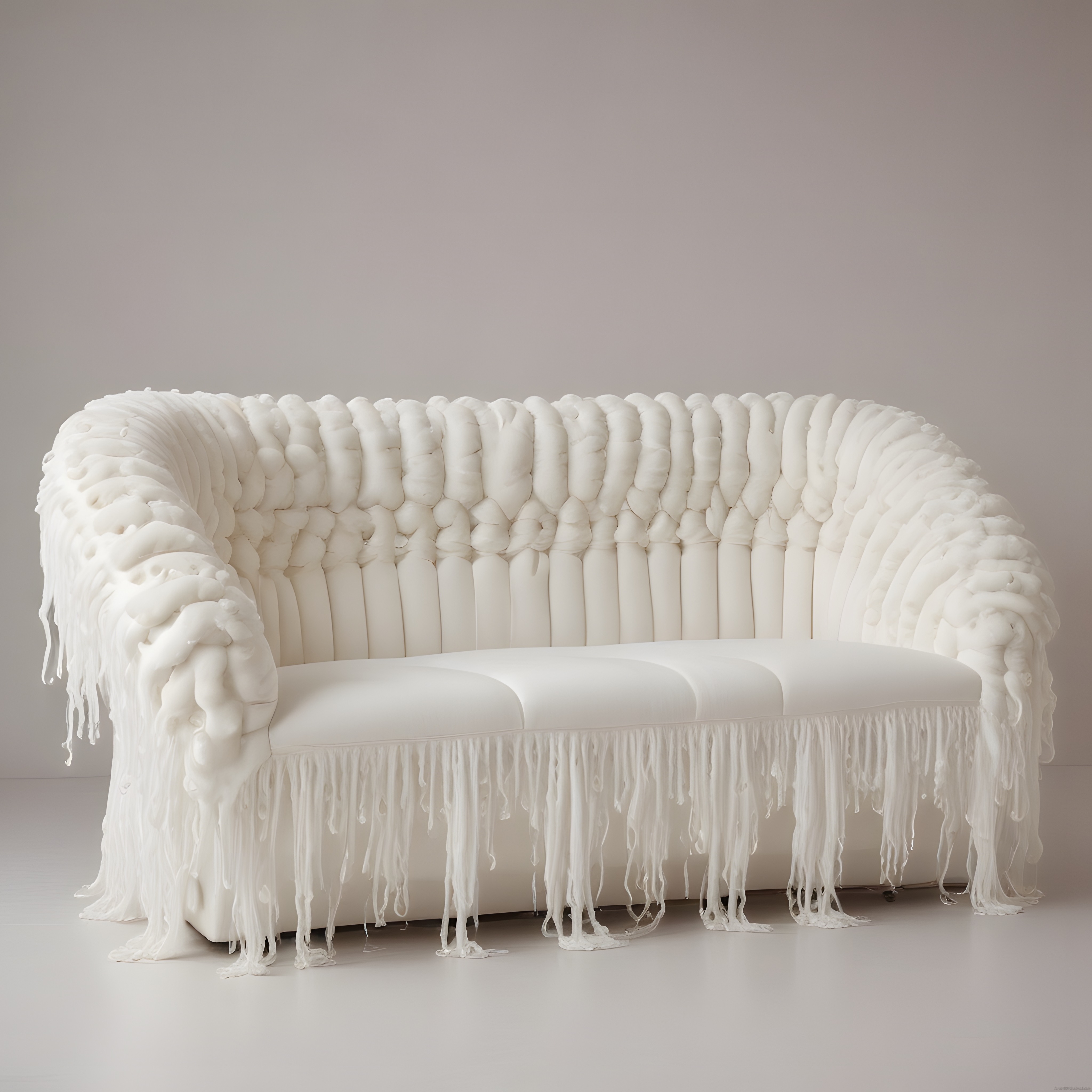
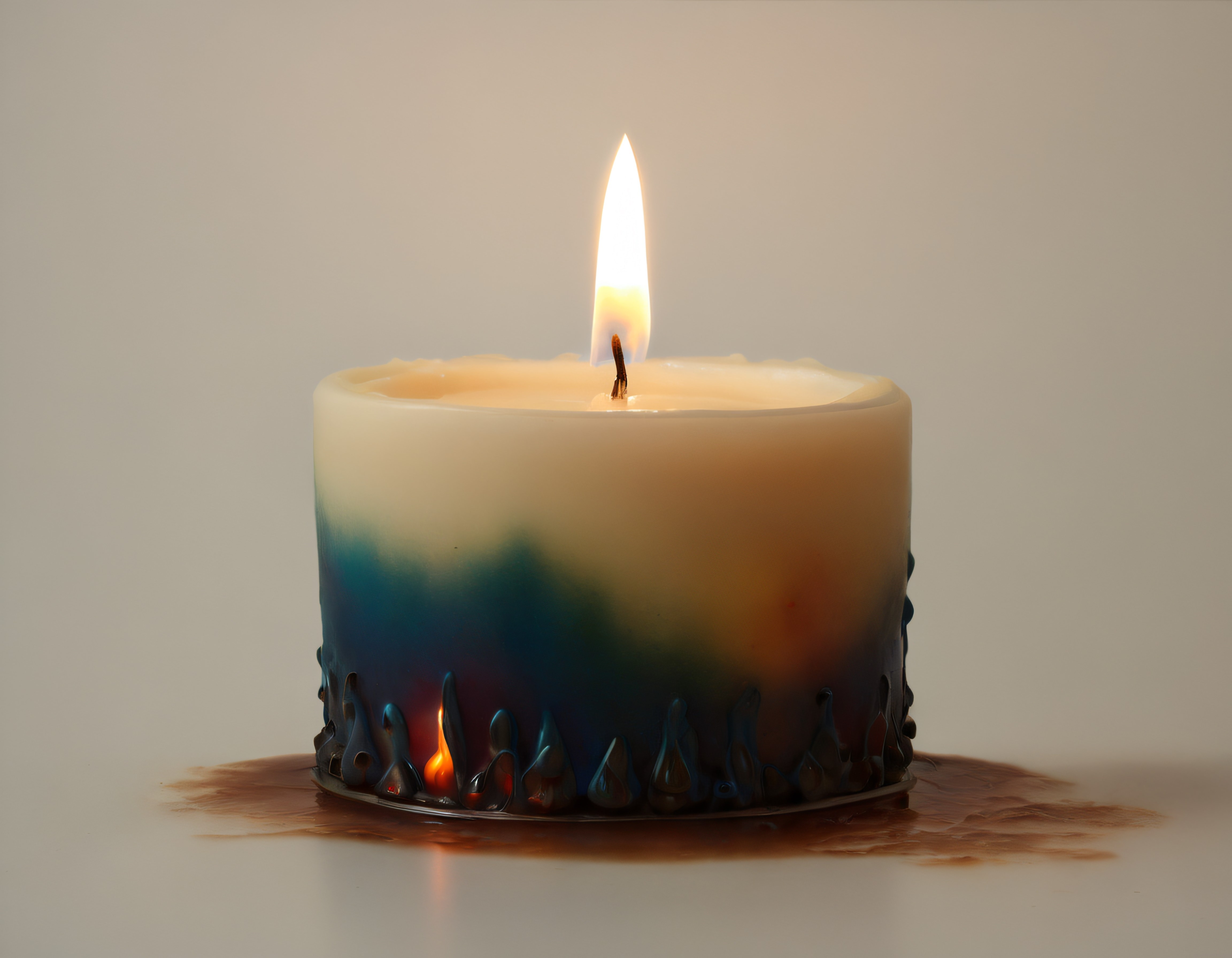
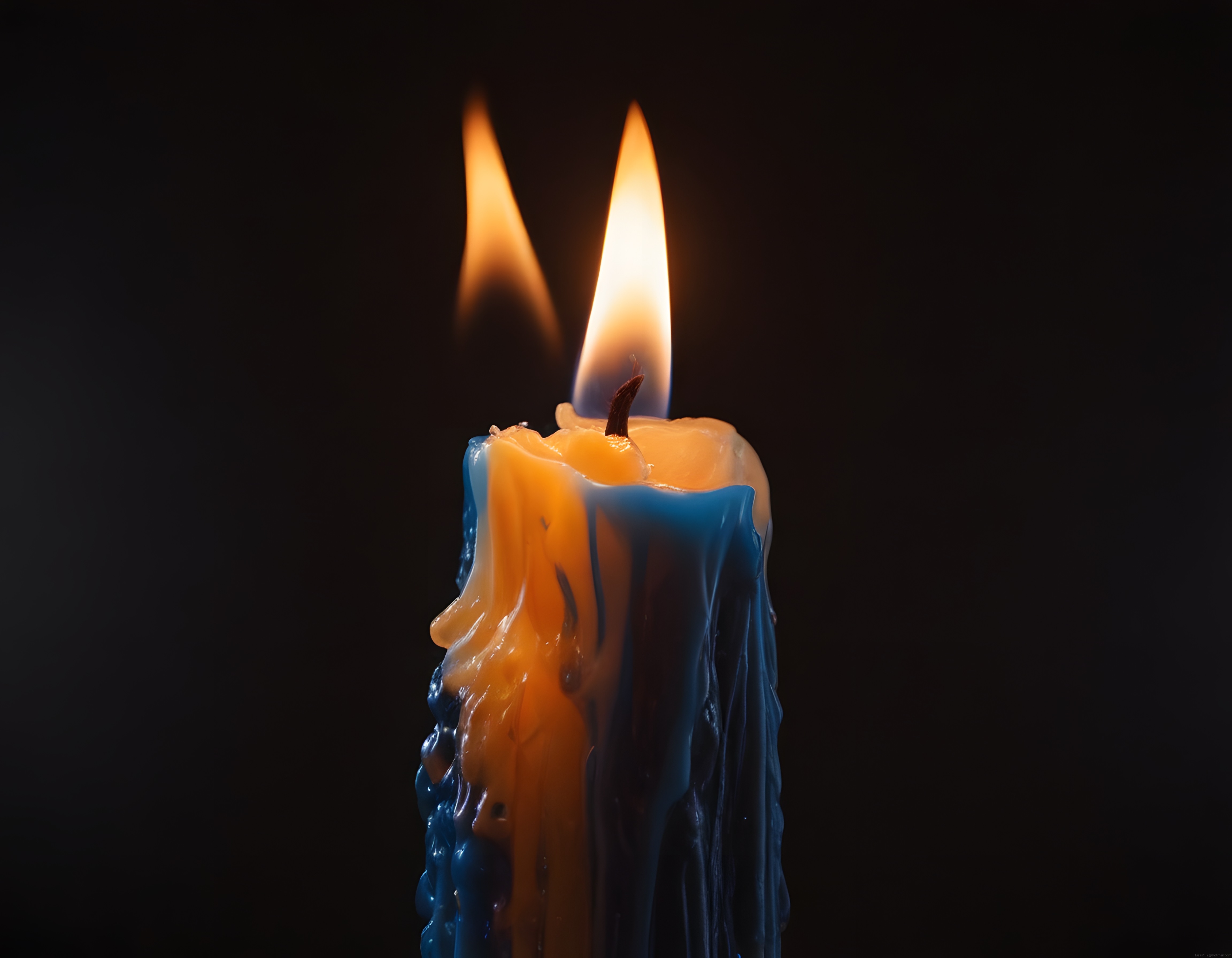
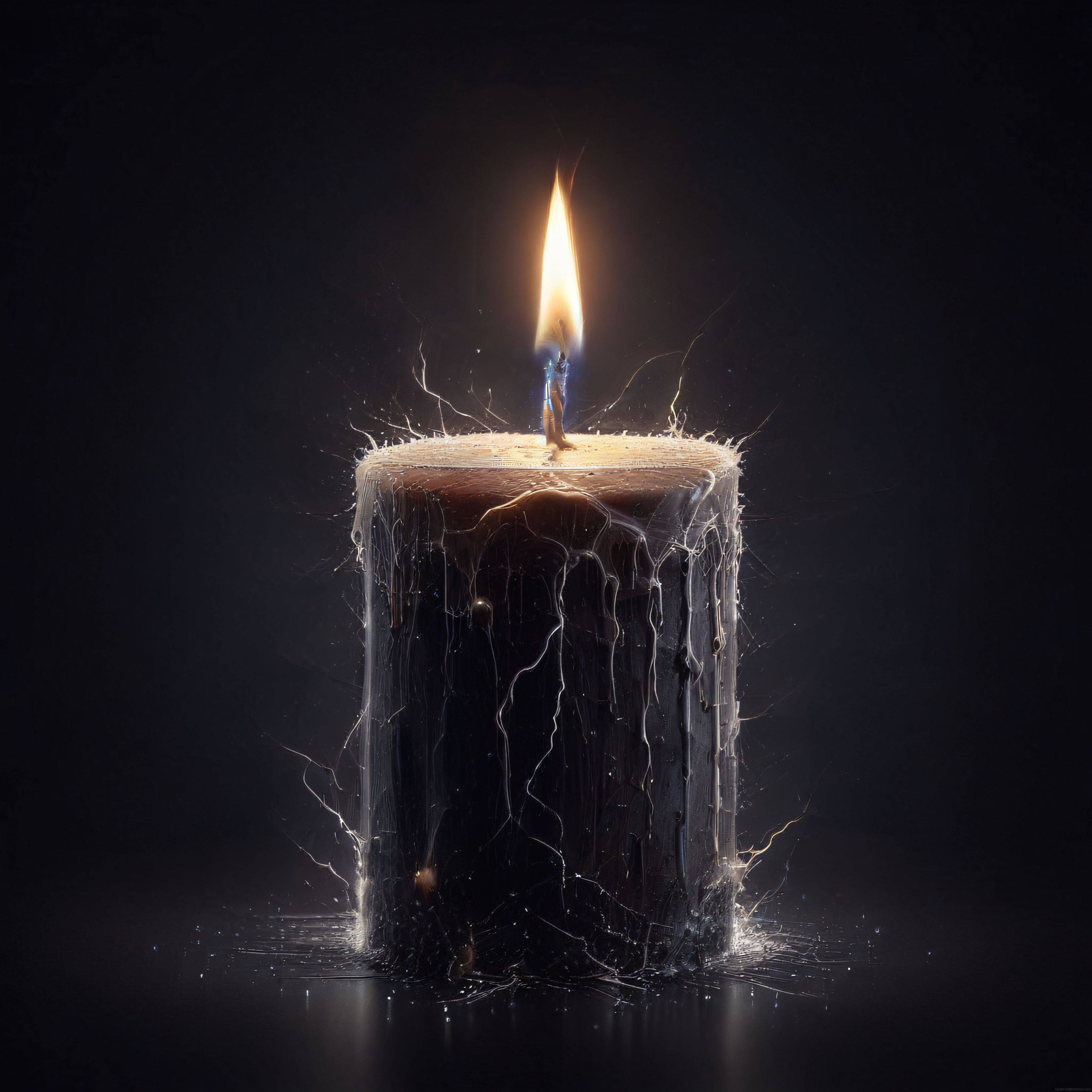
•Arıların peteklerini yapmak için karın halkaları arasından salgıladıkları yumuşak ve sarımsı madde
Diğer Dillerde
AlmancaBienenwachs, bohnern wachsen, Bohnerwachs, größer werden, Wachs, Wachs- (nötr) /ˈbiːnənˌvaks/
beeswax
çekim: çoğul Bienenwachse · tamlayan Bienenwachses
köken: Biene + -n- + Wachs
aile: Bienenwachskerze
Thy edlen Form ist, sondern eine Form aus Wachs, — Senin asil şekli ama balmumu bir form,
beeswax · earwax · sealing wax
çekim: çoğul cires
köken: Inherited from Middle French cire, from Old French cire, chiere, ciere, from Latin cēra.
aile: caractère de cire, cirage, ciré, cire à cacheter, cire d'abeilles, cire d'Espagne, cire grasse, cire orthodontique, cire perdue, cirement
Vous voyez encore la cire d'abeille s'égoutter. — Damlayan balmumunu hala görebilirsiniz.
to polish · to knead · to make into balls
çekim: geçmiş boleé · ortaç boleado · şimdiki bolea
eş: matar
Aún se ve la cera goteando. — Damlayan balmumunu hala görebilirsiniz.
İtalyancacera d'api, cerare, crescere, di cera, divenire, diventare (dişil)
beeswax
çekim: çoğul cere d'api
Si vede ancora la cera che cola. — Damlayan balmumunu hala görebilirsiniz.
Rusçaвоск /vosk/
пластичная масса жёлтого или белого цвета, производимая пчёлами для постройки сот
çekim: tamlayan во́ска
eş: вощина
köken: Inherited from Proto-Slavic *voskъ.
aile: воско́вка, воскобо́йня
Собственно, данный API и решает такую задачу. — Arı balmumu bu işlemde görev alır.
Arapçaشَمَع, شَمْع, شَمْع الْعَسَل
"2 مليون جنيه لتطوير إضاءة المتحف المصري للعمل ليلًا". — "Balmumu müzesinde hedef 2 milyon turist".
to escape · to free · to liberate
çekim: geçmiş رست · ortaç رسته · şimdiki میرهد · ulaç رهنده
köken: From Proto-Iranian *raz- (“to leave, escape (one's notice)”), related to Proto-Indo-Iranian *raȷ́ʰ- (“to abandon”). Cognate with Sanskrit रहति (rahati, “to abandon”) and रहस्य (rahasya, “mystery”); see the latter for more.
aile: رها, رهایی, رستگار, رستگاری
Azericearı mumu, mum
Kazakçaара балауызы, балауыз
Tatarcaбалавыз
Felemenkçeaanwassen, bijenwas, groeien, met was insmeren, toenemen, was /ˈaːnˌʋɑ.sə(n)/
to wax, to grow, to increase (to undergo growth) · to grow back, to regrow · to befall, to happen to, to be acquired
çekim: geçmiş wiesen aan · ortaç aangewassen · şimdiki wast aan · ulaç aanwassend
köken: From Middle Dutch aenwassen. Equivalent to aan + wassen.
Uw nobele vorm is, maar een vorm van was, — Senin asil şekli ama balmumu bir form,
Portekizcecera de abelha, céreo, ceroso, crescer, ficar, tornar-se (dişil)
beeswax (wax secreted by bees)
çekim: çoğul ceras de abelha
Teu forma nobre é mas uma forma de cera, — Senin asil şekli ama balmumu bir form,
to depilate, to remove hair
çekim: geçmiş αποτρίχωσα · ortaç αποτριχωμένος
eş: αποψιλώνω, ξυρίζω
Σου ευγενή σχήμα δεν είναι παρά μια μορφή του κεριού, — Senin asil şekli ama balmumu bir form,
to be achieved; to be completed · to become; to change into; to turn · to reach a time; to get to a timepoint
çekim: geçmiş なった
zıt: する
köken: From Old Japanese, ultimately from Proto-Japonic *naru. Related to 生(な)る (naru).
LADYキャピュレットヴェローナの夏は、このような花ではなく、かれら。 — Tüm dünyada olduğu gibi neden balmumu he'sa adam.
ついに五連覇がなる
念願なって一人立ちする
メンタルがなってない
Korece밀랍 /miɭɭa̠p̚/
beeswax, wax
köken: Sino-Korean word from 蜜蠟 (“beeswax, wax”)
온 세상으로 - 왜 왁스의 he'sa 사람. — Tüm dünyada olduğu gibi neden balmumu he'sa adam.
İsveççebivax, tillta, tilltagande, vax, växa (nötr)
beeswax (wax secreted by bees)
çekim: tamlayan bivaxets
köken: bi + vax
Palsternacka odlades redan i antikens Grekland. — Lost-balmumu Antik Yunan'a yayıldı.
Lehçewosk, wosk pszczeli, woskować, woskowy (eril) /ˈvɔsk/
wax, vinyl record
çekim: çoğul woski · tamlayan wosku
köken: Etymology tree Proto-Balto-Slavic *wáśka Proto-Slavic *voskъ Old Polish wosk Polish wosk Inherited from Old Polish wosk, from Proto-Slavic *vòskъ /*vȍskъ. Sense 2 is a semantic loan from English wax.
aile: woskowaty, woskowy, woszczysty, woskarka, woskarz, woskowiec, woskowina, woskownica, woskówka, woszczyna
Twój szlachetny kształt jest tylko formą z wosku, — Senin asil şekli ama balmumu bir form,
Ukraynacaбджоли́ний ві́ск, віск, во́сковий /ʋʲisk/
çekim: çoğul во́ски · tamlayan во́ску
köken: From Proto-Slavic *voskъ.
Я міг би розповісти вам казки воску шевця які б відразу ви з людською природою. — Ayakkabıcı balmumu masalları anlayabiliyordu hangi insan doğası ile tiksinti. '
Hintçeमधुमोम, मोम (eril) /moːm/
çekim: çoğul मोमों
köken: Borrowed from Classical Persian موم (mōm, mūm). Compare Bengali মোম (mōm), Punjabi ਮੋਮ (mom).
aile: मोमबत्ती
Fincekasvaa, kasvu, mehiläisvaha, muuttua, poistaa vahalla, savikiekko /ˈkɑsʋɑːˣ/
to grow · to grow (into), become · to increase, increment
çekim: geçmiş kasvanut · şimdiki kasvaisi · ulaç kasvava
zıt: kutistua, pienentyä, supistua
köken: From Proto-Finnic *kasvadak (compare Estonian kasvama, Livonian ka’zzõ, Votic kazva), from Proto-Finno-Permic *kaswa- (compare Erzya касомс (kasoms)).
aile: kasvain, kasvama, kasvaminen, kasvanta, kasvi, kasvos, kasvu, kasvattaa, kasvettua, kasvinkumppani
Sinun jalo muoto on vaan eräänlaista vaha, — Senin asil şekli ama balmumu bir form,
Tomaatit kasvoivat auringon paistaessa.
kasvaa aikuiseksi
Hänestä kasvoi lupaava nuori mies.
Çekçevčelí vosk, vosk, voskovat (eril)
beeswax
çekim: çoğul včelí vosky · tamlayan včelího vosku
Jako celý svět - proč he'sa muž vosku. — Tüm dünyada olduğu gibi neden balmumu he'sa adam.
Rumenceceară, ceară de albine, de ceară (dişil) /ˈt͡ʃe̯arə/
third-person singular/plural present subjunctive of cere
çekim: çoğul ceruri · tamlayan ceri
köken: Inherited from Latin cēra. Compare Aromanian tsearã.
aile: ceros, ceriu, cerar, cerui
Orbita sa eliptică în jurul planetei era foarte excentrică (e = 0,9986). — Balmumunun yoğunluğu bire yakındır (0,966).
Macarcagyantáz, méhviasz, viasz /ˈvijɒs/
çekim: çoğul viaszok
aile: viaszos, viaszgyertya, viaszszobrászat
Ez volt Törökország első művészeti múzeuma. — Türkiye'nin ilk balmumu müzesidir.
İbraniceדונג, שַׁעֲוָה, שעווה
כמו כל העולם - למה אדם he'sa של שעווה. — Tüm dünyada olduğu gibi neden balmumu he'sa adam.
Latincecēra, cresco /ˈkreːs.koː/
to rise, grow, grow up; prosper, thrive; increase, multiply, augment · to come to be · to become visible, spring from, arise, come forth
çekim: şimdiki crēscit · ulaç crēscēns
zıt: dēcrēscō, cēdō, concēdō, decēdō, excēdō, discēdō
köken: Etymology tree Proto-Indo-European *ḱer- Proto-Indo-European *-sḱéti Proto-Indo-European *ḱreh₁-sḱéti Latin cresco Inherited from Proto-Indo-European *ḱreh₁-sḱéti, from the root *ḱer- (“to grow, become bigger”), whence also Latin creō, as well as perhaps Proto-Slavic *krěti (“to intensify”).
aile: accrēscō, concrēscō, crēscēns, dēcrēscō, excrēscō, incrēscō, succrēscō, supercrēscō
beeswax
çekim: tamlayan bivoks'
köken: From bi + voks.
Thy ædle form er, men en form for voks, — Senin asil şekli ama balmumu bir form,
Endonezcelilin, lilin lebah, malam /ˈlilɪn/
candle · candela · cerate
çekim: çoğul lilin-lilin
köken: From Malay lilin, from Proto-Malayo-Polynesian *lilin.
aile: pelilin [agentive, qualitative, instrumental, abstract, measure], pelilinan [agentive, measure + resultative, locative, collective, variety
Lilin lebah memiliki titik lebur yang rendah, antara 62-64 derajat Celcius. — Balmumunun erime sıcaklığı 62-65 °C'dir.
Vietnamcasáp, sáp ong /saːp̚˧˦/
pomade · candle · clipping of bút sáp (“crayon”)
köken: From Proto-Vietic *k-raːp (“wax”), probably from Old Chinese 蠟 (OC *k.rˤap) (B-S) (SV: lạp). However, as the Chinese word was not attested until the 2nd to 3rd century CE, the loan direction could be from Proto-Vietic into Old Chinese instead. In that case, the Proto-Vietic could be from another Sino-Tibetan source; compare Proto-Sino-Tibetan *s-krjap (“bug; ant; insect (lac); cochineal”), whence…
aile: bút sáp, giấy sáp, phấn sáp, sáp màu
Thy cao quý hình dạng là hình thức sáp, — Senin asil şekli ama balmumu bir form,
Eş & Zıt Anlamlılar
Örnek Cümleler
Bu balmumu heykel çok gerçekçi.
This wax sculpture is very realistic.
Senin asil şekli ama balmumu bir form,
Thy noble shape is but a form of wax,
Damlayan balmumunu hala görebilirsiniz.
You still see the beeswax dripping.
Balmumu epilasyon yöntemlerinden biridir.
Waxing is one method of hair removal.
Tüm dünyada olduğu gibi neden balmumu he'sa adam.
As all the world--why he's a man of wax.
Ayrıca balmumu ve kilden küçük figürler de yapmıştır.
He also did small figures in wax and clay.
Curtius, Tussaud'a balmumu modelleme sanatını öğretti.
Curtius taught Tussaud the art of wax modelling.
Genellikle plastik ambalaj veya balmumu kağıdına paketlenir.
They are often packaged in plastic wrap or wax paper.
Hassas dökümünün bir avantajı, balmumunun tekrar kullanılabilmesidir.[1]
One advantage of investment casting is that the wax can be reused.[1]
Kafasının balmumu reprodüksiyonu, Ripley's Believe It or Not! müzesinde.
A wax reproduction of his head is in the Ripley's Believe It or Not museum.
Curtius 1794'te öldüğünde, balmumu eserleri koleksiyonunu Tussaud'a bıraktı.
When Curtius died in 1794, he left his collection of wax works to Tussaud.
Marie'nin amcası diyeceği Curtius, balmumu modelleme konusunda yetenekliydi.
Curtius, whom Marie would call her uncle, was skilled in wax modeling.