öğrenci
/øːɾænˈdʒi/
noun
B1 seviye
TR → EN
"öğrenci" kelimesinin İngilizcesi: student, pupil, student, student, apprentice. Anlamı, çevirisi, telaffuzu ve örnek cümleler aşağıdadır.
Çeviri
Genelstudentnoun
Genelpupil
Genelstudent
Genelstudent
Genelapprentice
Genelstudent
Genelapprentice
Genelpupil
Genelpupil
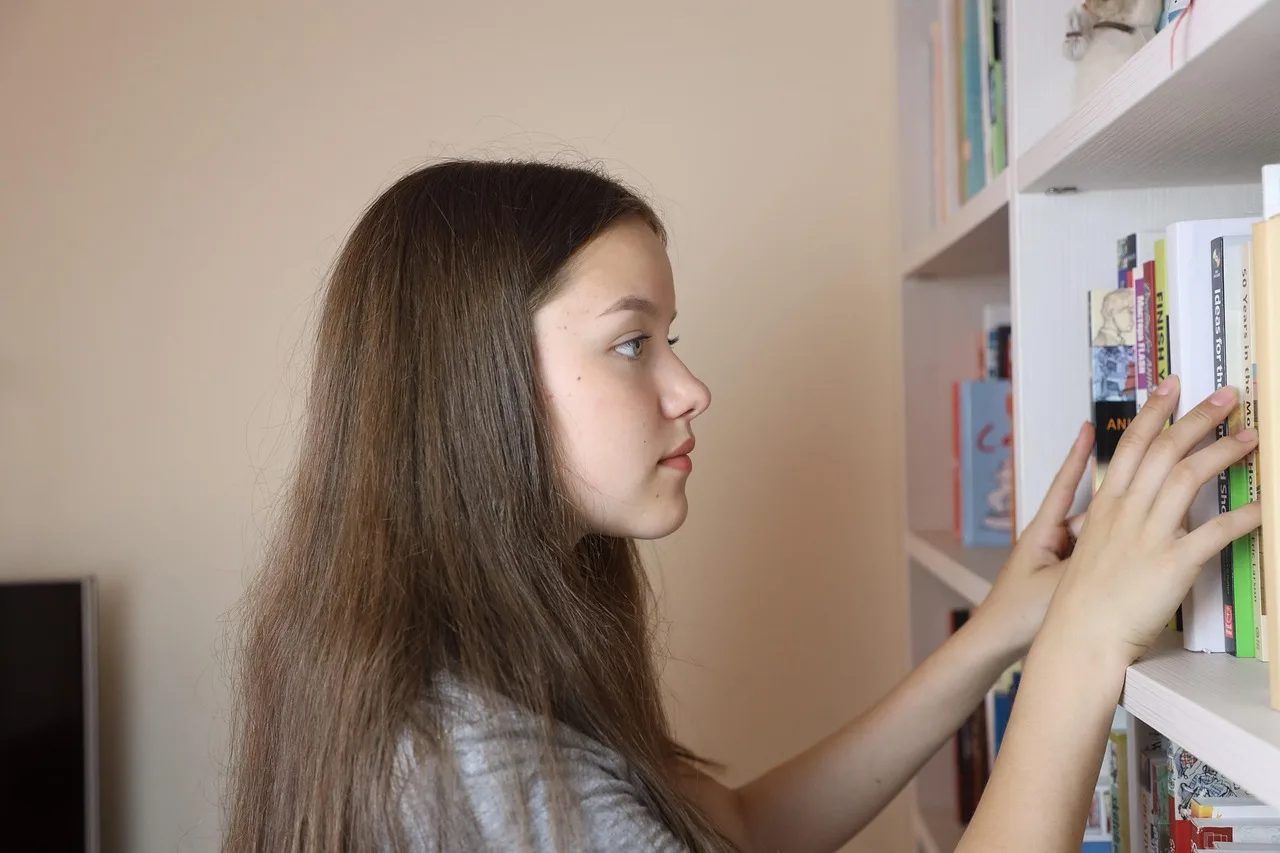
Görsel



Çekim Tablosu
Belirtme (-i)öğrenciyi
Yönelme (-e)öğrenciye
Bulunma (-de)öğrencide
Çıkma (-den)öğrenciden
Tamlayan (-in)öğrencinin
Çoğul (-ler)öğrenciler
Tanım
•isim: Öğrenim görmek amacıyla ders alan kimse; okul çocuğu, mektep çocuğu, mektepli, şakirt, talebe, tilmiz
•Bir bilim veya sanat yetkilisinin gözetimi ve yol göstericiliği altında belli bir konuda çalışan kimse
•Özel ders alan kimse
Diğer Dillerde
Almancaschüler, studentin (eril) /ˈʃyːlɐ/
pupil, student, schoolboy (male or of unspecified gender) · disciple (male or of unspecified gender)
çekim: çoğul Schülern · tamlayan Schülers
köken: From Middle High German schuolære, from Old High German scuolāri, from Medieval Latin scholaris; analyzable as Schule + -er.
aile: schülerhaft, Schülerin
165 Kinder. — 165 öğrenci.
Fransızcaétudiant, Étudiant (eril) /e.ty.djɑ̃/
student
çekim: çoğul étudiants
eş: 👨🎓
aile: estudiantin, étudiant d'échange
Cinquante cinq étudiants. — 55 öğrenci.
İspanyolcaalumna, alumno, discente, educando, estudiante, niñeta (dişil) /aˈlumna/
female equivalent of alumno: female student
çekim: çoğul alumnas
165 niños. — 165 öğrenci.
İtalyancastudente (eril) /stuˈdɛn.te/
student · grader
çekim: çoğul studenti
eş: allievo, alunno, discente, discepolo, liceale, scolaro
köken: From Latin studentem.
55 studenti. — 55 öğrenci.
Rusçaученик, школьник
165 детей. — 165 öğrenci.
Arapçaإنْسَان العَيْن, بُؤْبُؤ, تلميذ, تِلْمِيذ, تِلْمِيذَة, حَدَقَة (eril) /til.miːð/
pupil, student, disciple · apprentice · cadet
çekim: çoğul تَلَامِيذ · tamlayan تِلْمِيذٍ
köken: From Hebrew תַּלְמִיד (talmīḏ) and Aramaic תַּלְמִידָא (talmīḏā), from Akkadian 𒊑𒈪𒁺 (talmīdu). Related to Classical Syriac ܬܠܡܝܕܐ (talmīḏā), Ge'ez ተልሚድ (tälmid), تَلْمُود (talmūd), another borrowing from the same Hebrew and Aramaic root. Formations after the root pattern ت ل م ذ (t l m ḏ) have been innovated in Arabic afterwards.
55 طالب — 55 öğrenci.
Farsçaتِلْمیذ, خوانَنْدِه, دانِشآموز, دانِشْجو, شاگِرْد, طالِب
pupil of the eye
çekim: çoğul қарақтар · tamlayan қарақтың
köken: From Proto-Turkic *karak (“eye; pupil of eye”).
Özbekçekoʻz qorasi, o'quvchi, oʻquvchi, qorachiq, shogird, talaba
student
çekim: çoğul talabalar · tamlayan talabaning
köken: Borrowed from Arabic طَلَبَة (ṭalaba), plural of طَالِب (ṭālib).
Tatarcaкүз карасы, укучы
Felemenkçeleerling (eril) /ˈleːr.lɪŋ/
a learner, someone who learns · someone formally enrolled for some education: a pupil, student, apprentice, disciple
çekim: çoğul leerlingen
köken: From leren + -ling.
aile: medeleerling
165 leerlingen. — 165 öğrenci.
Portekizceacadémica, acadêmica, académico, acadêmico, aluna, aluno /ɐ.kɐˈdɛ.mi.kɐ/
feminine singular of académico
Vou escrevê-lo desta forma, meninos e meninas é de quatro: sete. — 55 öğrenci.
Yunancaκόρη, μαθητής, μαθήτρια, μελετητής, σπουδαστής, σπουδάστρια (dişil) /ˈko.ɾi/
daughter · maiden, girl · kore (the modern term for an ancient Greek statue of a young woman)
çekim: çoğul κόρες · tamlayan κόρης
eş: κορίτσι, θυγατέρα
köken: Inherited from Ancient Greek κόρη (kórē).
165 παιδιά. — 165 öğrenci.
pupil, student (a child who goes to elementary school) · minor, child, juvenile · person under 20 years of age under the Japanese Mother and Child, Father and Child, and Widows Welfare Law
eş: 子供
aile: 就学児童, 児童委員, 児童館, 児童画, 児童期, 児童虐待, 児童憲章, 児童劇, 児童公園, 児童心理学
女の子と男の子の比率がわかっています。 — 55 öğrenci.
Çinceщүәсын, 學生 /学生
工作人员或创业者 学生 — öğrenci olarak
Korece학생 /ha̠ks͈ɛŋ/
student, scholar, school pupil
eş: 학도
köken: Sino-Korean word from 學生.
aile: 고등학생(高等學生), 대학생(大學生), 소학생(小學生), 중학생(中學生), 초등학생(初等學生)
55명. — 55 öğrenci.
최근에 박사 과정을 시작했는데 다시 학생이 돼서 기분이 좋습니다.
İsveççeelev, ögonsten, studentska
a student, a pupil (at school, or more generally)
çekim: çoğul elever · tamlayan elevs
köken: Borrowed from French élève (“pupil, student”).
studerande — öğrenci olarak
elever i grundskolan
Jag är mästarens elev
Lehçeuczeń, uczennica, wychowanek, źrenica (eril) /ˈu.t͡ʂɛɲ/
student, schoolboy, pupil (someone who learns at school) · apprentice, disciple (one who studies a trade from a master) · pupil, apprentice, learner, disciple (person who acquires skills in science, art or morals under the guidance of a master)
çekim: çoğul uczniowie · tamlayan ucznia
eş: student, słuchacz, uczniak, adept, elew, praktykant
zıt: mistrz
köken: Etymology tree Old Polish uczyć Proto-Slavic *-ьnь Old Polish -eń Old Polish uczeń Polish uczeń Inherited from Old Polish uczeń. By surface analysis, uczyć + -eń. Compare Kashubian ùczéń and Slovincian wùczeń.
165 dzieci. — 165 öğrenci.
Ukraynacaзіни́ця, зі́нка, учени́ця, у́чень
55 учнів. — 55 öğrenci.
student, pupil, disciple · schoolboy
çekim: çoğul छात्रों
köken: Borrowed from Sanskrit छात्र (chātra).
Fincemustuainen, opiskelija, oppilas, pupilli, silmäterä, tutkija /ˈmustuɑi̯nen/
pupil, black (of the eye) (part of an eye) · Used of some other small, black spots, such as kynnenmustuainen (“rim of dirt under a fingernail”).
çekim: çoğul mustuaiset · tamlayan mustuaisen
köken: musta (“black”) + -uainen
aile: kynnenmustuainen, mustuaisreaktio
Opiskelijan teksti — Öğrenci metni:
student (academic, at university)
çekim: çoğul studenti · tamlayan studenta
eş: studující, posluchač, študent, študák
aile: studentský
Ta má 55 studentů. — 55 öğrenci.
Rumenceelevă, pupilă, studentă (dişil)
female equivalent of elev: schoolgirl, female student
çekim: çoğul eleve · tamlayan eleve
165 de copii. — 165 öğrenci.
Macarcadiák, egyetemista, főiskolás, hallgató, növendék, pupilla /ˈdijaːk/
student
çekim: çoğul diákok
köken: Bulgarian or Serbo-Croatian loanword, compare Bulgarian dialectal дяк (djak, “pupil, deacon”), Serbo-Croatian đak (“pupil”), archaic dijak (“scribe”), from Byzantine Greek διάκος (diákos, “deacon”). Doublet of deák.
aile: diákcsemege, diákcsoport, diákigazolvány, diákkiállítás, diákotthon
165 gyerek. — 165 öğrenci.
İbraniceאִישׁוֹן, סְטוּדֶנְט, סְטוּדֶנְטִית, תַּלְמִיד, תַּלְמִידָה
165 ילדים. — 165 öğrenci.
Latincecora, discens, discipula, discipulum, discipulus, pūpilla /ˈkɔ.ra/
pupil (of the eye)
çekim: çoğul corae · tamlayan corae
köken: Borrowed from Ancient Greek κόρη (kórē).
aile: Corānus, Coracēsium
Dancaelev, pupil, studerende /eleːv/
pupil · student · trainee
çekim: çoğul elever · tamlayan elevs
köken: From French élève (“pupil, student”), from élever (“raise”).
Elevtekst: — Öğrenci metni:
Etimoloji
öğrenmek (“to learn”) + -ci (“-er”)
Deyimler
ilkokul öğrencisi
ortaokul öğrencisi
üniversite öğrencisi
anaokul öğrencisi
hazırlık sınıfı öğrencisi
lise öğrencisi
Kelime Ailesi
öğrencici
öğrencicik
öğrencili
öğrencisiz
öğrenciyken
öğrencice
öğrenciyle
öğrenciyse
Eş & Zıt Anlamlılar
Örnek Cümleler
165 öğrenci.
One hundred sixty-five children.
Öğrenci misin?
Are you a student?
O bir öğrenci.
She is a student.
Sağcı öğrenci.
Honor student.
Öğrenci metni:
Student text:
Biz öğrenciyiz.
We are students.
Ben öğrenciyim.
I am a student.
Bir öğrencisin.
You are a student.
Öğrenci nerede?
Where is the student?
Lise öğrencisi.
He is a high school student.
Lise öğrencisi.
She's a high school student.
Sen öğrencisin.
You're a student.