Sözlük
/yansı
yansı
TR → EN
↔ ters çevir"yansı" kelimesinin İngilizcesi: reverberate, shadow, taxis. Anlamı, çevirisi, telaffuzu ve örnek cümleler aşağıdadır.
Çeviri
Genelreverberate
Genelshadow
Geneltaxis
Görsel
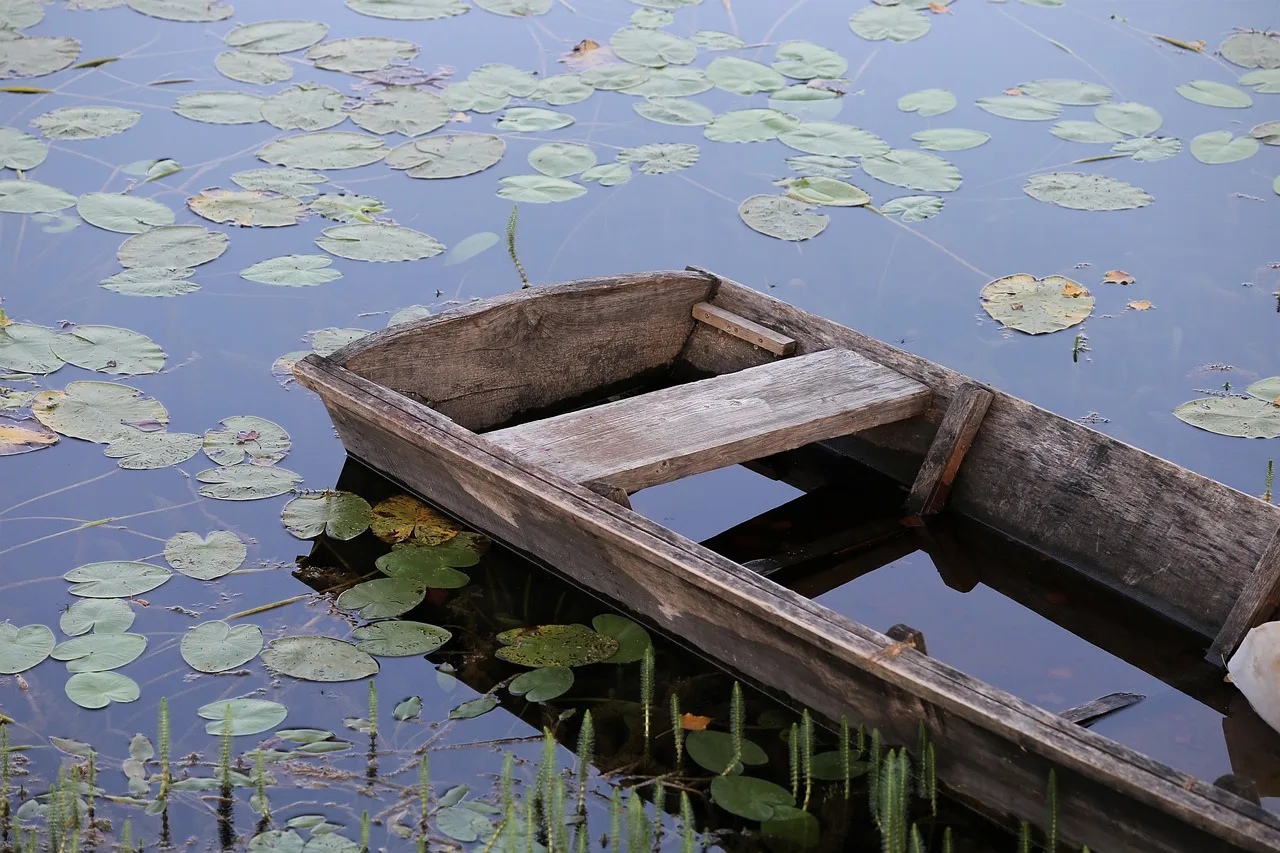


Tanım
•akis
•bilgisayar veya tepegözle hazırlanan saydamın yansıtılmasıyla perdede ortaya çıkan görüntü
•işığın parlak bir yere çarpıp geriye doğru yön değiştirerek kaynağını göstermesi, inikâs
•tepke
•Işığın parlak bir yere çarpıp geriye doğru yön değiştirerek kaynağını göstermesi
•Dıştan gelen bir uyarım sonucu doğan hareket, salgı gibi iç tepkilere yol açan irade dışı sinir etkinliği
Atasözü & Deyim
“Ne şiş yansın ne kebap”
Diğer Dillerde
Almancabeschatten, Schatten /bəˈʃatn̩/
to shadow, beshade (give shade, cast a shadow over) · to shadow (secretly follow and observe)
çekim: geçmiş beschattete · ortaç beschattet · şimdiki beschattet · ulaç beschattend
köken: From Middle High German beschatewen, beschetwen, from Old High German biskatawen, from Proto-West Germanic *biskadwijan. Equivalent to be- + schatten. Cognates include Dutch beschaduwen and English beshadow.
aile: Beschatter, Beschattung
Glanz-Effekt: — Ayna yansıma:
Fransızcafiler, ombre, prendre en filature /fi.le/
to spin (a web) · to thread through (a crowd) · to spin a thread (of syrup, or syrup-like substances)
çekim: geçmiş filé · ortaç filé · şimdiki file · ulaç filant
köken: Inherited from Late Latin fīlāre. Derivable from fil + -er.
aile: filer à l'anglaise, filer du mauvais coton, filer entre les doigts, filer par le bout, filer un mauvais coton, métaphore filée
Surbrillance spéculaire & #160;: — Ayna yansıma:
Tu pourrais me filer le sel, s'il-te-plaît ?
Elle m'a filé des classes d'anglais.
- Il a averti le préfet ? - Parbleu, et le préfet a donné l’ordre aux camarades de vous filer.
İspanyolcaaprender imitando, sombra, ver cómo trabaja (dişil) /ˈsombɾa/
shadow (a dark image projected onto a surface where light (or other radiation) is blocked by the shade of an object) · shade (darkness where light, particularly sunlight, is blocked) · shade, shadow (a small degree)
çekim: çoğul sombras
eş: oscuridad, confusión, ignoracia, atisbo, indicio, aparición
zıt: luz, sol
köken: Possibly from the verb sombrar (from Vulgar Latin *subumbrāre), or more likely from Latin umbra (“shade, shadow”), possibly altered by influence from sol (“sun”) (cf. Old Spanish solombra (literally “sunshade”)) or the Latin prefix sub-. An alternative explanation for this form is a Latin construction sub illa umbra (“under that shade”).
aile: a la sombra, asombrar, hacer sombra, libro de las sombras, peaje en la sombra, sol y sombra, sombra de ojos, sombra de toro, sombra orográfica, tendido de sombra
Especular: — Ayna yansıma:
sin sombra de duda
İtalyancaombra, pedinare (dişil) /ˈom.bra/
shade, shadow · a glass of wine (corresponding to one eighth of a liter of wine)
çekim: çoğul ombre
eş: macchia, proiezione, riflesso, sagoma, buio, offuscamento
köken: From Latin umbra, probably from Old Latin *omra, possibly from a Proto-Indo-European *h₂mr-u-, *h₂mrup-.
aile: ombreggiare, ombretto, ombria
Speculare: — Ayna yansıma:
Vuoi un'ombra di rosso o di bianco?
Rusçaотражение (nötr) /ɐtrɐˈʐɛnʲɪje/
reflection, reverberation · repulse, parry, warding off
çekim: çoğul отраже́ния · tamlayan отраже́ния
köken: отрази́ть (otrazítʹ) + -е́ние (-énije)
Зеркальный: — Ayna yansıma:
imagination · shadow · fiction
çekim: çoğul خَيَالَات · tamlayan خَيَالٍ
aile: خيالي
الإنعكاسية: — Ayna yansıma:
بِنَفْسِي الْخَيَالُ الزَّائِرِي بَعْدَ هَجْعَةٍ / وَقَوْلَتُهُ لِي: بَعْدَنَا الْغُمْضَ تَطْعَمُ؟
Azericekölgə /cœlˈɟæ/
shadow
çekim: çoğul kölgələr · tamlayan kölgənin
köken: From Proto-Turkic *köl-. Compare Turkish gölge, Crimean Tatar kölge and Turkmen kölege.
kölgə atmaq
kölgə salmaq
kölgə iqtisadiyyatı
Kazakçaкөлеңке
shadow, shade
çekim: çoğul көлеңкелер · tamlayan көлеңкенің
köken: From *köläkä (“shadow, shade”), from Proto-Turkic *köl (“shadow, shade”). Cognate with Azerbaijani kölgə, Bashkir күләгә (küləgə), Crimean Tatar kölge, Kyrgyz көлөкө (kölökö), Tuvan хөлеге (xölege), Turkmen kölege and Yakut күлүк (külük).
aile: көлеңкелеу, көлеңкелі
Tatarcaкүләгә
Felemenkçeschaduw, schaduwen (dişil) /ˈsxaː.dyu̯/
shade · shadow · blemish
çekim: çoğul schaduwen
köken: From Middle Dutch schaduwe, from Old Dutch scado, from Proto-West Germanic *skadu. Cognate with German Schatten.
aile: beschaduwen, bijschaduw, halfschaduw, kernschaduw, nachtschade, nachtschaduw, oogschaduw, schaduwbank, schaduwen, schaduwkabinet
Spekular-effect: — Ayna yansıma:
Portekizcepenumbra, sombras, sombreado, sombrear, vulto (dişil) /peˈnũ.bɾɐ/
situation of low light
çekim: çoğul penumbras
köken: From New Latin penumbra, from Latin paene (“almost”) + umbra (“shadow”).
Especular: — Ayna yansıma:
Yunancaανάταξη, γίνομαι σκιά, επισκιάζω, ίσκιος, παρακολουθώ, σκιά (dişil)
taxis, resetting · repositioning
çekim: çoğul ανατάξεις · tamlayan ανάταξης
Κατοπτρική: — Ayna yansıma:
tailer; tail (a person who stealthily follows someone)
köken: 尾行(びこう) (bikō, “tailing, shadowing”) + 者(しゃ) (-sha, “person”)
鏡面ハイライト: — Ayna yansıma:
shadow · trace (e.g. of an author's writing style) · impression; visualisation
eş: 影, 影兒, 影兒, 影兒, 影兒, 影影兒
aile: 影子內閣, 影子内阁, 影子大臣, 影子政府, 影子部長, 影子部长
那是屬於他們彼此的幻夢。 — İkisi de birbirinin yansıması.
İsveççeskugga
a shadow; shade; the darkness that follows · a shadow, a spy; a discrete follower
çekim: çoğul skuggor · tamlayan skuggas
köken: From Old Norse skuggi.
Speglande: — Ayna yansıma:
Lehçecień (eril) /ˈt͡ɕɛɲ/
shade (darkness where light, particularly sunlight, is blocked) · shadow (dark image projected onto a surface where light is blocked by an object) · shadow, outline (faintly visible object)
çekim: çoğul cienie · tamlayan cienia
eş: sylwetka, pastele, duch, mara, zjawa
köken: Inherited from Old Polish cień.
aile: cienisty, blaski i cienie, półcień, światłocień, położyć się cieniem, kłaść się cieniem, bez cienia wątpliwości
Odbicie zwierciadlane: — Ayna yansıma:
Дзеркальний: — Ayna yansıma:
shade, a shady place · shadow, silhouette · apparition, spectre
çekim: çoğul छायाएँ
köken: Borrowed from Sanskrit छाया (chāyā́). Doublet of छाँव (chā̃v) and साया (sāyā).
तुम्हें छाया में बैठना चाहिए, क्योंकि बहुत गर्मी है।
पृथ्वी की छाया चन्द्रमा पर है।
brief appearance or apparition; glimpse, touch, hint, trace
çekim: çoğul häivähdykset · tamlayan häivähdyksen
köken: häivähtää + -ys
Luonnon ajatellaan olevan sielullinen. — Tabiat ruhu yansıtır.
to follow · to tail, to track · to watch (object or event that changes state)
çekim: geçmiş sledovala · ortaç sledovala · şimdiki sleduje
eş: pozorovat, kontrolovat, pronásledovat
köken: Inherited from Proto-Slavic *slědъ + -ovat.
aile: následovat, pronásledovat, sledovávat, vysledovat
Odraz: — Ayna yansıma:
Sledoval jsi včera ten zápas?
Sleduji večerní zprávy.
Rumenceumbră (dişil) /ˈum.brə/
shadow
çekim: çoğul umbre · tamlayan umbre
köken: Inherited from Latin umbra (“shadow”), probably from Old Latin *omra, possibly from a Proto-Indo-European *h₂mr-u-, *h₂mrup-. Compare Aromanian aumbrã.
aile: umbrar
Specular: — Ayna yansıma:
Macarcaárny, árnyék, helyre tevés, helyretétel, taxis /ˈaːrɲ/
shadow, shade · ghost
çekim: çoğul árnyak
köken: Back-formation from árnyék. Created during the Hungarian language reform, which took place in the 18th–19th centuries.
aile: árnyal, árnyas, árnytalan, árnyjáték
Spekuláris: — Ayna yansıma:
İbraniceצֵל
החזרת אור: — Ayna yansıma:
Latinceumbra /ˈʊm.bra/
shadow · shade, shady place, shadowy place · shade, ghost, phantom, apparition
çekim: çoğul umbrae · tamlayan umbrae
köken: Generally connected with Lithuanian unksna (“shade”), from Proto-Indo-European *wnksrā-. This term is tentatively derived from Proto-Indo-European *(H)wenk- (“to bend”); however, the semantic leaps required to go from "bend" to "shade" are large and unlikely. Alternatively, if from Old Latin *omra, possibly from a Proto-Indo-European *h₂mr-u-, *h₂mrup-; related to Ancient Greek ἀμαυρός (amaurós,…
aile: umbella, umbrāculum, umbrāliter, umbrāticola, umbrāticus, umbrātilis, umbrēscō, umbrifer, umbrō, umbrōsus
nudus Arboris Othrys erat nec habebat Pelion umbras
Umbra loco deerat: qua postquam parte resedit dis genitus vates et fila sonantia movit, umbra loco venit.
“… vel Pater omnipotēns adigat mē fulmine ad umbrās,
Dancaskygge (nötr) /ˈsɡ̊yɡ̊ə/
shadow · shade
çekim: çoğul skygger · tamlayan skygges
köken: From Old Danish skuggæ, skyggi, from Old Norse skuggi, from Proto-Germanic *skuwwô (“shadow, reflection”). The Danish noun has taken over the vowel from the verb, see below.
aile: bredskygget, halvskygge, hatteskygge, kasketskygge, skyggeagtig, skyggebillede, skyggefuld, skyggegivende, skyggekabinet, skyggeløs
Spekular: — Ayna yansıma:
Der er 30 grader i skyggen.
Deyimler
Eş & Zıt Anlamlılar
Örnek Cümleler
Yansıma nedir?
What is an onomatopoeia?
Sen İtalyansın.
You're Italian.
Su ışığı yansıtır.
Water reflects light.
Yaptığını yansıttı.
She reflected on what she had done.
Tuhaf bir bayansın.
You're a weird lady.
Alyansımı kaybettim.
I lost my wedding ring.
Fiyat talebi yansıtır.
The price reflects the demand.
Işıltı şişede yansıdı.
The flash was reflected in the bottle.
Dağlar gölde yansıyor.
The mountains are reflected in the lake.
Tom alyansını kaybetti.
Tom lost his wedding ring.
Camda yansımamı gördüm.
I saw my reflection in the window.
Sanat, hayatı yansıtır.
Art imitates life.
İlgili Sorular
Güneş ışığı hangi tip ışık olarak sınıflandırılır? Yansıma, geçirme ya da absorpsiyon mu?
Drogba'nın şu anki formu, yeteneğinin gerçek bir yansıması mı yoksa sadece bir konjonktür mü?
Atmosferdeki Kaos ve Kelebek Etkisi nedir, bunların hava tahminlerine yansımaları nasıl olur?
Demokratların kök hücre araştırmasına destek vermesi ACTC hissesine olumlu yansır mı?
İnsanoğlunun Afrika kökenli olduğu bilinci, kutsal yaratılış hikayesinin kabulüne nasıl yansır? Irk burada bir etken mi?