Sözlük
/uzunluk
uzunluk
noun
TR → EN
"uzunluk" kelimesinin İngilizcesi: length, longness, extent, length, specific. Anlamı, çevirisi, telaffuzu ve örnek cümleler aşağıdadır.
Çeviri
Genellengthnoun
Genellongnessnoun
Genelextent
Genellength
Genelspecific
Genellength
Genellength
Görsel
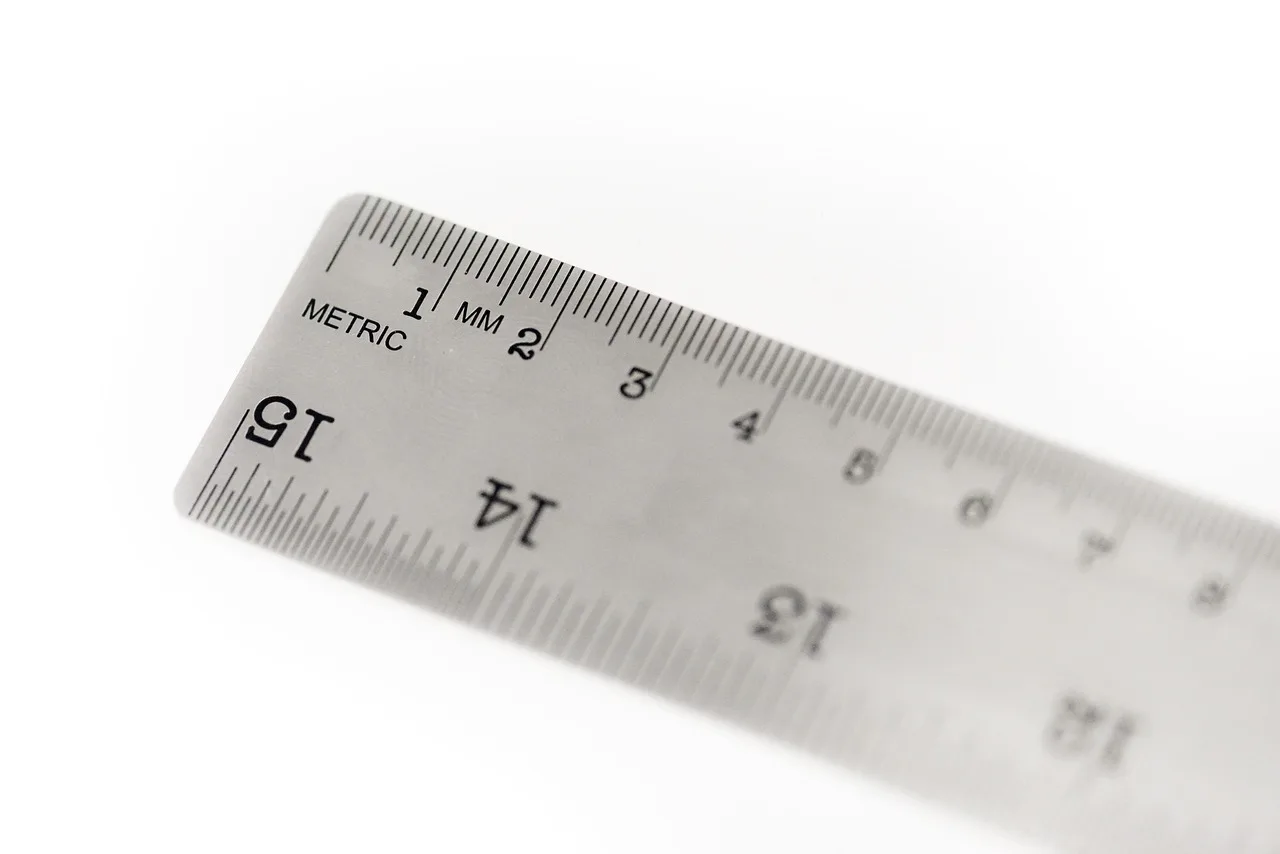
Çekim Tablosu
Belirtme (-i)uzunluğu
Yönelme (-e)uzunluğa
Bulunma (-de)uzunlukta
Çıkma (-den)uzunluktan
Tamlayan (-in)uzunluğun
Çoğul (-ler)uzunluklar
Tanım
•isim: Bir şeyin bir uçtan öbür uca kadar olan uzaklığı
•matematik: İki nokta arasındaki yer aralığının ölçümü; tul
•Bir yüzeyin iki temel boyutundan en büyük olanı; boy (I), en karşıtı
•Yazının, sözün kapsam yönünden genişliği
•Süre yönünden uzun olma durumu
Diğer Dillerde
AlmancaBesonderheit, Länge, Längenmaß, Pferdelänge, Spezifik, Spezifikum (dişil) /bəˈzɔndɐhaɪ̯t/
feature
çekim: çoğul Besonderheiten · tamlayan Besonderheiten
& Länge — & Uzunluk
Fransızcadurée, longueur, spécifique (dişil) /dy.ʁe/
duration, period, time taken
çekim: çoğul durées
eş: longueur
aile: contrat à durée déterminée, contrat à durée indéterminée, durée de vie
& Longueur — & Uzunluk
İspanyolcaduración, eslora, especificidades, específico, largo, largor (dişil) /duɾaˈθjon/
duration, length (time)
çekim: çoğul duraciones
köken: Borrowed from Medieval Latin dūrātiōnem, from Latin dūrō.
& Duración — & Uzunluk
İtalyancalunghezza, particolare, peculiare, specifico (dişil) /lunˈɡet.t͡sa/
length
çekim: çoğul lunghezze
eş: dimensione, misura, estensione, ampiezza, profondità, distanza
köken: From lungo + -ezza; cognate with Piedmontese longhëssa.
& Durata — & Uzunluk
lunghezza d'onda
Rusçaдлина, протяжённость, длительность, продолжительность
длительность, продолжительность
Продолжительность — & Uzunluk
Arapçaطُول
وهو عبارة عن هذا الطول — Bu uzunluk.
Azericeuzunluq /uzuˈnːux/
length, longness · duration · the distance measured along the longest dimension of an object
çekim: çoğul uzunluqlar · tamlayan uzunluğun
köken: From uzun + -luq.
aile: uzunluq dairəsi
Özbekçeuzunlik
Tatarcaозынлык
Felemenkçelengte (dişil) /ˈlɛŋ.tə/
length · height (of a person)
çekim: çoğul lengten
köken: From Middle Dutch lengede, from Old Dutch *lengitha, from Proto-Germanic *langiþō. Corresponds to lang + -te with umlaut (compare lengen). Cognate with German Low German Längde, Längd, Längte, Längt (“length”), English length, Scots lenth, lainth (“length”), Saterland Frisian Loangte (“length”), West Frisian lingte, langte (“length”), Danish længde (“length”), Swedish längd (“length”), Icelandic…
aile: golflengte, lengte-afwijking, lengte-as, lengtecirkel, lengtedal, lengtegraad, lengtemaat, oosterlengte, scheepslengte, tot in lengte van dagen
& Duur — & Uzunluk
Portekizcecomprimento, extensão (eril) /kõ.pɾiˈmẽ.tu/
length (measurement of distance) · misspelling of cumprimento
çekim: çoğul comprimentos
eş: extensão, tamanho
köken: From Latin complēmentum (“complement”), or from Old Galician-Portuguese comprir + -mento. Compare also the doublets cumprimento and complemento.
Comprimento — & Uzunluk
special, particular, specific (thing, person, etc) · expert, specialist (knowledge, experience, etc)
çekim: karşılaştırma ειδικότερος · üstünlük ειδικότερος
eş: ειδήμων, ειδήμονας, εξπέρ, επαΐων, σπεσιαλίστας, γνώστης
köken: Learned borrowing from Ancient Greek εἰδικός (eidikós), from εἶδος (eîdos) + -ικός (-ikós).
& Διάρκεια — & Uzunluk
Korece길이 /kiɾi/
length; distance
eş: 거리
köken: First attested in the Worin seokbo (月印釋譜 / 월인석보), 1459, as Middle Korean 기릐 (Yale: kiluy). By surface analysis, 길다 (gilda, “long”) + -이 (-i, “noun-deriving suffix”).
길이 — < uzunluk >
İsveççelängd, specifik
length (measurement of distance) · height of a human or other biped · length; duration
çekim: çoğul längder · tamlayan längds
köken: From Old Norse lengd, from Proto-Germanic *langiþō.
aile: i längden, längdhopp, längdmått
Längd — & Uzunluk
Fiskens längd är två meter. / Fisken är två meter på längden.
Ange längd och vikt i formuläret.
Filmens längd är över två timmar.
Lehçedługość, konkretny, osobliwy, specyficzny (dişil) /ˈdwu.ɡɔɕt͡ɕ/
length (distance measured along the longest dimension of an object) · length (total extent) · length (duration in time)
çekim: çoğul długości · tamlayan długości
eş: długość fali, długość geograficzna
zıt: krótkość
köken: Etymology tree Proto-Indo-European *delh₁gʰ- Proto-Indo-European *dl̥h₁gʰós Proto-Balto-Slavic *dílˀgas Proto-Slavic *dь̀lgъ Old Polish długi Proto-Indo-European *-Hostis Proto-Balto-Slavic *-astis Proto-Slavic *-ostь Old Polish -ość Old Polish długość Polish długość Inherited from Old Polish długość. By surface analysis, długi + -ość.
aile: długość geograficzna, długość geograficzna wschodnia, długość geograficzna zachodnia
& Długość — & Uzunluk
Longinquitas, Dálekość/ Długość.
Prolixitas, Długość.
Longitudo ‒ Długoſc
Ukraynacaвидовий, відносний, довжина́, конкре́тний, особли́вий, питомий /ʋʲidˈnɔsnei̯/
relative
köken: From відносити (vidnosyty, “to refer”) + -ний (-nyj, verbal adjective suffix), perhaps a calque of Latin relātīvus. Compare Belarusian адно́сны (adnósny), Russian относи́тельный (otnosítelʹnyj).
& Тривалість — & Uzunluk
Hintçeलंबाई (dişil) /ləm.bɑː.iː/
length · height
çekim: çoğul लंबाइयाँ
köken: From लंबा (lambā, “long”) + -आई (-āī).
combining form of erikoinen
& Pituus — & Uzunluk
Çekçedélka, konkrétní, relativní, specifický (dişil) /ˈdɛːlka/
length · longitude
çekim: çoğul délky · tamlayan délky
eş: rozměr, velikost, trvání, doba, zeměpisná délka
& Délka — & Uzunluk
Rumencelungime, specific (dişil) /lunˈd͡ʒi.me/
length · duration
çekim: çoğul lungimi · tamlayan lungimi
köken: From lung + -ime, or less likely from a Vulgar Latin root *longimen, from Latin longus. Compare Aromanian lundzimi.
& Lungime — Uzunluk:% 1 px
Macarcafajlagos, hossz, hosszúság, konkrét, specifikus /ˈhosː/
length (the distance measured along the longest dimension of an object; total extent) · length, duration · length (the length of a swimming pool as a measure of distance swum)
çekim: çoğul hosszak
köken: Back-formation from hossza (“its length”), the 3rd-person possessive form of hosszú (“long”, [obsolete] “length”); for its word-final vowel alternation ú ~ a, compare borjú → borja and others. Created during the Hungarian language reform, which took place in the 18th–19th centuries, from phrases like egyhosszában (“in a row”, rare; synonym of egyvégtében), se vége, se hossza (“[there is/was] no…
aile: hossz-szabályozó, hosszátmérő, hosszcsapágy, hosszegység, hosszeszterga, hosszfűrész, hosszgerenda, hosszhullám, hosszmérték, hossznézet
hossz — < uzunluk >
İbraniceאורך \ אֹרֶךְ, מסוים, ספציפי
Certain, specific, particular. · Is finished, done.
köken: Passive participle of סיים (siyém), from the root ס־י־ם (s-y-m).
& אורך — & Uzunluk
מבחינה מסוימת
Latincelongitūdō, specialis /spɛ.kiˈaː.lɪs/
specific
köken: Derived from speci(ēs) (“kind”, “type”) + -ālis (“-al”, adjectival derivational suffix).
aile: speciāliter
Dancalængde (nötr) /ˈlɛŋˀd̥ə/
length (measurement of distance)
çekim: çoğul længder · tamlayan længdes
köken: Equivalent to lang + -de: from Old Danish længth, from Old Norse lengð, from Proto-Germanic *langiþō. Cognate with Swedish längd and English length.
aile: bølgelængde
& Længde — & Uzunluk
Norveççelengde
Lengde/fot: 80. — Uzunluk: 8.88 m.
Etimoloji
From uzun + -luk.
Deyimler
Eş & Zıt Anlamlılar
Örnek Cümleler
& Uzunluk
& Length
Uzunluk 1.
Length is 1.
Bu uzunluk.
It is this length right over here.
< uzunluk >
< length >
Uzunluk:% 1
Length: %1
Bu uzunluk x.
This distance here is x.
Uzunluk neydi?
What is this length?
Bu bi uzunluk.
So that's one length.
Uzunluk:% 1 px
Length: %1 px
Uzunluk ölçümü
Length measurement
Uzunluk artıyor.
They're increasing in magnitude.
Esnek uzunluklar
Rubber Lengths
İlgili Sorular
Bir insan ne kadar uzağa görebilir? (mesafe, uzunluk)
Ayak parmakları arasında uzunluk açısından hangi parmak öne çıkar?
Lazerle bikini bölgesindeki tüyleri alırken en uygun şekil ve uzunluk nedir?
12 feet genişlik, 10 feet uzunluk olan bir dikdörtgenin alanını hesaplayın.
İki sayfa olması önerilen 500 kelimelik deneme için ideal uzunluk nedir?
Birleşik Kelimeler
uzunluk ölçüsüdili uzunlukeli uzunlukkolu uzunlukdalga uzunluğuodak uzunluğuvurgu uzunluğu