Sözlük
/tutamaç
tutamaç
TR → EN
"tutamaç" kelimesinin İngilizcesi: handhold, handle, holder, pull. Anlamı, çevirisi, telaffuzu ve örnek cümleler aşağıdadır.
Çeviri
Genelhandhold
Genelhandle
Genelholder
Genelpull
Görsel
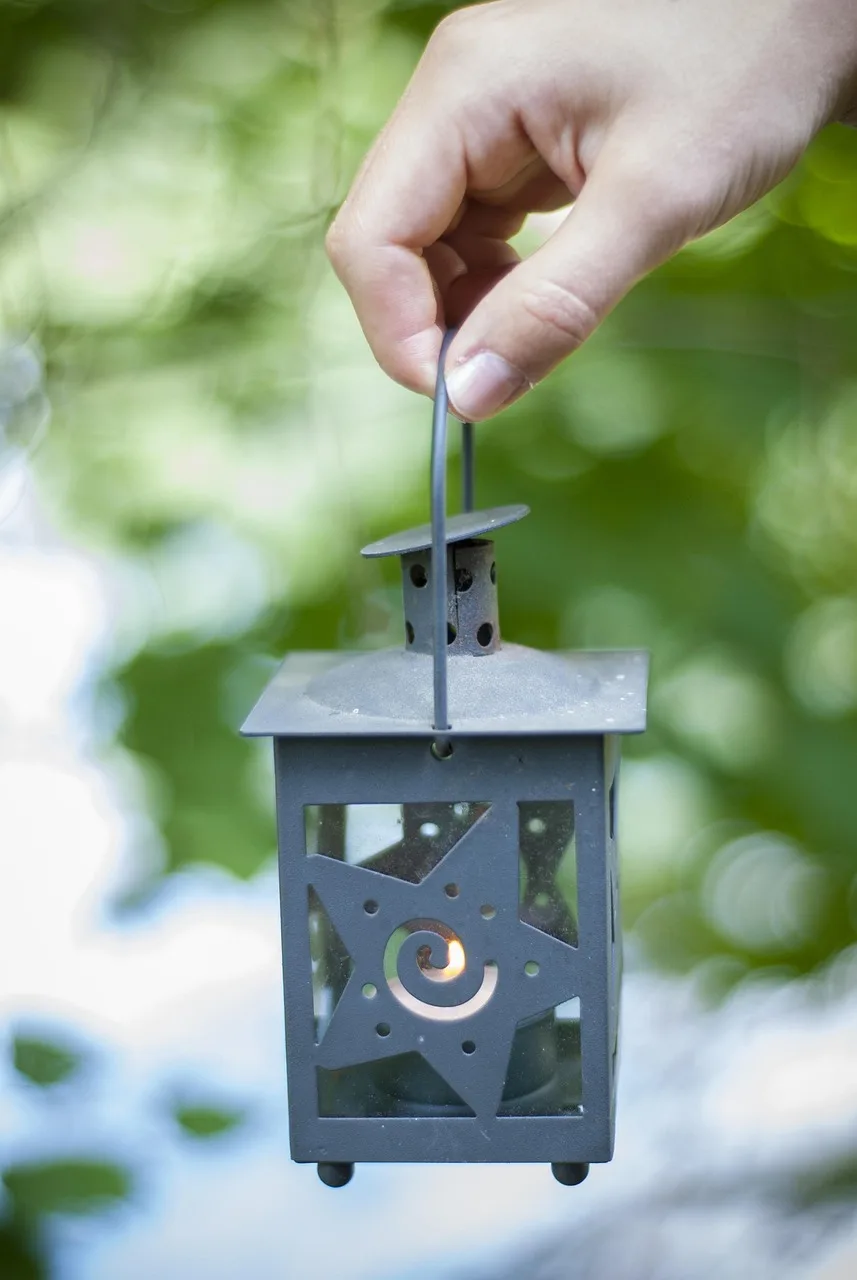
Tanım
•Bir şeyin tutulup çekilecek yeri
•Telgraf veya elektrik direklerine rahat çıkmayı sağlayan ve ayağa takılan mahmuzlu araç
•Tutunacak yer
Diğer Dillerde
Almanca2-Liter-Spirituosenflasche, abfertigen, abhandeln, Alias, an die Hand gewöhnen, bedienen /ˈapˌfɛʁtiɡən/
to make ready for dispatch · to serve (e.g. a customer)
çekim: geçmiş fertigte ab · ortaç abgefertigt · şimdiki fertigt ab · ulaç abfertigend
köken: ab- + fertigen
aile: Abfertigung
Anfasser für Bildlaufleisten hervorheben — Kaydırma çubuğu tutamaçlarını vurgula
to deal with; to tackle; to approach a problem, situation or topic · to approach or meet somebody · to place side to side
çekim: geçmiş abordé · ortaç abordé · şimdiki aborde · ulaç abordant
eş: accoster, heurter
köken: From a- + bord + -er.
Mettre en évidence les poignées des barres de défilement — Kaydırma çubuğu tutamaçlarını vurgula
İspanyolcaagarradera, agarradero, aldabón, ansa, asa, asidero (dişil) /aɡaraˈdeɾa/
handle, grab bar (in a bathroom or shower) · potholder (in the kitchen) · handhold, grip (projection to hold)
çekim: çoğul agarraderas
eş: agarrón, agarrona, agarrada
köken: From agarrar + -dera.
Resaltar los asas de la barra de desplazamiento — Kaydırma çubuğu tutamaçlarını vurgula
İtalyancaamministrare, gestire, impugnatura, maneggiare, manico, maniglia /am.mi.nisˈtra.re/
to run, manage · to administer · to ration, organize
çekim: geçmiş amministràto · ortaç amministràto · şimdiki amminìstra · ulaç amministrànte
eş: avere cura, curare, dirigere, governare, gestire, guidare
köken: From Latin administrāre.
aile: amministrativo, amministratore, amministrazione
Evidenzia le maniglie delle barre di scorrimento — Kaydırma çubuğu tutamaçlarını vurgula
Rusçaвлече́ние, дескри́птор, идентифика́тор, козыри, потащи́ть, потяну́ть (eril) /ˈkozɨrʲɪ/
nominative/accusative plural of ко́зырь (kózyrʹ)
çekim: çoğul ко́зыри
Выделение ползунка на полосе прокрутки — Kaydırma çubuğu tutamaçlarını vurgula
Arapçaجَرَّ, سَحَبَ, مِقْبَض
أبرز مقابض شريط التمرير — Kaydırma çubuğu tutamaçlarını vurgula
handle; helve; haft · group; bunch; a number, a handful · kind; variety
çekim: çoğul دستهها
köken: From Middle Persian [script needed] (dstk' /dastag/, “bunch, bundle, group; handle”), equivalent to دست (dast, “hand”) + ـه (-e). Akin to Old Armenian դաստակ (dastak), տստակ (tstak), Arabic دَسْتَج (dastaj), Classical Syriac ܕܣܬܩܐ (dastəqāʾ), all Iranian borrowings.
aile: دسته چک, دسته کردن
دستهٔ تبر
دستهٔ کارد
دستهٔ گل
Azericeçəkmək, davranmaq /t͡ʃæcˈmæc/
to pull (transitive) · to pull or win someone over (to their side) · to draw, haul, drag, tug
çekim: geçmiş çəkmiş · ortaç çəkmiş · şimdiki çəkir
köken: Inherited from Proto-Turkic *ček- (“to draw, pull”). Cognate with Crimean Tatar çekmek, Gagauz çekmää, Salar çik, Turkish çekmek and Turkmen çekmek. Compare also Chuvash шак (šak, “red lace applique on the back of a women's shirt”).
aile: çəkdirmək, çəki, çəkiliş, çəkilmək, çəkinmək, xətçəkən, ad çəkmək, baş çəkmək, cəza çəkmək, dərd çəkmək
Gəl bu masanı pəncərəyə doğru çəkək, mane olmasın!
Əlbətdə onlar çalışacaqlar ki bizi öz tərəflərinə çəksinlər!
Obama Iraqdan qoşunları çəkmək istəyir.
pulling, dragging · boosting, promoting
köken: Inherited from Proto-Turkic *südre-.
pen (writing tool) · handle (part of an object held in the hand when used or moved)
çekim: çoğul ruchkalar · tamlayan ruchkaning
köken: Borrowed from Russian ру́чка (rúčka).
Felemenkçeaanpakken, aanraken, behandelen, betasten, gebruiken, handgreep /ˈaːmˌpɑkə(n)/
to take, to hold, to take over (when something is handed over) · to deal with, to tackle (a problem)
çekim: geçmiş pakten aan · ortaç aangepakt · şimdiki pakt aan · ulaç aanpakkend
köken: From aan + pakken.
aile: aanpak
Schuifbalkhandvatten accentueren — Kaydırma çubuğu tutamaçlarını vurgula
to address (a subject, etc.)
çekim: geçmiş abordei · ortaç abordado · şimdiki aborda
köken: From French aborder (“to deal with”). Related to abordagem (“approach”). By surface analysis, a- + borda + -ar.
Realçar as pegas das barras de posicionamento — Kaydırma çubuğu tutamaçlarını vurgula
Yunancaλαβή, παρανόμι, τραβώ, χειρολαβή, χερούλι, ψευδώνυμο (dişil)
handle · hilt · grip, handgrip, handhold, grasp
çekim: çoğul λαβές · tamlayan λαβής
Τονισμός χειριστηρίων γραμμής κύλισης — Kaydırma çubuğu tutamaçlarını vurgula
handle · steering wheel · handle bars
köken: From English handle.
スクロールバーのハンドルを強調表示 — Kaydırma çubuğu tutamaçlarını vurgula
ハンドルを握る
to pull, to draw, to drag · to lead, to drag · to drag on
çekim: geçmiş 끌었다
köken: First attested in the Worin seokbo (月印釋譜 / 월인석보), 1459, as Middle Korean 그ᅀᅳ다〮 (Yale: kùzù-tá), from pre-MK *kùsùk-, a form preserved in many dialects; compare Jeolla Korean 끄슥다 (kkeuseukda), Gyeongsang Korean 끄시다 (kkeusida), Yukjin Korean 끄스다 (kkeuseuda). The modern Standard Korean form is highly irregular, involving not only spontaneous initial tensing (a common if irregular process in Korean)…
스크롤 바 핸들 강조하기 — Kaydırma çubuğu tutamaçlarını vurgula
의자를 끌다
수레를 끌다
저수지 물을 끌어오다
İsveççeattraktion, behandla, draga, dragkraft, handskas med, handtag
attraction
çekim: çoğul attraktioner · tamlayan attraktions
Markera rullningslisters grepp — Kaydırma çubuğu tutamaçlarını vurgula
Lehçeciągnąć, gałka, klamka, pociągnąć, rączka, rękojeść /ˈt͡ɕɔŋɡ.nɔɲt͡ɕ/
to pull, to drag, to draw (to cause an object to move in the same direction by moving) · to pull, to draw (to try to make something move in a specific direction by grabbing it and using force) · to pull, to pull out; to get out (to bring something to the surface or out)
çekim: geçmiş ciągnięto · şimdiki ciągnie
eş: reg. śl. cióngnóć, ściągać, ściągać, zbliżać się, nadciągać
zıt: pchać, popychać
köken: Etymology tree Proto-Indo-European *ten- Proto-Indo-European *tengʰ-der. Proto-Balto-Slavic *tingteider. Proto-Slavic *tęťi Proto-Indo-European *-né-der. Proto-Slavic *-nǫti Proto-Slavic *tęgnǫti Old Polish ciągnąć Polish ciągnąć Inherited from Old Polish ciągnąć.
aile: ciągliwy, ciągły, ciągarka, ciągłość, ciągnik, ciągota, ciągutka, swój ciągnie do swego, dociągnąć, dociągać
Podwietl uchwyty pasków przesuwu — Kaydırma çubuğu tutamaçlarını vurgula
ciągnąć losy
ciągnąć na rajcę
Near-synonyms: sądzić, skarżyć
Ukraynacaвитяга́ти, витя́гувати, керува́ти, маніпулюва́ти, потяга́ти, потягну́ти
Підсвічувати держаки смужок гортання — Kaydırma çubuğu tutamaçlarını vurgula
to pull · to stretch · to draw tight
çekim: geçmiş खींचता · şimdiki खींचता है
köken: Hindi verb set खिंचना (khiñcnā) खींचना (khī̃cnā) खिंचाना (khiñcānā) खिंचवाना (khiñcvānā) Etymology tree Proto-Indo-European *kʷels- Proto-Indo-European *kʷélseti Proto-Indo-Iranian *káršati Proto-Indo-Aryan *kárṣati Sanskrit कर्षति (karṣati)? Sanskrit अञ्चति (añcati)influ.? Prakrit 𑀔𑀁𑀘𑀇 (khaṃcaï) Hindi खींचना Inherited from Prakrit *𑀔𑀺𑀁𑀘𑀇 (*khiṃcaï), 𑀔𑀁𑀘𑀇 (khaṃcaï, “to pull”), from a family of…
रस्सी को पत्थर से बांधके खींचो।
फ़ोटो खींचना
to give; to allow; to present, donate · to let, allow, permit · to have (do) (used as a causative or curative auxiliary verb)
çekim: geçmiş antanut · şimdiki antaisi · ulaç antava
zıt: ottaa, kieltää, estää
köken: From Proto-Finnic *antadak (compare Estonian andma), from Proto-Uralic *ëmta- ~ *amta- (compare Northern Sami vuovdit (“to sell”), Erzya андомс (andoms, “to feed”), Eastern Mari омдеш (omdeš), Komi-Zyrian удны (udny), Hungarian ad).
aile: antelias, anne, annin, annos, antaja, antaminen, antamus, anti, antimet, anto
Korosta vierityspalkin kahvoja — Kaydırma çubuğu tutamaçlarını vurgula
Annoin Liisalle kukat.
Anna minulle mahdollisuus.
Anna hänen mennä.
handle (part of an object held in a hand) · handrail
çekim: çoğul držadla · tamlayan držadla
eş: rukojeť, madlo, držák, střenka, násada
köken: From držet + -dlo.
Zvýraznit úchytky rolovací lišty — Kaydırma çubuğu tutamaçlarını vurgula
door handle · latch, catch
çekim: çoğul clanțe · tamlayan clanțe
köken: From clanț, of onomatopoetic origin. Compare French clanche.
Evidențiază săgețile barei de defilare — Kaydırma çubuğu tutamaçlarını vurgula
Macarcaálnév, bánik, becenév, bonyolít, érint, fogantyú /ˈaːlneːv/
pseudonym, pen name (also spelled: pen-name, penname)
çekim: çoğul álnevek
köken: From ál- (“pseudo-”) + név (“name”).
aile: írói álnév
Kiemelt gördítősáv- fogantyúk — Kaydırma çubuğu tutamaçlarını vurgula
to care for, to look after, to take care of
çekim: geçmiş טיפלת
הדגש ידיות פס גלילה — Kaydırma çubuğu tutamaçlarını vurgula
Latinceafficiō, ampla, ānsa, manūbrium, tractō, trahō
a handle, a grip
çekim: çoğul amplae · tamlayan amplae
köken: Derived from amplus (“ample, large”). Older theories derived the word from Proto-Indo-European *h₂em-lo-, from *h₂em- (“to grasp”), and linked to ānsa (“handle”).
a handle, a grip, a shaft · aid, tool (that can be used in a specific context)
çekim: çoğul håndtagene · tamlayan håndtags
köken: Compound of hånd + tag.
aile: dørhåndtag, gashåndtag, messinghåndtag, paraplyhåndtag
Fremhæv rullebjælkens håndtag — Kaydırma çubuğu tutamaçlarını vurgula
Norveççedra, gjennomføre, håndtak, håndtere, hank, hendel
Har håndtak for endring av størrelse — Yeniden Boyutlandırma Tutamacı Var
Eş & Zıt Anlamlılar
Eş anlamlılar
Örnek Cümleler
Kaydırma çubuğu tutamaçlarını vurgula
Highlight scroll bar handles
Yeniden boyutlandır tutamacanın göster
Show resize handle
Varyant, ultra kısa bir namluya, daha kısa tutamaçlara ve bir Picatinny rayına sahiptir
The variant boasts an ultra-short barrel, shorter handguards and a Picatinny rail[3]