Sözlük
/tüs
tuş
/tuʃ/
noun
C2 seviye
TR → EN
"tuş" kelimesinin İngilizcesi: color, color, color. Anlamı, çevirisi, telaffuzu ve örnek cümleler aşağıdadır.
Çeviri
Genelcolornoun
Genelcolor
Genelcolor
Görsel



Çekim Tablosu
Belirtme (-i)tuşu
Yönelme (-e)tuşa
Bulunma (-de)tuşta
Çıkma (-den)tuştan
Tamlayan (-in)tuşun
Çoğul (-ler)tuşlar
Tanım
•Bir soyadı. Düş, rüya
•Eskrimde kılıcın ucunun karşı oyuncunun göğüs ve karın bölgesini koruyan özel giysinin bir bölümüne değmesi
•Eskrimde kılıcın ucunun karşı oyuncunun vücuduna değmesi
•Güreşte oyun sırasında iki omzun aynı anda yere değmesiyle oluşan yenilgi
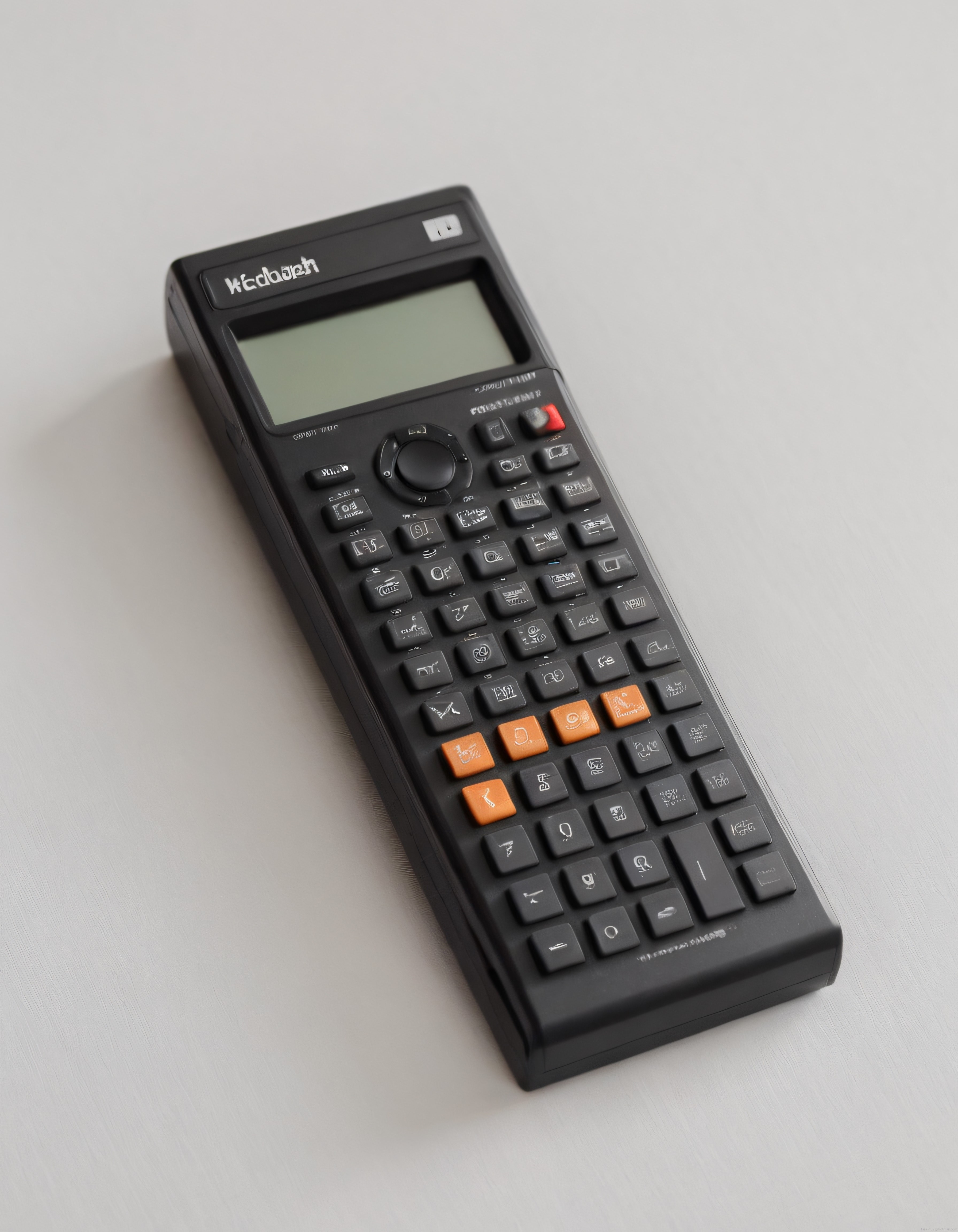
•Piyano, org gibi müzik aletlerinde veya daktilo, hesap makinesi gibi makinelerde parmak vurulan yerlerin adı
•Tıpta Uzmanlık Sınavı kavramının kısaltması
•Yağlı boya ressamlığında fırçadaki boyanın tuvale sürülüş biçimi
•Piyano, org vb. müzik aletleriyle daktilo, hesap makinesi, bilgisayar ve telefon gibi makinelerde parmak vurulan yerlerin adı
Diğer Dillerde
Almancataste (dişil)
inflection of tasten: · first/third-person singular subjunctive I · singular imperative
çekim: çoğul Tasten · tamlayan Tasten
eş: Auslöser, Schaltfläche
köken: From Italian tasto (“key”), from the verb tastare, from Vulgar Latin *tastāre (“to touch, feel”), from *taxitāre, from Latin taxāre (“to touch sharply”), from tangere (“to touch”). Related with older German tasten, which is from the same Latin verb through Old French.
aile: Tastatur, tasten
Taste löschen — Tuşu Sil
Fransızcacolorer, colorier, couleur, en couleur, rougir, teinter /kɔ.lɔ.ʁe/
to color
çekim: geçmiş coloré · ortaç coloré · şimdiki colore · ulaç colorant
köken: Inherited from Old French colorer; from couleur (Old French color), influenced by Latin colorāre.
Supprimer cette touche — Tuşu Sil
İspanyolcacolor, colorar, colorear, colorir, en color, ponerse colorado (eril) /koˈloɾ/
color / colour, hue · complexion
çekim: çoğul colores
köken: Etymology tree Proto-Indo-European *ḱel- Proto-Indo-European *-os Proto-Indo-European *-s Proto-Indo-European *-ōs Proto-Indo-European *ḱélōs Proto-Italic *kelōs Old Latin colōs Latin colōr Old Spanish color Spanish color Inherited from Old Spanish color, from Latin colōr.
aile: a todo color, color local, color primario, color secundario, color terciario, coloración, colorado, colorante, colorar, colorear
Añadir tecla — Tuş ekle
Sevilla tiene un color especial / Sevilla sigue teniendo su duende / Me sigue oliendo a azahar / Me gusta estar con su gente
İtalyancaarrossire, bandiera, colorare, colore, colorire, stendardo /ar.rosˈsi.re/
to blush
çekim: geçmiş arrossìto · ortaç arrossìto · şimdiki arrossìsce · ulaç arrossènte
eş: arrossarsi, avvampare, diventare rosso, imporporarsi, infiammarsi, emozionarsi
köken: From a- + rosso (“red”) + -ire.
Rimuovi tasto — Tuşu Sil
Rusçaмазок (кистью)
Удалить клавишу — Tuşu Sil
plural of لَوْن (lawn)
çekim: çoğul أَلْوَان
أضف مفتاح — Tuş ekle
Farsçaرَنْگ, رنگ کردن, گون, گُون /ˈɡuːn/
colour · kind, type, species · manner, fashion, mode
köken: From Middle Persian [Book Pahlavi needed] (gwn' /gōn/, “colour, complexion”), from Proto-Iranian *gauna (“hair; color”), perhaps related to Sanskrit गुण (guṇa, “thread, cord”), with further origin beyond Indo-Iranian uncertain. Possibly from the BMAC substrate. Alternatively, from Proto-Indo-European *gow-no-m (“something curved or vaulted”), from *gew- (“to curve”). Akin to Avestan 𐬔𐬀𐬊𐬥𐬀…
aile: آسمانگون, زرگون, گوناگون, گونه
هر دو گون آهو گیا خوردند و آب زین یکی سرگین شد و ز ان مشک ناب
Azericerəng /ˈræŋɡ/
colour
çekim: çoğul rənglər · tamlayan rəngin
köken: Borrowed from Classical Persian رَنگ (rang).
aile: bədrəng, pürrəng, rəngli
colour/color · tone
çekim: çoğul реңктер · tamlayan реңктің
eş: түс
köken: From Persian رنگ (rang, “colour”).
Özbekçerang, tus /raŋ(ɡ)/
color
çekim: çoğul ranglar · tamlayan rangning
köken: Inherited from Chagatai [Term?], from Classical Persian رنگ (rang).
Tatarcaтөс
color
köken: From Proto-Turkic *tǖs. Compare to Bashkir төҫ (töś, “color”), Kazakh түс (tüs, “color”), Kyrgyz түс (tüs, “color”), Crimean Tatar tüs (“dye, color”), Uzbek tus (“color”), Uyghur تۈس (tüs, “color”), Chuvash тӗс (tĕs, “color”).
aile: төсле
Felemenkçeblozen, een kleur krijgen, inkleuren, kleur, kleuren /ˈbloːzə(n)/
to blush, to flush
çekim: geçmiş bloosden · ortaç gebloosd · şimdiki bloost · ulaç blozend
köken: From Middle Dutch blosen, further etymology unclear, but ultimately from Proto-Germanic *blus-, perhaps related to *blasį̄ (“blaze”). Cognates include Middle Low German blosen, West Frisian bloazje, Old Swedish blusa, and with umlaut also Middle Low German blöschen, Old English blȳsian.
aile: blos, blozende bruid, blozer, verblozen
Toets toevoegen — Tuş ekle
Portekizcecor, corar, cores, de cor, enrubescer, ruborizar (dişil) /ˈkoʁ/
colour (UK), color (US) · complexion
çekim: çoğul cores
köken: Inherited from Old Galician-Portuguese coor f, from Latin colōrem m, from Old Latin colos (“covering”), from Proto-Indo-European *ḱel- (“to cover, conceal”). Doublet of color. Compare Galician cor and Spanish color.
aile: furta-cor
Adicionar uma tecla — Tuş ekle
Yunancaαπόχρωση, βάφω, έγχρωμος, κοκκινίζω, χρώμα, χρώματα (dişil)
colour (UK), color (US), shade of colour · hue, tint, nuance
çekim: çoğul αποχρώσεις · tamlayan απόχρωσης
eş: χροιά
köken: Learned borrowing from Koine Greek ἀπόχρωσις (apókhrōsis, “adding color”) + the modern suffix -ση (-si), from ἀπό- (apó-) + the root underlying χρώς (khrṓs, “complexion”) + -σις (-sis), with semantic loan from French coloration.
Προσθήκη πλήκτρου — Tuş ekle
to paint, to plaster · to spread on, to dab on, to apply · to fill in
çekim: geçmiş 塗った
köken: From Old Japanese. Possibly related to 濡(ぬ)れる (nureru, “to get wet”).
キーを削除 — Tuşu Sil
マークシートを塗る
top-quality; top-grade
zıt: 下乘, 下等, 下色, 劣等
門開了。 — TUSAŞ açıldı.
to blush, to turn red
çekim: geçmiş 붉혔다
köken: 붉- (buk-, “to be red”) + -히- (-hi-, causative suffix) + -다 (-da, suffix conventionally given for citation forms).
키 없음( N) — & Tuş Yok
얼굴을 붉히다
İsveççefärg, färg-, färga, färglägga, färgsätta, måla /fɛrj/
colour; the spectral composition of visible light · colour; perceived or named class of colours (1) · colour; human skin tone
çekim: çoğul färger · tamlayan färgs
köken: Inherited from Old Swedish færgha, from Middle Low German verwe or varwe, from Proto-Germanic *farwō. Cognate with German Farbe, Danish farve, Dutch verf and Norwegian farge.
aile: färgkod
Lägg till tangent — Tuş ekle
Lehçebarwa, barwić, barwy, kolor, kolor skóry, kolorować (dişil) /ˈbar.va/
color, hue, tint (shade of an object) · color, shade, hue (particular thing that gives a person an object a certain character) · tone, timbre (the quality of a human's voice)
çekim: çoğul barwy · tamlayan barwy
eş: kolor, tembr, rumieniec, wypieki, kolor
köken: Etymology tree Middle High German varwebor. Old Polish barwa Polish barwa Inherited from Old Polish barwa. Doublet of farba.
aile: barwiany, barwisty, barwliwy, barwny, barwoczuły, w czarnych barwach, w różowych barwach, barwik, barwnik, barwoczułość
Usuń klawisz — Tuşu Sil
Ukraynacaба́рва, ба́рви, зафарбо́вувати, зафарбува́ти, ко́лір, ко́лір шкі́ри
Додати клавішу — Tuş ekle
Hintçeरंग (eril) /ɾəŋɡ/
color · complexion · paint, dye
çekim: çoğul रंगों
köken: Etymology tree Proto-Indo-European *(s)reg-der. Sanskrit रञ्ज् (rañj) Sanskrit रङ्ग (raṅga) Prakrit 𑀭𑀁𑀕 (raṃga) Hindi रंग Inherited from Prakrit 𑀭𑀁𑀕 (raṃga), from Sanskrit रङ्ग (raṅga), which is derived from the root रञ्ज् (rañj). Also influenced by Classical Persian رنگ (rang). In either case, ultimately from Proto-Indo-Iranian *(H)rag-, *(H)ranǰ- (“to dye, color”), of unclear origin. Cognate…
aile: रंगामेज़ी, also रंगकारी, रंगामेज़, also रंगकार, रंगरेज़ी, रंगरेज़, रंगदारी, रंगदार, रंगक्षेत्र, रंगभूमि
तुम्हारे कोट का रंग क्या है?
पत्तों का रंग गहरा हरा होता है।
उसके चेहरे का रंग साँवला है।
Finceheraldinen väri, ihonväri, lippu, paikallisväri, väri, värit /ˈihonˌʋæri/
skin colour, skin color (color; ethnicity)
çekim: çoğul ihonvärit · tamlayan ihonvärin
köken: ihon (“(of) skin”, genitive) + väri (“color”)
Piilota näppäimistö — Tuş ekle
Çekçebarva, obarvit, odstín, vlajka, začervenat se, zardít se (dişil) /ˈbarva/
color · paint (liquid) · ink (printing)
çekim: çoğul barvy · tamlayan barvy
eş: zbarvení, zabarvení, nátěr, lak, malba, témbr
köken: Borrowed from Middle High German varwe. Compare modern German Farbe, Dutch verf, Polish barwa, Polish farba.
aile: barevník, barvitý
Smazat klávesu — Tuşu Sil
Chci jinou barvu.
to color
çekim: geçmiş colorat · ortaç colorat · şimdiki colorează
köken: Borrowed from French colorer, from Latin colorare.
& Fără taste — & Tuş Yok
to blush (to become red in the face due to shyness, shame, excitement, or embarrassment, with something: -ban/-ben)
çekim: geçmiş elpirultak
köken: From el- (perfective prefix) + pirul (“to blush”).
Delete — Tuşu Sil
Zavarában elpirult.
Latincecolōrō
Dancafå farve, få kulør, farve, farve-, farvetone, hudfarve (nötr) /ˈfɑːvə/
color (US), colour (UK) · color, human skin tone · dye, colourant used for hair
çekim: çoğul farver · tamlayan farves
köken: From earlier farge, from Middle Low German varwe, verwe, from *Old Saxon farwi, *farawi (“colour”), from Proto-Germanic *farwō, from Proto-Indo-European *per-, *perḱ- (“motley, coloured”). Cognate with Old High German farawa (“color”) (German Farbe), Old High German faro (“colored”), Latin pulcher (“beautiful, sheen”), Ancient Greek περκνός (perknós, “multicolored”), Old Irish earc (“spotted”).
Slet tast — Tuşu Sil
Etimoloji
Inherited from Proto-Turkic *tǖs.
Deyimler
tuş ayarı
tuş kilidi
Eş & Zıt Anlamlılar
Örnek Cümleler
Tuş% 1
Command Shortcuts
Tuşu Sil
Delete Key
Tuş ekle
Add key
Tuş tipi:
Key type:
Gizli tuş
Hidden key
& Tuş Yok
& No keys
Tuş arası
Bank
Silme Tuşu
Delete Key
İlk X Tuşu
First X Button
Tuş metni:
Key text:
Normal tuş
Normal key
Reset Tuşu
Resolution
İlgili Sorular
İlgili / Bileşik Terimler
Genelkeypad