Sözlük
/konuk
konuk
"konuk" kelimesinin İngilizcesi: guest, guest, guest, guest. Anlamı, çevirisi, telaffuzu ve örnek cümleler aşağıdadır.
Çeviri
Genelguestnoun
Genelguest
Genelguest
Genelguest
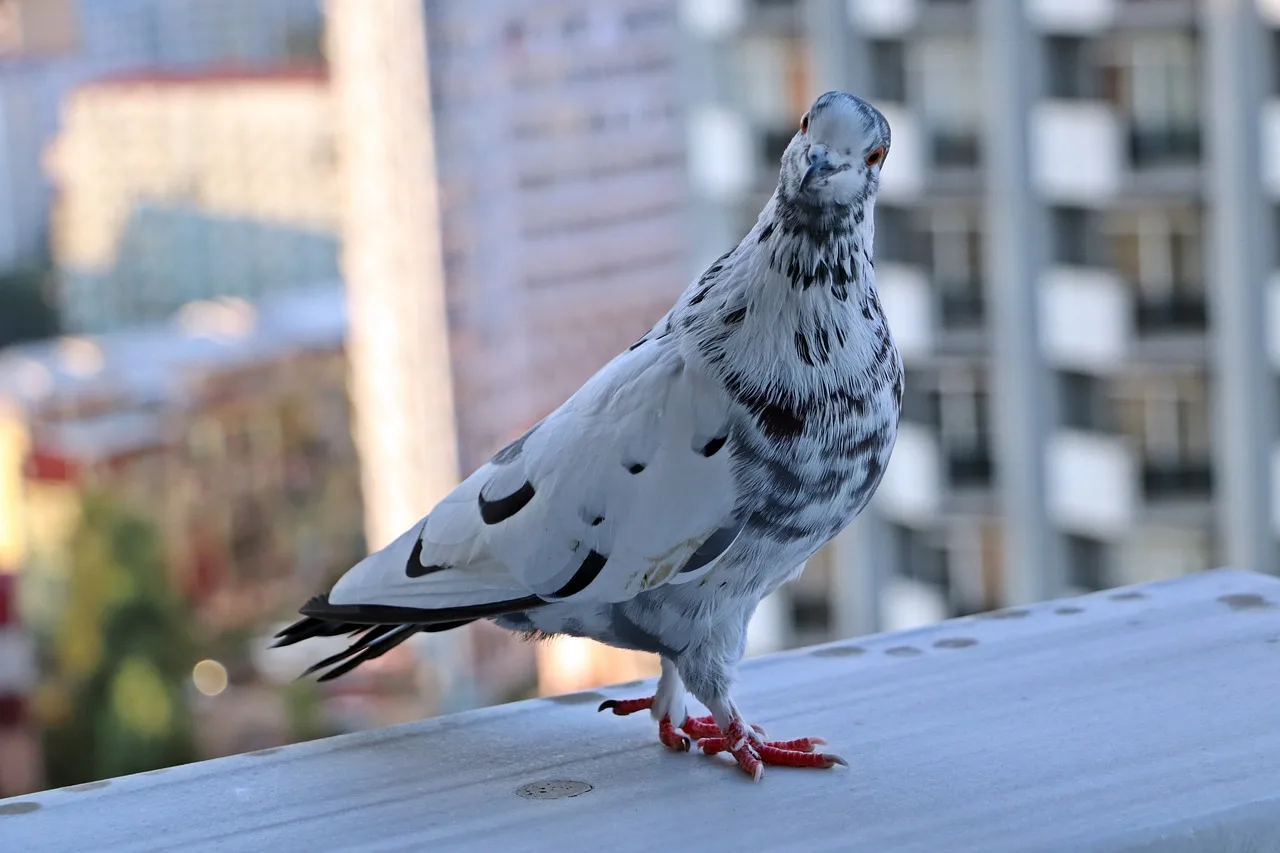
Görsel


Çekim Tablosu
Belirtme (-i)konuğu
Yönelme (-e)konuğa
Bulunma (-de)konukta
Çıkma (-den)konuktan
Tamlayan (-in)konuğun
Çoğul (-ler)konuklar
Tanım
•isim: Bir yere veya birinin evine kısa bir süre kalmak için gelen kimse; misafir, mihman
•hayvan bilimi: Konakçının üzerindeki asalak
Diğer Dillerde
Almancagast (eril) /ɡast/
guest
çekim: çoğul Gäste · tamlayan Gastes
köken: From Middle High German gast, from Old High German gast, from Proto-West Germanic *gasti, from Proto-Germanic *gastiz, from Proto-Indo-European *gʰóstis. Germanic cognates include Dutch gast, English guest, Old Norse gestr (whence Swedish gäst, Danish gæst, Norwegian Nynorsk gjest, Norwegian Bokmål gjest, Icelandic gestur), and Gothic 𐌲𐌰𐍃𐍄𐍃 (gasts). Indo-European cognates include Latin hostis…
aile: Gastarbeiter, Gastauftritt, Gastausstellung, Gastbeitrag, Gastbett, Gastbruder, Gastclub, Gastdirigent, Gastdozent, Gästeansturm
Hört die Wahrheit, Genossen. — Iman, konuk.
client, retainer, follower (person who is under the patronage of someone else) · customer (one who purchases or receives a product or service)
çekim: çoğul clients
eş: consommateur, partenaire, acheteur, maître d’ouvrage, patient
köken: Learned borrowing from Latin cliēns.
Vos autres invités ? — Diğer konuklarınız mı?
État client
le client est roi
à la tête du client
İspanyolcaclienta, cliente, comensal, convidado, huésped, huéspeda (dişil) /ˈkljenta/
female equivalent of cliente
çekim: çoğul clientas
Entremés del convidado. — Konukla alakalı sorular.
İtalyancaconvitato, invitato, ospite (eril) /kon.viˈta.to/
guest
çekim: çoğul convitati
eş: commensale, invitato, astante, partecipante, presente
Non aggredire i nostri ospiti. — Konuklarımıza havlama.
Rusçaгость /ɡosʲtʲ/
guest, visitor · merchant, especially one that trades overseas.
çekim: çoğul го́сти · tamlayan го́стя
eş: визитёр, посетитель
köken: From Old East Slavic гость (gostĭ), from Proto-Slavic *gostь, from Proto-Balto-Slavic *gastís, from Proto-Indo-European *gʰóstis. Cognate with English guest and host.
aile: гости́ная, гости́ть, гости́ница
Не лай на наших гостей... — Konuklarımıza havlama.
идти́ в го́сти
быть в гостя́х у кого́-либо
guest
çekim: çoğul mehmanlar
köken: From Persian مهمان (mehmân).
aile: mehmanxana
Ağ buxaqda xalın görüb heyranın ollam / Gəl məni qonaq eylə, yarım, mehmanın ollam
guest
çekim: çoğul қонақтар · tamlayan қонақтың
köken: Ultimately from Proto-Turkic *konak (“guest; lodging”). By surface analysis, қон- (qon-) + -ақ (-aq).
aile: қонақ үй, қонақшыл
Özbekçemehmon
Tatarcaкунак
Felemenkçegast (eril) /ɣɑst/
guest · knave, worker, apprentice, delivery boy · dude, guy
çekim: çoğul gasten
zıt: gastheer, gastvrouw, meester, stagemeester
köken: From Middle Dutch gast, from Old Dutch *gast, from Proto-West Germanic *gasti, from Proto-Germanic *gastiz.
aile: bakkersgast, bruiloftsgast, dwaalgast, eregast, gastenverblijf, gastheer, gasthuis, gastorganisme, gastrecht, gastvriend
Uw andere gasten? — Diğer konuklarınız mı?
Ik heb afgelopen week wat familie te gast gehad.
Die gast is echt niet goed bij z'n hoofd.
Zijn broer is best een aardige gast.
feminine singular of convidado
Os convidados do casamento. — Konukla alakalı sorular.
visitor, guest · district nurse
çekim: çoğul επισκέπτες · tamlayan επισκέπτη
eş: καλεσμένος, μουσαφίρης
Μην γαυγίζεις στους καλεσμένους. — Konuklarımıza havlama. Ne...
επισκέπτης καθηγητής
customer
köken: Sino-Korean word from 顧客, from 顧 (“looking after”) + 客 (“guest”)
접대란 손님을 맞는 일이다. — Konukla alakalı sorular.
고객지원(顧客支援)
고객상담실(顧客相談室)
İsveççegäst, gästa, gästartist, hotellgäst /jɛst/
a guest
çekim: çoğul gäster · tamlayan gästs
zıt: värd
köken: From Old Swedish gæster, from Old Norse gestr, from Proto-Norse *ᚷᚨᛊᛏᛁᛉ (*gastiʀ), from Proto-Germanic *gastiz, from Proto-Indo-European *gʰóstis. Cognates include Danish gæst and Norwegian Bokmål gjest.
aile: gästa, gästabud, gästarbetare, gästartist, gästbok, gästbåtshamn, gästdirigent, gästdygn, gästfamilj, gästforska
Lista över gästgivare. — Konukla alakalı sorular.
guest (recipient of hospitality, especially someone staying by invitation at the house of another) · guest (invited visitor) · guest (patron or customer in a hotel etc.)
çekim: çoğul goście · tamlayan gościa
eş: pensjonariusz, facet, typek
köken: Etymology tree Proto-Indo-European *gʰóstis Proto-Balto-Slavic *gastís Proto-Slavic *gȍstь Old Polish gość Polish gość Inherited from Old Polish gość. Doublet of host.
aile: w go, w gości, w gościach, z czym do gościa, gostek, gościec, gościna, gościu, nieproszony gość, gościć
Niespodzianki wśród gości. — Konukla alakalı sorular.
guest, visitor
çekim: çoğul го́сті · tamlayan го́стя
köken: From Middle Ukrainian гость (hostʹ), from Old East Slavic гость (gostĭ), from Proto-Slavic *gostь, from Proto-Balto-Slavic *gastís, from Proto-Indo-European *gʰóstis.
Тип: Культові. — Iman, konuk.
guest · stranger · person entitled to hospitality
çekim: çoğul अतिथियों
zıt: आतिथेय
köken: Borrowed from Sanskrit अतिथि (atithi).
Finceasiakas, esiintyä vieraana, vieras /ˈɑsiɑkɑs/
customer, client · client
çekim: çoğul asiakkaat · tamlayan asiakkaan
köken: asia (“matter, business, concern”) + -kas. First attested in the 1910s (in the modern sense). Compare Karelian asiekaš.
aile: asiakkuus, asiakashallinta, asiakashinta, asiakasjohtaminen, asiakaskeskeinen, asiakaskokemus, asiakaskone, asiakaskontakti, asiakaskunta, asiakaskäynti
Saamme olla täällä yötä. — Bizi konuk ediyorlar.
guest
çekim: çoğul hosti · tamlayan hosta
eş: návštěvník, ubytovaný, účinkující, vystupující
köken: Inherited from Old Czech host, from Proto-Slavic *gostь.
aile: hostina, hostinec, hostit, hostitel, nehostinný, pohostinství
Další hosté? — Diğer konuklarınız mı?
Host do domu, Bůh do domu.
Host a ryba třetí den smrdí.
Rumencemusafir, musafiră, oaspete (eril)
guest · visitor
çekim: çoğul musafiri · tamlayan musafirului
eş: oaspete
köken: Borrowed from Ottoman Turkish مسافر (müsâfir, “guest”), from Arabic مُسافِر (musāfir, “traveller”).
Oaspeţii dvs. alte? — Diğer konuklarınız mı?
Macarcavendég /ˈvɛndeːɡ/
guest (a recipient of hospitality, specifically someone staying by invitation at the house of another) · guest, visitor, patron, customer (in a hotel, restaurant, at an exhibition, museum, ceremony etc.) · guest (an actor or actress who participates as an outsider performer in an event and does not belong to the regular performing group of the theater)
çekim: çoğul vendégek
köken: Perhaps borrowed from Italian [Term?]. Compare venedigo (“Venetian”), venetico (“Venetic”), from Latin Veneti, name of an ancient people of possibly Illyrian origin.
aile: vendégel → megvendégel, vendégeskedik, vendégség, vendégágy, vendégcsapat, vendégfal, vendégfogadás, vendégfogadó, vendéghaj, vendégház
A többi vendég? — Diğer konuklarınız mı?
host · guest, visitor · stranger, foreigner
çekim: çoğul hospitēs · tamlayan hospitis
zıt: doctus, gnarus, peritus, callidus
köken: Etymology tree Proto-Indo-European *gʰóstis Proto-Indo-European *pótis Proto-Indo-European *gʰóstipotis Proto-Italic *hostipotis Latin hospes From Proto-Italic *hostipotis, from Proto-Indo-European *gʰóstipotis, a compound of *gʰóstis (whence hostis) and *pótis (whence potis); etymologically equivalent to hostis + potis. Cognate with Proto-Slavic *gospodь.
aile: hospita, hospitālis, hospiticīda, hospitium, hospitīvus, hospitō, hospitor
Atque ita "longa via est, nec tempora longa supersunt,"
visitor, guest
çekim: çoğul gæster · tamlayan gæsts
köken: From Old Norse gestr, from Proto-Germanic *gastiz, from Proto-Indo-European *gʰóstis (“stranger, guest”).
aile: gæste, gæstearbejder, gæstebog, gæstebud, gæstedanser, gæstedirigent, gæsteforelæse, gæsteforelæser, gæsteforelæsning, gæsteforsker
Besøg af gæster. — Konukla alakalı sorular.
Norveççegjest
Bekkestua: Selskapet. — Iman, konuk.
Endonezcetamu /tamu/
guest, visitor
çekim: çoğul tamu-tamu
köken: Inherited from Malay tamu (“guest, visitor”), from either: (probably via Old Javanese tamu) * (Western) Proto-Malayo-Polynesian *təmu (“to meet, receive; greet a guest”) * Proto-Mon-Khmer *t₁mu, *t₁muj, *t₁muəj (“guest, visitor”). Doublet of temu (“to meet”). Compare to Old Javanese tamu (“guest, visitor”).
aile: tamu agung, tamu di negeri sendiri, tamu negara
BAB 2 Jeeves DAN TAMU tanpa diminta — BÖLÜM 2 Jeeves VE davetsiz KONUK
Etimoloji
From Ottoman Turkish قونوق (konuk), قونق (konuk).
Eş & Zıt Anlamlılar
Örnek Cümleler
O son konuktu.
She was the last guest.
30 konuk vardı.
There were 30 guests.
Bu konuk odası.
This is the guest room.
Ve bir konuk var.
But I guess he isn't.
Konuk sayısı 20'dir
The number of guests is 20.
Burada bir konuksun.
You're a guest here.
Onu son konuk yaptı.
The last guest did that.
Harika bir konuktun.
You've been a great guest.
Bütün konuklar gitti.
All the guests have gone.
Gidip konukları çağır!
Go and call the guests!
Diğer konuklar kimler?
Who are the other guests?
Diğer konuklarınız mı?
Your other guests?
İlgili Sorular
Çevrimiçi konuk defterlerinde kullanılmaması gereken "yasak kelimeler" nelerdir?
Düğünümüz Nisan’da ve davet sayımız sınırlı olduğu için bekar arkadaşlarımızı tek başına davet ediyoruz. Bir arkadaşım bir eşlikçi getirecek diye belirtti, fakat davetiyede konuk hakkı yok. Bu durumu ona kibarca nasıl iletebiliriz?
İnternet blogları ve konuk defterlerinde yasak kabul edilen kelimeler hangileridir?
Mr. Bush'un bu "işçi konukları programı" sayesinde illegal çalışanları içeri almayı planladığına inanıyor musunuz?
Gerçekten Mr. Bush'un bu "işçi konukları programı" ile yasa dışı çalışanları kabul etmeye hazırlanıyor olduğunu düşünüyor musunuz?
Birleşik Kelimeler