Sözlük
/kilise
kilise
/kiˈli.se/
noun
B1 seviye
TR → EN
"kilise" kelimesinin İngilizcesi: church, clerestory, church, church, church. Anlamı, çevirisi, telaffuzu ve örnek cümleler aşağıdadır.
Çeviri
Genelchurchnoun
Genelclerestory
Genelchurch
Genelchurch
Genelchurch
Genelchristian church
Genelchristian church
Genelfree church
Genelfree church
Görsel
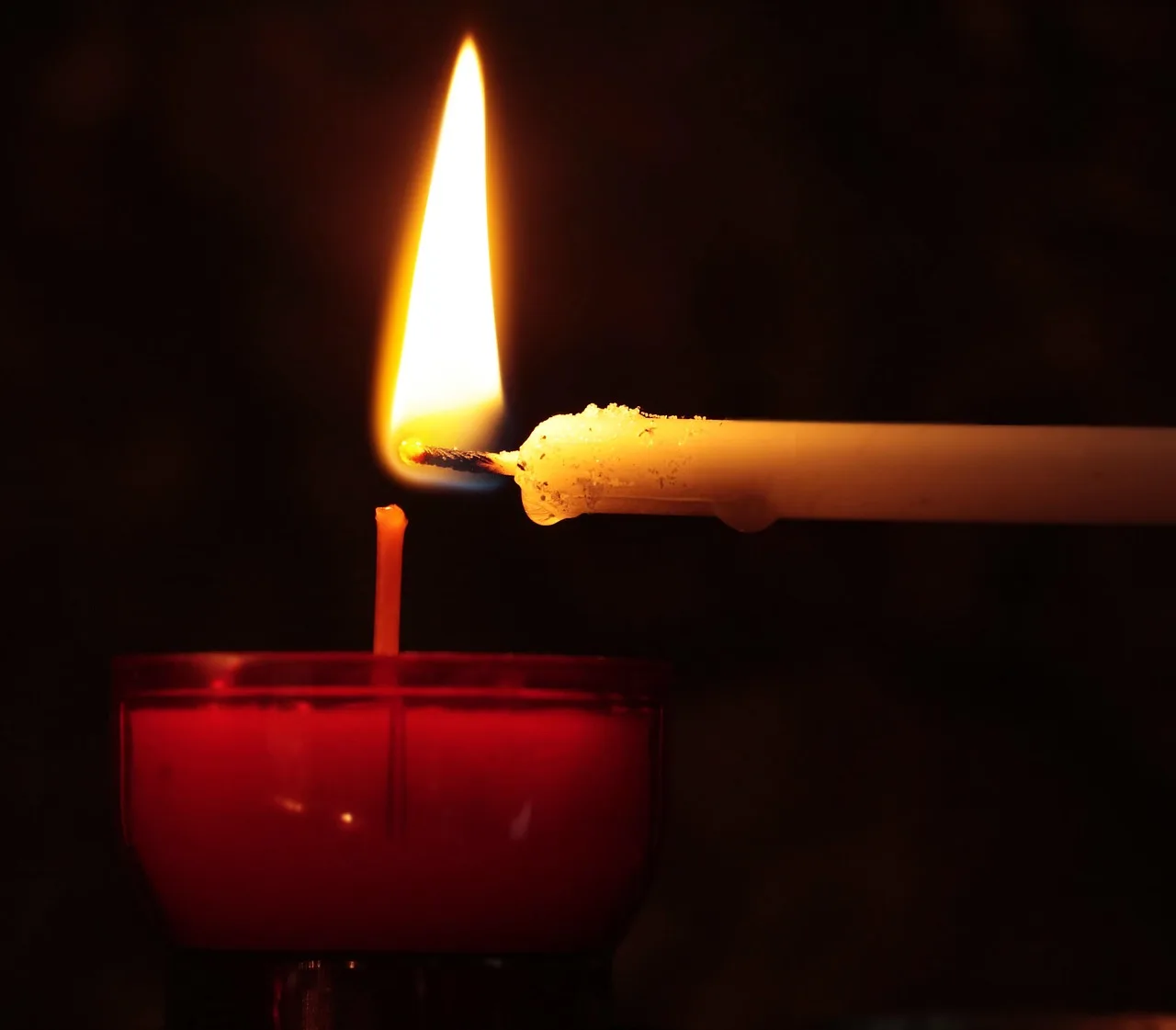
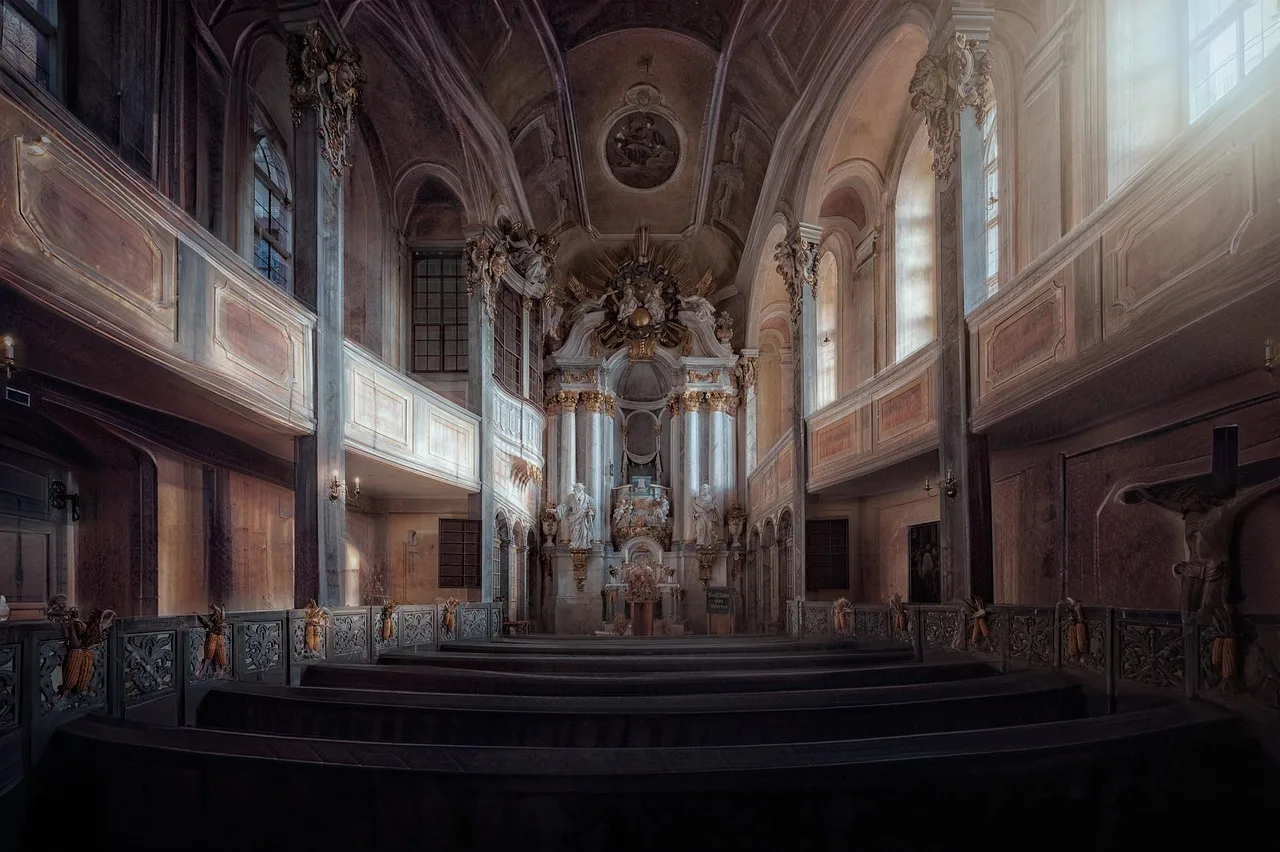
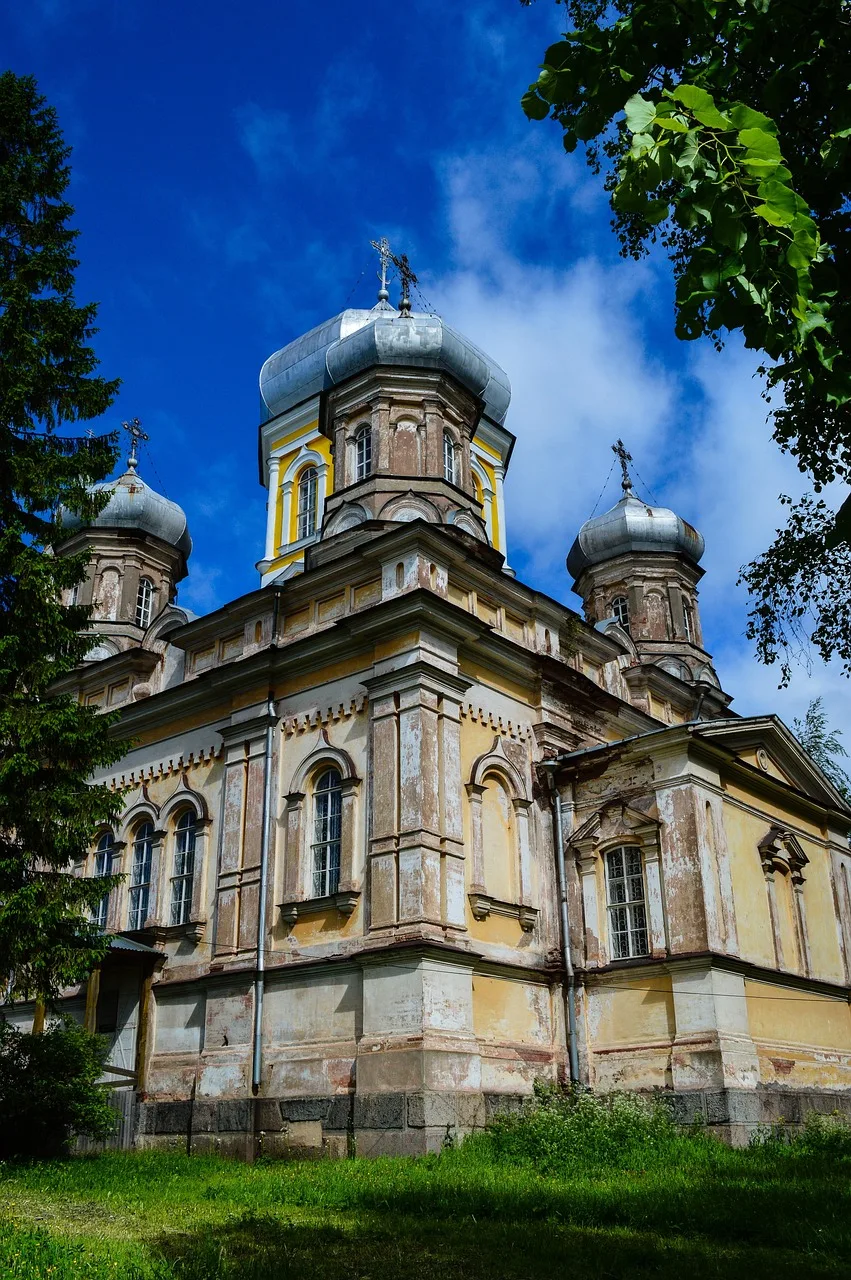
Çekim Tablosu
Belirtme (-i)kiliseyi
Yönelme (-e)kiliseye
Bulunma (-de)kilisede
Çıkma (-den)kiliseden
Tamlayan (-in)kilisenin
Çoğul (-ler)kiliseler
Tanım
•isim, din bilimi: Hristiyanların ibadet etmek için toplandıkları yer
•Hristiyanlıkla ilgili dinî kuruluş
•Hristiyanlığın öğretilmesi, dinî işlerin yönetimi vb. ile ilgilenen papa ve piskoposlar topluluğu
Diğer Dillerde
Almancakirche (dişil) /ˈkɪʁçə/
church (building) · church (organised religion, especially Catholicism) · an assembly
çekim: çoğul Kirchen · tamlayan Kirchen
eş: Kirchgebäude, Kirchengebäude, Gemeinde
köken: From Middle High German kirche, from Old High German kirihha, from Proto-West Germanic *kirikā.
aile: Kirchlein, kirchlich, Kirmes
Kirchenorgel — Kilise Orgu
Wir gehen zu der Kirche, weil es heute Sonntag ist.
church
çekim: çoğul églises
köken: Inherited from Middle French eglise, from Old French eglise, esglise, from Vulgar Latin *eclesia, from Latin ecclēsia, from Ancient Greek ἐκκλησία (ekklēsía, “gathering”). * Cognate with Catalan església, Italian chiesa, Portuguese igreja, Spanish iglesia
aile: banc d'église, gueux comme un rat d'église, mot d'église
Grandes orgues@item: inlistbox — Kilise Orgu
İspanyolcaclaristorio, culto, iglesia, misa, servicio religioso (eril) /klaɾisˈtoɾjo/
clerestory
çekim: çoğul claristorios
Órgano de Iglesia — Kilise Orgu
İtalyancachiesa, cleristorio, funzione, messa (dişil) /ˈkjɛ.za/
church
çekim: çoğul chiese
eş: edificio religioso, casa di Dio, clero, religione, comunità di credenti
köken: Inherited from Latin ecclēsia, a borrowing from Ancient Greek ἐκκλησία (ekklēsía, “assembly”). The original geminated -cc-, though lost in the standard language, is still found in many regional Italian varieties.
aile: chiesastico, chiesuola
Altre Chiese. — Birçok kilise.
Rusçaцерковь; вероисповедание, церковь; собор
Церковный орган — Kilise Orgu
Arapçaبِيعَة, كَنَائِس, كنايس, كنيسة, كَنِيسَة (dişil) /ka.niː.sa/
church (building and organization) · synagogue (building and organization) · a kind of palanquin or litter in which the rider conceals himself
çekim: çoğul كَنَائِس · tamlayan كَنِيسَةٍ
köken: From the root ك ن س (k n s), referring to congregation and sweeping together. Compare the Hebrew root כ־נ־ס (k-n-s), whence Hebrew כְּנֶסֶת (knéset). Apparently, however, the sense of synagogue is a semantic loan from Aramaic כְּנִישְׁתָּא (kənīštā), כְּנִישָׁא (kənīšā), from the root כ־נ־שׁ (k-n-š), to which the Christian sense was added later.
aile: كَنَسِيّ
أرغن كنيسة — Kilise Orgu
Farsçaکَلِیسَا, کِلیسا
Azericekilsə /cilˈsæ/
church
çekim: çoğul kilsələr · tamlayan kilsənin
köken: From Byzantine Greek ἐκκλησίᾱ (ekklēsíā).
Roma-katolik kilsəsi
hər bazar günü kilsəyə getmək
Kazakçaшіркеу /ʃɘr.ˈkʲew/
church
köken: Borrowed from Russian це́рковь (cérkovʹ). Cognate with Bashkir сиркәү (sirkəw), Kildin Sami цэ̄ркав (cērkav), Kyrgyz чиркөө (cirköö), Skolt Sami ceerkav, etc.
aile: шіркеулік
Özbekçebutxona, cherkov
Tatarcaчиркәу
Felemenkçekerk (dişil) /kɛrk/
church, house of Christian worship · church, confessional religious organization · church, temple, non-Christian house of worship
çekim: çoğul kerken
eş: geestelijkheid, clerus, kerkgebouw
köken: From Middle Dutch kerke, from Old Dutch kirica, from Proto-West Germanic *kirikā, an early borrowing from Ancient Greek κυριακόν (kuriakón).
aile: de kogel is door de kerk, domkerk, dorpskerk, huiskerk, jodenkerk, kathedraalkerk, kerkasiel, kerkbank, kerkburcht, kerkdienst
Kerkorgel — Kilise Orgu
Portekizceclerestório, igreja, missa, templo
parede do andar superior de nave das igrejas medievais do estilo gótico, iluminada naturalmente por um conjunto de janelas laterais
Órgão de Igreja@ item: inlistbox — Kilise Orgu
Yunancaεκκλησία, λειτουργία, ναός (dişil) /e.kliˈsi.a/
church (religious organisation) · church (everyone, living and dead, in a Christian denomination) · church, ecclesia (the hierarchy)
çekim: çoğul εκκλησίες · tamlayan εκκλησίας
köken: From Ancient Greek ἐκκλησία (“assembly”).
Εκκλησιαστικό όργανο — Kilise Orgu
Ορθόδοξη Εκκλησία
church
eş: 寺, 寺院, 神殿, モスク, シナゴーグ
aile: 教会ソナタ: sonata da chiesa
チャーチオルガン — Kilise Orgu
全能神教会
Çinceмё, сы, 教堂, 教會 /教会, 禮拜 /礼拜 /t͡ɕi̯ɑʊ̯⁵¹ tʰɑŋ³⁵/
ecclesiastical building, especially a church or chapel
eş: 禮拜堂, 禮拜堂, 福音堂, 喇嘛臺, 喇嘛臺, 福音堂
aile: 主教座堂, 大教堂, 小教堂
宗教证婚仪式 — Kilise nikâhı
天主一教,設自西洋,今各省設堂,招集匪類。此輩居心叵測,目下廣州城,設立教堂。內外布滿。加以同類洋船叢集,安知不交通生事。
天主一教,设自西洋,今各省设堂,招集匪类。此辈居心叵测,目下广州城,设立教堂。内外布满。加以同类洋船丛集,安知不交通生事。
Korece교회 /ˈkjo(ː)βwe̞/
church
eş: 상봉, 상우, 상회
köken: Sino-Korean word from 敎會, from 敎 (“teaching”) + 會 (“meeting”)
교회 오르간 — Kilise Orgu
İsveççekyrka, kyrkta, kyrktaga /²ɕʏrka/
a church (building) · a church (organization)
çekim: çoğul kyrkor · tamlayan kyrkas
köken: From Old Swedish kyrkia, kirkia, from Old Norse kirkja, from Old English cirice, from Late Proto-West Germanic *kirikā, from Byzantine Greek κυριακόν (δόμα) (kuriakón (dóma), literally “Lord's (house)”), from Ancient Greek κύριος (kúrios, “lord”).
aile: baptistkyrka, folkkyrka, frikyrka, kyrkbacke, kyrkbesök, kyrkbibel, kyrkbok, kyrkbokföra, kyrkbokföring, kyrkbröllop
Church Organ — Kilise Orgu
gå i kyrkan
Lehçecerkiew, kościół, liturgia, msza, nabożeństwo, wspólnota (dişil) /ˈt͡sɛr.kjɛf/
Orthodox church
çekim: çoğul cerkwie · tamlayan cerkwi
köken: Inherited from Proto-Slavic *cьrky, from Old High German kirihha, from Proto-West Germanic *kirikā, from Ancient Greek κυριακόν (kuriakón).
aile: cerkiewny
Church Organ — Kilise Orgu
Ukraynacaкостьо́л
Церковний орган@ item: inlistbox — Kilise Orgu
the church; the combined Christian community
çekim: çoğul कलीसाएँ
köken: Borrowed from Classical Persian کَلِیسَا (kalīsā), borrowed from Ancient Greek ἐκκλησία (ekklēsía), from ἔκκλητος (ékklētos) + -ῐ́ᾱ (-ĭ́ā). Doublet of कलीसिया (kalīsiyā) and गिरजा (girjā).
Fincejumalanpalvelus, kirkko, klerestorio, messu, seurakunta /ˈjumɑlɑnˌpɑlʋelus/
service, divine service, worship
çekim: çoğul jumalanpalvelukset · tamlayan jumalanpalveluksen
köken: jumalan (“of god”, genitive) + palvelus (“service”)
aile: aamujumalanpalvelus, avajaisjumalanpalvelus, ehtoollisjumalanpalvelus, iltajumalanpalvelus, juhlajumalanpalvelus, jumalanpalvelusjärjestys, kastejumalanpalvelus, kenttäjumalanpalvelus, kiitosjumalanpalvelus, muistojumalanpalvelus
Kirkkourku — Kilise Orgu
Çekçecírkev (dişil) /ˈt͡siːrkɛf/
church (religious organization)
çekim: çoğul církve · tamlayan církve
köken: Inherited from Old Czech crkev, cierkev, from Proto-Slavic *cьrky, from Ancient Greek κυριακόν (kuriakón).
aile: církevní
Kostelní varhany — Kilise Orgu
Rumencebiserică, ceremonie religioasă, serviciu religios, slujbă (religioasă) (dişil) /biˈse.ri.kə/
church
çekim: çoğul biserici · tamlayan biserici
köken: Inherited from Latin basilica, from Ancient Greek βασιλική (basilikḗ). Doublet of the borrowing bazilică. Compare Aromanian bisericã / bisearicã.
aile: bisericesc, bisericos, bisericuță
Organ de catedrală — Kilise Orgu
Macarcaegyház, egyházközösség, gyülekezet, istentisztelet, mise, szertartás /ˈɛchaːz/
church (organized religion in general or a specific religion considered as a political institution)
çekim: çoğul egyházak
köken: From the obsolete *igy (“holy”) + ház (“house”). The first element is of Turkic origin, compare Old Turkic [script needed] (edgü), Turkish iyi (“good”).
aile: egyházas, egyházi, egyházfő, székesegyház
Templomi Orgona — Kilise Orgu
İbraniceכְּנֵסִיָּה
חזית הכנסייה. — Kilisenin kapısı.
Latinceecclesia (dişil) /ɛkˈkɫeː.si.a/
church (a house of worship) · assembly (of free male citizens of Greek cities) · ecclesia
çekim: çoğul ecclēsiae · tamlayan ecclēsiae
köken: Etymology tree Proto-Indo-European *h₁éǵʰ Proto-Indo-European *-s Proto-Indo-European *h₁eǵʰs Proto-Hellenic *eks Ancient Greek ἐκ (ek) Ancient Greek ἐκ- (ek-) Proto-Indo-European *kelh₁-der. Ancient Greek κᾰλέω (kăléō) Ancient Greek ἐκκαλέω (ekkaléō) Proto-Indo-European *-tós Proto-Hellenic *-tós Ancient Greek -τος (-tos) Ancient Greek ἔκκλητος (ékklētos) Proto-Indo-European *-h₂…
aile: Quinqueecclesiae
Et ego dico tibi, quia tu es Petrus, et super hanc petram aedificabo ecclesiam meam, et portae inferi non praevalebunt adversus eam.
Dancakirke (nötr) /ˈkʰiɐ̯ɡ̊ə/
church (a house of worship) · church (a religious community)
çekim: çoğul kirker · tamlayan kirkes
köken: From Old Danish kirk(i)æ, kyrk(i)æ, from Old Norse kirkja, from Old English ċiriċe (“church”), from Byzantine Greek κυριακόν (kuriakón, “church”), a neuter form of κυριακός (kuriakós, “belonging to the lord”), from κύριος (kúrios, “ruler, lord”).
aile: centralkirke, Den danske kirke, domkirke, kirkegænger, kirkegård, kirkeklokke, kirkelig, kirkesogn, kirketårn, kirkeværge
Kirkeorgel — Kilise Orgu
Etimoloji
Pontus Rumcası
Deyimler
kilise direği gibi
Kelime Ailesi
Eş & Zıt Anlamlılar
Örnek Cümleler
Kilise içi
Church interior
Kilise Orgu
Church Organ
Ve Kilisede:
And on the Church:
O bir kilise.
That's a church.
Tom kilisede.
Tom is in church.
Kilise davası
Church trial
Kilise nerede?
Where's the church?
Birçok kilise.
Diverse Church.
Kilise kapalı.
It's closed now.
Kilisenin içi.
Interior of the church, facing the rear.
Kiliseyi savun.
Defend the Church.
"Saklı Kilise".
"Rakkestad kirke".
İlgili Sorular
İlgili / Bileşik Terimler
Genelecclesiology
Genelnave
Genelcanon law
Birleşik Kelimeler