Sözlük
/kabak
kabak
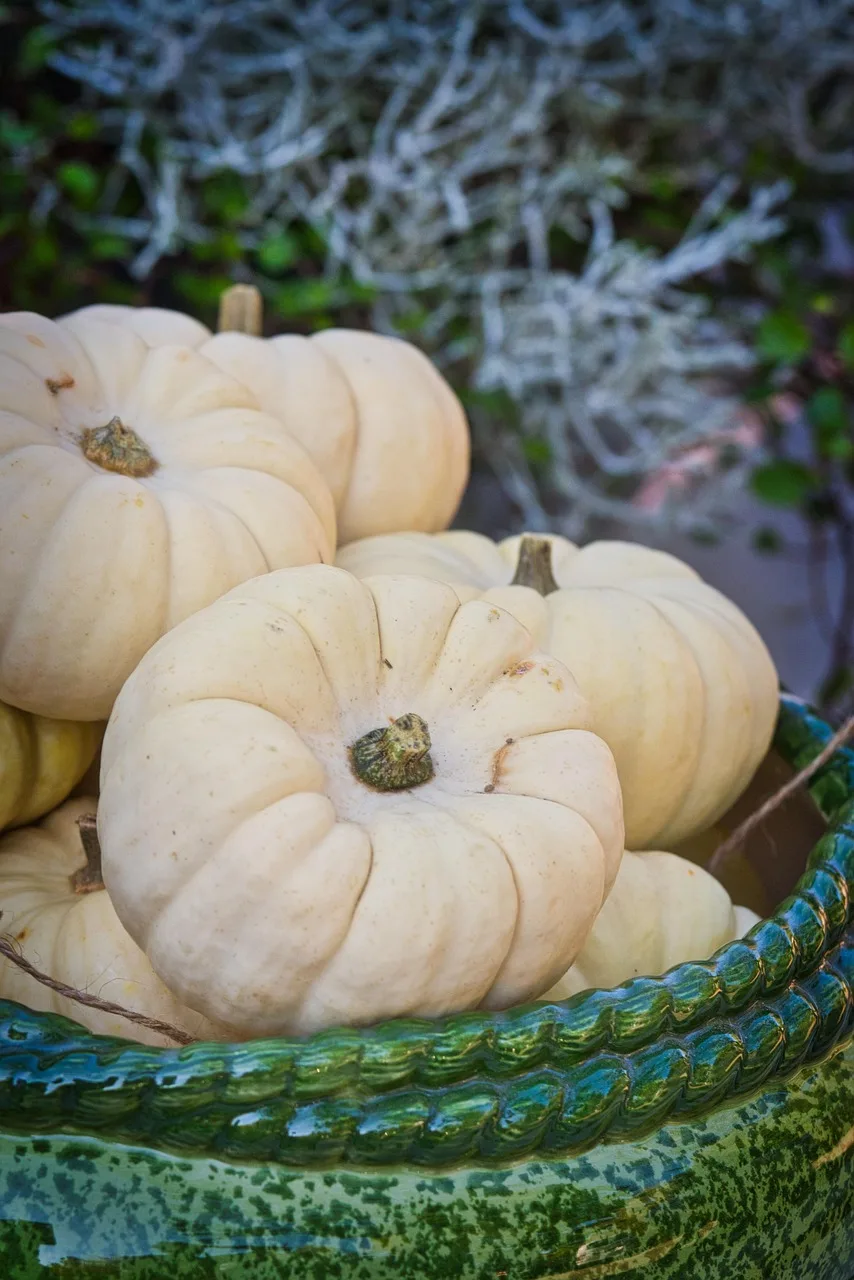
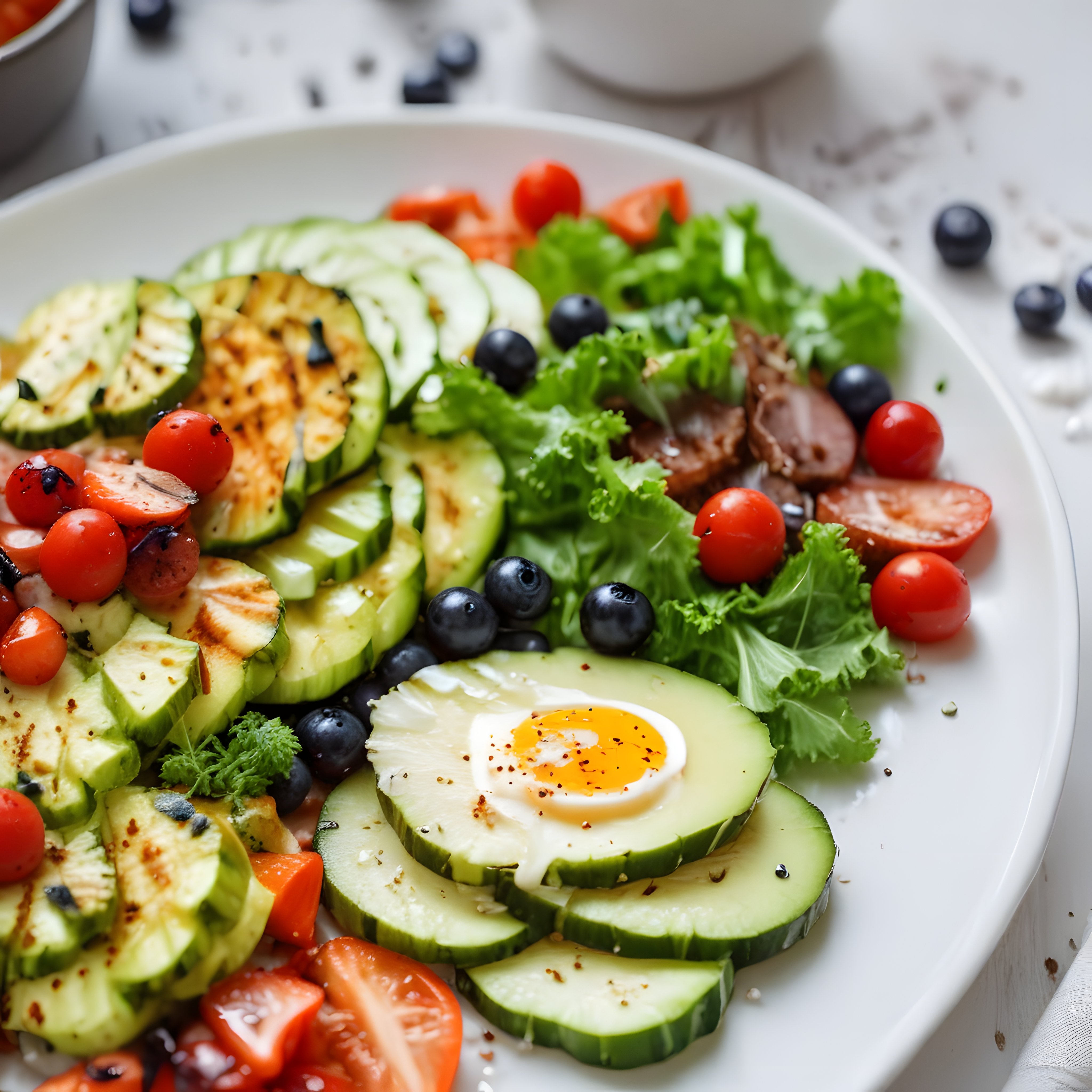
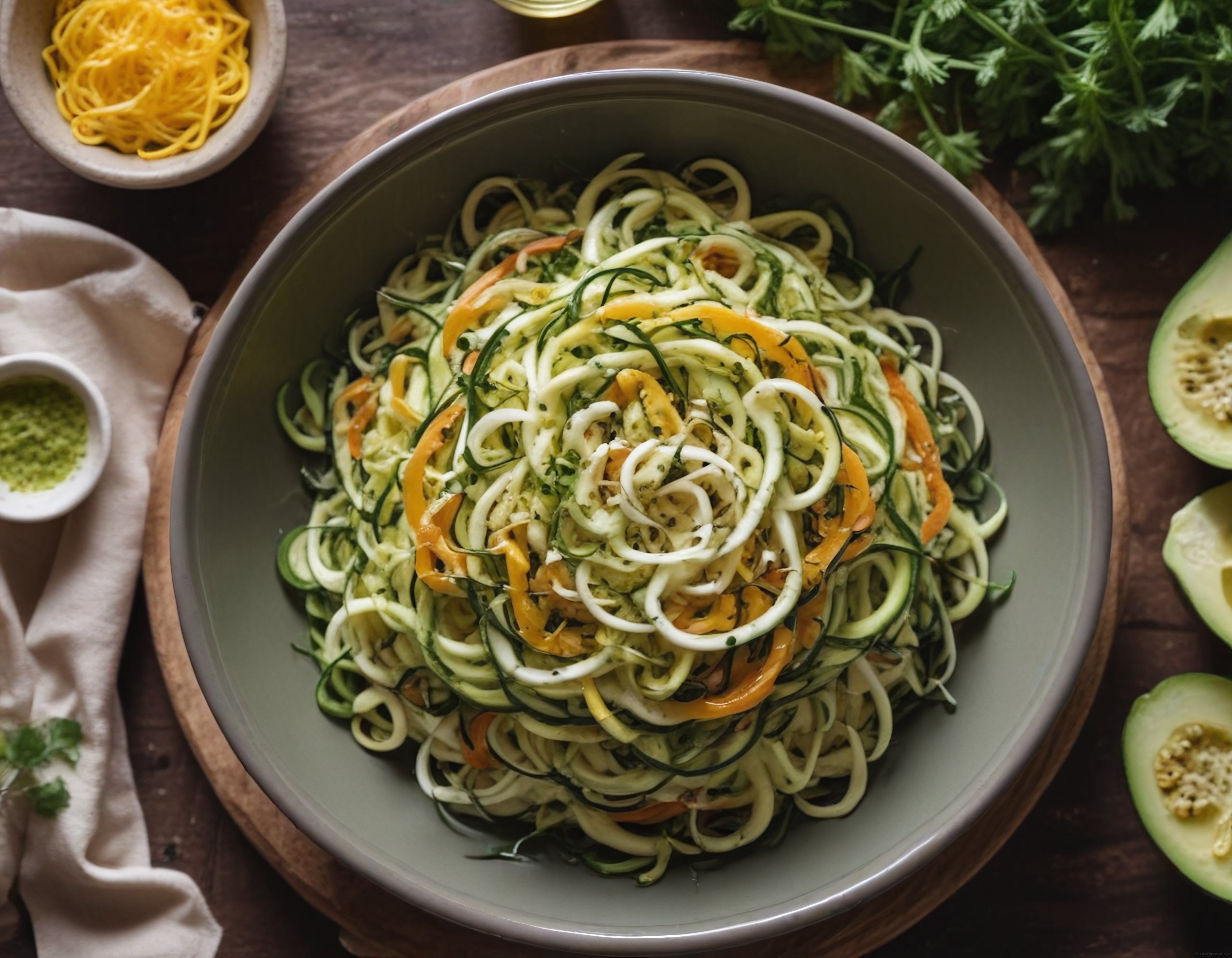
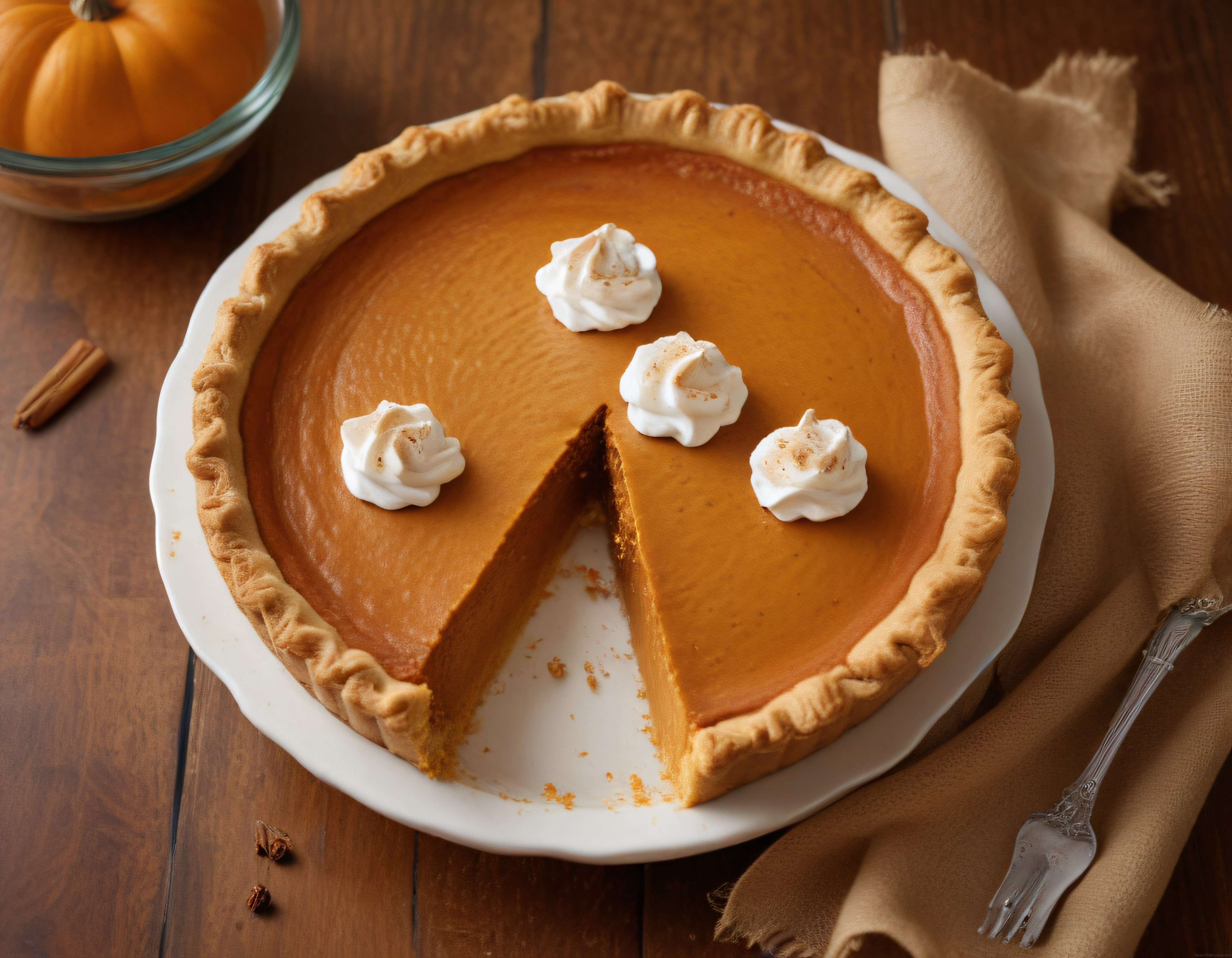
"kabak" kelimesinin İngilizcesi: zucchini, pennyroyal, zucchini, courgette, pumpkin. Anlamı, çevirisi, telaffuzu ve örnek cümleler aşağıdadır.
Çeviri
Genelzucchininoun
Genelpennyroyal
Genelzucchini
Genelcourgette
Genelpumpkin
Genelzucchini
Genelcourgette
Genelpumpkin
Genelcourgette
Genelzucchini
Genelpumpkin
Görsel
Çekim Tablosu
Belirtme (-i)kabağı
Yönelme (-e)kabağa
Bulunma (-de)kabakta
Çıkma (-den)kabaktan
Tamlayan (-in)kabağın
Çoğul (-ler)kabaklar
Tanım
•isim, bitki bilimi: Kabakgillerden, sürüngen gövdeli, sarı çiçekli, birçok türü olan bir bitki (Cucurbita)
•bitki bilimi: Bu bitkinin türlerine göre yemeği ve tatlısı yapılan ürünü
•Esrarkeşlerin kullandığı bir tür nargile
•müzik: kabak kemane
•sıfat: Ham, tatsız (kavun, karpuz)
•sıfat: Tüysüz, dazlak olan
Atasözü & Deyim
“Fare deliğe sığmamış, bir de kuyruğuna kabak bağlamış: 1”
“Kel yanında kabak anılmaz”
“Şeytanla kabak ekenin kabak başına patlar”
Diğer Dillerde
AlmancaKahlkopf, kürbis, Zucchini (eril) /ˈkaːlkɔpf/
bald head
çekim: çoğul Kahlköpfe · tamlayan Kahlkopfes
eş: Glatzkopf, Glatzenträger, Kahlköpfiger
köken: From Kahl + kopf.
aile: Blauender Kahlkopf, Blaugrünfleckender Kahlkopf
Fritierter Kürbis? — Tavada kızartılmış kabak mı
FransızcaChauve, Courgette /ʃov/
bald (devoid of hair) · bare, barren (devoid of a thing (such as vegetation))
çekim: çoğul chauves
eş: gymnocéphale
zıt: chevelu
köken: Inherited from Latin calvus.
aile: aigle chauve, aigle à tête chauve, chauve-souris, chauvir, chauvissant, cyprès chauve, l'occasion est chauve
Une citrouille frit ? — Tavada kızartılmış kabak mı
İspanyolcacalabaza, calabazera, calabazo (dişil) /kalaˈbaθa/
pumpkin (Cucurbita pepo; typical pumpkin used for Halloween and autumn seasonal decoration) · gourd, pumpkin · cep, porcino (Boletus edulis)
çekim: çoğul calabazas
eş: calabacera, zapallo, zapallo, jícaro, mate, porongo
köken: Etymology tree Paleo-Hispanicbor.? Vulgar Latin *calapaccia Old Spanish calabaça Spanish calabaza Inherited from Old Spanish calabaça, possibly from a hypothetical Vulgar Latin *calapaccia (compare Catalan carabassa and Portuguese cabaça), ultimately of Paleo-Hispanic origin. Less likely from Arabic قَرْعَة يَابِسَة (qarʕa(t) yābisa, “dry gourd”), which is from Classical Persian خَرْبُزَه…
aile: calabacear, calabacín, calabaza bellota, calabaza butternut, calabaza de invierno, calabaza de nuez, calabazada, calabazazo, chinche de la calabaza, dar calabazas
Y no van a morir sólo de sarampión. — Sadece Kabakulaktan ölmeyecekler.
İtalyancazucca (dişil) /ˈd͡zuk.ka/
pumpkin · marrow (vegetable) · squash (plant)
çekim: çoğul zucche
eş: o, testa, capoccia, crapa, cranio, testone
köken: From Late Latin cucutia (via metathesis and apheresis), from Latin cucurbita (“gourd”). Doublet of cocuzza and cucurbita.
aile: inzuccare, zuccaia, zuccata, zucchetto, zucchina, zuccone
Una zucca saltata in padella? — Tavada kızartılmış kabak mı
Rusçaкабачок, тыква
Арбуз оказался неспелым. — Karpuz kabak çıktı.
Arapçaدُبَاء, قَرْع, يَقْطِين
وأنهم لن يموتوا من الحصبة فقط . — Sadece Kabakulaktan ölmeyecekler.
Farsçaکدو تنبل, کدو حلوایی
kind of elongated, sweet pumpkin · blockhead, dimwit (stupid person) · zombie (an apathetic person)
çekim: çoğul balqabaqlar · tamlayan balqabağın
köken: Izafet I compound of bal (“honey”) + qabaq (“pumpkin”).
Kazakçaасқабақ /ɑsqɑˈbɑq/
pumpkin, Cucurbita
çekim: çoğul асқабақтар · tamlayan асқабақтың
köken: From ас (as, “food”) + қабақ (qabaq, “pumpkin, calabash”). Compare to Turkish kabak, Tatar кабак (qabaq).
Tatarcaкабак
Felemenkçepompoen (eril) /pɔmˈpun/
pumpkin (plant of genus Cucurbita, or its edible fruit)
çekim: çoğul pompoenen
köken: Early modern borrowing from Middle French pompon.
aile: flespompoen, pompoenlantaarn, pompoenpit, pompoenplant, pompoensoep, pompoentaart, waspompoen
Een gefrituurde pompoen? — Tavada kızartılmış kabak mı
Portekizceabóbora, aboboreira, cor de abóbora, jerimum (dişil) /aˈbɔ.bo.ɾɐ/
pumpkin, squash, gourd · someone unenergetic, lethargic
çekim: çoğul abóboras
eş: abobra, jerimum
köken: Inherited from Old Galician-Portuguese abóbora, from Hispanic Medieval Latin apoperes of uncertain origin. Cognate of Spanish abobra and Galician abóbora.
Construções genitivas precedem o substantivo núcleo. — Mücverin ana malzemesi kabaktır.
Tenho-me sentido muito cansado. Ainda são onze da noite e já virei uma abóbora.
Yunancaκολοκύθα (dişil)
pumpkin (vegetable squash)
çekim: çoğul κολοκύθες · tamlayan κολοκύθας
Μήπως είναι τηγανιτή κολοκύθα? — Tavada kızartılmış kabak mı
Korece호박 /ˈɸʷo̞(ː)ba̠k̚/
pumpkin (both plant and fruit) · an ugly woman
eş: 남과
köken: First attested in the Yeogeo yuhaebo (譯語類解補 / 역어유해보), 1775, as Early Modern Korean 호박 (Yale: hwopak), probably from 호(胡)- (ho-, “barbarian”) + 박 (bak, “gourd”) because it was introduced from Qing China, which was considered barbaric by the Koreans (Jang 2008, p. 264). The long vowel is irregular, however. Other words with the prefix, e.g. 호(胡)주머니 (hojumeoni, “pocket”) and 호(胡)떡 (hotteok,…
aile: 애호박, 호박등
그리고 그들은 단지 홍역만으로 죽지는 않을 겁니다. — Sadece Kabakulaktan ölmeyecekler.
a style of decorative floral painting with large, fantastical flowers, especially associated with Dalecarlia · a gourd
çekim: çoğul kurbitsar · tamlayan kurbitsens
eş: kalebass
köken: Borrowed from Middle Low German körvitz, itself borrowed from Middle High German kürbiz, from Old High German kurbiz, from Proto-West Germanic *kurbit.
Tuta och kör, sa Nusse. — Zırfet, menemen, kabak.
pumpkin, gourd, squash (any plant of the genus Cucurbita) · pumpkin, gourd, squash (fruit of this plant) · head, noggin (part of the body of an animal or human which contains the brain, mouth and main sense organs)
çekim: çoğul dynie · tamlayan dyni
eş: reg. (Kresy) harbuz, reg. (Poznań) korbol, reg. (Poznań) korbal, reg. (Górny Śląsk) bania, globus, kaczan
köken: Etymology tree Proto-Slavic *dyňa Polish dynia Inherited from Proto-Slavic *dyňa.
aile: dyniasty, dyniowaty
Czy to smażona na patelni dynia? — Tavada kızartılmış kabak mı
Ukraynacaгарбу́з
Який великий гарбуз! — Ne büyük bir kabak!
Hintçeकदू, कद्दू, कुम्हड़ा, कोंहड़ा (eril) /kə.d̪uː/
alternative form of कद्दू (kaddū)
çekim: çoğul कदुओं
Fincekurpitsa, nuppu, pallokurpitsa /ˈkurpitsɑ/
pumpkin, squash, gourd (Cucurbita pepo, plant) · pumpkin, squash, gourd (fruit) · Any of the plants in the genus Cucurbita, and their fruits.
çekim: çoğul kurpitsat · tamlayan kurpitsan
köken: Borrowed from Swedish kurbits.
aile: cushaw-kurpitsa, jättikurpitsa, kajottikurpitsa, kesäkurpitsa, kiekkokurpitsa, koristekurpitsa, kurpitsajuhla, kurpitsalyhty, kurpitsansiemen, kurpitsapiirakka
Pannulla paistettu kurpitsa? — Tavada kızartılmış kabak mı
Çekçedýně (dişil) /ˈdiːɲɛ/
pumpkin
çekim: çoğul dýní · tamlayan dýní
eş: tykev
köken: Inherited from Old Czech dýně, from Proto-Slavic *dyňa.
Třeba smažená dýně? — Tavada kızartılmış kabak mı
pumpkin · watermelon
çekim: çoğul bostani · tamlayan bostanului
köken: Borrowed from Ottoman Turkish بوستان (bostan), from Persian بوستان (bôstân).
Hop, țurcă, furcă! — Zırfet, menemen, kabak.
Macarcatök /ˈtøk/
squash, pumpkin, vegetable marrow · bells (a suit in German or Hungarian cards) · testicles, balls
çekim: çoğul tökök
köken: Borrowed from a South Slavic language. Ultimately from Proto-Slavic *tyky.
aile: tököl, tökös, tökű, csillagtök, laskatök, lopótök, pézsmatök, spárgatök, sütőtök, tökfej
Talán egy sült tök? — Tavada kızartılmış kabak mı
İbraniceדְּלַעַת
והם לא הולכים למות רק מחצבת. — Sadece Kabakulaktan ölmeyecekler.
Latincepepō
Dancagræskar /ˈɡ̊ʁasˌkʰɑ/
pumpkin (plant, fruit) · marrow (vegetable)
çekim: çoğul græskarrene · tamlayan græskars
köken: Older græskarve n pl, a compound of græs (“grass”) and Middle Low German korvet, korves, Old High German kurbiz (cf. German Kürbis, Swedish kurbits). It is an old loan from Latin cucurbita. Ultimately it derives from Sanskrit चिर्भट (cirbhaṭa), चर्भट (carbhaṭa, “cucumber”).
Der dannes ofte rodskud. — Genellikle kabak yetiştirilir.
Norveççegresskar
«Tjener rått på Oslos søppel». — "Ozan Kabak resmen Stuttgart'ta".
Etimoloji
(Bu girdinin köken kısmı şimdilik eksiktir. Lütfen eklenmesine yardımcı olun ve sonrasında {{kökenisteniyor}} şablonunu kaldırın.)
Deyimler
Kelime Ailesi
Eş & Zıt Anlamlılar
Örnek Cümleler
Kabakulak aşısı
Mumps vaccine
Kabaklar yeşildir.
Courgettes are green.
Kabakları ektin mi?
Have you planted pumpkins?
Ne büyük bir kabak!
What a big pumpkin!
Kabaklar yeşildirler.
Zucchinis are green.
Bu yıl kabak ektin mi?
Did you plant pumpkins this year?
Kabak bir lastiğim var.
I have a flat tire.
Kabak pudingi yiyeceğim.
I will eat pumpkin pudding.
Tom kabak gibi ortadaydı.
Tom stuck out like a sore thumb.
Kabak bir yaz sebzesidir.
Zucchini is a summer vegetable.
Kabak yetiştiriyor musun?
Do you grow pumpkins?
Tom ve Mary kabakları oydu.
Tom and Mary carved pumpkins.
Birleşik Kelimeler
kabak çekirdeğikabak çiçeğikabak dolmasıkabak elmasıkabak kafalıkabak kemanekabak tadıkabak tatlısıbaşı kabakarmut kabağıasma kabağıbal kabağıbarut kabağıboru kabağıhelvacı kabağıkantar kabağıkestane kabağısakız kabağısu kabağıtesti kabağıyan kabağı