Sözlük
/hayalet
hayalet
/ha.jaˈlet/
noun
A2 seviye
TR → EN
"hayalet" kelimesinin İngilizcesi: ghost, apparition, phantasm, phantom, shade. Anlamı, çevirisi, telaffuzu ve örnek cümleler aşağıdadır.
Çeviri
Genelghostnoun
Genelapparition
Genelphantasm
Genelphantom
Genelshade
Genelshadow
Genelshape
Genelspecter , (ing.)spectre
Genelspirit
Genelsprite
Genelghost
Genelghost
Görsel

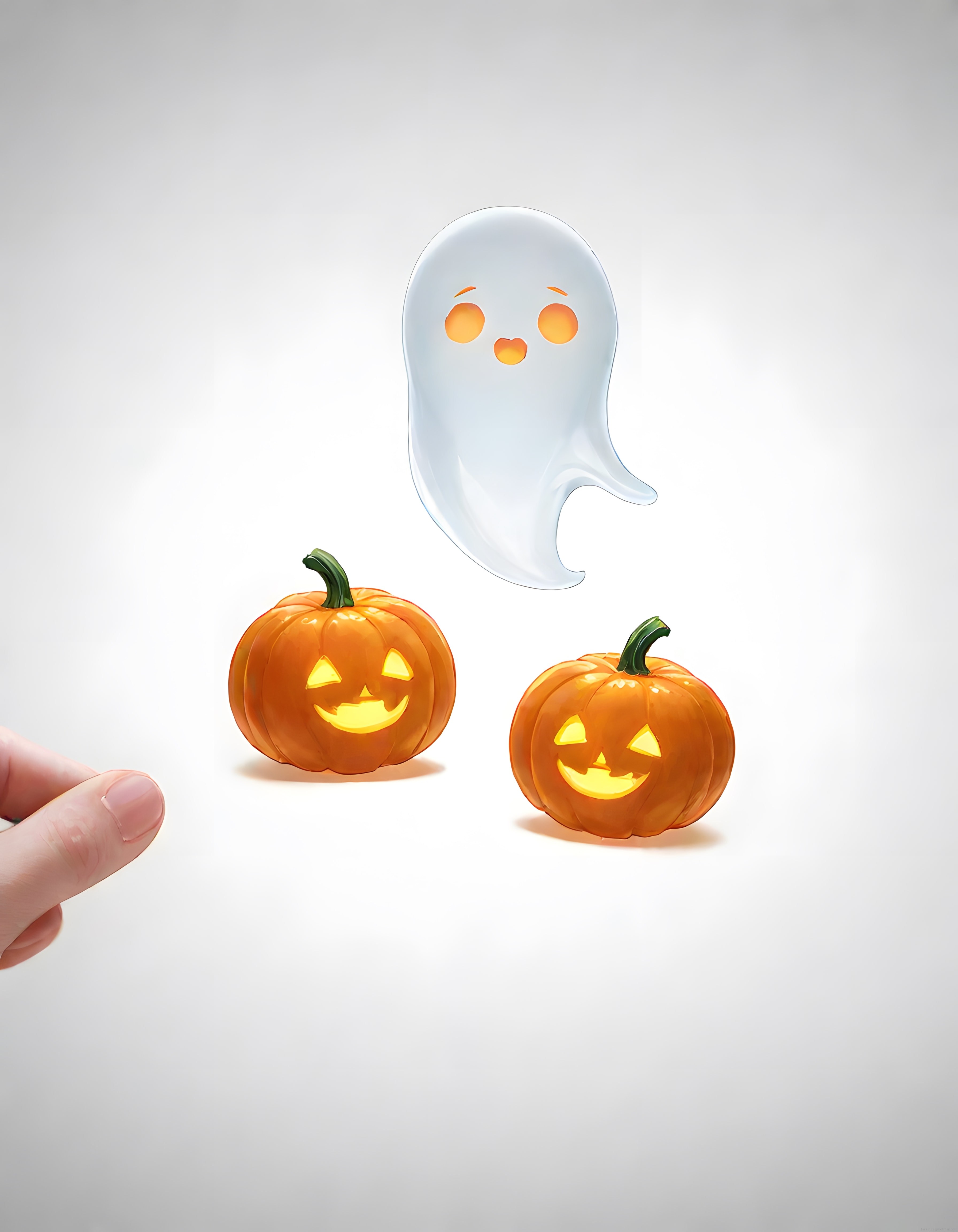
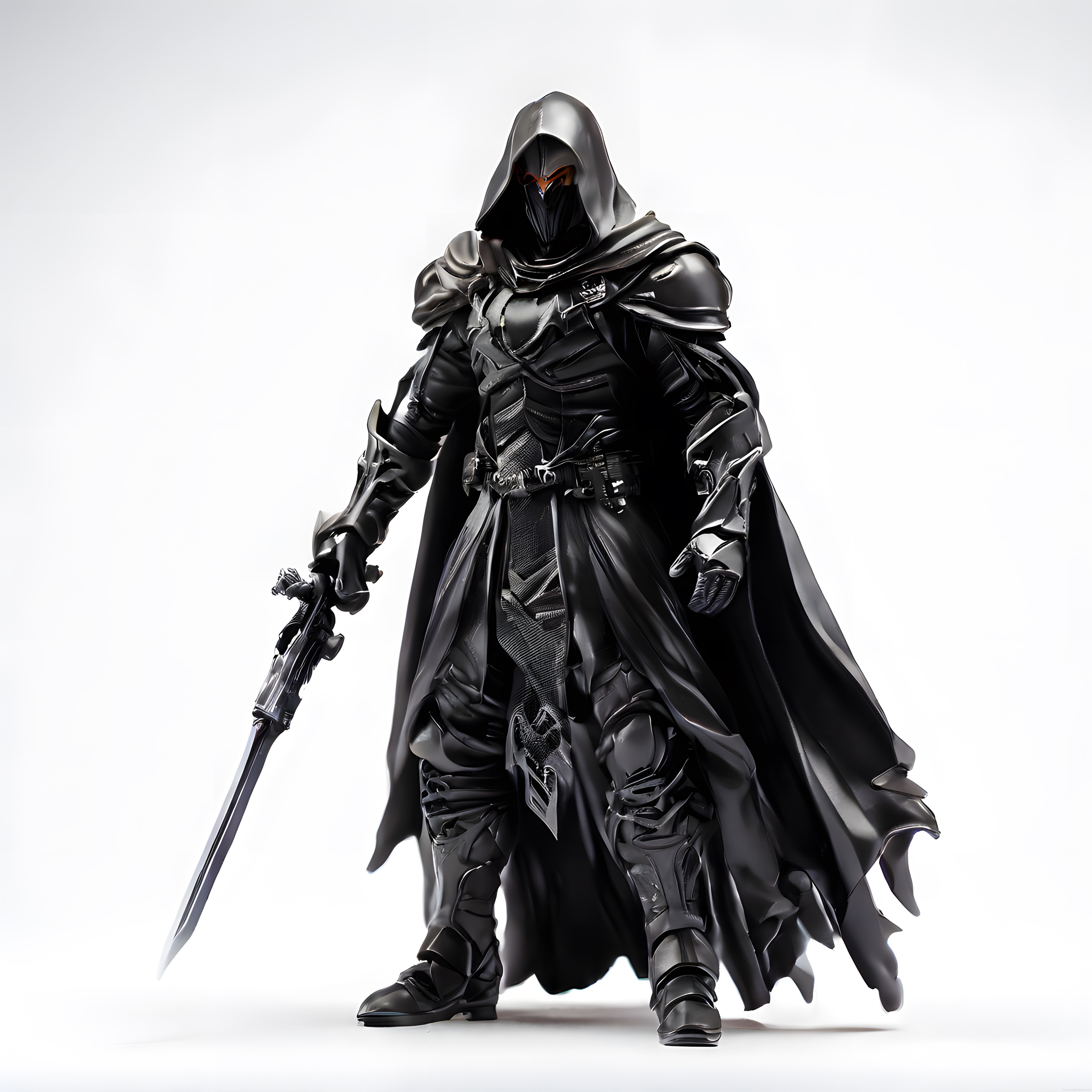

Çekim Tablosu
Belirtme (-i)hayaleti
Yönelme (-e)hayalete
Bulunma (-de)hayalette
Çıkma (-den)hayaletten
Tamlayan (-in)hayaletin
Çoğul (-ler)hayaletler
Tanım
•isim: Gerçekte var olmadığı hâlde bazen görüldüğü sanılan peri, hortlak vb. görüntüler; görüntü, fantom
•Belli belirsiz görülen şey
•mecaz: Çok zayıf kimse
Diğer Dillerde
Almancaphantom (nötr) /fanˈtoːm/
phantom
çekim: çoğul Phantome · tamlayan Phantoms
köken: Borrowed from French fantôme, from Old French fantosme, from Latin phantasma, from Ancient Greek φάντασμα (phántasma).
Ein Geist? — Bir hayalet?
Fransızcafantôme (eril) /fɑ̃.tom/
ghost
çekim: çoğul fantômes
eş: ectoplasme, esprit, revenant, spectre
köken: Etymology tree Proto-Indo-European *bʰeh₂-der. Proto-Hellenic *pʰáňňō Ancient Greek φαίνω (phaínō) Ancient Greek φᾰντᾰ́ζω (phăntắzō) Proto-Indo-European *-mn̥ Ancient Greek -μᾰ (-mă) Ancient Greek φάντασμα (phántasma)bor. Latin phantasma Old French fantosme French fantôme Inherited from Old French fantosme, from Latin phantasma, from Ancient Greek φάντασμα (phántasma); alternatively, according to…
aile: cabinet fantôme, conducteur fantôme, douleur fantôme, fantomal, réservation fantôme, train fantôme, ville fantôme
Un fantôme ? — Bir hayalet?
Il recherche des individus qui puissent communiquer avec des fantômes.
İspanyolcaalcohol, alma, aparecido, aparición, bebida espirituosa, cortar toda comunicación con (eril) /alˈkol/
alcohol · galena · kohl, stibnite
çekim: çoğul alcoholes
eş: alcohol etílico, etanol, kajal, kohl
köken: Inherited from Old Spanish alcofol, alcofor, alcohol (c. 1200), from Andalusian Arabic اَلْكُحُول (al-kuḥū́l), from Arabic اَلْكُحْل (al-kuḥl, “kohl”).
aile: alcohol alílico, alcohol amílico, alcohol de madera, alcohol de quemar, alcohol etílico, alcohol metílico, alcoholar, alcoholemia, alcohólico, alcoholimetría
Es una fantasía. — Bir hayalettir.
İtalyancaanima, apparizione, fantasima, ghostare, larva, lemure (dişil) /ˈa.ni.ma/
soul · the innermost part of something: · sound post
çekim: çoğul anime
eş: alito vitale, animo, coscienza, cuore, intelligenza, interiore
köken: From Latin anima, from animus, from Proto-Italic *anamos, from Proto-Indo-European *h₂enh₁mos, a nominal derivative of *h₂enh₁- (“breathe”). Doublet of alma.
aile: anima gemella, animella, animetta, animina, animismo, animuccia
Un fantasma? — Bir hayalet?
Rusçaпривидение, призрак, фантом
Призрак? — Bir hayalet?
Arapçaجِنِّي, خَيَال, رُوح, رُوَح, زَوْل, شبح (eril) /ʃa.baħ/
specter, ghost, apparition, phantom, spirit · blurred, indistinct shape · nightmare
çekim: çoğul شُبُوح · tamlayan شَبَحٍ
شبح؟ — Bir hayalet?
رَأَيْتُ شَبَحًا مِنْ بَعِيدٍ
Farsçaروح /ˈruːh/
spirit · soul · essence
çekim: çoğul ارواح
eş: روان
köken: Borrowed from Arabic رُوح (rūḥ).
aile: روحی, روحانی, روحیه, بیروح
روح با علم است و با عقل است یار روح را با تازی و ترکی چه کار
Azericehayalet, ruh /ruh/
spirit · mind · ghost
çekim: çoğul ruhlar · tamlayan ruhun
köken: From Old Anatolian Turkish رُوحْ (rūh), from Arabic رُوح (rūḥ).
aile: ruhi, ruhlandırmaq, ruhlanmaq
Sağlam bədəndə sağlam ruh olar.
unclear outline; silhouette · presentation · ghost, phantom
çekim: çoğul елестер · tamlayan елестің
Özbekçearvoh
ghost
çekim: çoğul arvohlar · tamlayan arvohning
köken: Borrowed from Arabic أَرْوَاح (ʔarwāḥ), the plural of Arabic رُوح (rūḥ, “spirit”).
Tatarcaөрәк
artifact
çekim: çoğul artefacten
Een spook? — Bir hayalet?
Portekizceabantesma, abentesma, álcool, alma, ânimo, aparição (dişil) /a.bɐ̃ˈtez.mɐ/
ghost (spirit appearing after death)
çekim: çoğul abantesmas
eş: assombração, avantesma, avejão, espectro, visagem
köken: Inherited from Latin phantasma, from Greek φάντασμα (fántasma). Doublet of fantasma, which was borrowed.
Demon — Hayalet Program
Yunancaοινόπνευμα, πνεύμα, σκιά, φάντασμα (nötr) /iˈnopnevma/
surgical spirit, rubbing alcohol · ethyl alcohol · alcohol (intoxicating drink)
çekim: çoğul οινοπνεύματα · tamlayan οινοπνεύματος
eş: αλκοόλ, σπίρτο
köken: From οίνος (oínos, “wine”) + πνεύμα (pnévma, “spirit”), a calque of French esprit-de-vin, itself calquing Latin spiritus vini. First attested 1831.
Ένα φάντασμα; — Bir hayalet?
an alcohol · alcohol (intoxicating beverage)
köken: /arukohoru/ → /arukoːru/ Borrowed from Dutch alcohol, initially borrowed and pronounced as アルコホル (arukohoru) with evidence of a phonetic kanji spelling as 亜(あ)爾(る)箇(こ)保(ほ)児(る) (arukohoru). The medial /h/ appears to have fallen out due to historical kana orthography-induced spelling pronunciation (ho→wo→o), in the manner of the evolution of 凍(こほ)る (kōru). Compare French alcool, Italian alcol,…
aile: 消毒用アルコール
何 言ってるんだ? — Bir hayalet?
ビール飲むか?
いや、アルコールはダメなんだ。
mirage; phantom; phantasm
是個幽靈。 — Bir hayalettir.
spirit (in the sense of manner or style) · breath
çekim: tamlayan andas
aile: ge upp andan, hålla andan, hämta andan, kämparanda, med andan i halsen, tappa andan, framåtanda, kåranda, tidsanda
Är hon ett spöke? — Bir hayalettir.
en sång i någons anda
kämparanda
Staden visade upp en anda av framåtskridande.
Lehçedusza, ghostować, mara, spirytus, upiór, widmo (dişil) /ˈdu.ʂa/
soul, spirit · clothes iron heater · sound post
çekim: çoğul dusze · tamlayan duszy
eş: duch, duch
köken: Etymology tree Proto-Indo-European *dʰews- Proto-Indo-European *-yeh₂ Proto-Indo-European *dʰowsyeh₂ Proto-Balto-Slavic *dáusjāˀ Proto-Slavic *dūšà Polish dusza Inherited from Proto-Slavic *dūšà.
aile: bezduszny, bez grosza przy duszy, bezdusznie, bezduszność, dusza człowiek, męczydusza, chciałaby dusza do raju
Duch? — Bir hayalet?
Ukraynacaартефа́кт, мара́, ма́рево, при́вид, прима́ра
Демон — Hayalet Program
unseen, invisible
zıt: दृश्य
köken: Borrowed from Sanskrit अदृश्य (adṛśya).
Finceaave, ajautua tyynessä, alkoholi, ghostata, haamu, haamukuva /ˈɑːʋeˣ/
phantom (something apparently seen, heard, or sensed, but having no physical reality) · ghost (spirit of a dead person) · synonym of enne (“omen”)
çekim: çoğul aaveet · tamlayan aaveen
köken: Unknown, but possibly related to haave, as a variant thereof.
aile: aavemainen, aavistaa, aavejuna, aavekaupunki, aavekipu, aavekuva, aavelaiva, aaveraaja, aavesärky, musta-aavetetra
Demoni — Hayalet Program
artifact
çekim: çoğul artefakty · tamlayan artefaktu
eş: výtvor, umělecké dílo
Démon — Hayalet Program
apparition · appearance
çekim: çoğul apariții
köken: Borrowed from French apparition, Latin apparitio. Equivalent to apari + -ție.
Demon — Hayalet Program
shadow, shade · ghost
çekim: çoğul árnyak
köken: Back-formation from árnyék. Created during the Hungarian language reform, which took place in the 18th–19th centuries.
aile: árnyal, árnyas, árnytalan, árnyjáték
Démon — Hayalet Program
İbraniceסְפִּירְט, רוּחַ, רוּחַ רְפָאִים
?רוח — Bir hayalet?
Latinceanimus, ebriamen, genius, manes, phantasma, phasma /ˈa.nɪ.mʊs/
life, life force, soul, vitality (that life-giving aspect which animates a thing) · heart, mind, spirit (the affective dimension of the human mind in general; the seat of the emotions and feelings a person experiences) · affect, emotion, feeling, impulse, passion (the essence of that which is situated within the affective mind)
çekim: çoğul animī · tamlayan animī
köken: From Proto-Italic *anamos, from Proto-Indo-European *h₂enh₁mos, a nominal derivative of Proto-Indo-European *h₂enh₁- + *-mos, in which the root means "to breathe". Cognate with Ancient Greek ἄνεμος (ánemos, “wind, breeze”), Old Armenian հողմ (hołm, “wind”), Old Frisian omma (“breath”), English onde (“breath”, dialectal), Norwegian Nynorsk ande (“breath”), and possibly Sanskrit अनिल (ánila, “air,…
aile: aequanimis, aequanimus, animadvertō, animaequus, animitus, animōsitas, animōsus, animulus, exanimis, exanimus
Tibi bene ex animō volō.
bono animo esse
animum adicio
Dancaalkohol, ånd, draug, genfærd, genganger, gespenst
alcohol
çekim: çoğul alkoholer · tamlayan alkohols
köken: Via German Alkohol, from Medieval Latin alcohol (“powdered ore of antimony”), from Arabic اَلْكُحْل (al-kuḥl, “kohl”).
aile: alkoholafhængig, alkoholafvænning, alkoholambulatorium, alkoholbehandling, alkoholbevilling, alkoholforbrug, alkoholforbud, alkoholforgiftning, alkoholfri, alkoholholdig
Dæmon — Hayalet Program
Etimoloji
Osmanlı Türkçesi خیالت (hayalet) sözcüğünden, Arapça خَيَالَة (ḫayāle) sözcüğünden.
Eş & Zıt Anlamlılar
Örnek Cümleler
Bir hayalet!
A ghost!
Hayalet kim?
Who's the ghost?
Bir hayalet?
An axe comb?
Ben hayaletim.
I'm a ghost.@
Hayaletler var.
Ghosts exist.
Hayalet nerede?
Where is the ghost?
Hayalet Program
Demon
Hayalet gibiydi.
He wasn't talking to anyone, he was like a ghost
Çin hayaleti mi?
Is that a China ghost?
Hayalet hikayesi.
Een spookverhaal.
Onlar hayalet mi?
Are they spirits?
FX 6 - Hayaletler
FX 6 - Goblins
İlgili Sorular
İlgili / Bileşik Terimler
Genelghostbusters
Genelghost town
Genelghost slug
Birleşik Kelimeler
hayalet mutfak