Sözlük
/edebiyat
edebiyat
"edebiyat" kelimesinin İngilizcesi: literature, language, letter, literature, literature. Anlamı, çevirisi, telaffuzu ve örnek cümleler aşağıdadır.
Çeviri
Genelliteraturenoun
Genellanguage
Genelletter
Genelliterature
Genelliterature
Görsel
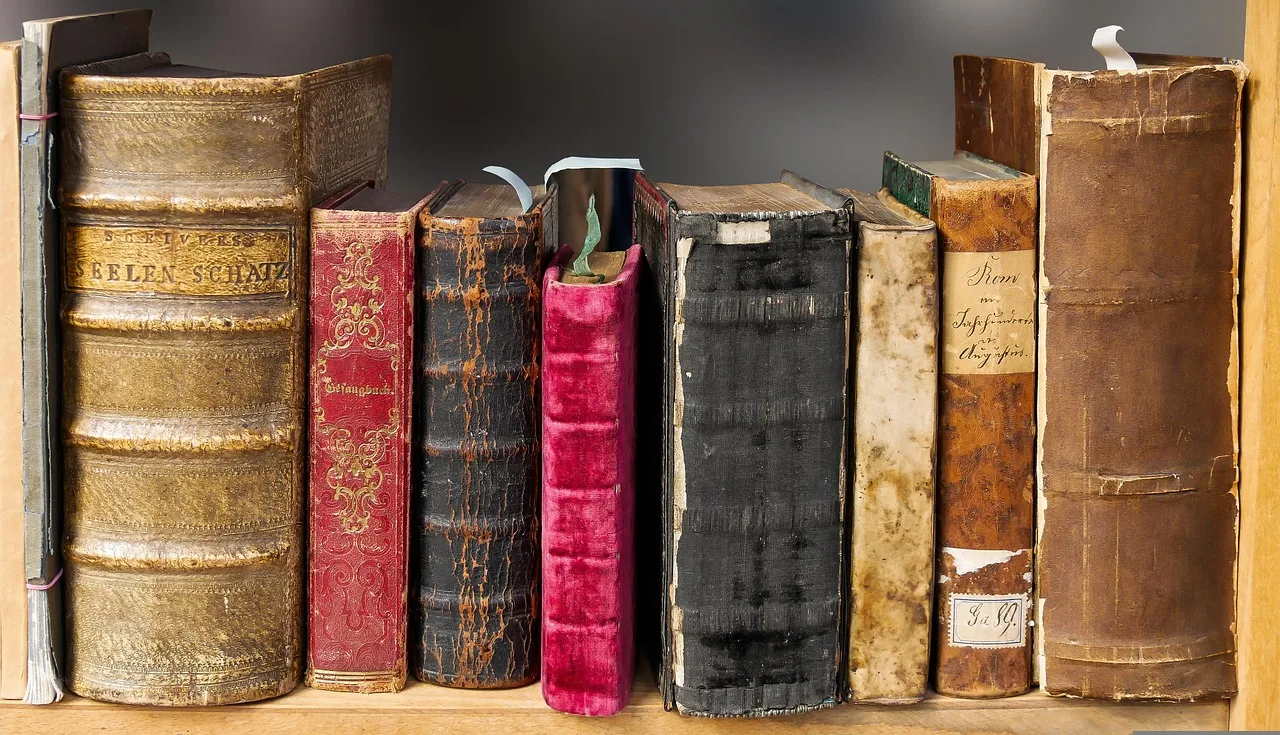
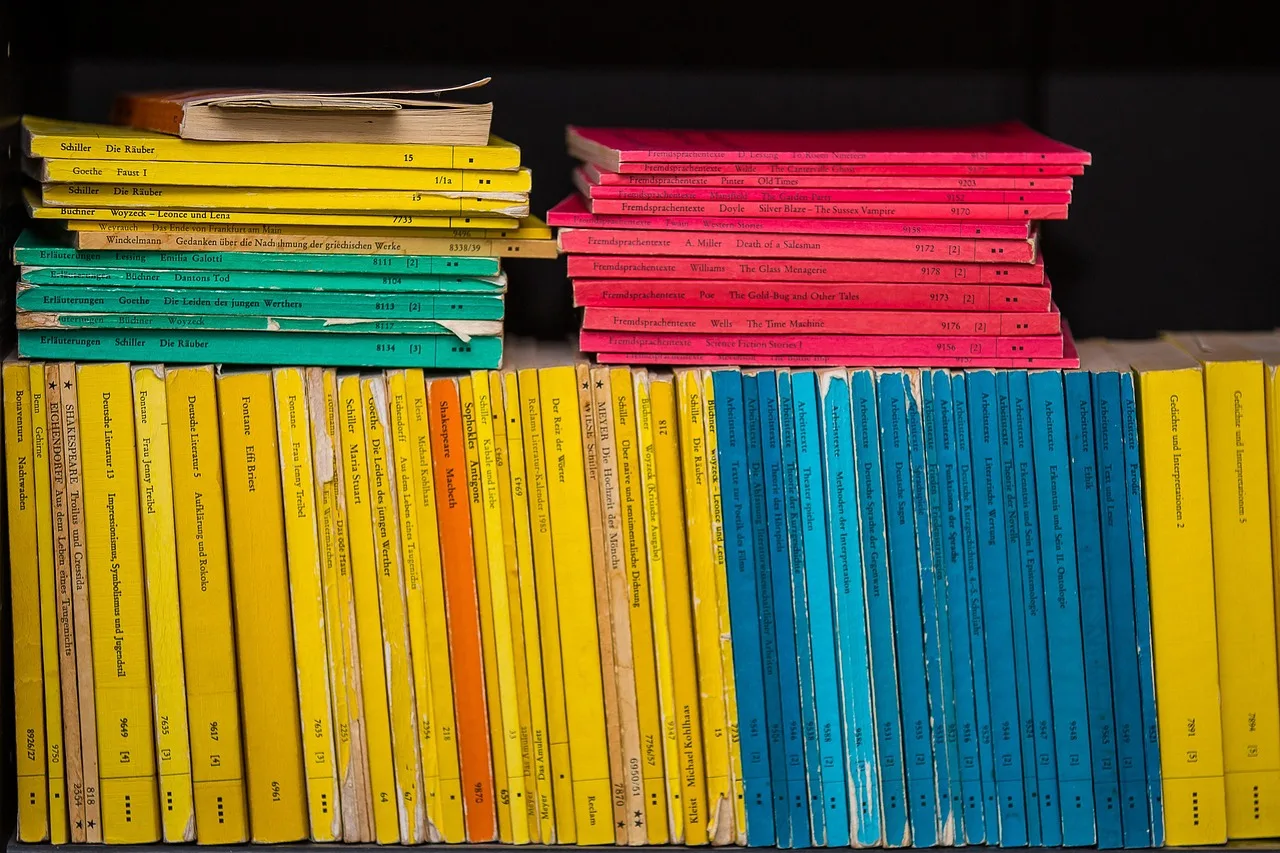
Çekim Tablosu
Belirtme (-i)edebiyatı
Yönelme (-e)edebiyata
Bulunma (-de)edebiyatta
Çıkma (-den)edebiyattan
Tamlayan (-in)edebiyatın
Çoğul (-ler)edebiyatlar
Tanım
•isim: Olay, düşünce, duygu ve hayallerin dil aracılığıyla sözlü veya yazılı olarak biçimlendirilmesi sanatı; yazın (II), gökçe yazın
•Bir bilim kolunun türlü konuları üzerine yazılmış yazı ve eserlerin hepsi; literatür
•mecaz: İçten olmayan, gereksiz, yapmacık, boş sözler
Diğer Dillerde
Almancaliteratur (dişil) /lɪtəraˈtuːr/
literature (written works collectively, often about a certain topic, in a certain language etc.) · semantic narrowings in various contexts · written fiction and poetry, especially that deemed of high cultural value
çekim: çoğul Literaturen · tamlayan Literaturen
eş: Schrifttum, Belletristik, Fachliteratur, Sachliteratur, Musikliteratur
köken: 16th century, borrowed from Latin litterātūra.
aile: Literaturabteilung, Literaturangebot, Literaturausgabe, Literaturauswahl, Literaturbesprechung, Literaturdiskussion, Literaturdozent, Literaturhistoriker, Literaturinstitut, Literaturkenntnis
Die deutsche Literatur. — Alman Edebiyatı.
In der älteren biologischen Literatur wurden diese Begriffe nicht streng geschieden.
Die altsyrische Literatur ist hauptsächlich kirchlichen Inhalts.
Literaturverzeichnis
Fransızcalittérature (dişil) /li.te.ʁa.tyʁ/
literature
çekim: çoğul littératures
köken: (circa 1120). From Latin litteratūra (“lettering, erudition”), from littera (“letter”), from Etruscan, from Ancient Greek διφθέρᾱ (diphthérā, “tablet”).
Hortensias (roman). — Roman (edebiyat).
character (traits marking a person or group) · character (moral strength) · character (symbol for a sound or word)
çekim: çoğul caracteres
eş: tipo, juego de caracteres, tipo, clase, condición, manera
köken: Borrowed from Latin charactēr. Doublet of caletre.
aile: carácter chino, carácter de escape, carácter sexual
Literatura Infantil. — Çocuk edebiyatı.
Puede que la diferencia de edad o los caracteres no resultaran compatibles en ese momento.
Ahora los usuarios de Twitter pueden utilizar hasta 280 caracteres al enviar un tuit.
İtalyancaletteratura (dişil) /let.te.raˈtu.ra/
literature · bibliography
çekim: çoğul letterature
köken: From Latin litterātūra.
«Aspetti Letterari. — ÖSS Edebiyat.
Rusçaлитература (dişil) /lʲɪtʲɪrɐˈturə/
literature
çekim: çoğul литерату́ры · tamlayan литерату́ры
eş: сочинительство, письмо, писательство, беллетристика, текст, библиография
köken: Borrowed from Latin litteratura.
Немецкая литература. — Alman Edebiyatı.
creatures
çekim: çoğul بَرِيَّات · tamlayan بَرِيَّةٍ
köken: From Aramaic בריאה, ברייה (“creature, creation”). Related to the verb بَرَأَ (baraʔa), which is also a borrowing.
أخبار الأدب. — Edebiyat Haber.
tongue (body part) · language
çekim: çoğul زبانها
köken: Inherited from Middle Persian [script needed] (ŠNA) / [script needed] (ʾwzwʾn' /uzwān/) (Middle Persian 𐫙𐫉𐫇𐫀𐫗 (ʿzwʾn /izwān/)), from Proto-Iranian *hijwáH (compare Northern Kurdish ziman, Pashto ژبه (žəba), Avestan 𐬵𐬍𐬰𐬎𐬎𐬁 (hīzuuā)), from Proto-Indo-Iranian *ȷ́iȷ́ʰwáH (compare Sanskrit जिह्वा (jihvā), Hindi जीभ (jībh) / Urdu جِیبھ (jībh)), from Proto-Indo-European *dn̥ǵʰwéh₂s (compare Old…
aile: به زبان آوردن, تحول زبان, دستور زبان, دوزبانه, دگرگشت زبان, زبان آمیخته, زبان اشاره, زبان اقلیت, زبان اول, زبان بره
بَر زَبَان نَامِ حَقّ و دَر جَانِ او گَنْدهَا اَز فِکْرِ بیاِیمَانِ او
مباد از دهن من دمی زبان تو دور که از لبم نشود ذره دهان تو دور
در زبان اردو، این کلمه به معنی « بزرگ » است.
tongue · language · spit (a narrow peninsula)
çekim: çoğul dillər · tamlayan dilin
köken: Inherited from Proto-Turkic *til (“tongue; language”). Cognate with Turkish dil. Further cognates Cognate with Old Uyghur [script needed] (dïl), Karakhanid [script needed] (dïl), Turkmen dil (“to rise”), Crimean Tatar til, Uzbek til, Uyghur تىل (til) Kazakh тіл (tıl), Kyrgyz тил (til), Southern Altai тил (til), Tatar тел (tel), Bashkir тел (tel), Tuvan дыл (dıl),Yakut тыл (tïl), Chuvash чӗлхе…
aile: dil daşıyıcısı, dilarxası, dilçilik, dilçi, dildaş, dilortası, dilönü, həmdilli
Axtardığım söz tam dilimin ucundadır.
letter, type, font
çekim: çoğul әріптер · tamlayan әріптің
köken: From Arabic حَرْف (ḥarf, “letter of alphabet”).
aile: әріптік
letter (of the alphabet)
çekim: çoğul harflar
köken: Borrowed from Arabic حَرْف (ḥarf).
language · tongue
çekim: çoğul телләр · tamlayan телнең
köken: From Proto-Turkic *til (“tongue; language”). Cognate with Bashkir тел (tel), Kazakh тіл (tıl), Kyrgyz тил (til), Uzbek til, Turkish dil (“tongue, language”).
Felemenkçeboekstaaf, brief, code, karakter, letter, letterteken (eril) /ˈbuk.staːf/
letter
çekim: çoğul boekstaven
köken: From Middle Dutch boecstaef, boecstave, from Old Dutch buocstaf, *buocstavo, from Proto-Germanic *bōkastabô, *bōkastabaz (“letter, written symbol”), equivalent to boek + staaf. Compare German Buchstabe, English bookstave.
aile: boekstaven
Oud-Egyptische architectuur — Antik Mısır edebiyatı
Portekizceliteratura (dişil) /li.te.ɾaˈtu.ɾɐ/
literature (a body of written works collectively) · literature (the body of written works from a given culture, nation or era) · literature (written material considered historically important or artistically superior)
çekim: çoğul literaturas
köken: Learned borrowing from Latin litterātūra (“grammar; philology”), from littera (“letter”). Doublet of letradura.
aile: literatura de cordel, literatura oral, literatura popular
Orgulho francês — Fransız edebiyatı
Yunancaγλώσσα, γλώσσα προγραμματισμού, γράμμα, διάλεκτος, επιστολή, ιδιογλωσσία (dişil) /ˈɣlo.sa/
tongue (muscular organ in the mouth used to eat and speak) · Figurative senses. · tongue (an individual point of flame from a fire)
çekim: çoğul γλώσσες · tamlayan γλώσσας
eş: γλωσσίδι
köken: From Ancient Greek γλῶσσα (glôssa). Cognate with Mariupol Greek гло́са (hlósa) and Tsakonian γρούσσα (groússa).
aile: αλλογλώσσος, βγάζω γλώσσα, γλωσσ., γλώσσα προγραμματισμού, γλωσσάκι, γλωσσίτσα, γλωσσολογία, δαγκώνω τη γλώσσα μου, ισόγλωσσο, στην άκρη της γλώσσας
Η ρωσική λογοτεχνία. — Alman Edebiyatı.
Πρόσεξε μη δαγκώσεις κατά λάθος τη γλώσσα σου.
Ο Παππούς έχει καρκίνο της γλώσσας.
η γλώσσα του παπουτσιού
a letter, epistle (written message or note) · a utility paper used for various purposes, such as for jotting down notes or for wrapping items
eş: 手紙(てがみ), 書簡(しょかん), 書信(しょしん), 書状(しょじょう), 書面(しょめん), 紙面(しめん)
köken: Compound of 手 (te, “hand”) + 紙 (kami, “paper”). The kami changes to gami as an instance of rendaku (連濁). An etymologically unrelated false friend of Chinese 手紙 /手纸 (shǒuzhǐ).
aile: 絵手紙
Korece문학 /munɦa̠k̚/
literature · the study of literature
köken: Sino-Korean word from 文學, from 文 (“writing”) + 學 (“learning”)
İsveççebokstav, brev, datorspråk, språk, tal, tungomål /ˈbuːkˌstɑːv/
letter of the alphabet
çekim: çoğul bokstäver · tamlayan bokstavs
köken: From Old Swedish bōkstaver, from Old Norse bókstafr, from Proto-Germanic *bōkastabaz. Compare English bookstaff.
En litterär allätare. — Bir cüceler edebiyatı.
Lehçejęzyk, list, litera, mowa, słownictwo (eril) /ˈjɛw̃.zɘk/
tongue (anything long resembling a tongue) · part of a plow; type of snow blade; short shaft · shape of tied handkerchief resembling a tongue
çekim: çoğul języki · tamlayan języka
eş: ozór, jęzor, mowa, gadka, gw. (Górny Śląsk) godka, kod
köken: Etymology tree Proto-Indo-European *dn̥ǵʰwéh₂s Proto-Balto-Slavic *inźūˀs Proto-Indo-European *-kos Proto-Slavic *-kъ Proto-Slavic *ęzykъ Old Polish język Polish język Inherited from Old Polish język. Cognate with English tongue and language.
aile: języczny, z wywieszonym językiem, bierna znajomość języka, co ślina na język przyniesie, czynna znajomość języka, długi język, języczek, język klasyczny, język kongresowy, język migowy
Nowa literatura niemiecka. — Alman Edebiyatı.
Near-synonym: styl
leaf · letter · sheet
çekim: çoğul листи́ · tamlayan листа́
köken: From Proto-Slavic *listъ (“leaf”).
Літературні новини. — Edebiyat Haber.
letter, character (of an alphabet) · syllable
çekim: çoğul अक्षरों
köken: Etymology tree Proto-Indo-European *né Proto-Indo-European *n̥- Proto-Indo-Iranian *a- Sanskrit अ- (a-) Proto-Indo-European *dʰgʷʰer- Proto-Indo-Aryan *gẓʰar- Sanskrit क्षर् (kṣar) Proto-Indo-European *-os Sanskrit -अ (-a) Sanskrit क्षर (kṣara) Sanskrit अ॒क्षर॑ (akṣára)bor. Hindi अक्षर Borrowed from Sanskrit अ॒क्षर॑ (akṣára), from अ- (a-) + क्षर (kṣara).
इस शब्द से कुछ अक्षर मिट गये हैं
इस शब्द को और अक्षर जोड़ो
Finceaakkonen, kielenkäyttö, kieli, kirjain, kirje, ohjelmointikieli /ˈɑːkːonen/
letter (symbol in an alphabet) · alphabet, ABC (ordered set of letters used in a language) · elements, rudiments, ABC (basic tenets of an area of knowledge)
çekim: çoğul aakkoset · tamlayan aakkosen
köken: aa + -kko + -nen; from aa (“(the letter) A”), the name of the letter A in Finnish. Coined by Finnish priest Anders Gabriel Wikman in 1829.
aile: aakkosellinen, aakkosittain, aakkosisto, aakkosto, ääkkönen, aakkostaa, aakkoshakemisto, aakkosjärjestelmä, aakkosjärjestys, aakkoskeitto
Äidinkieli ja kirjallisuus. — Adige dili ve edebiyatı
latinalaiset aakkoset
kyrilliset aakkoset
letter (written message)
çekim: çoğul dopisy · tamlayan dopisu
eş: psaní, list
köken: Deverbal from dopisovat, do- + -pis.
Literární listy. — Edebiyat Yazıları.
character (personality) · characteristic · character (letter of the alphabet)
çekim: çoğul caractere · tamlayan caracterului
köken: From Latin character through French caractère.
Oltenia romană (Roman Oltenia). — Roman (edebiyat).
letter (written character)
çekim: çoğul betűk
köken: Borrowed from a Turkic language. Compare Old Turkic 𐰋𐰃𐱅𐰏 (b²it²g /bitig/, “book, inscription”).
aile: betűnként, betűnkénti, betűs, betűz, betűcsalád, betűfokozat, betűkép, betűköz, betűméret, betűnagyság
Angol irodalom — Britanya edebiyatı
Latinceepistula, littera, litterae /ɛˈpɪs.tʊ.ɫa/
alternative form of epistola
çekim: çoğul epistulae · tamlayan epistulae
Etimoloji
Osmanlı Türkçesi ادبیات sözcüğünden devralındı, Arapça أَدَبِيَّات (ʾedebiyyāt) sözcüğünden.
Deyimler
Kelime Ailesi
Eş & Zıt Anlamlılar
Örnek Cümleler
Alman Edebiyatı.
German Literature.
"Edebiyat Okulu".
"Virtual School."
Fransız edebiyatı
French Literature.
Edebiyatta iyisin.
You are good at literature.
Edebiyat yapma Tom.
Cut the purple prose, Tom.
Edebiyat profesörü.
He's a professor of literature.
Edebiyat Öğretmeni.
Edebiyat Öğretmeni.
Edebiyat kasma Tom.
Cut the purple prose, Tom.
Eski Yunan Edebiyatı.
Ancient Greek Literature.
Antik Mısır edebiyatı
Ancient Egyptian Literature.
O, edebiyatta yeterli.
He is proficient in literature.
Çağdaş Türk Edebiyatı.
Çağdaş Türk Edebiyatı.
İlgili Sorular
İngilizce edebiyat deneme sınavım Cuma öğleden sonra ve Lord of the Flies okuduk; alıntılar, temalar, semboller ve yardımcı olabilecek diğer konular hakkında bilgi alabilir miyim?
Hindistan'ın ortaçağda sanat, mimari ve edebiyat üzerindeki rolü nedir?
İngilizce bölümünden lisans mezunuyum; İngiliz Dili ve Edebiyatı ya da eğitim dalı değil, sadece İngilizce. Şu anda araba satıyorum. Başka hangi iş fırsatları mevcut, ya da bana bir iş teklifi yapacak biri var mı? Öğretmenlik istemiyorum ve kendimi oldukça zeki buluyorum.
Tarih ve İngiliz Edebiyatı konularında makale ararken kullanabileceğim en iyi web kaynağı nedir?
Bilim ve edebiyatla bağlantılı olayların bir listesini paylaşabilir misiniz?
İlgili / Bileşik Terimler
Genelcomparative literature
Genelliterary theory
Birleşik Kelimeler
edebiyat bilimiedebiyatseveredebiyat tarihikarşılaştırmalı edebiyatmukayeseli edebiyatsözlü edebiyatşifahi edebiyatyazılı edebiyatburjuva edebiyatıçocuk edebiyatıdivan edebiyatıhalk edebiyatızümre edebiyatı