Sözlük
/bilye
bilye
"bilye" kelimesinin İngilizcesi: marble, agate, ball, marble, taw. Anlamı, çevirisi, telaffuzu ve örnek cümleler aşağıdadır.
Çeviri
Genelmarblenoun
Genelagate
Genelball
Genelmarble
Geneltaw
Görsel
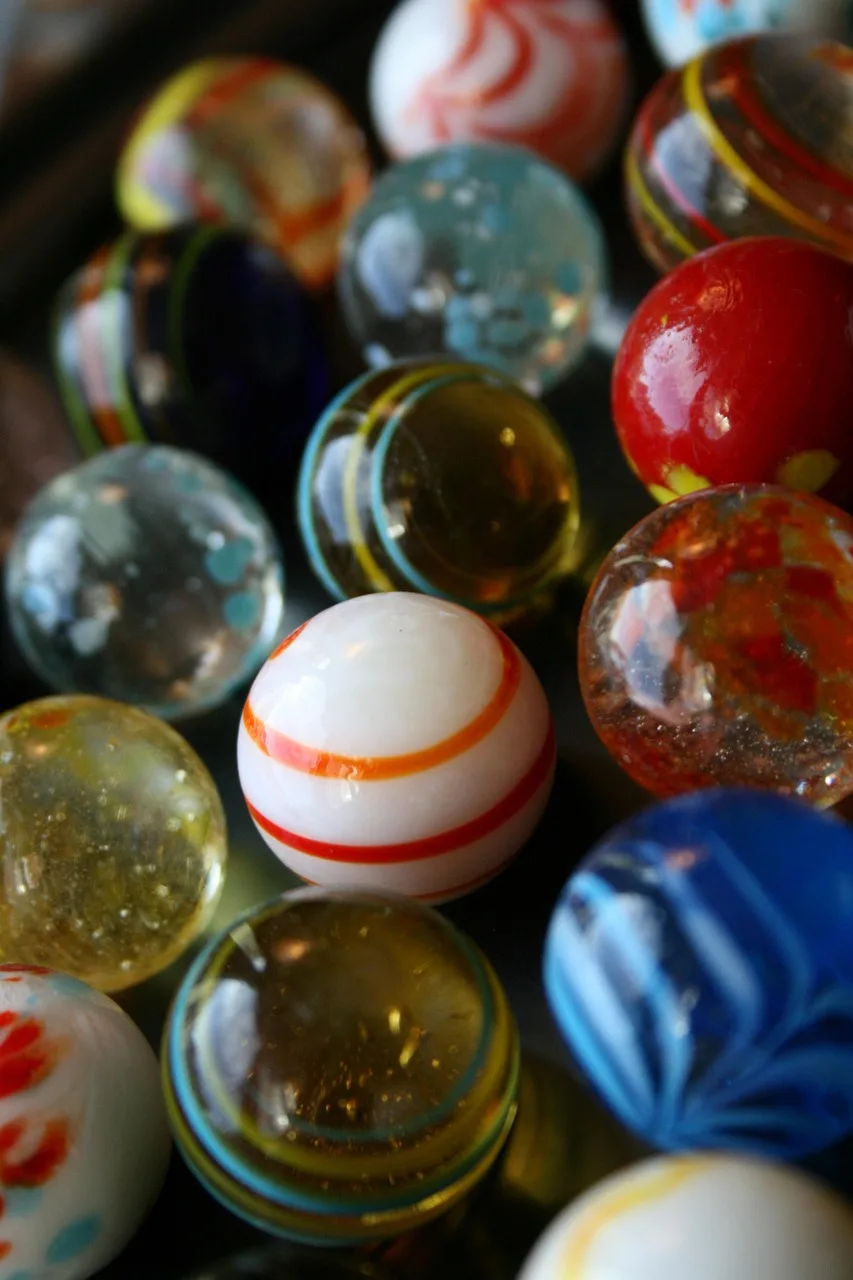

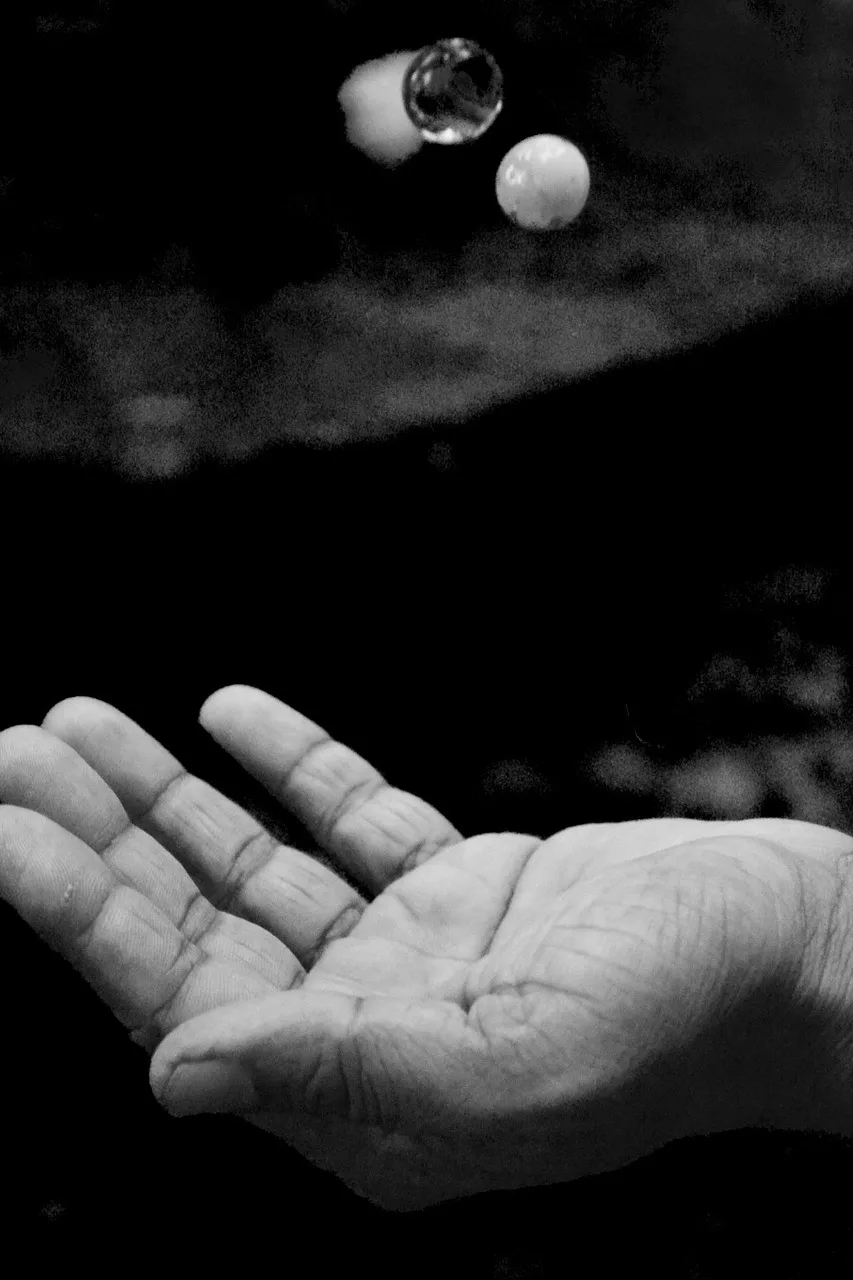
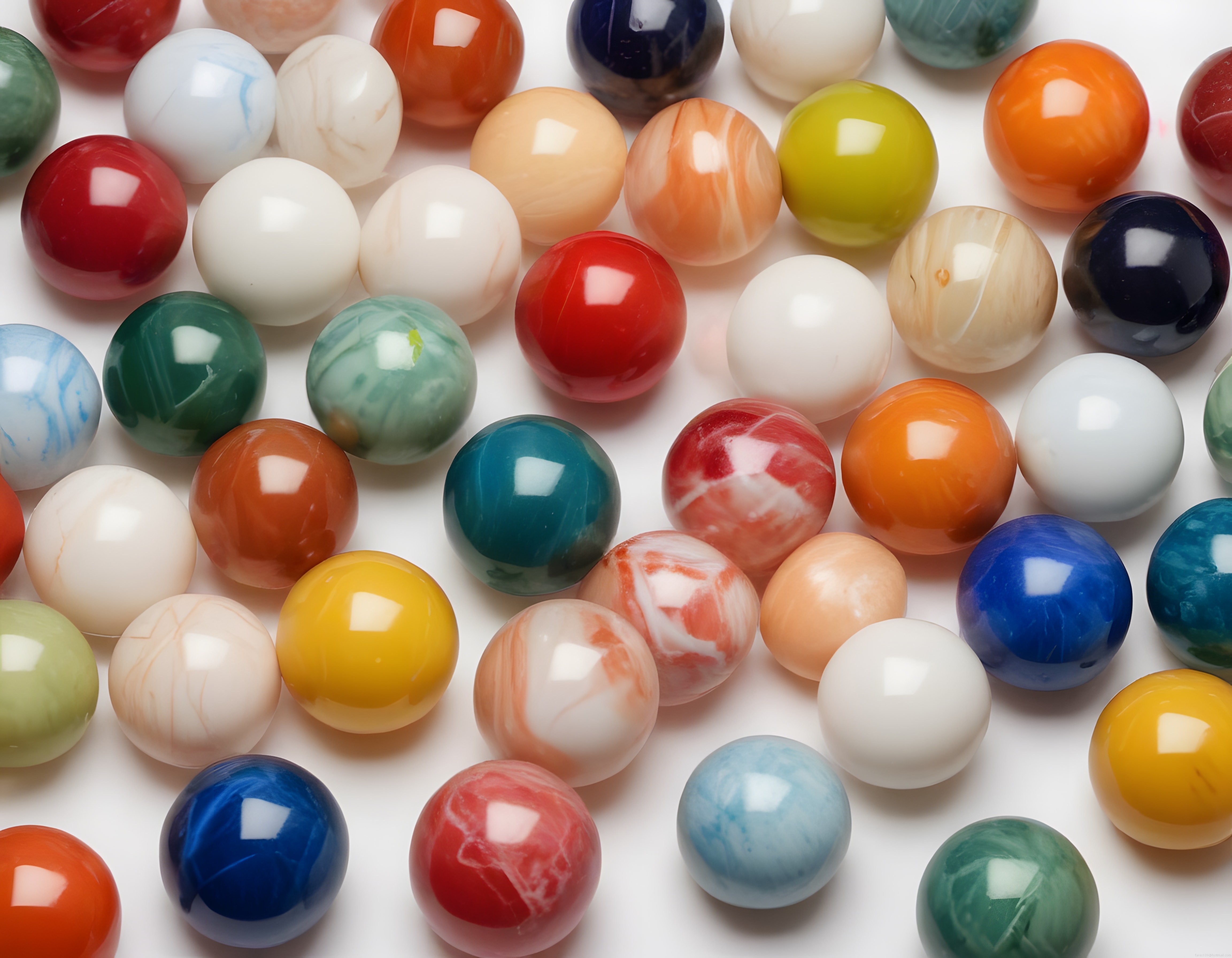
Çekim Tablosu
Belirtme (-i)bilyeyi
Yönelme (-e)bilyeye
Bulunma (-de)bilyede
Çıkma (-den)bilyeden
Tamlayan (-in)bilyenin
Çoğul (-ler)bilyeler
Tanım
•isim: Çocukların oynamak için kullandığı taş, maden, toprak, cam vb.nden yapılmış küçük yuvarlak nesne; misket (II), cıncık, zıpzıp
•Motorlu taşıtlarda dönme veya sürtünme etkilerini azaltmak, aşınmayı ve enerji yitimini önlemek için göbeklerdeki yataklara yerleştirilen, çoğunlukla çelikten, küçük yuvarlak
Diğer Dillerde
AlmancaBall, Ball (naut.), Boi, Ei, Fußballen, Knäuel (eril) /bal/
ball (round or roundish object, most commonly used in games) · pass, play
çekim: çoğul Bälle · tamlayan Balles
eş: Laberl, Kugel, Pille, Leder, Ei, Kullerball
köken: From Middle High German and Old High German bal, from Proto-West Germanic *ballu, from Proto-Germanic *balluz. Cognates include English ball, Dutch bal, Danish bold, Swedish boll, Icelandic böllur, and Norwegian ball.
aile: am Ball bleiben, den Ball flach halten
Alle Schnitzereien stammen von ihnen. — Çıkarttığınız her bilye sizindir.
Können wir uns deinen Ball ausleihen?
Er formte einen Ball aus Papier.
ein guter Ball in den Strafraum
ball · bullet · franc (French franc), euro
çekim: çoğul balles
eş: baballe, boule, ballon, bastos, pruneau, dragée
köken: Inherited from Middle French balle, from northern Italian balla. Doublet of balle (“bundle”).
aile: à deux balles, à fond de balle, balle de break, balle de match, balle de plastique, balle de set, balle rapide, balle rebondissante, hockey-balle, renvoyer la balle
Comme une bille qu'on aurait trempée dans l'eau. — Tıpkı bir bilyeyi suya daldırmışsınız gibi...
balle de golf
balle de tennis
gall, nerve · spunk, grit, backbone · guts, balls, stomach, gumption, stones, spine, courage
¿Y ondas de qué? — Bilye mi yoksa dalga mi?
large bundle, bale, reap · falsehood, lie, malarkey · testicle, bollock
çekim: çoğul balle
eş: involto, fagotto, fardello, sacco, pacco, collo
köken: Uncertain. * From Old French balle, from Medieval Latin balla, from Frankish *ballu. * From Lombardic *palla, *balla. Both etymologies ultimately from Proto-Germanic *ballô, *balluz (“ball”). Doublet of palla. Cognate with Sicilian baḍḍa, whence the dialectal doublet badda.
aile: imballare, sballare
Palline? — Bilye mi yoksa dalga mi?
ball, dance
çekim: çoğul балы́ · tamlayan ба́ла
köken: First attested in 1705. Borrowed from French bal.
Похоже на шар, который окунули в воду. — Tıpkı bir bilyeyi suya daldırmışsınız gibi...
هناك ثلاث قطع من الرخام في الحقيبة — Çantanın içinde üç adet sarı bilye var.
wing
çekim: çoğul بالها
köken: From Middle Persian b’lk’ (bālag, “wing”).
marble
çekim: çoğul mərmərlər · tamlayan mərmərin
köken: Borrowed from Persian مرمر, from Ancient Greek μάρμαρος (mármaros).
Kazakçaдоп, кішкене шар, мәрмәр
ball
çekim: çoğul доптар · tamlayan доптың
köken: Inherited from Proto-Turkic *top.
Tatarcaтуп
ball
çekim: çoğul туплар · tamlayan тупның
köken: From Proto-Turkic *top. Cognate to Bashkir туп (tup), etc.
a marble (toy) · various similarly shaped objects, including: · certain seeds
çekim: çoğul knikkers
köken: From knikken, from Proto-Germanic *knikkoną (“to fold, snap”), which is imitative.
Alsof je de knikker even in water hebt gedompeld. — Tıpkı bir bilyeyi suya daldırmışsınız gibi...
Portekizceberlinde, besteira, bola de gude, bola do pé, bolas, círculo (eril) /beʁˈlĩ.d͡ʒi/
marble (spherical ball)
çekim: çoğul berlindes
Tudo que está vendo lhe pertence. — Çıkarttığınız her bilye sizindir.
alternative form of βώλος (vólos)
çekim: çoğul βόλοι · tamlayan βόλου
aile: Βολιώτης, Βολιώτισσα, βολιώτικος
Τι είναι η ύλη; Βόλοι ή κύματα; — Madde nedir? Bilye mi yoksa dalga mi?
a marble (spherical ball)
köken: From ビードロ (bīdoro, “glass”, shortened to ビー (bī)) + 玉(たま) (tama, “ball”). The tama changes to dama as an instance of rendaku (連濁).
そして、ここから黄色のビー玉を取り出す確率を知りたいのです。 — Ve bir tane de mavi bilye var.
marble (small ball used in games) · glass bead, pearl, precious gem
köken: First attested in the Jīlín lèishì (鷄林類事 / 계림유사), 1103, as Late Old Korean 區戌 (Yale: *kwùsúl). In the hangul script, first attested in the Seokbo sangjeol (釋譜詳節 / 석보상절), 1447, as Middle Korean 구슬〮 (Yale: kwùsúl). Related to, and possibly a suffixed form of, an element found in two ancient place name glosses from the Samguk Sagi: pseudo-Goguryeo 古斯 (*kwos(V)), apparently meaning “jade; precious…
aile: 구슬치기, 수정구슬
그리고 만약 당신이 2개의 초록색 구슬을 골라낸다면, — İki yeşil bilye seçebilirseniz...
구슬을 굴리다
a ball; a more or less spherical object which is not hard or unyielding (compare kula) · a ball (pass) · a ball (testicle)
çekim: çoğul bollar · tamlayan bolls
köken: From Old Swedish balder, baller, from Old Norse bǫllr (“ball, globe”), from Proto-Germanic *balluz, from Proto-Indo-European *bʰoln- (“round thing, bubble”), from *bʰel- (“to blow, inflate, swell”).
aile: bandyboll, basketboll, bolla, bollbegåvning, bollbehandling, bollek, bollformig, bollgeni, bollhav, bollhållare
Okej... — İki tane kırmızı bilyemiz var.
inflection of jajo: · nominative/accusative/vocative plural
eş: moszna, jądra, wory, kpina, żart, drwina
Znajdują się w nim trzy żółte kulki. — Çantanın içinde üç adet sarı bilye var.
ball (object for playing games)
çekim: çoğul м'ячі́ · tamlayan м'яча́
köken: From Proto-Slavic *męčь, related to м'який (mʺjakyj). Cognate with Russian мяч (mjač), Belarusian мяч (mjač), Czech míč, Slovene mȇč.
Володіє здатністю відчувати рейфів. — Güç Bilyesini şarj edebiliyor.
Hintçeगेंद, गोला, नृत्य, नृत्यसभा, संगमरमर (dişil) /ɡẽːd̪/
ball; sphere
çekim: çoğul गेंदों
köken: From Sauraseni Prakrit 𑀕𑁂𑀦𑁆𑀤𑀼𑀕 (genduga), from Sanskrit कन्दुक (kanduka).
गेंद मेज़ के नीचे लुढ़क गया।
तुम्हें एक दूसरी गेंद ख़रीद दूँगा।
यह मैच की अंतिम गेंद है।
partitive singular of hauska · pitää hauskaa: to have fun
Kuin kastaisi kuulaa vedessä. — Tıpkı bir bilyeyi suya daldırmışsınız gibi...
ball (formal dance)
çekim: çoğul bály · tamlayan bálu
eş: ples
köken: Borrowed from German Ball.
Máme dvě červené kuličky. — İki tane kırmızı bilyemiz var.
bile
çekim: tamlayan bile
köken: Borrowed from French bile, from Latin bilis.
E ca şi cum ai scufunda marmură în apă. — Tıpkı bir bilyeyi suya daldırmışsınız gibi...
Mânca-mi-ai bilele!
ball (solid or hollow sphere) · marble (small solid ball used in games) · bullet (projectile)
çekim: çoğul golyók
köken: A borrowing, probably from Italian. Compare coio, the old dialectal form of Italian coglione (“testicle”). First attested in 1629.
aile: golyós, golyóz → kigolyóz, golyózik → begolyózik, ágyúgolyó, golyóálló, golyószóró, golyózápor, hógolyó, súlygolyó, szemgolyó
Mint amikor az üveggolyót vízbe mártjuk. — Tıpkı bir bilyeyi suya daldırmışsınız gibi...
İbraniceגולה, גולות, כַּדּוּר, נֶשֶׁף, שיש (dişil) /ɡoˈla/
exile · diaspora
çekim: geçmiş גולית
כל מה שתיקח ממני, אתה יכול לקחת. — Çıkarttığınız her bilye sizindir.
any round object; a sphere; a globe · a glob, group
çekim: çoğul globī · tamlayan globī
köken: Perhaps from Proto-Indo-European *gel- (“form into a ball; ball”), but if so it may have to be via some substrate loan which was also absorbed by other Indo-European branches, based on the unexplained suffix and variants. Apparently cognate with Latin glaeba (“lump of earth, clod”) (see there for more), glomus, Sanskrit ग्लुन्थ (gluntha, “lump”), and Proto-Germanic *klumpô (“mass, lump, clump;…
aile: globōsus, globulus
Dancabold, kugle, marmor, marmorkugle /ˈb̥ʌlˀd̥/
ball
çekim: çoğul bolde · tamlayan bolds
köken: From Old Norse bǫllr.
aile: fodbold, tennisbold
Hvor mange mulige udfald er der i alt? Der er 5 kugler, og sandsynligheden er lige stor ved dem alle. — Burada eşit olasılıklı 5 bilye var. -
Etimoloji
From Italian biglia or bilia.
Eş & Zıt Anlamlılar
Örnek Cümleler
Bilye mi yoksa dalga mi?
Marbles or waves?
Çocuklar bilye oynuyorlar.
The children are playing marbles.
Bilyelere dokunabilirsiniz.
The bag is not transparent Feel around the marbles, all the marbles feel exactly the same
Tom bilyelerini kaybetmiş olmalı.
Tom must've lost his marbles.
Çıkarttığınız her bilye sizindir.
The images she uses are all her own.
Yani sadece iki yeşil bilye kaldı.
So you only have two green marbles left.
Burada eşit olasılıklı 5 bilye var. -
Well, the total possible outcomes There's 5 marbles here all equally likely
Çantanın içinde üç adet sarı bilye var.
There are three yellow marbles in it.
Çantamızda bir, iki, üç tane sarı bilye var.
We have one, two, three yellow marbles.
Bunlardan üç tanesi sarı bir bilye olabilir.
Three of them would be a yellow marble.
Tıpkı bir bilyeyi suya daldırmışsınız gibi...
It's like you dipped a marble in water.
İlk seçimden sonra bilyeyi masaya bırakıyoruz.
Whatever after the first pick, we leave it on the table.
İlgili Sorular
26 inçlik Shimano dağ bisikletinin hubundaki serbest dönüş kısmında kaç adet bilye bulunur?
Shimano 26" dağ bisikleti hubunun serbest dönüş bölgesindeki bilye sayısı nedir?
26 inçlik bir Shimano dağ bisikletinde serbest dönüş kısmındaki bilyelerin adedi kaçtır?
Dağ bisikletinin hubundaki serbest dönüş parçasında kaç tane bilye yer alıyor?
Shimano dağ bisikleti hubundaki serbest dönüş bölmesinde kaç bilye bulunur?