Sözlük
/araç
araç
/ɑ.ˈɾɑt͡ʃ/
noun
B1 seviye
TR → EN
"araç" kelimesinin İngilizcesi: means, tool, implement, means, organ. Anlamı, çevirisi, telaffuzu ve örnek cümleler aşağıdadır.
Çeviri
Genelmeansnoun
Geneltoolnoun
Genelimplementnoun
Genelmeans
Genelorgan
Genelmedium
Genelvehicle
Genelinstrumentality
Geneltool
Genelimplement
Geneltool
Genelimplement
Genelimplement
Geneltool
Görsel


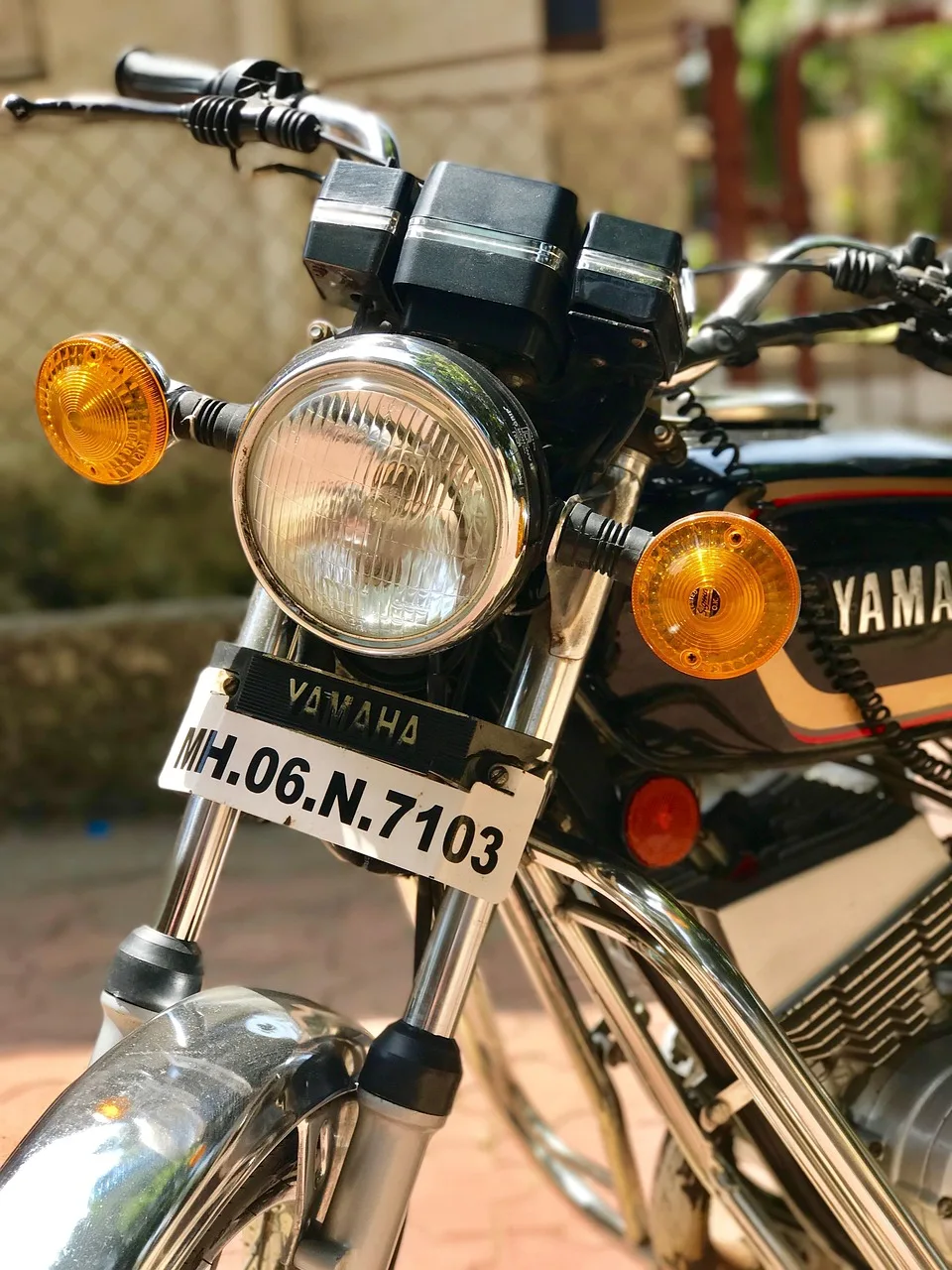
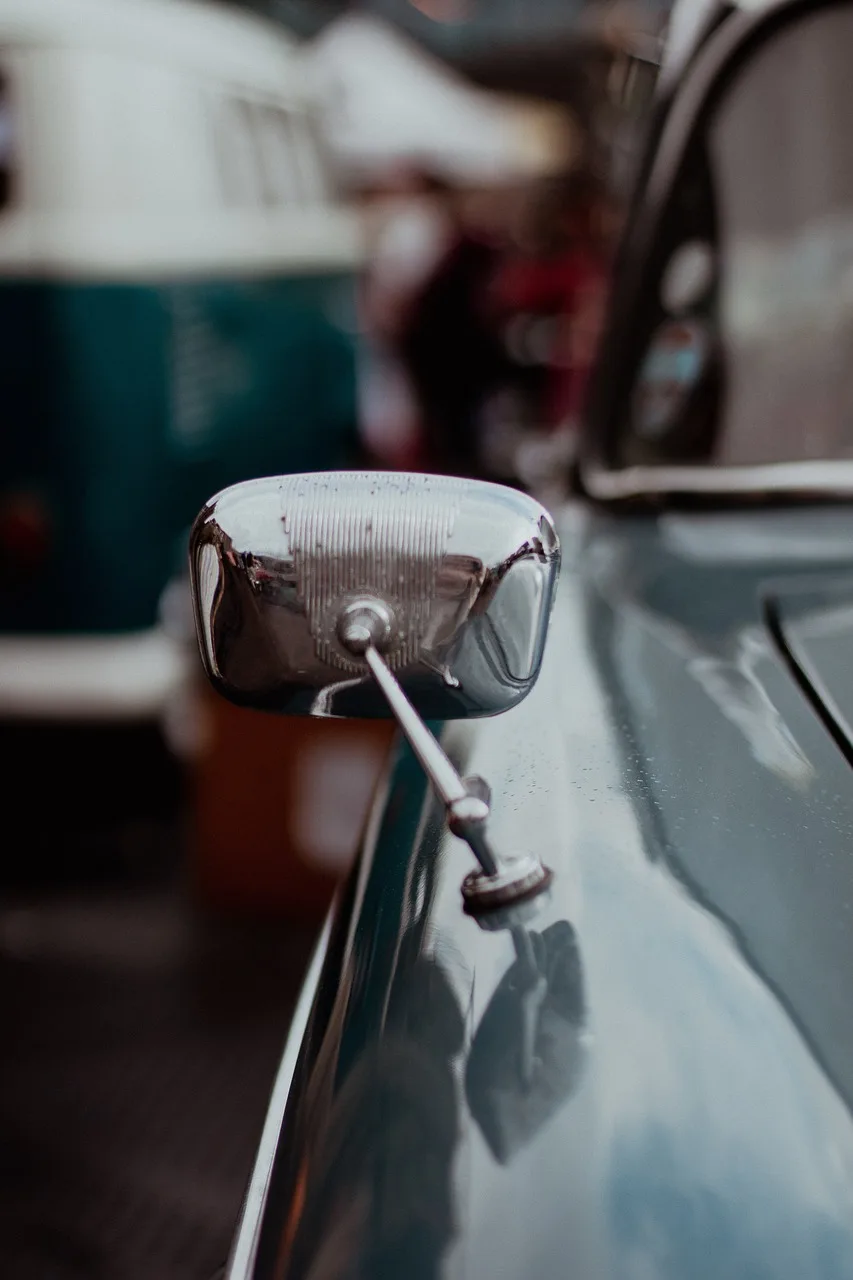
Çekim Tablosu
Belirtme (-i)aracı
Yönelme (-e)araca
Bulunma (-de)araçta
Çıkma (-den)araçtan
Tamlayan (-in)aracın
Çoğul (-ler)Araçlar
Tanım
•isim: Bir iş yapmakta veya sonuçlandırmakta gücünden yararlanılan nesne
•taşıt
•Kişiler veya nesneler arasında bağlantı sağlayan şey; vasıta
Diğer Dillerde
Almancafahrzeug, landfahrzeug, mittel, vehikel, werkzeug (nötr) /ˈfaː(ɐ̯)tsɔʏ̯k/
vehicle · motor vehicle, automobile, car
çekim: çoğul Fahrzeuge · tamlayan Fahrzeuges
eş: Beförderungsmittel, Fortbewegungsmittel, Gefährt, Transportmittel, Verkehrsmittel
köken: Compound of fahren (“travel”) + Zeug (“equipment”), which is a calque of Middle Low German vārtüch. The word was originally restricted to vessels, as still is Dutch vaartuig.
Bis: — Araç% 1
Ancien nom de la commune française Alet-les-Bains.
Jusqu'à & #160;: — Araç% 1
İspanyolcamedio, medio de transporte, medios, vehículo, vehículos /ˈmedjo/
half (of or related to one of two equal divisions of a whole) · half (of or related to any large proportion of a whole) · middle (placed more or less halfway between two positions, times, or alternatives)
çekim: çoğul medios
eş: mitad, intermedio, centrado, promedio, estándar, genérico
köken: Borrowed directly from Latin medius (“half”) rather than inherited through an Old Spanish form, possibly because the likely forms *meo and *meyo would have closely resembled mear (“to piss”), ultimately from Proto-Italic *meðjos, from Proto-Indo-European *médʰyos (“between”). Compare Portuguese meio, which retained its original inherited form. In reference to spiritual mediums, calqued from Latin…
Hasta: — Araç% 1
media hora
media manzana
Medio Nueva York fue a los toros.
half, middle · means, method · vehicle
çekim: çoğul mezzi
eş: semi, dimezzato, a metà, per metà, di mezzo, medio
köken: From Latin medius, whence also Italian medio (a borrowed doublet).
aile: a mezzo, ammezzare, di mezzo, dimezzare, in mezzo a, intermezzo, mezz'aria, mezz'asta, mezz'ora, mezza majolica
Fino a %1 — Araç% 1
Rusçaприспособление, устройство
До% 1 — Araç% 1
Arapçaعَرَبَة, مَرْكَبَة, وَاسِطَة, وَسِيلَة, وَسِيلَةُ النَّقْل
حتى% 1 — Araç% 1
Azericevasitə /vɑːsiˈtæ/
means · way (of doing something) · patronage, support
çekim: çoğul vasitələr · tamlayan vasitənin
köken: Borrowed from Arabic وَاسِطَة (wāsiṭa).
aile: vasitəçilik, vasitəçi, vasitəlilik, vasitəli, vasitəsilə, vasitəsizlik, vasitəsiz
Felemenkçevervoermiddel (nötr) /vərˈvurˌmɪ.dəl/
alternative form of vervoersmiddel
çekim: çoğul vervoermiddelen
eş: vervoersmiddel, vehikel, transportmiddel
köken: Compound of vervoer + middel.
Tot %1 — Araç% 1
half
çekim: çoğul meios
köken: From Old Galician-Portuguese meio, meo, from Latin medius, from Proto-Italic *meðios, from Proto-Indo-European *médʰyos (“between”). Compare the borrowed doublets médio and médium. Sense of "way" or "mean" from Latin medium.
aile: meia de leite, meia hora, meia-noite, meia-volta, meio milhão, meio-dia
Até% 1 — Araç% 1
Yunancaδυνατότητες, μέσο, όχημα, φορέας /ði.naˈto.ti.tes/
nominative/accusative/vocative plural of δυνατότητα (dynatótita)
Έως: — Araç% 1
vehicle (conveyance)
köken: 乗(の)り (nori) + 物(もの) (-mono)
%1 まで — Araç% 1
遊園地の乗り物
乗り物酔い
a vehicle, a conveyance
çekim: çoğul fordons · tamlayan fordons
köken: fara (“to travel”) or fora (“a cargo”) + don (“tool, implement”)
aile: fordonsbränsle, fordonsdrift, fordonsflotta, fordonsforskning, fordonsförare, fordonsgas, fordonsindustri, fordonskolonn, fordonskontroll, fordonspark
Till: — Araç% 1
Med spårvagn menas fordon, som löper å skenor i marken.
medium (someone who supposedly conveys information from the spirit world) · means (instrument or condition for attaining a purpose) · middle voice
çekim: çoğul media · tamlayan mediów
eş: ośrodek, rozpuszczalnik
köken: Borrowed from English medium, from Latin medium. Doublet of miedza and między.
Do% 1 — Araç% 1
Ukraynacaбага́тство, за́сіб, спо́сіб, тра́нспортний за́сіб
До: — Araç% 1
car, truck, bus · carriage · cart
çekim: çoğul गाड़ियाँ
köken: Etymology tree Proto-Indo-European *ger-der.? Proto-Dravidiander.? Sanskrit गर्त॑ (gárta)? Proto-Middle Indo-Aryan *𑀕𑀸𑀟𑁆𑀟 (*gāḍḍa) Prakrit 𑀕𑀟𑁆𑀟 (gaḍḍa) Hindi गाड़ी Inherited from Prakrit गड्ड (gaḍḍa) + Middle Indo-Aryan -𑀇𑀓𑀸- (-ikā-).
aile: पालकी गाड़ी
प्यार की गाड़ी, डेट चलाओ!
Finceajoneuvo, ilmaisuväline, keino, kulkuneuvo, liuotin, pohja /ˈɑjoˌneu̯ʋo/
free-moving ground vehicle (e.g. a car, wagon or tank, but not a train, since it can only move on rails)
çekim: çoğul ajoneuvot · tamlayan ajoneuvon
köken: ajo (“driving”) + neuvo (“means”)
aile: ajoneuvoasentaja, ajoneuvoliikenne, ajoneuvorekisteri, ajoneuvotekniikka, ajoneuvovaaka, ajoneuvovero, ajoneuvoyhdistelmä, amfibioajoneuvo, dieselajoneuvo, erikoisajoneuvo
Päättyy: — Araç% 1
Çekçeprostředky, vozidlo /ˈprostr̝̊ɛtkɪ/
nominative/accusative/vocative/instrumental plural of prostředek
Do% 1 — Araç% 1
Rumencemijloace, mijloc de transport, vehicul (nötr)
vehicle
çekim: çoğul vehicule · tamlayan vehiculului
köken: Borrowed from French véhicule, from Latin vehiculum.
Pînă la% 1 — Araç% 1
vehicle
çekim: çoğul járművek
köken: jár + mű, created during the Hungarian language reform, which took place in the 18th–19th centuries.. Compare German Fahrzeug.
aile: járműves, gépjármű, járműalkatrész, járműállomány, járműforgalom, járműgyár, járműjavító, járműpark, járműszolgálat, járműtelep
Eddig:% 1 — Araç% 1
İbraniceאֶמְצָעִי, כְּלִי, כְּלִי רֶכֶב, מַכְשִׁיר, רֶכֶב
סרגל כלים — & Araçlar
Latincefacultātēs, īnstrūmentum, māchināmen, opēs, vehiculum /weˈ(ɦ)ɪ.kʊ.ɫũː/
A means of transport; vehicle, conveyance, carriage; wagon, cart; ship. · An agricultural implement for cutting down grain; reaping-machine.
çekim: çoğul vehicula · tamlayan vehiculī
köken: By surface analysis, vehō (“to bear, carry, convey; ride”) + -culum. The term may be derived from Proto-Italic *weɣitlom, from Proto-Indo-European *weǵʰ-í-tlom, whence also perhaps Sanskrit वहित्र (vahitra).
vessel
çekim: çoğul fartøjer · tamlayan fartøjs
köken: From German Low German Fartüg, Fohrtüüg. Compare German Fahrzeug, Dutch vaartuig.
aile: amfibiefartøj, bjerningsfartøj, fiskefartøj, flådefartøj, fritidsfartøj, handelsfartøj, inspektionsfartøj, krigsfartøj, landgangsfartøj, luftfartøj
Indtil: — Araç% 1
Norveççefarkost, kjøretøy
verktøylinje — araç çubuğu
Endonezcekendaraan /kəndaˈraan/
vehicle
çekim: çoğul kendaraan-kendaraan
köken: Affixed kendara + -an, from Malay kenderaan, kendaraan, from Classical Malay کندراٴن (kandaraan), کندراٴن (kendaraan), کندراٴن (kenderaan).
aile: berkendara, berkendaraan, mengendarai, pengendara
& Alat — & Araçlar
Kita harus memakai kendaraan untuk menempuh jarak sejauh itu.
wheeled vehicle (except for airplanes)
köken: Non-Sino-Vietnamese reading of Chinese 車 (“vehicle”, SV: xa). Compare hè and hạ, chè and trà.
aile: bánh xe, bằng lái xe, bến xe, bến xe buýt, chiến xa, cỗ xe, dấu xe ngựa, đẩy xe, giấy phép lái xe, gọng xe
& Toạ độ — & Araçlar
đậu xe
lái xe
Bulgarcaвози́ло, прево́зно сре́дство, състоя́ние
До% 1 — Araç% 1
Slovencevozilo
Do: — Araç% 1
Etimoloji
Coined during the language reform; appears in Cep Kılavuzu (1935). Created via ara + -ç, an unproductive suffix. Intended to replace vasıta (“means; means of transportation”). See also gereç.
Deyimler
deniz aracı
taşıma aracı
araç değişken
araç deposu
araç paleti
araç takımı
gözlem araç
Eş & Zıt Anlamlılar
Örnek Cümleler
Araç% 1
Until:
Araç Adı
Tool Name
& Araçlar
& Tools
% Araçlar
& Tools
İç Araçlar
Internal Tools
Araç İpucu
Tool-Tip
Fare Aracı
KMouseTool
Veri Aracı
DataTool
Araç Kayıp
Tool Missing
Araç stoğu
Rolling stock
İniş aracı
Lander
Emre Aracı.
Emre Aracı.
İlgili Sorular
İlgili / Bileşik Terimler
Geneltooltip
Geneltoolbar
Geneltooltip
Genelinstrumental case
Genelinstrumental case
Genelinstrumental case
Genelinstrumental case
Genelgrand theft auto