Sözlük
ile
/iˈle/
conj
A1 seviye
TR → FRANSIZCA
"ile" kelimesinin İngilizcesi: avec, Avec, Et (pour joindre deux phrases). Anlamı, çevirisi, telaffuzu ve örnek cümleler aşağıdadır.
Çeviri
Genelavec
GenelAvec
GenelEt (pour joindre deux phrases)
Görsel
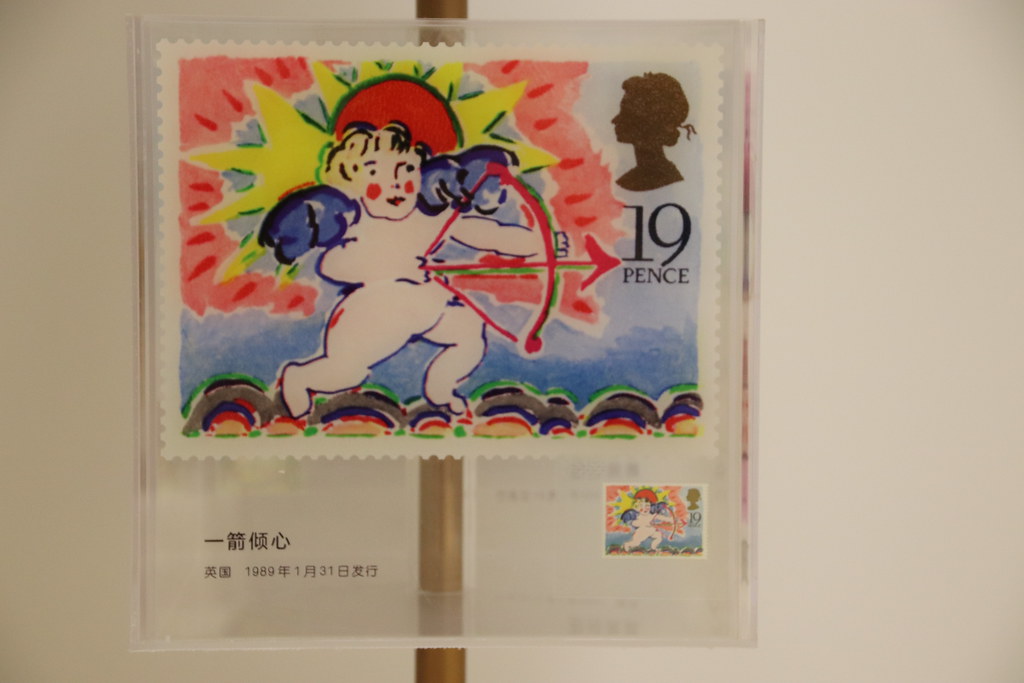


Tanım
•with
Atasözü & Deyim
“Acele ile menzil alınma”
“Acele ile yürüyen yolda kalır”
“Allah kulunu kısmeti ile yaratır”
“Araba ile tavşan avlanmaz”
“Avcı ne kadar hile (al) bilse ayı o kadar yol bilir”
Diğer Dillerde
Almancamit /mɪt/
with (in the company of, alongside) · with, by (using as an instrument, by means of) · with (having a property, accessory or possession)
eş: inklusive, gegen
zıt: ohne
köken: From Middle High German mite, mit, from Old High German miti, mit, from Proto-West Germanic *midi. Cognate with German Low German met, mihe- (separable part of verbs) (Paderbornisch) and Middle English mid (“with”).
aile: mit-, mitsamt, damit, hiermit, miteinander, mithin, mitnichten, womit, mit Abstand, mit Ach und Krach
64 und ms. — 43 ile MS.
Ich spiele mit meinen Freunden.
Ich schreibe mit einem Bleistift.
Ich fahre mit dem Bus.
Fransızcaavec, Avec, Et (pour joindre deux phrases) /a.vɛk/
with
köken: Inherited from Middle French avec, avecques (“with”), from Old French avoc, avoec, avuec (“with”), from an assumed Vulgar Latin *aboc, *abhoc, *apud hŏque, from Latin apud (“with, near, close to”) + hoc (“this”) + -que. First used as a replacement for Latin cum (“with”) in Merovingian and Carolingian documents from France. Gradually supplanted Old French od (“with”), itself from apud (od however…
Je suis revenu avec lui.
Voudriez-vous y aller avec moi ?
Ils m'ont dit qu'ils étaient avec toi.
indicates membership or status
köken: Etymology tree Proto-Indo-European *h₂el-der.? Proto-Italic *-ālis Latin -ālis Latin -āris Old Spanish -ar Spanish -ar Inherited from Old Spanish -ar, from Latin -āris.
gránulo (“granule”) + -ar → granular (“granular”)
testículo (“testicle”) + -ar → testicular (“testicular”)
the infinitive ending of most regular verbs; also, a productive suffix forming new verbs from nouns
köken: Inherited from Latin -āre.
Özbekçeva
through · across, around (within a certain space) · because of, due to
çekim: çoğul doren
eş: ten gevolge van, in, doorheen, doorheen, doorheen, gedurende
köken: From Middle Dutch dōre, from Old Dutch thuro, from Proto-Germanic *þurhw.
aile: door middel van, door-, doordat
Hij schoot de bal door het raam.
Dolenthousiast rende het hondje door de kamer.
Door files kan ik niet op tijd komen.
with; against · with; alongside; together with (in the company of) · with (as a part or accessory of)
zıt: a favor de, sem, contra
köken: Inherited from Old Galician-Portuguese con, from Latin cum (“with”). Compare Fala and Galician con and Spanish con.
aile: ca, co, comigo, conosco, consigo, contigo, convosco
Lutamos com os nossos inimigos.
Tenho coisas mais importantes a discutir com você hoje à noite.
Lutamos com os nossos amigos.
Korece~과 함께
on someone's behalf, for someone's benefit · to, towards, in a certain direction
köken: From Old Norse at, from Proto-Germanic *at, from Proto-Indo-European *ád.
Jag har en present åt dig.
Frågar åt en kompis.
Jag köper ett hus åt dig.
forms imperfect and frequentative verb forms, causes both consonantal and vocalic sound changes within the stem · forms verbs from nouns
köken: Etymology tree Proto-Indo-European *-h₂ Proto-Indo-European *-éh₂ Proto-Indo-European *-yéti Proto-Indo-European *-eh₂yéti Proto-Balto-Slavic *-ā́ˀtei Proto-Slavic *-ati Old Polish -ać Polish -ać Inherited from Old Polish -ać.
o → a zabronić + -ać → zabraniać, zaprosić + -ać → zapraszać
e → a lecieć + -ać → latać, zapleść + -ać → zaplatać
ą → in wyciąć + -ać → wycinać, zgiąć + -ać → zginać
Suffix added to some perfective verbs of to produce imperfective equivalents.
köken: Etymology tree Proto-Indo-European *-h₂ Proto-Indo-European *-éh₂ Proto-Indo-European *-yéti Proto-Indo-European *-eh₂yéti Proto-Balto-Slavic *-ā́ˀtei Proto-Slavic *-ati Ukrainian -ати
вмісти́ти (vmistýty) + -ати (-aty) → вміща́ти (vmiščáty)
розлучи́ти (rozlučýty) + -ати (-aty) → розлуча́ти (rozlučáty)
вті́шити (vtíšyty) + -ати (-aty) → втіша́ти (vtišáty)
used to form the infinitive · forms neutral imperatives when used without a verb · forms verbs from nouns or adjectives
köken: Etymology tree Prakrit -𑀅𑀡 (-aṇa) Prakrit -𑀓- (-ka-) Hindi -ना Inherited from Prakrit -𑀅𑀡 (-aṇa) + Middle Indo-Aryan -𑀓- (-ka-), from Sanskrit -अन (-ana), from Proto-Indo-Iranian *-anam, from Proto-Indo-European *-onom, from *-o- (thematic vowel) + *-nom (verbal noun suffix). Doublet of -अन (-an). Cognate with German -en (“infinitive ending”).
कर (kar, “do (stem)”) + -ना (-nā) → करना (karnā, “to do”)
एक किताब लाना
छेद (ched, “hole”) + -ना (-nā) → छेदना (chednā, “to bore, dig a hole”)
in order to, to (explaining the aim of an action)
M-am grăbit ca să fie gata la timp.
to, for · Indicates the second, predicative complement of several verbs, e.g. those with a sense like call, name, find, deem, judge (appellation or appraisal) · as, for (in the function or role specified)
köken: From Proto-Uralic *nä (“this”) + Proto-Uralic *-k or Proto-Uralic *-ŋ (“lative suffix”). Compare Proto-Finnic *-k (“forming lative adverbs”).
Adtam egy könyvet a húgomnak.
A szomszédom(nak a) kertjében áll egy tölgyfa.
A múzeumnak két bejárata van.
and, coordinating conjunction · "both... and", "whether... or" · introducing an explanatory clause
köken: From Proto-Italic *-kʷe (“and”), from Proto-Indo-European *-kʷe (“and”). Cognates include Sanskrit च (ca), Ancient Greek τε (te), Faliscan -𐌂𐌖𐌄 (-cue), Proto-Germanic *-hw ( → English (thou)gh). Its alternative use as a generalizing particle "any, -every" with pronouns and adverbs may result from a shift from an earlier meaning along the lines of "as". There are also a number of words that are…
aile: a lacte cunisque, atque, filioque, itaque, namque, neque, SPQR
𐌂𐌀𐌔𐌕𐌏𐌓𐌄𐌉:𐌐𐌏𐌃𐌋𐌏𐌖𐌒𐌖𐌄𐌉𐌒𐌖𐌄 / 𐌒𐌖𐌓𐌏𐌉𐌔
Nihil agis, nihil moliris, nihil cogitas quod non ego non modo audiam sed etiam videam planeque sentiam.
Arma virumque cano.
that (introduces a noun clause functioning as the subject, object or predicative of a verb, or as the object of a prepositional phrase) · that, in order that, so that (introduces an adverbial clause stating the purpose) · that, so that (introduces an adverbial clause stating the result, normally after a demonstrative adverb or pronoun)
köken: From Old Norse at. Cognate with Swedish att, Norwegian at. Probably from Proto-Germanic *þat, a demonstrative pronoun used as a conjunction; compare English that, German dass, Dutch dat.
Knud hørte, at bedstefaren lagde værktøjet fra sig
Hun var overbevist om at det var sandt.
Og Hjorten vil jeg fange, | At Korset jeg kan faae.
Etimoloji
From Ottoman Turkish ایله (ile, “with”), from Proto-Turkic *bile (“with; together, also”). Doublet of bile.
Deyimler
Örnek Cümleler
Tanrıçam Serileri
My Goddess animated series
Ailesi de onun gibidir.
Her children resemble her.
Kader bile ondan korkar.
He finds that they are afraid of him also.
Unilever'in Gıda ürünüdür.
It is now a product of Unilever.
Bazı aileler poligamistti.
Some families practiced polygamy.
2000 yılında ise evlendiler.
They married in 2000.
Henrique Capriles Radonski (d.
"Henrique Capriles Radonski" (in Spanish).
Göz bol, temiz su ile yıkanır.
Wash with clean water.
Aktris Kitty Swink ile evlidir.
Shimerman is married to actress Kitty Swink.
Meclis göstericilere af çıkardı.
The Count apologizes to the actor.
52 adındaki araç ile taşınıyordu.
It is cosigned with US 52 Truck.
Kuveyt'in Emirleri Al-Sabah Ailesi
List of emirs of Kuwait Al-Sabah
İlgili Sorular
Arkadaşım evlenmeye hazırlanıyor ve bir zamanlar bana damatlık yapacağımı söylemişti. Ancak bir arkadaş evinde onun kız kardeşi, Ryan ile yürüdüğünü söyledi. Arkadaşım hâlâ bana damatlık (maid of honor) yapacağımı onayladı mı? Bu konuyu nasıl açmalıyım?
Bu mücadelede, devlet ile dinî örgütler arasında on Emir'in ülkeden çıkarılmasını savunuyor musunuz? Gerekçeniz nedir?
Mary Shelley’nin yaşadığı 1797‑1851 zaman dilimini detaylandırın. İnsanların bilimsel buluşlara bakışı, o dönemdeki keşifler, eğitim hakları ve eğitim şekilleri ile erkeklerle kadınlar arasındaki sosyal ilişkiler nasıldı?
Katıldığınız en mükemmel parti ile en fiyaskoyu bir arada anlatır mısınız?
EIGRP protokolü hangi port üzerinden iletişim kurar, TCP mi UDP mi?