Sözlük
/gol
göl
"göl" kelimesinin İngilizcesi: lake, lake, water, goal, lake. Anlamı, çevirisi, telaffuzu ve örnek cümleler aşağıdadır.
Çeviri
Genellakenoun
Genellake
Genelwater
Genelgoal
Genellake
Genellake
Genelgoal
Genellake
Genelgoal
Görsel
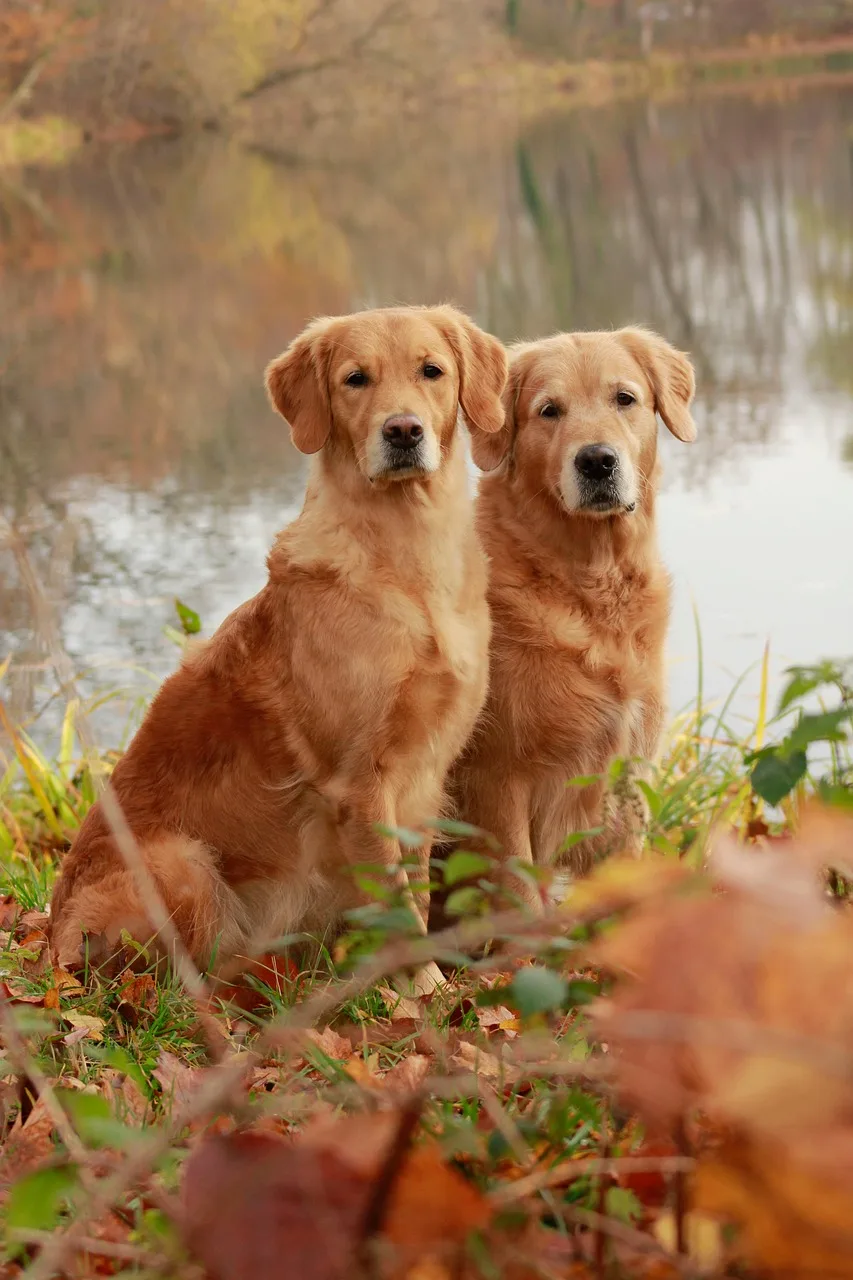
Çekim Tablosu
Belirtme (-i)golü
Yönelme (-e)gole
Bulunma (-de)golde
Çıkma (-den)golden
Tamlayan (-in)golün
Çoğul (-ler)goller
Tanım
•ayak topu, el topu, hokey ve buz hokeyi maçlarında topun kaleye sokulmasıyla kazanılan sayı
•Oluşması genellikle tektonik, volkanik v.s. olaylara bağlı olan, toprakla çevrili, derin ve geniş, tuzlu veya tuzsuz durgun su örtüsü
•Samsun ili Vezirköprü ilçesine bağlı bir belde.
•Samsun ili Vezirköprü ilçesine bağlı bir belediye.
•yapay su birikintisi
•Futbolda veya hentbolda topun kaleye sokulmasıyla kazanılan sayı
•Yapay su birikintisi
•Oluşması genellikle tektonik, volkanik vb. olaylara bağlı olan, toprakla çevrili, derin ve geniş, tuzlu veya tuzsuz durgun su örtüsü
Diğer Dillerde
lake
çekim: çoğul Seen · tamlayan Sees
köken: From Middle High German sê, from Old High German sē, sēo m (“sea”), from Proto-West Germanic *saiwi m (“sea”), from Proto-Germanic *saiwiz m (“sea”). Compare Low German See (“sea, lake”), Dutch zee f (“sea”), English sea, Danish sø c (“sea, lake”).
Die erste Lüge. — İlk golümdü.
Dieser See ist sehr klein.
lake
çekim: çoğul lacs
eş: bassin, étang, réservoir, retenue
köken: Inherited from Middle French lac, from Old French lac, a replacement of earlier lai (“pit, trench, ditch, grave, mere, pond”) (see Old French lac). Generally inferred as a borrowing of Latin lacus (“lake”), from Proto-Indo-European *lókus (“lake, pool”).
aile: Grands Lacs, il n'y a pas le feu au lac, lac Léman, lac Poyang, lac salé
Naar de klote! — Togolu gel!
to give water to · to irrigate · to sup; wallow
çekim: geçmiş abrevé · ortaç abrevado · şimdiki abreva
eş: adaguar
köken: Inherited from Vulgar Latin *abbiberāre, ultimately derived from Latin bibere (“drink”).
aile: abrevadero
Está jugando al golf. — Golf oynuyor.
İtalyancalago (eril) /ˈla.ɡo/
lake
çekim: çoğul laghi
eş: specchio d’acqua, bacino, pozza, gora
köken: From Old Italian laco, from Latin lacus (“lake”), from Proto-Indo-European *lókus (“lake, pool”).
Riesce comunque a segnare 2 gol. — 2 gol attı.
water reservoir, basin, pond, body of water
çekim: çoğul водоёмы · tamlayan водоёма
köken: From вода́ (vodá) + -о- (-o-) + -ём (-jóm), combining form of имать (imatʹ, “to take, originally to have”) (compare 1sg. present е́млю (jémlju)).
Забил два гола. — 2 gol attı.
lake · vegetable garden, truck garden
çekim: çoğul بُحَيْرَات · tamlayan بُحَيْرَةٍ
köken: Diminutive of بَحْر (baḥr, “sea”).
العرابة، نوع من الرياضة. — Golf, bir tür spordur.
مَا جَعَلَ اللَّٰهُ مِن بَحِيرَةٍ وَلَا سَائِبَةٍ وَلَا وَصِيلَةٍ وَلَا حَامٍ […]
Farsçaآب, او, اَو, دَرْیااَک, دَرْیاچِه, دَرْیاژِه /ˈʔaːb/
water · liquid · juice
çekim: çoğul آبها
köken: Etymology tree Proto-Indo-European *h₂ep-der. Proto-Indo-Iranian *Hā́ps Proto-Iranian *Hā́fš Old Persian 𐎠𐎱𐎡𐎹𐎠 (a-p-i-y-a) Middle Persian ʾp̄ Persian آب From Middle Persian ʾp̄ (āb), from Old Persian 𐎠𐎱𐎡𐎹𐎠 (ap-), from Proto-Iranian *Hā́fš (compare Northern Kurdish av, aw, Baluchi آپ (áp), Northern Luri ںاۏ (aw), Bakhtiari ںۏ (əw), Pashto اوبه (obë), Avestan 𐬀𐬞 (ap)), from Proto-Indo-Iranian…
aile: آب بینی, آب میوه, آب و هوا, آبرو, آبشار, آبلیمو, آبکند, آبی, آبانبار, تشناب
آب انار
Azericegöl, su, su vermək, sulamaq, suvarmaq, سو /ɟœl/
lake
çekim: çoğul göllər · tamlayan gölün
köken: From Proto-Turkic *kȫl (“lake”). Cognate with Turkish göl, Old Turkic 𐰚𐰇𐰠 (köl, “lake”).
lake
çekim: çoğul көлдер · tamlayan көлдің
köken: From Proto-Turkic *kȫl (“lake”). Cognate with Old Turkic 𐰚𐰇𐰠 (köl, “lake”), Kyrgyz көл (köl), Uzbek koʻl, Southern Altai кӧл (köl), Shor кӧл, Khakas кӧл (köl), Turkish göl (“lake”), etc.
lake · pond
çekim: çoğul koʻllar · tamlayan koʻlning
köken: Inherited from Chagatai كول (köl, “lake”), from Proto-Turkic *kȫl (“lake”). Cognate with Uyghur كۆل (köl), Kazakh көл (köl), Kyrgyz көл (köl), Southern Altai кӧл (köl), Tuvan хөл (xöl), Yakut күөл (küöl), Turkish göl, etc.
Felemenkçegoal, doelpunt, meer (nötr) /meːr/
lake
çekim: çoğul meren
eş: plas
köken: From Middle Dutch mēre, from Old Dutch meri, from Proto-West Germanic *mari, from Proto-Germanic *mari, from Proto-Indo-European *móri.
aile: binnenmeer, brakwatermeer, kratermeer, kunstmeer, kustmeer, meerkat, meerkoet, meerman, meermin, meerpolder
We gingen zwemmen in het meer.
Het meer was kalm en helder.
Er zijn veel vissen in dat meer.
Portekizcegol (eril) /ˈɡow/
goal (area into which the players attempt to put an object; act of placing the object into the goal) · goal (act of placing the object into the goal)
çekim: çoğul gols
eş: golo, arco, baliza, goleira, golo, meta
köken: Borrowed from English goal.
aile: gol contra, goleada, golear, goleiro
Recorde que ela mesma bateu por quatro vezes. — 4 kez gol attı.
sea (all the seas and oceans) · storm
çekim: çoğul θάλασσες · tamlayan θάλασσας
eş: πέλαγος, ύδατα
köken: From Ancient Greek θάλασσα (thálassa). Cognate with Tsakonian θάσσα (thássa, “sea”), Mariupol Greek тъа́ласа (θálasa).
Βαλτική Θάλασσα, Μεσόγειος Θάλασσα
Πήγε στη θάλασσα.
πολύ θάλασσα
Japonca湖。
Çinceфи, хэзы, 湖泊, 澆水 /浇水, 礦泉水 /矿泉水 /xu³⁵ pʰu̯ɔ⁵⁵/
lake (large, landlocked stretch of water)
İsveççege vatten, insjö, kasta vatten, sjö, späda ut, tjärn /ˈɪnːˌɧøː/
a lake
çekim: çoğul insjöar · tamlayan insjös
köken: From in- + sjö.
lake
çekim: çoğul jeziora · tamlayan jeziora
eş: jeziero, morze
köken: Inherited from Old Polish jeziero, from Proto-Slavic *ezero, from Proto-Balto-Slavic *éźeran.
Ukraynacaводи, поливати, сеча, сльози́тися (dişil) /wɔˈdɪ/
genitive singular of вода́ (vodá)
ye, you (formal, polite and grammatically plural) · self
köken: Etymology tree Proto-Indo-European *h₁eh₁t- Proto-Indo-European *-mō Proto-Indo-European *h₁éh₁tmō Proto-Indo-Iranian *HáHtmā Sanskrit आत्मन् (ātman) Prakrit 𑀅𑀧𑁆𑀧 (appa) Hindi आप Inherited from Prakrit 𑀅𑀧𑁆𑀧 (appa), from Sanskrit आत्मन् (ātman), from Proto-Indo-Iranian *HáHtmā, from Proto-Indo-European *h₁éh₁tmō, from *h₁eh₁t- + *-mō. Cognate with Gujarati આપું (āpũ), Nepali आंत (ānta), Marathi…
क्या आपको मेरी मदद की ज़रूरत है?
आपका दिन कैसा था पिताजी?
अपने आप
weather
çekim: çoğul ilmat · tamlayan ilman
köken: From Proto-Finnic *ilma (“air, sky, weather”), from Proto-Uralic *ilma (“sky, weather, god”).
aile: ilmaantua, ilmailla, ilmainen, ilmaista, ilmakko, ilman, Ilmanen, Ilmari, Ilmarinen, ilmastaa
nousta ilmaan
Ilma on vuoristossa ohutta.
Avaa ikkuna, tänne on saatava raitista ilmaa.
lake
çekim: çoğul jezera · tamlayan jezera
köken: Inherited from Old Czech jezero, from Proto-Slavic *ezero, from Proto-Balto-Slavic *éźeran.
Velké Solné jezero
Jezera Ubari
to water (an animal) · to drink water
çekim: geçmiş adăpat · ortaç adăpat · şimdiki adapă
köken: Inherited from Latin adaquāre.
aile: adăpare
Macarcahígít, itat, könnyezik, locsol, nyáladzik, öntöz /ˈhiːɡiːt/
to dilute, water down, thin (to make thinner by adding solvent or water to a solution)
çekim: geçmiş hígítottak
köken: híg (“thin, watery”) + -ít (verb-forming suffix)
aile: hígítatlan, hígítás, hígíthatatlan, hígítható, hígított, hígító, hígíttat, agyonhígít, felhígít, meghígít
water
çekim: çoğul aquae · tamlayan aquae
köken: From Proto-Italic *akʷā, from Proto-Indo-European *h₂ékʷeh₂. Cognate with Proto-Germanic *ahwō (“water, stream”). The few cognates in other Indo-European branches point to a narrower original meaning of "running water". See Umbrian 𐌖𐌕𐌖𐌓 (utur, “water”), which instead represents a remnant Italic continuation of Proto-Indo-European *wódr̥, the more widespread word for water in Indo-European…
aile: aqua fortis, aqua rēgia, aqua vītae, Aquae, aquaeductus, aquaemola, aquagium, aquāliculus, aquālis, aquārium
aqua dulcis
crībrō aquam haurīre
Lavō cum aquā.
Dancafælde tårer, græde, sø, spabad, spæde ud, tis /ˈɡraːðə/
cry, weep
çekim: geçmiş græd · ortaç grædt · ulaç grædende
köken: From Old Norse gráta (“cry”), from Proto-Germanic *grētaną, cognate with Norwegian gråte, Swedish gråta, and Gothic 𐌲𐍂𐌴𐍄𐌰𐌽 (grētan). From Frankish *grātan, the verb was borrowed to French regretter (whence English regret). The Danish form has generalized the vocalism of the preterit (cf. Old Norse grét) and the present (cf. Old Norse grætr).
Etimoloji
Osmanlı Türkçesi غل, Eski Türkçe köl (köl).
Örnek Cümleler
Gol ofsayttı.
The goal was offside.
Tom gol attı.
Tom scored a goal.
Golf oynamam.
I don't play golf.
Golf oynuyor.
He is playing golf.
O bir golfçü.
He is a golfer.
Bir gol attım.
I scored a goal.
Kim golf oynar?
Who plays golf?
Tom bir golfçü.
Tom is a golfer.
Golf sıkıcıdır.
Golf is boring.
O golfte iyidir.
He is good at golf.
Golfü seviyorum.
I love golf.
O bir jigolodur.
He's a gigolo.
İlgili Sorular
2001 sezonunda Chris Neil'in iki gol attığı oyun, Batı Konferansı'ndan hangi takıma karşıydı?
Yüksek handikaplı golfçüler için tavsiye edilen, kullanımı rahat driver hangisidir?
Offset veya kapalı tasarımlı golf kulüp tahta kafalarını bulabileceğim en iyi web sitesi hangisidir?
İlk FIFA Dünya Kupası'nda atılan toplam gol sayısı kaçtı ve etkinliğin en iyi oyuncusu kimdi?
16 yaşında şampiyonluk kazanan ve PGA turnuvasına en genç katılan golfçünün adı nedir?
İlgili / Bileşik Terimler
Genellake trout
Genelwater caltrop
Genelwater chestnut