Sözlük
/geniş
geniş
/ɟeˈniʃ/
adj
B1 seviye
TR → EN
"geniş" kelimesinin İngilizcesi: wide, capacious, commodious, cosmic, diffuse. Anlamı, çevirisi, telaffuzu ve örnek cümleler aşağıdadır.
Çeviri
Genelwideadj
Genelcapacious
Genelcommodious
Genelcosmic
Geneldiffuse
Genelexhaustive
Genelexpansive
Genelextensive
Genellarge
Genelspacious
Genelvast
Genelwide
Genelample
Genelwide
Genelwide
Görsel

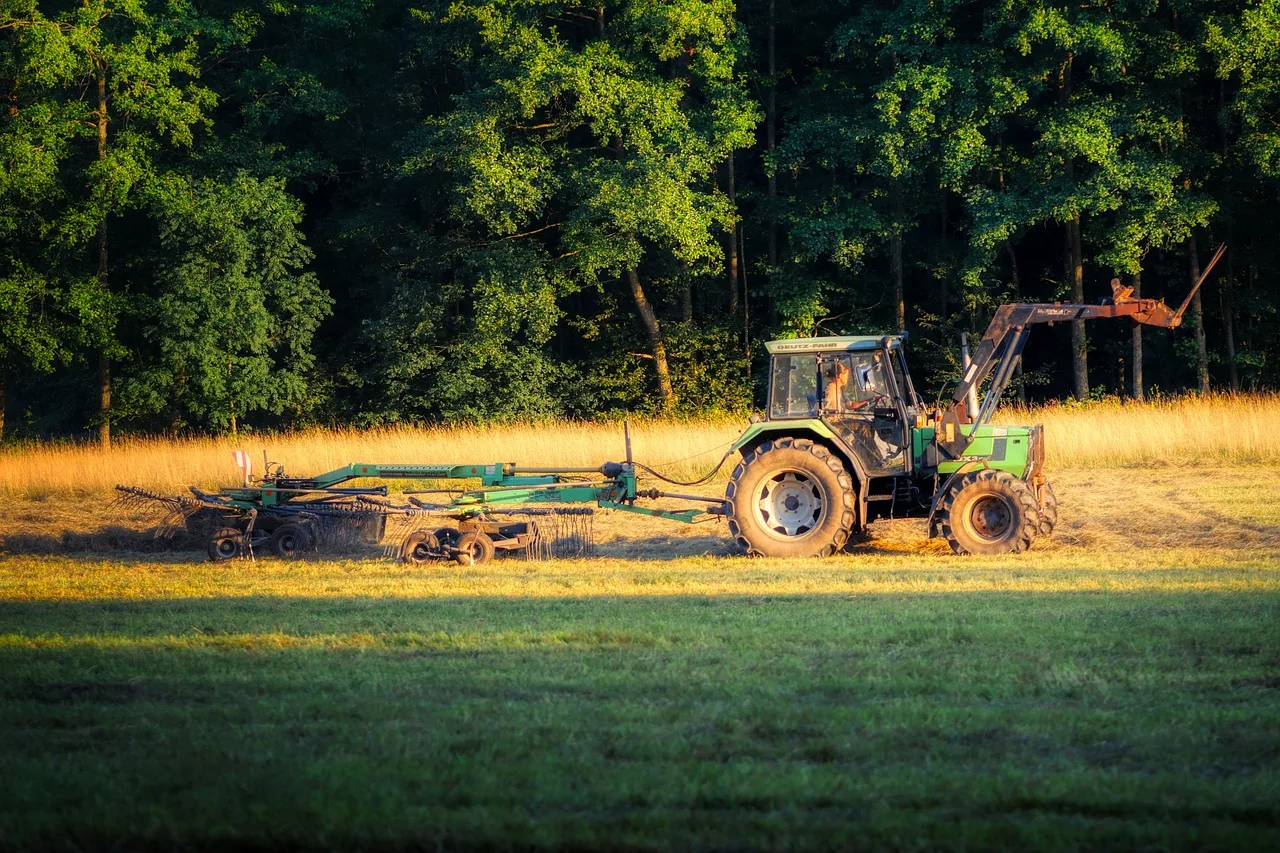
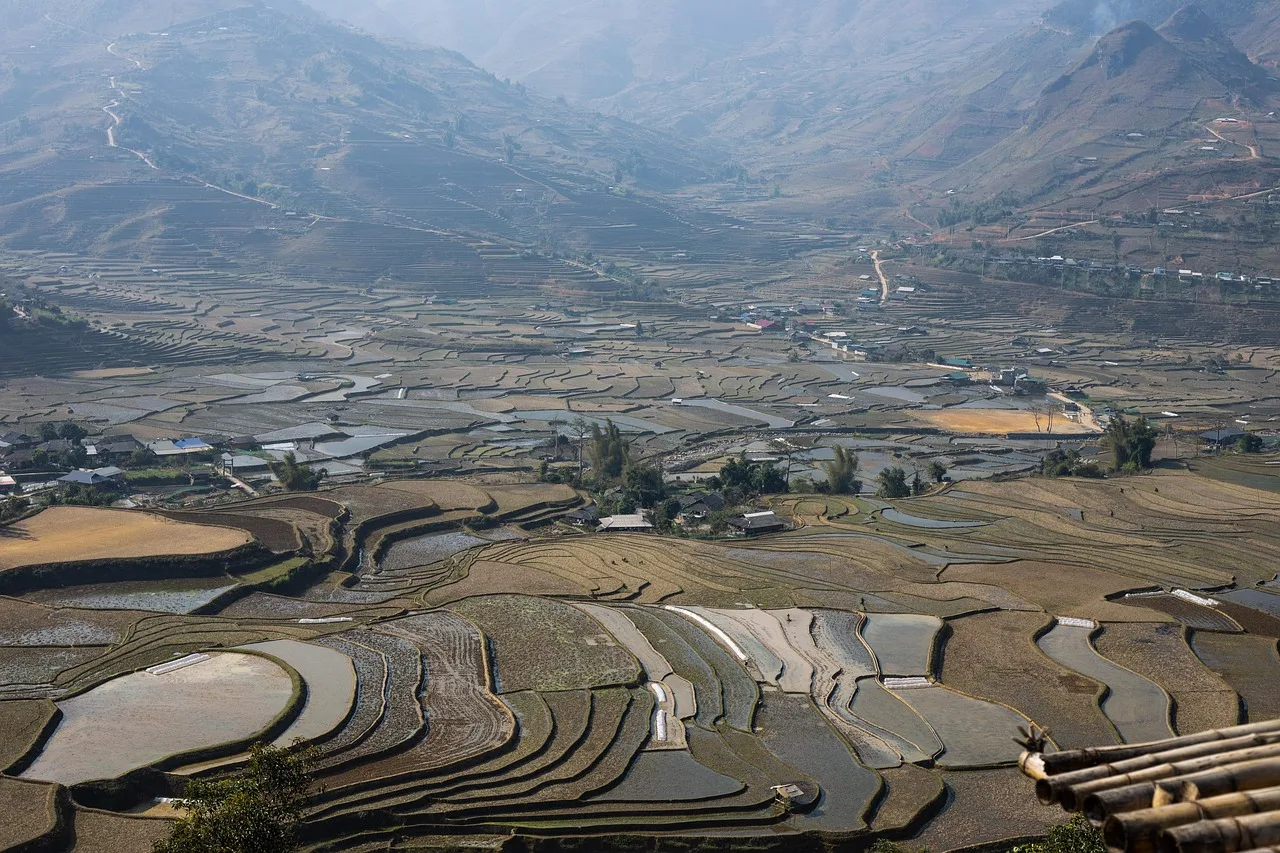

Çekim Tablosu
Çoğul (-ler)genişiz
Tanım
•sıfat: Eni çok olan; enli, gen (I), vâsi
•Alanı büyük olan; makro, dar karşıtı
•Bol olan (elbise)
•Kapsamı büyük, dar sınırlar içinde kalmayan, yaygın olan; makro
•Kolay kolay tasalanmayan, hoşgörülü, rahat olan
•Çok fazla
Diğer Dillerde
broad, wide · wide · drunk or high on marijuana; stoned
çekim: karşılaştırma breiter · üstünlük am breitesten
eş: stämmig, untersetzt, besoffen, voll, zu, angetörnt
zıt: eng, schmal, nüchtern
köken: From Middle High German breit, from Old High German breit, from Proto-West Germanic *braid, from Proto-Germanic *braidaz.
aile: Breite, breiten
& Groß — & Geniş
eine breite Straße
Die Universität bietet ein breites Spektrum von Fächern an.
Du bist ziemlich breit.
wide, broad · large · generous
çekim: çoğul larges
köken: Inherited from Old French large, from Latin largus, larga, largum (“abundant, plentiful, copious, large, much”). The feminine is inherited and even generalised for both genders, but for the old masculine, Latin largum (the masculine and neuter accusative) developed into Old French larc, which was discarded.
aile: de long en large, en long en large, large d'esprit, ratisser large
Grand — & Geniş
broad, large, spacious, wide, expansive · broad, wide, comprehensive, extensive, large, wide-ranging, ample
eş: ancho, dilatado, espacioso, extenso, vasto, abundante
köken: From older amplo, semi-learned borrowing from Latin amplus. Cognate with English ample. Doublet of ancho.
aile: amplísimo, de amplia base
& Grande — & Geniş
una amplia habitación
una amplia zona
amplio apoyo
İtalyancaampio, largo, laterale, vasto /ˈam.pjo/
wide, broad · loose, baggy (clothing) · spacious, roomy
çekim: üstünlük amplissimo
eş: esteso, grande, largo, spazioso, vasto, abbondante
köken: Inherited from Latin amplus.
aile: ampiamente, ampiezza, ampliare, amplitudine
& Grande — & Geniş
Rusçaобширный, просторный, широкий /ʂɨˈrokʲɪj/
wide, broad · broad, extensive · generous
çekim: karşılaştırma (по)ши́ре · üstünlük (наи)широча́йший
eş: толстый, просторный, большой
zıt: у́зкий
köken: Inherited from Proto-Slavic *širokъ.
aile: широ́к, на широ́кую но́гу
& Крупный — & Geniş
широ́кий прохо́д
Луна́ уже́ вста́ла на небоскло́не, кра́сная и широ́кая, как ме́дный щит.
широ́кий кругозо́р
Arapçaعَرِيض, كَبِير, وَاسِع
كبير — & Geniş
large, big · great · major
çekim: karşılaştırma بزرگتَر · üstünlük بزرگتَرین
eş: کلان, گُنده, عظیم, گپ, گت
zıt: کوچک
köken: From Middle Persian 𐭥𐭰𐭥𐭫𐭢 (wuzurg, wazurg, “big, great”), from Old Persian 𐎺𐏀𐎼𐎣 (v-z-r-k /vazr̥kaʰ/).
aile: بزرگ شدن, بزرگی
نزدیک شهر کوه بزرگی است.
نزدیک شهر کوهی بزرگ است.
نزدیک شهر یه کوه بزرگه.
grand · elder
çekim: karşılaştırma daha böyük · üstünlük ən böyük
zıt: kiçik, balaca
köken: From Proto-Common Turkic *bedük (“big, high”), whence also Azerbaijani böyütmək (“to raise”) and böyümək (“to grow”). Cognate with Turkish büyük etc.
aile: böyüklük
böyük ev
böyük səhv
böyük qardaşım
Özbekçekeng /keŋ(ɡ)/
broad, wide · vast, spacious · extensive, widespread
çekim: karşılaştırma kengroq · üstünlük eng keng
köken: From Proto-Turkic *kẹ̄ŋ.
broad, wide · large, ample
çekim: karşılaştırma breder · üstünlük breedst
zıt: nauw, smal
köken: From Middle Dutch brêet, from Old Dutch brēt, from Proto-West Germanic *braid, from Proto-Germanic *braidaz.
aile: brede brugklas, brede wespenorchis, Bredelaar, Brederwiede, Bredevoort, breed vlieszaad, breedband, breedbeeld, breedbekstrandloper, breeddoek
Groot — & Geniş
Portekizceamplo /ˈɐ̃.plu/
ample, wide · spacious · abundant, abounding (fully sufficient)
zıt: estreito
köken: Learned borrowing from Latin amplus (“spacious; ample”). Doublet of ancho.
& Grande — & Geniş
Caminho amplo.
Amplos aposentos.
Ampla evidência.
nominative/accusative/vocative feminine singular of ευρύς (evrýs)
Μεγάλη — & Geniş
broad, immense · important; crucial · loud
eş: でかい, 巨大
zıt: 小さい, 小さな
köken: /opoki/ → /oɸoki/ → /oɸokiki/ → /owokiː/ → /oːkiː/ Appears in the Muromachi period, 1337 to 1573 CE. From older adjective 大(おお)き (ōki, ancient reading opoki), derived as the attributive form ōki (ancient opoki) of cognate adjective ōshi (ancient oposi; attributive opoki appearing already in the Man'yōshū of 759 CE, meaning both “large” or “many”, spelled as 多(おお)し (ōshi) or 大(おお)し (ōshi), modern…
大(L) — & Geniş
[…] チリ政府が政治リスクを犯して、結果を約束したのは大きい。
声が大きい。
to be wide, large, broad
zıt: 좁다
köken: First attested in the Seokbo sangjeol (釋譜詳節 / 석보상절), 1447, as Middle Korean 넙다 (Yale: nep-ta).
나중( L) — & Geniş
big, large (having a large physical size) · capital · significant, big; strong; much (of high intensity)
çekim: karşılaştırma większy · üstünlük największy
eş: astronomiczny, bezbrzeżny, bezgraniczny, bezkresny, bezmierny, gargantuiczny
zıt: Antonyms: see Thesaurus:mały, drobniuchny, drobniusi, drobniusieńki, drobniuteńki, drobniutki
köken: Etymology tree Proto-Indo-European *dʰewgʰ-der. Proto-Indo-European *-yós Proto-Balto-Slavic *daugjas Proto-Slavic *dužь Polish duży Inherited from Proto-Slavic *dužь. First attested in 1551.
aile: spod dużego palca, duża bańka, duża matura, duże niebieskie oczy, duże żniwa, duży ekran, duży palec, dzięcioł duży, przez duże, koń ma duży łeb, niech się martwi
& Duża czcionka — & Geniş
Ten pokój jest duży.
Masz duży kłopot.
On jest człowiekiem z dużą wiedzą.
Ukraynacaвели́кий, здоро́вий, просто́рий, чима́лий, ши́роко
& Великий — & Geniş
wide · broad
köken: Inherited from Sauraseni Prakrit *चउड (caüḍa). Beyond that, it is possibly from Sanskrit चतुर् (catur, “four”) + Middle Indo-Aryan -𑀟- (-ḍa-). Compare the semantically parallel Sanskrit चतुष्क (catuṣka, “made of four; courtyard”), whence Hindi चौक (cauk). Many of the New Indo-Aryan languages retain the "flat area" meaning. Cognate with Punjabi ਚੌੜਾ (cauṛā), Nepali चौडा (cauḍā), Gujarati ચોડું…
big, large, great (of a great size) · big, grown-up · great (powerful; important; influential)
çekim: karşılaştırma isompi · üstünlük isoin
eş: buli, huomattava, isokokoinen, kattava, kookas, krouvi
zıt: pieni, nuori
köken: From isä (“father”) + -o, through an earlier form isoi (attested in Agricola). SSA considers this word 'primarily western (Finnish)', although SMS remarks it is common in all dialect regions except Central and South Karelia. First attested as jso in c. 1401.
& Suuri — & Geniş
isoympyrä
olet jo iso poika
Iso-Britannia
big, great · capital, uppercase
çekim: karşılaştırma nagyobb · üstünlük legnagyobb
zıt: kicsi
köken: Uncertain. Perhaps from Proto-Finno-Ugric *nᴕńćɜ (“strong, hard”). Cognates include Komi-Permyak нач (nać, “entirely, totally”).
aile: nagyban, nagybani, nagyít, nagyja, nagyjából, nagyoll, nagyon, nagyság, nagyszerű, nagyzol
& Nagy — & Geniş
İbraniceגדול, רָחָב /ɡaˈdol/
big, large · great, important
köken: Related to Arabic جَدِل (jadil, “hard, strong, firm”).
aile: בְּגָדוֹל
& גדול — & Geniş
אָסֻרָה־נָּא וְאֶרְאֶה אֶת־הַמַּרְאֶה הַגָּדֹל הַזֶּה
גְּדֹל הָעֵצָה וְרַב הָעֲלִילִיָּה
Latincelātus
broad, wide
çekim: karşılaştırma bredere · üstünlük bredest
zıt: smal
köken: From Old Danish breth, from Old Norse breiðr, from Proto-Germanic *braidaz. Cognate with Old English brad.
& Stor — & Geniş
Norveççebredt, brei, stor, vidt
Den faste bredden — Sabit genişlik
big, large · big, great · big, grown up
çekim: karşılaştırma lebih besar · üstünlük paling besar
köken: Inherited from Malay besar, from Proto-Malayic *bəsar.
Pita Lebar — Geniş bant
Rumah mereka di kelurahan ini besar.
Pencapaian terbesar kami selama beberapa tahun ini.
Keponakanmu sudah besar ya.
Etimoloji
Eski Türkçe keŋ (keŋ)
Deyimler
Kelime Ailesi
geniş aile
geniş mezhepli
geniş ufuklu
geniş ünlü
geniş zaman
havsalası geniş
içi geniş
işkembesi geniş
mezhebi geniş
eli geniş
geniş açı
geniş çaplı
geniş gönüllü
geniş görüşlü
geniş paça
geniş yürekli
karnı geniş
ufku geniş
Eş & Zıt Anlamlılar
Zıt anlamlılar
Örnek Cümleler
& Geniş
& Large
En Genişe
To Widest
& Genişlik
& Width
Geniş bant
Broadband
Daha geniş.
Make it wider.
Genişlik% 1
Width %1
& Genişlik:
& Width:
Geniş Ekran
Widescreen
Geniş Zaman
Simple Present
Geniş okuma
Further reading
Genişlik:% 1
Width: %1
Tam Genişlik
Full Width
İlgili Sorular
İlgili / Bileşik Terimler
Genelcomprehensive
Genelaorist
Genelextended family
Genelwide area network
Genelvantage point