Sözlük
/gün batımı
gün batımı
"gün batımı" kelimesinin İngilizcesi: sunset, sunset. Anlamı, çevirisi, telaffuzu ve örnek cümleler aşağıdadır.
Çeviri
Genelsunsetnoun
Genelsunset
Görsel
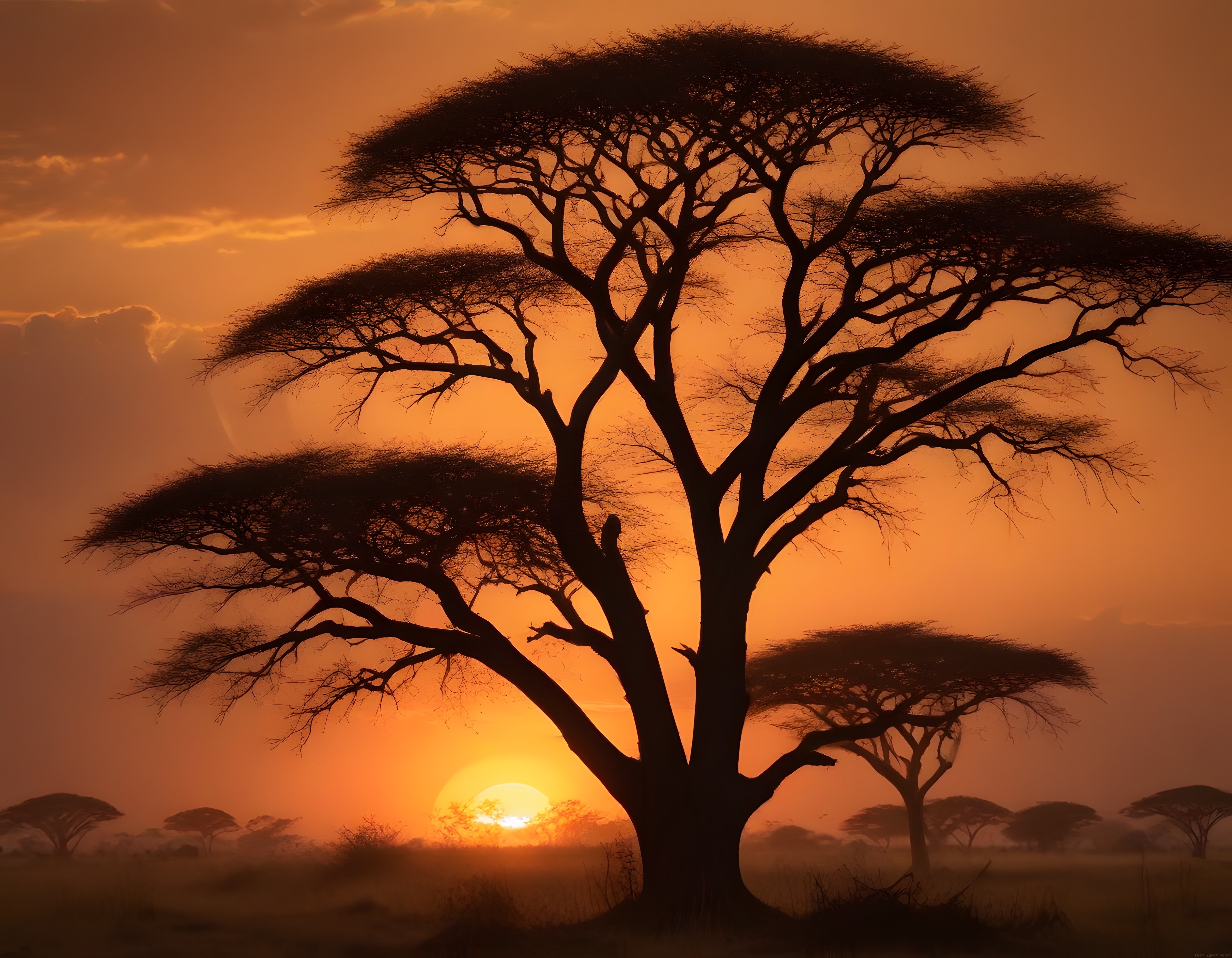

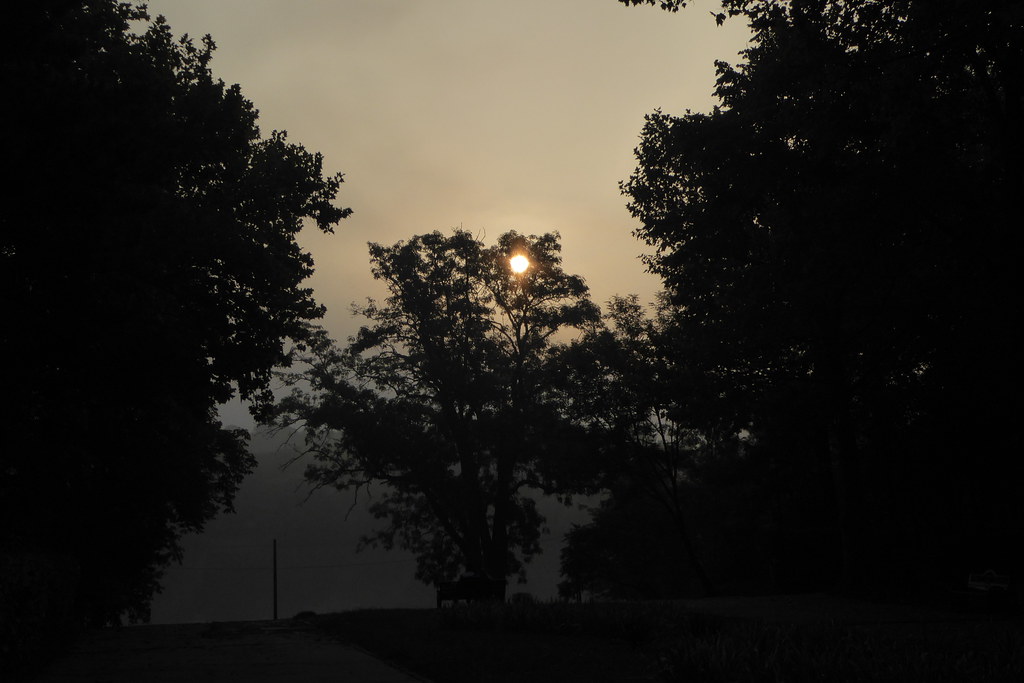

Çekim Tablosu
Belirtme (-i)gün batımını
Yönelme (-e)gün batımına
Bulunma (-de)gün batımında
Çıkma (-den)gün batımından
Tamlayan (-in)gün batımının
Çoğul (-ler)gün batımları
Tanım
•Güneş'in ufukta kaybolması, gurup, güneşin batışı
•Güneşin ufukta kaybolması
Diğer Dillerde
AlmancaAbendrot, Lebensabend, Sonnenuntergang /ˈaːbənd̥ˌroːt/
Red color of the (western) sky around the time of sunset
çekim: tamlayan Abendrots
eş: Abendlicht, Abendröte
köken: From Middle High German ābentrо̄t, from Old High German ābandrо̄to. Equivalent to Abend (“evening”) + Rot (“red color”).
Zeit des Sonnen untergangs — Gün batımı zamanı
Fransızcacoucher de soleil, crépuscule (eril) /ku.ʃe d(ə) sɔ.lɛj/
sunset
çekim: çoğul couchers de soleil
zıt: lever de soleil
Heure du coucher du Soleil — Gün batımı zamanı
İspanyolcaocaso, puesta de sol, puesta del sol, puesta solar (eril) /oˈkaso/
dusk, sunset · west · decline
çekim: çoğul ocasos
eş: occidente, oeste, poniente
zıt: alba, amanecer, aurora
köken: Borrowed from Latin occāsus, deverbal from occido (“to fall down, set”).
Hora de la puesta de sol — Gün batımı zamanı
İtalyancacrepuscolo, occaso, tramonto (eril) /kreˈpus.ko.lo/
twilight · dusk
çekim: çoğul crepuscoli
eş: luce del tramonto, tramonto, sera, vespro, barlume, accenno
köken: From Latin crepusculum.
aile: crepuscolare
Ora del tramonto — Gün batımı zamanı
Rusçaзакат, заход солнца
Время захода Солнца — Gün batımı zamanı
الوقت من — Gün batımı zamanı
Tatarcaкояш бату
Felemenkçezonsondergang (eril) /ˌzɔnsˈɔn.dər.ɣɑŋ/
sunset
çekim: çoğul zonsondergangen
zıt: zonsopgang, zonsopkomst
köken: From Middle Dutch sonne-onderganc. Equivalent to zon + -s- + ondergang.
Tijd dat de Zon ondergaat — Gün batımı zamanı
Portekizcecrepúsculo, poente, pôr do sol, pôr-do-sol, sol-pôr (eril) /kɾeˈpus.ku.lu/
twilight (light before rising, and after the setting, of the sun)
çekim: çoğul crepúsculos
köken: Borrowed from Latin crepusculum (“twilight”), from creper (“dusky, dark”).
Hora do ocaso solar — Gün batımı zamanı
Yunancaδύση, ηλιοβασίλεμα (dişil) /ˈði.si/
west · sunset, sundown · decline, end
çekim: çoğul δύσεις · tamlayan δύσης
zıt: ανατολή
köken: From Ancient Greek δύσις (dúsis).
Ώρα δύσης του ηλίου — Gün batımı zamanı
afterglow, evening glow, sunset
zıt: 朝焼け
日の入りの時刻 — Gün batımı zamanı
köken: Sino-Korean word from 一 (“one”) + 樂 (“music, song”).
일몰 시간 — Gün batımı zamanı
İsveççesolnedgång
sunset
çekim: çoğul solnedgångar · tamlayan solnedgångs
köken: sol + nedgång
Tid för solnedgång — Gün batımı zamanı
Lehçezachód słońca, zmierzch (eril) /ˈza.xut ˈswɔɲ.t͡sa/
sunset (moment each evening when the sun disappears below the western horizon)
çekim: çoğul zachody słońca · tamlayan zachodu słońca
köken: Literally, “set of the sun”, or more loosely translated as “sunset”.
Czas zachodu Słońca — Gün batımı zamanı
Ukraynacaза́хід со́нця
Час заходу Сонця — Gün batımı zamanı
Hintçeसूर्यास्त (eril) /suːɾ.jɑːst̪/
sunset
çekim: çoğul सूर्यास्तों
zıt: सूर्योदय
köken: Learned borrowing from Sanskrit सूर्यास्त (sūryāsta). By surface analysis, सूर्य (sūrya) + अस्त (ast).
Finceauringonlasku, elämän ehtoo, illansuu, iltarusko, iltaruskon /ˈɑu̯riŋːonˌlɑsku/
sunset, sundown
çekim: çoğul auringonlaskut · tamlayan auringonlaskun
köken: auringon (“sun's”, genitive) + lasku (“setting, descent”)
Auringonlaskun kellonaika — Gün batımı zamanı
Çekçezápad slunce (eril)
sunset
çekim: çoğul západy slunce · tamlayan západu slunce
Čas západu Slunce — Gün batımı zamanı
Rumenceapus, asfințire, crepuscul, declin /aˈpus/
bygone, dead, vanished
çekim: çoğul apusuri · tamlayan apusului
köken: From the past participle of the verb apune (“to fade, set”), from Latin apponere. Was the traditional word for "west", but today vest is used as the standard term. Compare also the descendants of Latin ponens in the Western Romance languages, which developed the meaning of "west".
Apusul soarelui:% 1 — Gün batımı: 19: 15
Macarcaalkony, alkonypír, kivezet, megszüntet, naplemente, napnyugta /ˈɒlkoɲ/
dusk, twilight, nightfall
çekim: çoğul alkonyok
köken: Back-formation from alkonyodik. Created during the Hungarian language reform, which took place in the 18th–19th centuries. First attested in 1746.
aile: alkonyat, alkonyi, alkonyul, alkonyú, alkonytájt
A napnyugta ideje — Gün batımı zamanı
İbraniceשקיעה (dişil) /ʃkiˈ(ʕ)a/
sunset · sinking · being concentrated in something
çekim: çoğul שקיעות
zıt: זריחה
והיה לפנות ערב ירחץ במים וכבא השמש יבא אל תוך המחנה׃ — Akşama doğru yıkansın, gün batımında ordugaha dönsün.
Latincecrepusculum, occasus /krɛˈpʊs.kʊ.ɫũː/
twilight, dusk · darkness · doubtful
çekim: çoğul crepuscula · tamlayan crepusculī
köken: Uncertain; possibly from *crepus, *crepes, or *crepos combined with the suffix -culus. One possibility holds that this originates in a Proto-Indo-European form *ksep, that became *ksep-os or *ksep-əs-, then *ksep-os before emerging as *crepus. This sound could be explained through the dissimilation of the initial *s or through a shift from *ks- to *kr-. Varro suggests the term derives from…
sunset
çekim: çoğul solnedgange · tamlayan solnedgangs
zıt: solopgang
köken: From sol + nedgang
Tidspunkt for solnedgang — Gün batımı zamanı
Endonezcematahari terbenam, mentari benam, mentari masuk, senja, usia senja /sənˈd͡ʒa/
Eve, eventide; evening
çekim: çoğul senja-senja
köken: Inherited from Malay senja. From Prakrit 𑀲𑀁𑀛𑀸 (saṃjhā, “evening”), from Sanskrit संध्या (saṃdhyā, “evening, twilight”).
aile: kesenjaan, senja buta, senja kala, senja raya
Selain itu, Anda juga dapat menyaksikan keindahan matahari terbenam. — Ayrıca gün batımını seyretmek içinde gidilir.
Vietnamcahoàng hôn /hwaːŋ˨˩ hon˧˧/
dusk; sunset; nightfall; evening twilight
zıt: rạng đông, bình minh
köken: Sino-Vietnamese word from 黃昏.
Ở nơi đó ánh hoàng hôn buông xuống Băng qua những đợt sóng màu xanh biếc — Gün batımı koyu mavi dalgalar ardında,
Hoàng hôn, Mai ở ngoài bờ ruộng.
Bulgarcaзалез (eril) /zɐˈlɛs/
second-person singular imperative of заля́за (zaljáza)
çekim: çoğul за́лези
Час на залез на Слънцето — Gün batımı zamanı
Slovencesončni zahod
Čas Sončevega zahoda — Gün batımı zamanı
Litvancasaulėlydis (eril) /sɒʊ¹ˈlʲeːlʲiːdʲɪs/
sunset (period of time or light phenomenon) · westerly direction; west · end of something
çekim: çoğul saulė́lydžiai · tamlayan saulė́lydžio
zıt: saulėtekis
köken: From saulė (“sun”) + lydis (“inclination, slope, gradient”), which is related to leisti.
Encyclopædia Britannica – Uyuni Salt Flat. — Salar de Uyuni'de gün batımı. ^ Encyclopædia Britannica - Uyuni Salt Flat.
Eş & Zıt Anlamlılar
Örnek Cümleler
Gün batımı zamanı
Time of sunset
Gün batımı: 19: 15
Sunset: 19:15
Gün batımı ne zaman?
What time is sunset?
Gün batımı saat kaçta?
At what time is sunset?
Güzel gün batımına bak.
Look at the beautiful sunset!
Gün batımını seviyorum.
I love sunsets.
Ne güzel bir gün batımı.
What a beautiful sunset.
Mary gün batımını sever.
Mary loves sunsets.
Yakında gün batımı olacak.
It'll soon be sunset.
Virgin Gorda'da gün batımı
Sunset at Road Harbour, Virgin Gorda
Gün batımı batıda parlıyor.
The sunset glows in the west.
Güzel gün batımı, değil mi?
Lovely sunset, isn't it?
İlgili Sorular
Gün doğumu ya da gün batımında çoğunlukla aktif olan hayvanlara ne denir?
Sahilde gün batımını seven var mı?
2006 yılının 12 Nisanındaki gün batımı saatini nereden bulabilirim?
Gün doğumundan gün batımına kadar uyumak bir sorun mudur?
12 Nisan 2006'da gün batımının ne zaman gerçekleştiğini nasıl tespit edebilirim?