Sözlük
baba
/baˈba/
adj
A1 seviye
TR → FINCE
"baba" kelimesinin İngilizcesi: aiheuttaa, faija, isä, Isä, isäukko. Anlamı, çevirisi, telaffuzu ve örnek cümleler aşağıdadır.
Çeviri
Genelaiheuttaa
Genelfaija
Genelisä
GenelIsä
Genelisäukko
Genelisi
Görsel

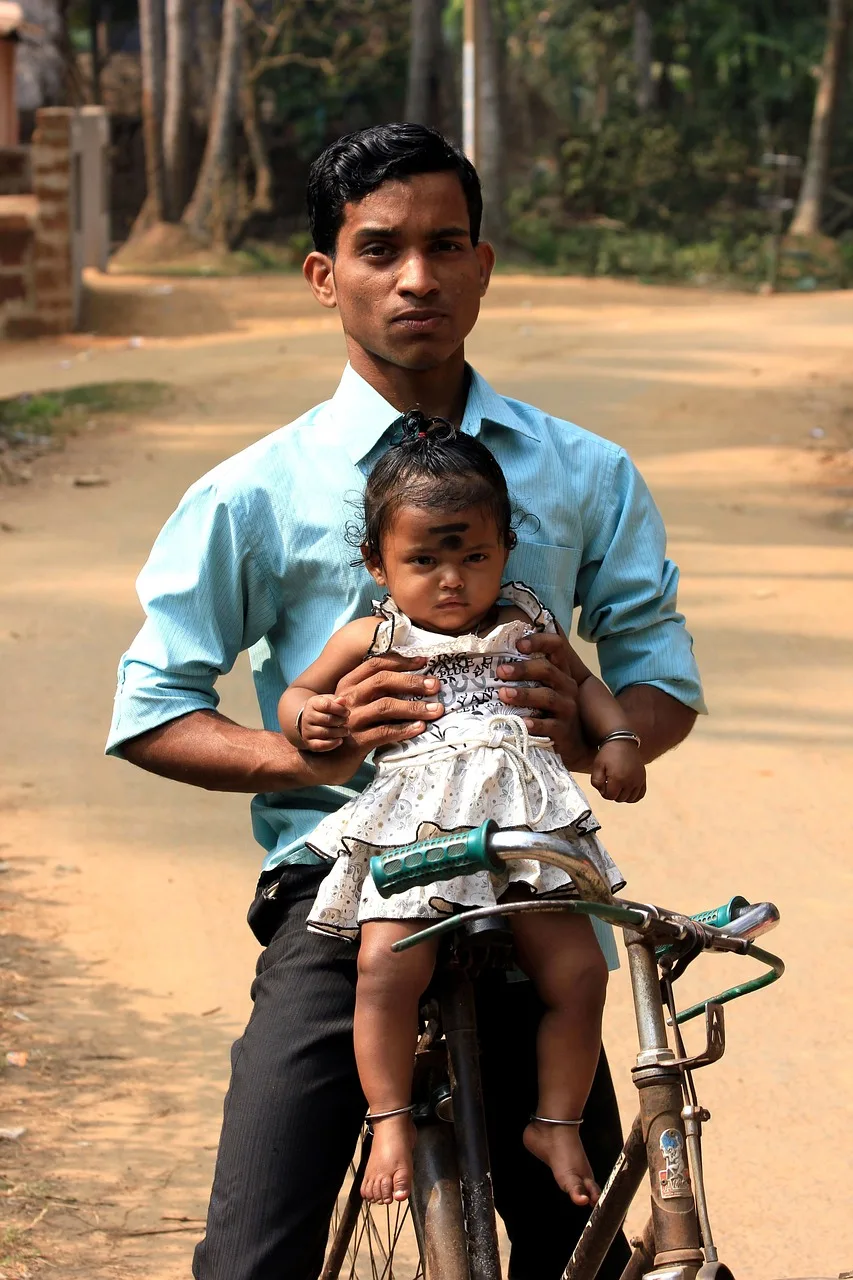
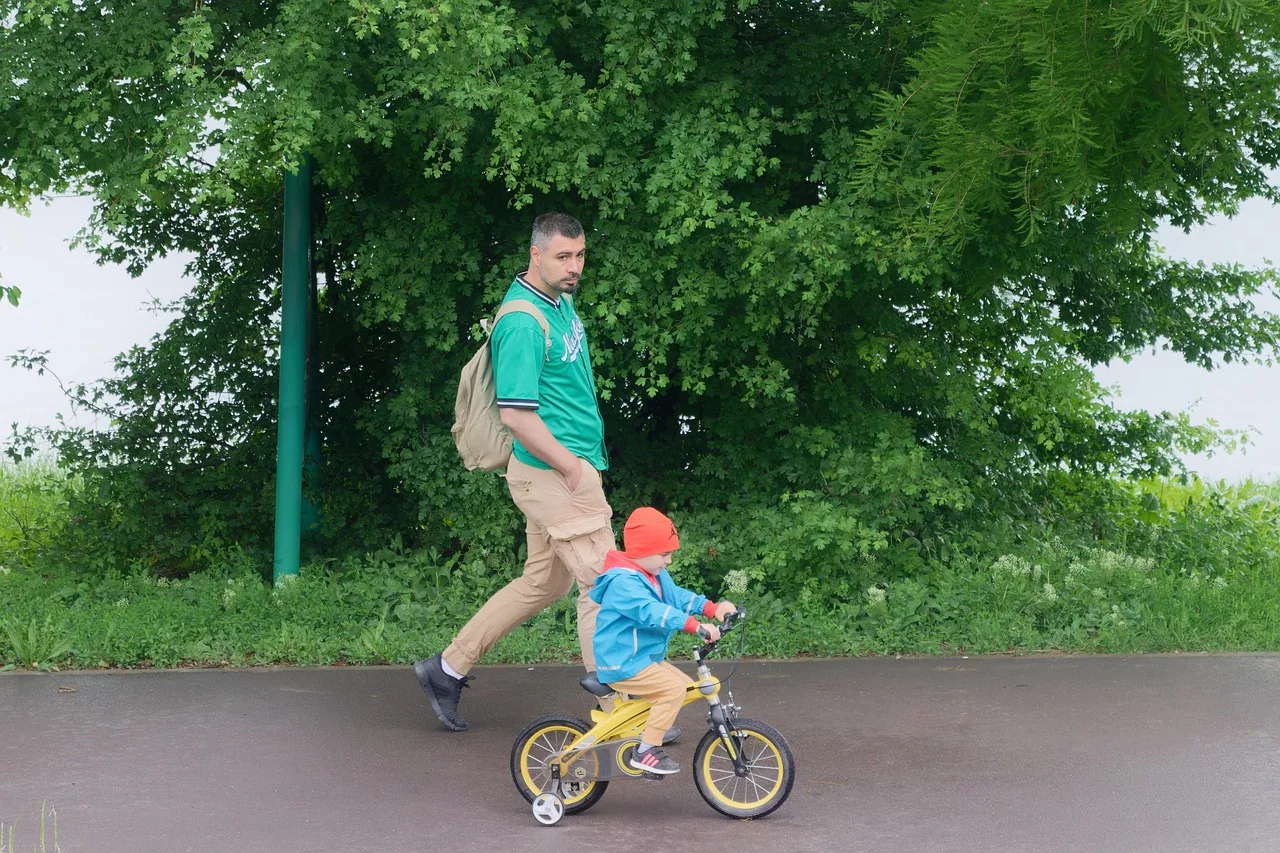
Çekim Tablosu
Belirtme (-i)babayı
Yönelme (-e)babaya
Bulunma (-de)babada
Çıkma (-den)babadan
Tamlayan (-in)babanın
Çoğul (-ler)babalar
Tanım
•to cause, bring about, bring to pass, engender · to result in, lead to · to inflict, thrust upon, impose, cause, incur
Atasözü & Deyim
“Anan güzel idi hani yeri, baban güzel idi hani evi”
“Baba koruk (erik) yer, oğlunun dişi kamaşır”
“Baba kırk oğul beslemiş, kırk oğul bir babayı beslememiş”
“Baba malı tez tükenir, evlat gerek kazana”
“Baba oğluna bir bağ bağışlamış; oğul babaya bir salkım üzüm vermemiş”
Diğer Dillerde
Almancaata, papa, vater, Vater (auch Anrede für Sufis) (eril) /ˈpapa/
dad, daddy
çekim: çoğul Papas · tamlayan Papas
eş: Daddy, Erzeuger, Familienoberhaupt, Göttervater, Haushaltvorstand, Vater
köken: From French papa.
aile: Papi
Den Vater. — Babası .
Fransızcapère, Père, papa (eril) /pɛʁ/
father (parent) · father (clergyman) · Sr. (senior) (postnominal title used to indicate a father that shares the same name as the son)
çekim: çoğul pères
eş: dabe, daron, géniteur, papa, pater, vieux
zıt: fils
köken: Inherited from Middle French pere, from Old French pedre, pedra, pere, from Latin patrem, from Proto-Italic *patēr, from Proto-Indo-European *ph₂tḗr.
aile: beau-père, fête des Pères, grand-père, père de famille, père de l'Église, père fondateur, père fouettard, Père Noël, petit père, tel père, tel fils
Le père. — Babası .
İspanyolcaengendrar, ocasionar, padre, Padre, papá, producir /enxenˈdɾaɾ/
to engender, spawn, beget
çekim: geçmiş engendré · ortaç engendrado · şimdiki engendra
köken: From Old Spanish engendrar, probably borrowed from Old French engendrer, from Latin ingenerāre.
aile: engendrable, engendración, engendrador, engendramiento, engendro
¿Dónde está mi padre? — Babam nerede?
İtalyancapadre, babbo
Rusçaотец (eril) /ɐˈtʲet͡s/
father · ancestor · senior, superior, first of, chief, sensei
çekim: çoğul отцы́ · tamlayan отца́
eş: ба́тюшка, поп, свяще́нник, ба́тя, папа́ша
köken: Inherited from Old East Slavic отьць (otĭcĭ), from Proto-Slavic *otьcь, from Proto-Indo-European *átta.
aile: безотцо́вщина, оте́ческий, оте́чественный, оте́чество, отцо́в, отцо́вский, отцо́вство, о́тчество, отчи́зна, о́тчий
крёстный оте́ц
духо́вный оте́ц
свято́й оте́ц
father · ancestor, forefather
çekim: çoğul آبَاء · tamlayan أَبٍ
köken: From Proto-Semitic *ʔabw-, from the root ء ب و (ʔ b w). Cognate with Hebrew אָב ('áv). Compare Italian babbo.
Farsçaپدر, پَدَر, پِدَر, خدای پدر, والِد /pa.ˈdar/
father
çekim: çoğul پدران
köken: From Middle Persian 𐭓𐭐𐭃 (pidar), from Old Persian 𐎱𐎡𐎫𐎠 (pitā), from Proto-Iranian *pHtā́, from Proto-Indo-Iranian *pHtā́ (compare Sanskrit पितृ (pitṛ), Hindi पिता (pitā), बाप (bāp)), from Proto-Indo-European *ph₂tḗr.
aile: بر پدر کسی لعنت, بیپدر, بیپدرمادر, روزِ پدر, مادرپدر, ناپدری, پدرآمرزیده, پدرانه, پدربزرگ, پدرجَد
father
çekim: çoğul atalar · tamlayan atanın
köken: From Proto-Turkic *ata / *ete. Cognate with Old Turkic 𐱃𐰀 (t¹a /ata/).
grandfather · father · father-in-law
çekim: çoğul аталар · tamlayan атаның
köken: From Proto-Turkic *ata (“father; uncle; ancestor”).
father
çekim: çoğul otalar · tamlayan otaning
köken: Inherited from Chagatai آتا (ʾātā), from Proto-Common Turkic *ata, from Proto-Turkic *ata. Cognate with Uyghur ئاتا / ata / ата; Turkmen ata, Azerbaijani آتا / ата / ata (“father”), Turkish ata (“ancestor”); Old Turkic 𐱃𐰀 (t¹a /ata/); etc.
Felemenkçevader (eril) /ˈvaː.dər/
father, male parent · forefather
çekim: çoğul vaders
eş: pa, pap, papa, pappie, paps, va
köken: Etymology tree Proto-Indo-European *peh₂-? Proto-Indo-European *-tḗr Proto-Indo-European *ph₂tḗr Proto-Germanic *fadēr Proto-West Germanic *fader Old Dutch fadar Middle Dutch vāder Dutch vader From Middle Dutch vāder, from Old Dutch fadar, from Proto-West Germanic *fader, from Proto-Germanic *fadēr, from Proto-Indo-European *ph₂tḗr.
aile: aartsvader, adoptiefvader, bakfietsvader, concilievader, grootvader, huisvader, kerkvader, pleegvader, plusvader, schoonvader
Dit boek beschrijft de daden der vaderen.
Portekizcepai (eril) /ˈpaj/
father (male who sires a child) · one's father · parent (either a mother or a father)
çekim: çoğul pais
eş: paizinho, paizito, genitor, papai, painho, Velho
köken: From Old Galician-Portuguese pay < *pade, child-speech forms of padre, from Latin patrem, the accusative of pater (“father”), from Proto-Indo-European *ph₂tḗr (“father”). Doublet of padre. Compare mãe (“mother”), which underwent a similar phonetic reduction from its root (Latin mater), and, in addition, was nasalized, perhaps because it was more frequently used than this word. Cognate with…
aile: pãe, pai de família, pai de santo, pai dos burros, pai natal, pai nosso, paizão, paizinho, tal pai, tal filho
Pai, eu estou saindo com as meninas.
Os gregos foram os pais da civilização.
dad, father (informal)
çekim: çoğul μπαμπάδες · tamlayan μπαμπά
köken: From Ottoman Turkish بابا (baba) + ending -ς (-s) or onomatopoeic child word. The ancient hypocoristic for πατήρ (patḗr, “father”) was πάππας (páppas). Unrelated is the medieval βάβω (bábō) / μπάμπω (mpámpō) ("grandma, old woman"), from Slavic *babo.
aile: μπαμπάκας, μπαμπακούλης
father · father, a term of address for a Christian priest · father, creator
çekim: çoğul fäder · tamlayan faders
eş: far, farsa, pappa, stabbe
köken: From Old Swedish faþir, from Old Norse faðir, from Proto-Germanic *fadēr, from Proto-Indo-European *ph₂tḗr.
aile: Allfader, anfader, Fader Himmel, faderlig, faderlös, fadermord, fadermördare, fadersarv, fadersbild, fadersbunden
Darwin - evolutionens fader.
father (human male who begets a child) · synonym of mąż · father (animal male that begets a child)
çekim: çoğul ojcowie · tamlayan ojca
eş: tato, tata, rodzic, rodziciel, lub ociec, stary
köken: Etymology tree Proto-Indo-European *átta Proto-Balto-Slavic *áta Proto-Slavic *otъ Proto-Indo-European *-ikos Proto-Balto-Slavic *-ikas Proto-Slavic *-ьcь Proto-Slavic *otь̀cь Old Polish ociec Polish ojciec Inherited from Old Polish ociec. The additional j in the nominative is by analogy with the oblique stem (genitive oćca > Polish ojca).
aile: ojcobójczy, ojcowski, ojcowy, ojczysty, u Boga Ojca, w imię Ojca i Syna, i Ducha Świętego, Bóg Ojciec, duchowy ojciec, ojciec apostolski, ojciec chrzestny
pan ojciec
father
çekim: çoğul अब्बे
eş: बाप, वालिद, पापा, अब्बू, पिताजी, पिदर
köken: Borrowed from Arabic أَب (ʔab).
to cause, bring about, bring to pass, engender · to result in, lead to · to inflict, thrust upon, impose, cause, incur
çekim: geçmiş aiheuttanut · şimdiki aiheuttaisi · ulaç aiheuttava
köken: aihe (“cause”) + -uttaa; "to be the cause of". First attested in Frans Ferdinand Ahlman: Ruotsalais-suomalainen ja suomalais-ruotsalainen sanakirja ("Swedish-Finnish and Finnish-Swedish Dictionary", 2nd edition, 1883-1884).
aile: aiheuttaja, aiheuttaminen, aiheutus
Bakteerit aiheuttavat monia sairauksia, mutta ovat toisaalta välttämättömiä ihmisen hyvinvoinnille.
Kuljettajan väsymys aiheutti onnettomuuden.
itse aiheutettu
Çekçeotec (eril) /ˈotɛt͡s/
father
çekim: çoğul otcové · tamlayan otce
eş: táta, tatínek, taťulda, tatíček, papínek, taťka
zıt: matka
köken: Inherited from Old Czech otec, from Proto-Slavic *otьcь.
aile: otcovrah, otcovražda, otčenáš, praotec
to create
çekim: geçmiş creat · ortaç creat · şimdiki creează
köken: Borrowed from French créer and Latin creō, creāre.
father
çekim: çoğul apák
köken: Most likely from Turkic, compare Old Turkic 𐰯𐰀 (pa /apa/, “father”), or from Proto-Uralic *ëppe (“father-in-law”).
aile: apai, apaság, apátlan, apu, apus, apaállat, apanév, családapa, dédapa, keresztapa
A Roman cognomen — famously held by · A Roman cognomen — famously held by:
çekim: çoğul attae · tamlayan attae
köken: From atta (“a person who walks upon the tips of their shoes”).
Etimoloji
Farsça
Deyimler
Kelime Ailesi
Eş & Zıt Anlamlılar
Örnek Cümleler
Baba osurdu.
Daddy passed gas.
Babana tutun!
Hang onto Daddy!
Babam nerede?
Where is Father?
Babasının oğlu.
Like father, like son.
Babam yıkanıyor.
Father is having a bath.
Babana ne dersin?
What do you call your father?
Babam hayır dedi.
My papa said no.
Baban uzun boylu.
Your father is tall.
Baba mutfakta mı?
Is Father in the kitchen?
Baban ne iş yapar?
What does your father do?
Baban kaç yaşında?
How old is your father?
Bu saat babamındır.
This watch is my father's.
İlgili Sorular
Neden çocukların Noel Baba'ya inanmasını alaya alıyoruz, ama pazar günleri kiliseye gidiyoruz?
Tam velayet davası açan bir babanın karşılaşacağı mahkeme süreci nasıldır?
Dave'in babasının üç çocuğu: Snap, Crackle ve ___; Doğru cevabı bulup aptal olan kişi 10 puan kazanacak.
Evlat edinilen bir çocuğun gerçek büyük anne ve babaları hangi haklara sahip olabilir?
Oğlumuzun (damat) düğününde anne babalar olarak söyleyebileceğimiz sıcak bir toast nasıl olur? Gelin gerçekten çok tatlı.