Sözlük
/teker
teker
"teker" kelimesinin İngilizcesi: wheel, wheel, wheel. Anlamı, çevirisi, telaffuzu ve örnek cümleler aşağıdadır.
Çeviri
Genelwheelnoun
Genelwheel
Genelwheel
Görsel
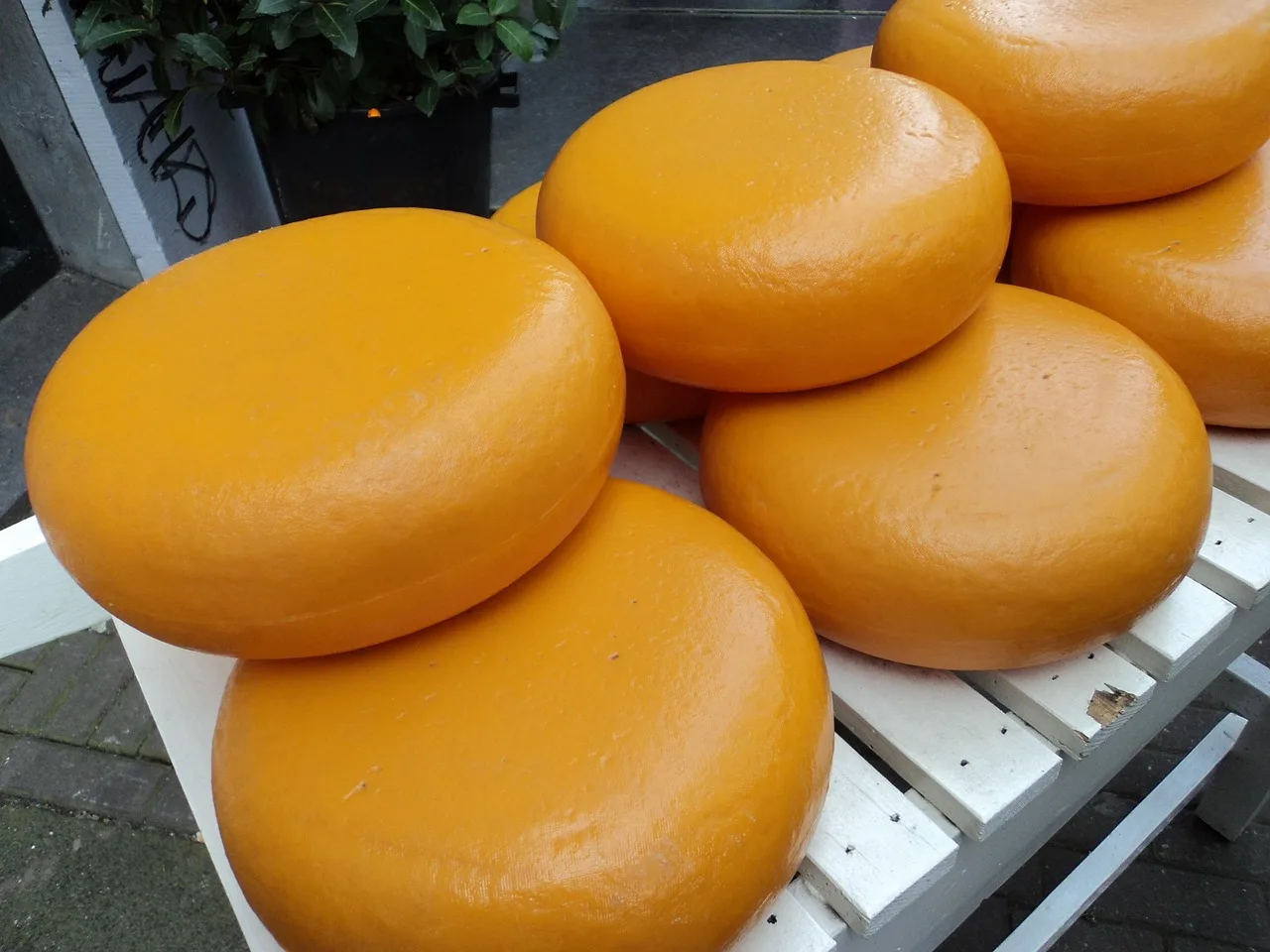

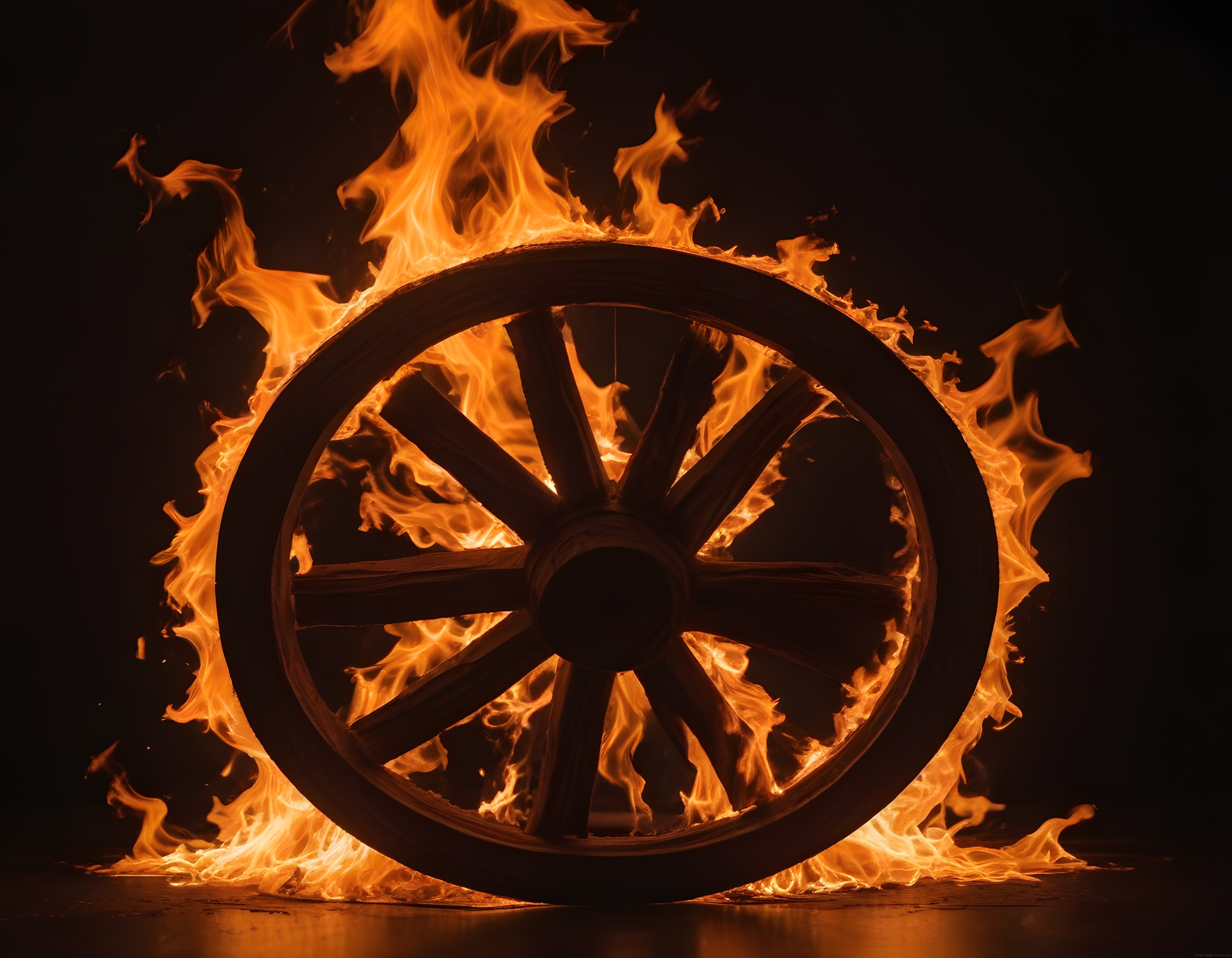
Çekim Tablosu
Belirtme (-i)tekeri
Çoğul (-ler)tekerler
Tanım
•isim: tekerlek
•sıfat: Tekerlek biçimde olan
•gök bilimi: Bir gök cisminin daire biçiminde görünen yüzeyi
•gök bilimi: Cismin gökyüzü üzerindeki iz düşümü
Atasözü & Deyim
“Arabanın ön tekerleği nereden geçerse art tekerleği de oradan geçer”
“Nisan yağmuru; altın araba, gümüş tekerlek”
“Tekerlek kırıldıktan sonra yol gösteren çok olur”
“Ön tekerlek nereye giderse art tekerlek de oraya gider”
Diğer Dillerde
AlmancaFelge, kreisen, Rad, Radl, Steuerrad (dişil) /ˈfɛlɡə/
wheelrim, felly
çekim: çoğul Felgen · tamlayan Felgen
eş: Radfelge, Radkranz, Riesenfelge, Feldaufschwung, Felgaufschwung, Felgeaufschwung
köken: From Middle High German velge, from Old High German felga, from Proto-Germanic *felgō. Cognate with Dutch velg, English felly, felloe.
aile: Fahrradfelge, Felgenband, Felgenbaum, Leichtmetallfelge, Reifenfelge
Sechs Fahrradrouten. — Altı tekerleklidir.
Fransızcaroue (dişil) /ʁu/
a wheel · the breaking wheel
çekim: çoğul roues
eş: engrenage
köken: Inherited from Old French ruee, from earlier rode, from Latin rota. The current form may have been influenced by rouer and rouelle. Doublet of rote, a borrowing from Medieval Latin.
aile: cinquième roue du carrosse, grande roue, la roue tourne, mettre des bâtons dans les roues, patin à quatre roues, patinage à roues alignées, réinventer la roue, rouage, roue de secours, se mettre dans la roue
Six Machine ! — Altı tekerleklidir.
Une roue de vélo (bike wheel), une roue de secours (spare wheel)
Roue de moulin: mill wheel.
Roue dentée (or engrenage): toothed wheel, cogwheel
İspanyolcacircunvolar, llanta, pez gordo, rodar, rueda, volar en círculos /θiɾkumboˈlaɾ/
to fly around
çekim: geçmiş circunvolé · ortaç circunvolado · şimdiki circunvuela
köken: Borrowed from Latin circumvolāre, from circum- + volō. By surface analysis, circun- + volar.
¿Cuál es tu trabalenguas favorito? — Favori tekerlemen ne?
İtalyancacerchio, cerchione, girare, pezzo grosso, roteare, ruota (eril) /ˈt͡ʃer.kjo/
circle · hoop of a barrel
çekim: çoğul cerchi
eş: circolo, circonferenza, disco, giro, tondo, perimetro
köken: From Latin circulus, which is derived from circus. Cognate to the borrowed doublet circolo.
Funziona proprio come una ruota: — Bir tekerlek gibi çalışıyor.
Rusça(мужское имя), колесо, окружность, круг (nötr) /kəlʲɪˈso/
wheel · cartwheel
çekim: çoğul колёса · tamlayan колеса́
eş: круг, автомобиль, ролик
köken: Inherited from Old East Slavic колеса (kolesa), plural of коло (kolo), from Proto-Slavic *kolo (oblique: *koles-), from Proto-Indo-European *kʷekʷlom (“circle”), *kʷékʷlos (“circle”) whence English wheel and cycle.
aile: на колёсах, колёса, колеси́ть, коле́сник, колесни́ца, колесова́ть, колесцо́вый, околе́сица, грудь колесо́м, колесо́ обозре́ния
Поверните колесо. — Tekerleği çevirin.
verbal noun of عَجِلَ (ʕajila) (form I) · haste, hurry, speed, speediness, celerity · wheel
çekim: çoğul عَجَلَات · tamlayan عَجَلَةٍ
köken: At least for the abstract senses, verbal noun of عَجِلَ (ʕajila, “to hurry”). Compare also Hebrew עגלה (agalá, “carriage, cart”) and Hebrew מַעְגָּל (ma'agál, “circle”)
ذات 6 عجلات. — Altı tekerleklidir.
أَنَا عَلَى عَجَلَةٍ.
فِي ٱلتَّأَنِّي ٱلسَّلَامَةُ، وَفِي ٱلْعَجَلَةِ ٱلنَّدَامَةُ.
Farsçaچَرْخ
wheel · bicycle
çekim: çoğul çarxlar · tamlayan çarxın
köken: From Persian چرخ (čarx).
dulus çarxı
Özbekçegʻildirak
Tatarcaтәгәрмәч
Felemenkçerad, stuurwiel, wiel (nötr) /rɑt/
wheel (a circular device facilitating movement or transportation)
çekim: çoğul raderen
köken: From Middle Dutch rat, from Old Dutch *rath, from Proto-West Germanic *raþ, from Proto-Germanic *raþą, from Proto-Indo-European *Hret-.
aile: kamrad, molenrad, radbraken, raddraaier, raderboot, raderschip, raderwerk, radlijn, radslag, reuzenrad
Die band is waardeloos. — O teker değersiz.
het rad van fortuin
wheel · cartwheel (a gymnastic maneuver) · foundling wheel
çekim: çoğul rodas
eş: anel, cinto, círculo, disco, pneu, rodela
köken: From Old Galician-Portuguese roda, from Latin rota (“wheel”), from Proto-Indo-European *Hret- (“to roll”).
Guia Quatro Roda. — Altı tekerleklidir.
Yunancaπηδάλιο, προσωπικότητα, ρόδα, τσουλάω (nötr)
rudder, helm · A part of a watch used to control the spring.
çekim: çoğul πηδάλια · tamlayan πηδαλίου
köken: Ancient Greek πηδάλιον (pēdálion)
Λειτουργεί όπως ο τροχός. — Bir tekerlek gibi çalışıyor.
eminent figure
köken: Sino-Korean word from 巨物.
바퀴와 원리가 같습니다. — Bir tekerlek gibi çalışıyor.
a wheel; a circular device capable of rotating on its axis
çekim: çoğul hjuls · tamlayan hjuls
köken: From Old Swedish hiul, hiughl, from Old Norse hvél, hjól, from Proto-Germanic *hwehwlą, from Proto-Indo-European *kʷekʷlóm, *kʷékʷlos (“wheel”).
De simmar sedan efter varandra på led. — Teker teker karşıya geçerler.
Lehçekoło, koło sterowe (nötr) /ˈkɔ.wɔ/
circle (part of the plane bounded by a curve) · circle (line enclosing such a plane) · wheel (round simple machine allowing vehicles to move)
çekim: çoğul koła · tamlayan koła
eş: okrąg, krąg, cerkiel, krąg, grono, bańka
köken: Etymology tree Proto-Indo-European *kʷelh₁- Proto-Indo-European *-os Proto-Slavic *kȍlo Old Polish koło Polish koło Inherited from Old Polish koło. Doublet of kolo. Related to English cycle and wheel.
aile: kołem, w koło Macieju, błędne koło, bocznokołowiec, diabelski młyn, koło fortuny, koło garncarskie, koło historii, koło kwintowe, koło podbiegunowe
Działa w ten sam sposób jak koło. — Bir tekerlek gibi çalışıyor.
napęd na cztery koła
To kosztuje sześć koła
Lepyey wynidź s cżyſtą myſlą w pole/ Niż ſie tocżyć w ciemne kąty w kole
circle, ring · wheel · cycle; sequence, progression
çekim: çoğul चक्रों
eş: चक्कर
köken: Learned borrowing from Sanskrit चक्र (cakra). Doublet of चक्कर (cakkar) and चरख़ा (carxā).
aile: दुष्चक्र, चक्र फूल, चक्रव्यूह
जल चक्र
to go in a somewhat winding or curvy pattern, snake · to wheel (travel around in large circles) · to wander or roam aimlessly
çekim: geçmiş kaarrellut · şimdiki kaartelee · ulaç kaarteleva
köken: kaartaa + -ella
aile: kaartelu, kierrellä ja kaarrella
Pyörätuolit Respecta. — Tekerlekli sandalyededir.
Çekçekolo (nötr) /ˈkolo/
bicycle, bike · wheel · round
çekim: çoğul kola · tamlayan kola
eş: bicykl, jízdní kolo, velocipéd, velociped, okruh, runda
köken: Inherited from Old Czech kolo, from Proto-Slavic *kolo.
aile: čtyrkolka, čtyřkolka, dvojkolka, dvoukolka, elektrokolo, jednokolka, jízdní kolo, koloběh, koloběžka, kolotoč
Funguje to stejně jako kolo. — Bir tekerlek gibi çalışıyor.
Rumenceroată (dişil) /ˈro̯a.tə/
wheel
çekim: çoğul roți · tamlayan roți
köken: Inherited from Latin rota, from Proto-Indo-European *Hret- (“to roll”).
aile: rotar, rotat, roti, rotocol
Funcționează la fel ca o roată. — Bir tekerlek gibi çalışıyor.
Macarcakerék /ˈkɛreːk/
wheel
çekim: çoğul kerekek
köken: From the adjective kerek (“round”).
aile: kerekes, kerekezik, kerekű, cigánykerék, fogaskerék, kerékagy, kerékpár, kerékvágás, kerékzörgés, mókuskerék
Székhelye Oktyabrszkoje. — Tekerlekli sandalyededir.
İbraniceאוֹפָן, גַּלְגַּל, הגה (eril)
sound · phoneme
çekim: çoğul הֲגָיִים
aile: תּוֹרַת הַהֶגֶה
4 גלגלים. — Altı tekerleklidir.
שִׁמְעוּ שָׁמוֹעַ בְּרֹגֶז קֹלוֹ וְהֶגֶה מִפִּיו יֵצֵא׃
Latincerota /ˈrɔ.ta/
wheel · a car, a chariot · the disc of the sun
çekim: çoğul rotae · tamlayan rotae
köken: From Proto-Italic *rotā, from Proto-Indo-European *Hróth₂-eh₂, from *Hreth₂- (“to run, roll”). The exact derivational pathway from this root is disputed: * De Vaan and Nussbaum derive Latin rota from a simple nominalization of the feminine singular of the agentive adjective *Hroth₂ós. * Stifter, also starting off from an agentive adnominal *Hroth₂ós, supposes that Latin rota instead derives from…
aile: rotābilis, rotālis, rotātim, rotātiō, rotātor, rotātus, rotella, rotō, rotula, rotundus
aureus axis erat, temo aureus, aurea summae
Si rota defuerit, tu pede carpe viam.
Hic neque tum solis rota cerni lumine largo altivolans poterat […]
Etimoloji
Back-formation from tekerlek (“wheel”).
Deyimler
Eş & Zıt Anlamlılar
Örnek Cümleler
Teker teker!
- Really?
Bu teker delik.
This tire is punctured.
Bu teker patlak.
This tire is punctured.
Teker teker sor.
Hyung, why don't you stop jabbering?
Metal tekerlekler.
Metal wheels.
Güzel tekerlekler.
Nice wheels.
Tekerlek dönmüyor.
The wheel doesn't turn.
Altı tekerleklidir.
Six vols.
Tekerleği icat etti.
He invented the wheel.
Tom tek teker yaptı.
Tom did a wheelie.
Tekerlekler dönüyordu.
The wheels were turning.
Bir patlak tekerim var.
I've got a flat tire.
İlgili Sorular
Evlilik bir taşıt gibi dört tekerleğe mi sahiptir? Bu tekerlekler hangileri?
Neden tüm modern arabalar sadece ön tekerleklerini yönlendirir, arka tekerleklerini değil?
Evlilik bir araç gibi düşünüldüğünde dört tekerleği olur mu? Hangi tekerlekler bunlar?
Bisikletimde ön fren diskini tekerleğe sürtmeden tam ortada tutmanın özel bir yöntemi ya da aleti var mı?
BMX bisikletimin zinciri sürekli düşüyor ve arka tekerlek oynuyor. Arkadaşım aksı değiştirmemi söyledi; 20 inç çerçeveye dağ bisikleti aksı takılabilir mi? Hangi adımları izlemeliyim?