Sözlük
/tabanca
tabanca
"tabanca" kelimesinin İngilizcesi: pistol, pistol, gun, revolver, gun. Anlamı, çevirisi, telaffuzu ve örnek cümleler aşağıdadır.
Çeviri
Genelpistolnoun
Genelpistol
Genelgun
Genelrevolver
Genelgun
Genelpistol
Genelpistol
Genelgun
Görsel
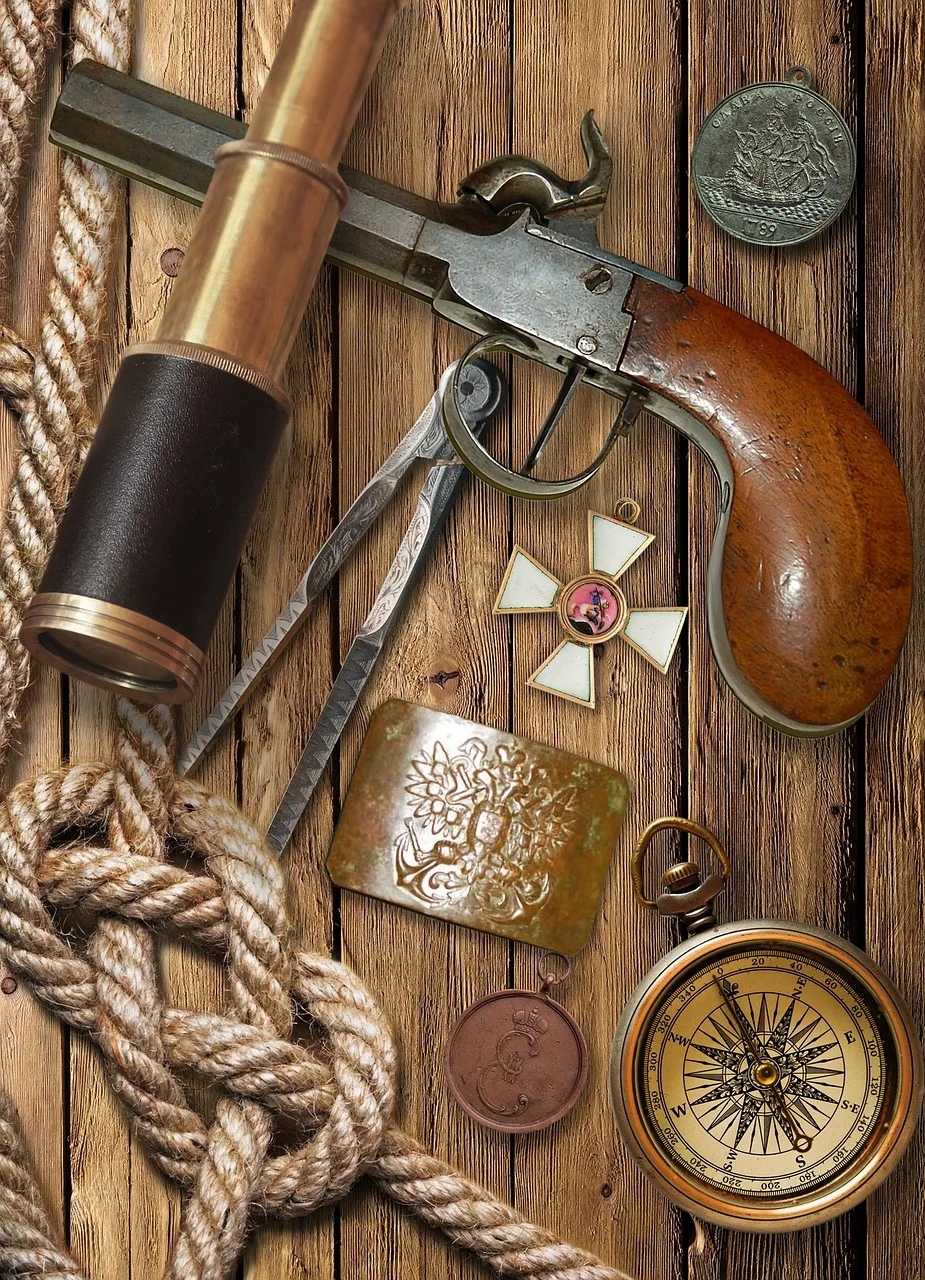
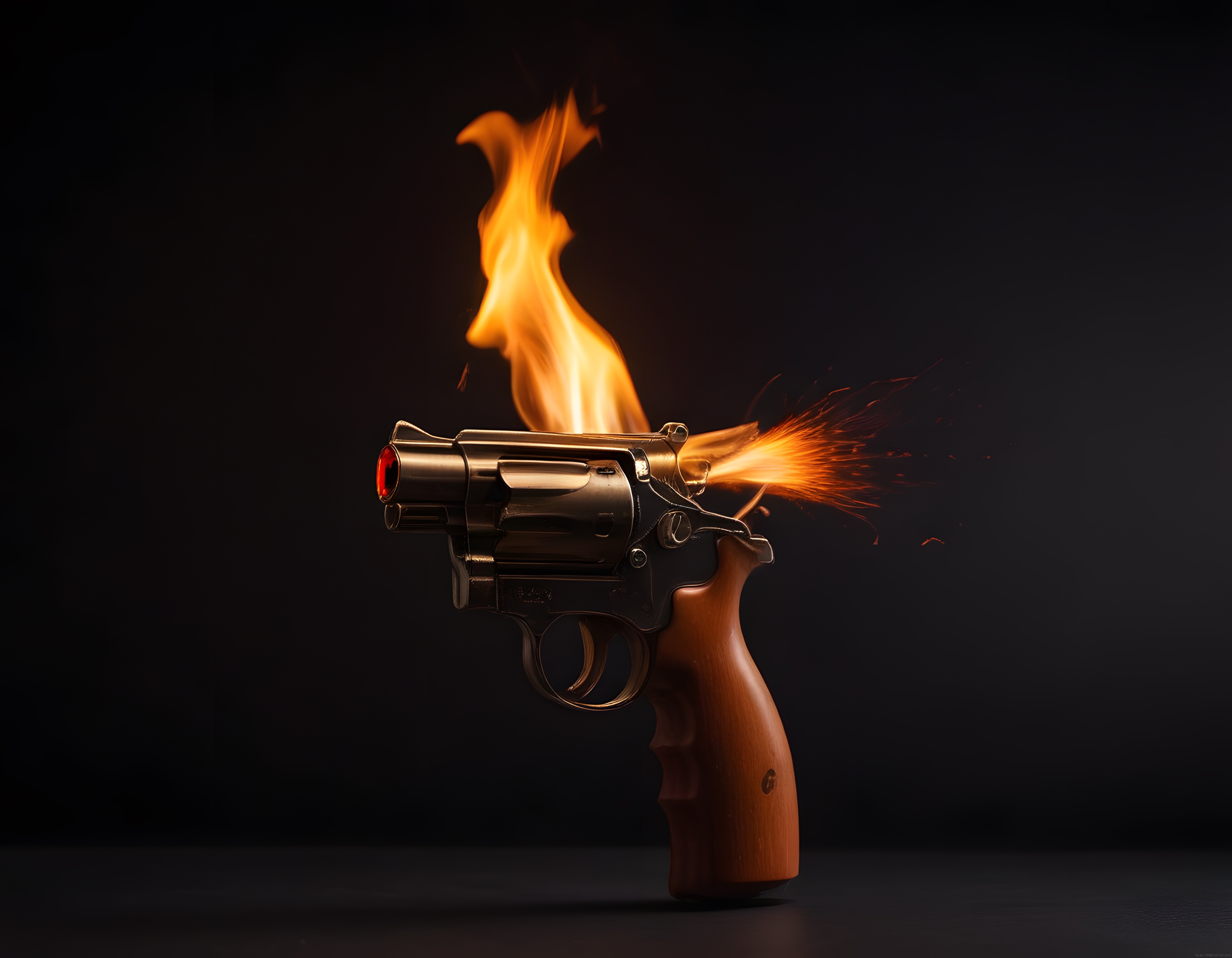
Çekim Tablosu
Belirtme (-i)tabancayı
Yönelme (-e)tabancaya
Bulunma (-de)tabancada
Çıkma (-den)tabancadan
Tamlayan (-in)tabancanın
Çoğul (-ler)tabancalar
Tanım
•isim: Kısa, hafif, cepte veya belde taşınan ateşli silah
•Boyacılıkta kullanılan, basınçlı hava yardımıyla boya püskürtmeye yarayan araç
Diğer Dillerde
A handgun; a gun that is fit to be wielded in a single hand.
çekim: çoğul Faustfeuerwaffen · tamlayan Faustfeuerwaffen
eş: Faustwaffe
köken: From Faust (“fist”) + Feuerwaffe (“firearm”).
Die Waffe. — Tabanca kullanır.
FransızcaPistolet (eril) /pis.tɔ.lɛ/
gun, pistol · spray gun · weird person
çekim: çoğul pistolets
köken: From pistole + -et. Ultimately from Czech píšťala (“whistle”).
aile: pistolet à air, pistolet à air comprimé, pistolet à impulsion électrique, pistolet mitrailleur
Tu rigoles ? Tu trouves ça marrant ? — Stechkin Otomatik Tabanca.
İspanyolcacañón, charpe, disparar, escopeta, fusil, obús (eril) /kaˈɲon/
canyon · cannon · barrel (of a gun), pipe, tube
çekim: çoğul cañones
eş: caño, tubo, caño, cálamo, raquis, boca de fuego
köken: From caño (“tube, pipe”) + -ón (augmentative).
aile: al pie del cañón, bóveda de cañón, cañón de agua, cañón de avancarga, cañón de chimenea, cañón de nieve, cañonear, carne de cañón, escopeta de dos cañones, Gran Cañón
PROYECTILES DE AIRE — CIVATA TABANCALARI
cannon (all senses) · ace (person who excels) · large tube or pipe
çekim: çoğul cannoni
eş: pezzo da artiglieria, bocca da fuoco;, mortaio, obice, bombarda, (riferito a persona
köken: Etymology tree Akkadian 𒂵𒉡𒌑𒌝 (qanûm)bor. Ancient Greek κᾰ́ννᾰ (kắnnă)bor. Latin canna Italian cann(a) Proto-Indo-European *-ōder. Proto-Indo-European *-Hōder.? Latin -ōnem Italian -one Italian cannone From cann(a) (“cane, tube, pipe”) + -one (augmentative suffix).
[sparo] — [tabanca sesi]
[выстрел] — [tabanca sesi]
[طلق ناري] — [tabanca sesi]
pistol, handgun
çekim: çoğul tapançalar · tamlayan tapançanın
köken: Most likely reborrowed from Persian تپانچه (tapânča), from Ottoman Turkish طبانجه (tabanca, “palm of the hand; slap; trigger of a gun; handgun”), derived from طبان (taban, “sole”), corresponding to Azerbaijani daban (“heel”).
pistol, handgun
çekim: çoğul тапаншалар · tamlayan тапаншаның
köken: From Persian تپانچه (tapânče), from Ottoman Turkish طبانجه (tabanca, “pistol, handgun”), which is a derivation of Ottoman Turkish طبان (taban, “sole of a foot/hand”), corresponding to Kazakh табан (taban).
Özbekçetoʻpponcha
Felemenkçegeweer, opdondertje, opdrijven, pistool, vuurwapen (nötr) /ɣəˈʋeːr/
rifle · gun, in particular a long-barrelled one · weapon, arm
çekim: çoğul geweren
köken: From Middle Dutch gewere (“opposition, defense, weapon”). Equivalent to ge- + weren.
aile: aanvalsgeweer, achterlaadgeweer, dienstgeweer, geweerhagel, geweerkolf, geweerloop, geweerpatroon, geweerriem, geweerschot, geweervuur
[geweerschot] — [tabanca sesi]
Hij laadde zijn geweer en legde aan.
Ze is getraind in het gebruik van een geweer.
De jager droeg zijn geweer over zijn schouder.
Portekizceacelerar, arma de fogo, canhão, fuzil, obus /a.se.leˈɾa(ʁ)/
to accelerate (to increase speed or acquire speed, become swift) · to hurry up · to advance
çekim: geçmiş acelerei · ortaç acelerado · şimdiki acelera
köken: Learned borrowing from Latin accelerāre. By surface analysis, a- + célere + -ar.
aile: acelerador, desacelerar
Usa uma pistola. — Tabanca kullanır.
Yunancaκανόνι, περίστροφο, πιστόλι, τουφέκι (nötr)
cannon
çekim: çoğul κανόνια · tamlayan κανονιού
aile: κανονάκι, βαράω κανόνι
[πυροβολισμός] — [tabanca sesi]
gun, a very portable, short weapon, for hand use
köken: Borrowed from English gun.
aile: がんがん
[女たちは歌い続ける] — [tabanca sesi]
pistol, handgun
köken: Sino-Korean word from 拳銃, from 拳 (“fist”) + 銃 (“gun”).
[총성] — [tabanca sesi]
İsveççebössa, gevär, handbössa /²bœsːa/
gun (shooting weapon functioning through stored energy) · any gun: cannon, firearm, flamethrower etc · small box for storing money, like coins, a charity box, a collection box
çekim: çoğul bössor · tamlayan bössas
köken: From Old Swedish byssa, bössa (“rifle, cannon, box”), from Middle Low German büsse (“box, gun”), from Medieval Latin buxis, from Ancient Greek πῠξῐ́ς (pŭxĭ́s), from πῠ́ξος (pŭ́xos, “box wood”). Cognate with bush.
aile: bösskolv, bösskott, dubbelbössa, enkelbössa, flintbössa, fågelbössa, hagelbössa, hakebössa, handbössa, korkbössa
[skotthåll] — [tabanca sesi]
Lehçearmata, działo, podkręcić, rewolwer, strzelba (dişil) /arˈma.ta/
cannon, large gun · penis · navy
çekim: çoğul armaty · tamlayan armaty
köken: Learned borrowing from Latin armāta (“armed”). Until 18th century, denotes only naval fleet (similar to Spanish armada) or artillery.
aile: armatni, strzelać z armaty do muchy
[wystrzał] — [tabanca sesi]
Ukraynacaпістоле́т
Користується пістолетом. — Tabanca kullanır.
handgun; pistol · girl
çekim: çoğul तमंचे
köken: Borrowed from Classical Persian تمنچه (tamanča), from Ottoman Turkish طبانجه (tabanca, “pistol”).
Fincehaupitsi, kiihdyttää, kivääri, pistooli, pyssy, tykki /ˈhɑu̯pitsi/
howitzer
çekim: çoğul haupitsit · tamlayan haupitsin
köken: Borrowed from Swedish haubits.
aile: kenttähaupitsi
[laukaus] — [tabanca sesi]
cannon or large gun
çekim: çoğul děla · tamlayan děla
eş: kanón
köken: Inherited from Proto-Slavic *dělo.
aile: protiletadlové dělo, sněžné dělo, vodní dělo
[výstřel] — [tabanca sesi]
pistol
çekim: çoğul pistoale · tamlayan pistolului
köken: Borrowed from Greek πιστόλι (pistóli).
PIRONUL CAPTIV — CIVATA TABANCALARI
Macarcaágyú, lőfegyver, löveg, pisztoly, puska, stukker /ˈaːɟuː/
cannon
çekim: çoğul ágyúk
köken: Uncertain. Due to its earlier meaning “machine, instrument”, it is commonly suggested to be a borrowing from Proto-Common Turkic *āltag (“device, method; deceit, trick”) through a Turkic language before the times of the Hungarian conquest of the Carpathian Basin (at the turn of the 9th and 10th centuries), making it cognate with ál (“false, fake”).
aile: ágyús, ágyúz, ágyúgolyó, ágyúnaszád, ágyútöltelék, elektronágyú, gépágyú, gulyáságyú, ágyúval lő verébre, süket, mint az ágyú
[fegyverdörrenés] — [tabanca sesi]
אקדחי השבי — CIVATA TABANCALARI
Latincepistōla, pistōlettus (unadapted), pistōlium, sclopetum, sclopētus brevior (nötr) /skɫɔˈpeː.tũː/
rifle · gun; firearm (in general)
çekim: çoğul sclopēta · tamlayan sclopētī
köken: From (onomatopeia) scloppus (“bang!”) + -ētum (alternative form of -ittus/-ittum).
aile: sclopetarius
Janizarii præterea et hoc elogii bellici merentur, sua Sclopeta, bombardas, etc.
smoothbore firearm · gay (homosexual male) · castor, caster (shaker with perforated top)
çekim: çoğul bøsser · tamlayan bøsses
köken: From Middle Low German busse, from Old Saxon *buhsa, from Proto-West Germanic *buhsā.
aile: bøssemager, haglbøsse, jagtbøsse, luftbøsse, bøssebar, bøssepar, bøsserøv, peberbøsse, saltbøsse, sukkerbøsse
[skud] — [tabanca sesi]
Er du bøsse?
Norveççebørse, håndvåpen
Medicens hovedvåpen er makinpistol. — TMP ise bir makineli tabancadır.
Vietnamcađại bác, súng lục, súng ngắn, súng sáu, súng trường /ʔɗaːj˧˨ʔ ʔɓaːk̚˧˦/
cannon
köken: Sino-Vietnamese word from 大礮, composed of 大 and 礮.
[bắn] — [tabanca sesi]
Etimoloji
taban + -ca
Kelime Ailesi
Örnek Cümleler
[tabanca sesi]
[gunshot]
Oyuncak tabanca
Drill purpose rifle Military dummy Toy gun
Tabanca kime ait?
Who does the gun belong to?
Tabanca kullanır.
Uses a pistol.
CIVATA TABANCALARI
CAPTlVE BOLTS
O, tabancaya uzandı.
He reached for the pistol.
Bir tabancan var mı?
Do you own a handgun?
Taser (Şok Tabancası)
Taser
Polis tabancayı çekti.
The policeman drew the revolver.
[tabanca sesi çıkarır]
[imitates gunfire]
Tom tabancasını çekti.
Tom drew his pistol.
Tabanca aniden patladı.
The gun suddenly went off.
İlgili Sorular
Kardeşimin palyaço su tabancasıyla benim sub makinalı tüfeğimin yer değiştirdiğini düşünüyorum, ne yapmalıyım?
Sub makinalı tüfeğim, Bobo palyaçonun süper su tabancasıyla karıştıysa ne yapmalıyım?
Glock 27 şu anda en popüler 40 kalibre tabanca mı, yoksa Taurus 40 kalibre mi?
En çok tercih edilen 40 kalibre tabanca Glock 27 mi, Taurus 40 kalibre mi?
Kiraz aromalı beyzbol tabancası nedir ve nasıl çalışır?
Birleşik Kelimeler
tabanca boyasıtabanca cilasıbeylik tabancaçift tabancamakineli tabancatek tabancatoplu tabancaboya tabancasımantar tabancasıperçin tabancasıpüskürtme tabancasıyarış tabancasızımba tabancası