Sözlük
/parazit
parazit
"parazit" kelimesinin İngilizcesi: parasite, parasite, sponge, sycophant. Anlamı, çevirisi, telaffuzu ve örnek cümleler aşağıdadır.
Çeviri
Genelparasitenoun
Genelparasite
Genelsponge
Genelsycophant
Görsel

Çekim Tablosu
Belirtme (-i)paraziti
Yönelme (-e)parazite
Bulunma (-de)parazitte
Çıkma (-den)parazitten
Tamlayan (-in)parazitin
Çoğul (-ler)parazitler
Tanım
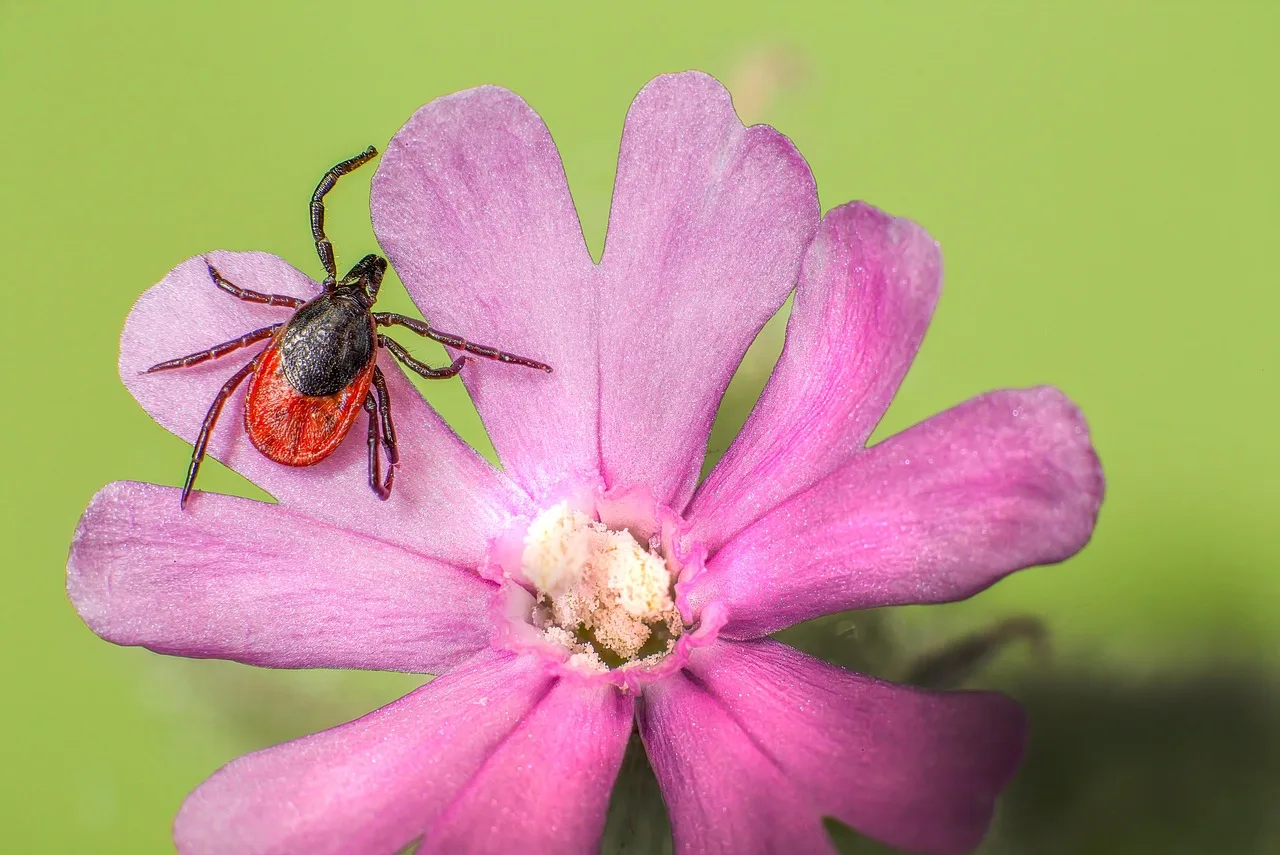
•isim, biyoloji: asalak
•Radyo, televizyon, telsiz vb. aygıtların yayınına karışan yabancı ses veya cızırtı
•mecaz: Herhangi bir işte, olayda sorun çıkaran kimse
Diğer Dillerde
AlmancaParasit, Schmarotzer, schnorren, Schnorrer, Schwamm /paʁaˈziːt/
parasite
çekim: çoğul Parasiten · tamlayan Parasiten
eş: Schmarotzer
köken: From Latin parasītus.
Flecken entfernenimage filter — Parazit Kaldır
Fransızcaéponge, éponger, ivrogne, parasite, profiteur, soulard (dişil) /e.pɔ̃ʒ/
sponge (creature) · sponge (tool for washing)
çekim: çoğul éponges
eş: porifère, spongiaire
köken: Inherited from Middle French esponge, from Old French espoinge (cf. also variant espoigne), from Vulgar Latin *sponga, from Latin spongia, from Ancient Greek σπογγιά (spongiá).
aile: éponge à récurer, éponger, jeter l'éponge, passer l'éponge
Réduire le bruit uniforme — Tekdüze Paraziti Azalt
İspanyolcacafiche, cafichear, comer la sopa boba, esponja, gallofear, gorrón (eril) /kaˈfit͡ʃe/
pimp · sponger, freeloader (especially of women)
çekim: çoğul cafiches
köken: Borrowed from Lunfardo cafisho, of disputed origin. Maybe from the Italian stoccafisso (“catfish, lanky”), or catfish, a slang term they used to refer to cargoes from the trade; compare the Spanish equivalent macarra, of analogous origin
Desparasitarimage filter — Parazit Kaldır
parasitic
çekim: çoğul parassiti
eş: deficitaria, improduttiva, inutile, improduttiva, sfruttatrice, animaletto
köken: From Latin parasītus, from Ancient Greek παράσῑτος (parásītos, “person who eats at the table of another”). Ending reshaped by erroneous analogy with the suffix -ita, from Ancient Greek -ῑ́της (-ī́tēs).
Smacchiaimage filter — Parazit Kaldır
Rusçaбиол. паразит
Уменьшить однородный шум — Tekdüze Paraziti Azalt
خفّض Uniform نويْز — Tekdüze Paraziti Azalt
freeloader
çekim: çoğul müftəxorlar · tamlayan müftəxorun
köken: From müftə + -xor.
aile: müftəxorluq
sponge
çekim: çoğul губкалар · tamlayan губканың
köken: Borrowed from Russian гу́бка (gúbka).
Özbekçegubka
Felemenkçeparasiet, parasiet, profiteur, klaploper, uitvreter (eril) /ˌpaː.raːˈsit/
parasite (parasitic organism) · parasite, someone who relies on others to get things done
çekim: çoğul parasieten
köken: Borrowed from Middle French parasite, from Latin parasitus, from Ancient Greek παράσιτος (parásitos). First attested in the 16th century. The sense “parasitic organism” is a semantic loan from French parasite.
aile: broedparasiet, nestparasiet, parasitisch, wondparasiet, zwakteparasiet
Ontspikkelenimage filter — Parazit Kaldır
Luizen, vlooien en andere vampiers zijn bloedergerlijke parasieten.
parasite · leech
çekim: çoğul parasitas
köken: From Latin parasitus, from Ancient Greek παράσιτος (parásitos, “person who eats at the table of another”).
aile: parasitar
Remoção de Errosimage filter — Parazit Kaldır
Yunancaπαράσιτο, σφογγίζω, σφουγγάρι (nötr)
parasite · parasite, freeloader
çekim: çoğul παράσιτα · tamlayan παρασίτου
köken: Substantivization of the Ancient Greek παράσιτος (parásitos) by calque of the French parasite.
image filter — Parazit Kaldır
sponge, the artificial or natural material used to soak up water
köken: From English sponge.
非斑化 — Parazit Kaldır
Korece기생충 /kisʰɛŋt͡ɕʰuŋ/
parasite
köken: Sino-Korean word from 寄生蟲.
니리사 (ニリーサー): 귀찮아하는 사람. — Parazit (argo): Sorun çıkarıcı kimse.
우리 몸 속에 있는 기생충의 알
parasite (a (generally undesirable) living organism that exists by stealing the resources needed by another (generally desirable) living organism) · a parasite (person who lives on other people's efforts or expense and gives little or nothing back)
çekim: çoğul parasiter · tamlayan parasits
Ytutjämnaimage filter — Parazit Kaldır
a person who lives on other people's efforts or expense; a freeloader; a parasite
çekim: çoğul darmozjady · tamlayan darmozjada
eş: niebieski ptak, pasożyt, pieczeniarz, truteń, darmojad, łuszczybochenek
köken: From darmo + zjadać.
Usuwanie plamek — Parazit Kaldır
Ukraynacaдармої́д
Очищення від шумуimage filter — Parazit Kaldır
parasite
çekim: çoğul परजीवियों
köken: Sanskritic formation from पर- (par-, “other, foreign”) + -जीवी (-jīvī, “living on, living off”).
aile: परजीविता, परजैविक
Finceehkäisysieni, kärki, loinen, parasiitti, pesusieni, puhdistaa sienellä /ˈehkæi̯syˌsie̯ni/
sponge (form of contraception)
çekim: çoğul ehkäisysienet · tamlayan ehkäisysienen
köken: ehkäisy + sieni
Siinä ei ole häiriöitäkään. — Artık parazit bile yapmıyor.
Çekçecizopasník, houba, houbovec, mořská houba, příživník (eril) /ˈt͡sɪzopasɲiːk/
parasite · parasite, sponger, freeloader
çekim: çoğul cizopasníci · tamlayan cizopasníka
eş: parazit, příživník
köken: From cizo- + pást + -ník. Compare Slovak cudzopasník. Also compare Polish pasożyt.
aile: cizopasnictví
image filter — Parazit Kaldır
Rumenceburete, parazită, spongie (eril) /buˈrete/
sponge (cleaning item) · sponge (sea creature) · a species of mushroom
çekim: çoğul bureți · tamlayan buretelui
köken: Inherited from Latin bōlētus, probably through an intermediate Vulgar Latin root *boletis. Ultimately from Ancient Greek βωλίτης (bōlítēs).
aile: buretieră, buretos
image filter — Parazit Kaldır
Macarcaélősködő, parazita, szivacs, szivacsanyag /ˈeːløːʃkødøː/
present participle of élősködik
çekim: karşılaştırma élősködőbb · üstünlük legélősködőbb
köken: élősködik + -ő
Némelyik fajuk legyek parazitoidja. — Bazı türleri parazittir.
İbraniceטַפִּיל, ספג, סְפוֹג, פָּרָזִיט
to absorb ("to suck up or drink in"). · to absorb ("to include so that it no longer has separate existence"). · to receive something negative.
çekim: geçmiş סָפַגְתָּ
köken: Formed in Mishnaic times from סְפוֹג (s'fóg, “sponge”), from Ancient Greek σπόγγος (spóngos) or σφόγγος (sphóngos).
הפחתה של רעש אחיד — Tekdüze Paraziti Azalt
הסרט ספג הרבה ביקורות רעות.
Latinceparasīta, parasītor, parasītus, spongia /ˈspɔŋ.ɡi.a/
sponge · pumice, or other things resembling a sponge.
çekim: çoğul spongiae · tamlayan spongiae
köken: Borrowed from Ancient Greek σπογγῐᾱ́ (spongĭā́), from Ancient Greek σπόγγος (spóngos). Doublet of fungus, both ultimately borrowed from the same substrate source.
aile: spongiō, spongiōsus, spongius
Dancasvamp /svamp/
sponge · fungus · mushroom, toadstool
çekim: çoğul svampe · tamlayan svamps
köken: From Old Danish swamp, from Old East Norse svampr, from Proto-Germanic *swampaz (“sponge, fungus”), variant of *swammaz, from Proto-Indo-European *swombʰ- (“sponge, tree-fungus, swamp”).
aile: brandsvamp, gærsvamp, hatsvamp, hussvamp, natursvamp, rustsvamp, skimmelsvamp, stinksvamp, svampebog, svampecreme
Despeckleimage filter — Parazit Kaldır
drikke som en svamp
gå svamp i noget
Norveççeparasitt
De lever som parasitter i marine miljøer. — Denizlerde yaşayan omurgasız hayvanlarda iç parazit olarak yaşarlar.
Endonezcebunga karang, spons
sponge (animal)
çekim: çoğul bunga-bunga karang
köken: From bunga (“flower”) + karang (“coral”).
Mereka tidak menyeluruh parasit. — Onlar basit parazitler değil.
Vietnamcabọt biển, kí sinh trùng, vật ký sinh /ʔɓɔt̚˧˨ʔ ʔɓiən˧˩/
sponge
köken: bọt + biển.
giảm nhiễu đồng dạng — Tekdüze Paraziti Azalt
Etimoloji
Fransızca
Eş & Zıt Anlamlılar
Eş anlamlılar
Örnek Cümleler
Parazit Kaldır
Despeckle
Parazit olarak
Parasite host
Tekdüze Paraziti Azalt
Reduce Uniform Noise
O şeyler parazitlerdir!
Those things are parasites!
Bazı türleri parazittir.
Some plant species are parasitic.
Onlar basit parazitler değil.
They're not thoroughgoing parasites.
Kurguda genetik Kurgudaki parazitler
Genetics in fiction Parasites in fiction
Sıtma paraziti tarafından üretiliyor.
It's produced by the malaria parasite and it's a very interesting crystalline substance.
Molalar çokça parazit taşımakla şöhretlidir.
Molas are infamous for carrying tons of parasites.
Sen, sosyal parazitten başka bir şey değilsin.
You're nothing more than a social parasite!
Bunlar parazitik veya saprotrofik olabilirler.
They can be parasitic or saprotrophic.
SINR, sinyal / parazit artı gürültü oranıdır .
SINR is the signal-to-interference-plus-noise ratio.
İlgili Sorular
İnsan malarya paraziti ve Anopheles vektörünün yaşam döngüsü ilk kez hangi bilim insanı tarafından açıklanmıştır?
İnsan malarya paraziti ile Anopheles arasındaki yaşam tarihçesini ilk kez kim açıklamıştır?
Parazit (yuvarlak kurt, halk kurdu vb.) bulaştıktan sonra ilaç almazsak bu parazitler vücudumuzda kalıcı olur mu?
Birisi yuvarlak kurt gibi parazitler alırsa, ilaç kullanmazsa vücutlarında kalır mı?
İnsan malarya parazitinin Anopheles içinde yaşam tarihçesini ilk kez kim ortaya koymuştur?