Sözlük
/ocak
ocak
"ocak" kelimesinin İngilizcesi: stove, fireplace, oven, grate, hearthstone. Anlamı, çevirisi, telaffuzu ve örnek cümleler aşağıdadır.
Çeviri
Genelstovenoun
Genelfireplacenoun
Genelovennoun
Genelgrate
Genelhearthstone
Genelhearth
Genelheater
Genelfurnace
Genelfireplace
Genelfornax
Genelhearth
Geneljanuary
Genelkiln
Geneloven
Genelfamily
Genelfireplace
Genelfornax
Genelhearth
Geneljanuary
Genelkiln
Geneloven
Genelfamily
Genelfamily
Genelfireplace
Genelfornax
Genelhearth
Geneljanuary
Genelkiln
Geneloven
Görsel



Çekim Tablosu
Belirtme (-i)ocağı
Yönelme (-e)ocağa
Bulunma (-de)ocakta
Çıkma (-den)ocaktan
Tamlayan (-in)ocağın
Çoğul (-ler)ocaklar
Tanım
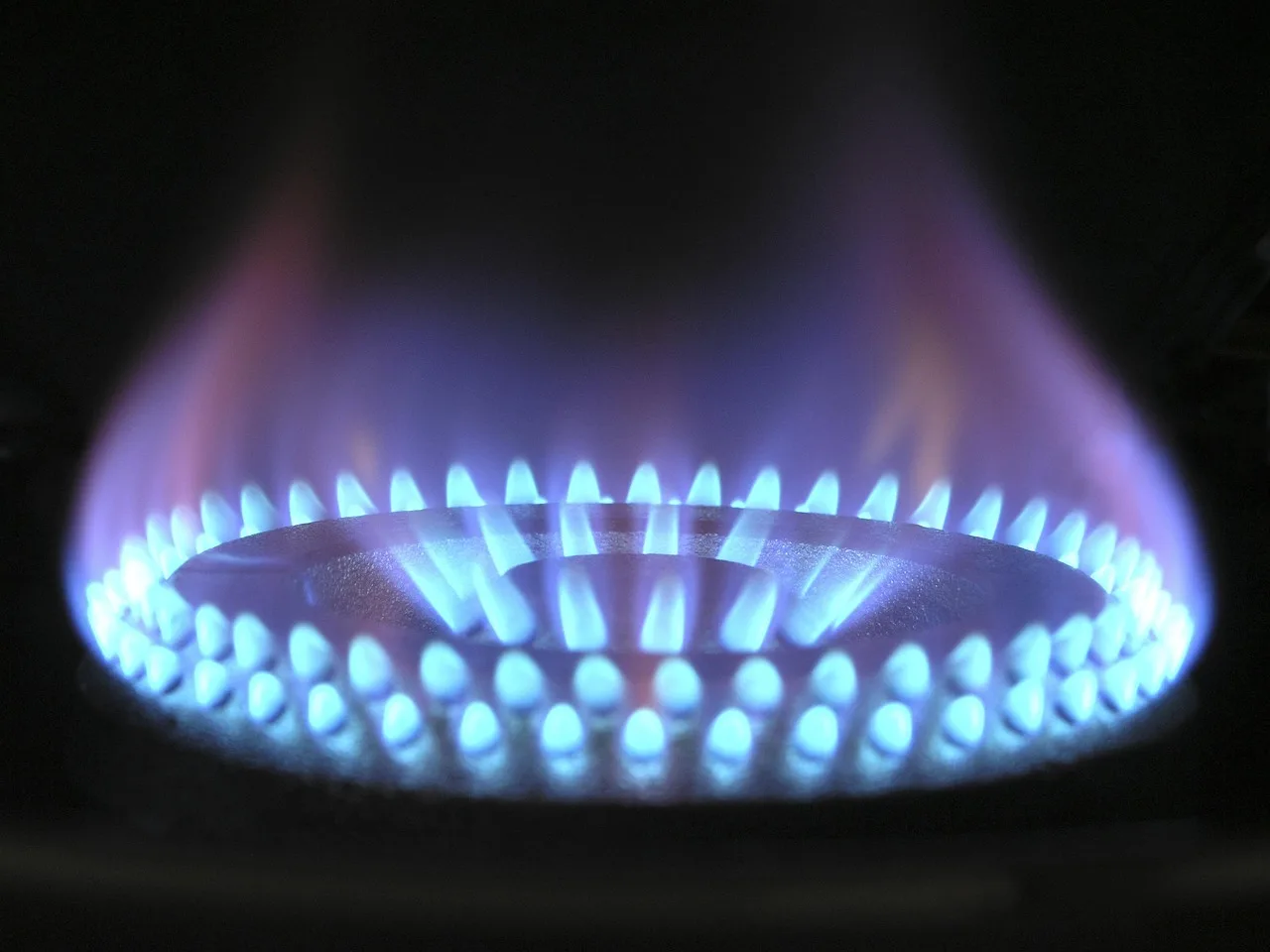
•isim: Ateş yakmaya yarayan, pişirme, ısıtma, ısınma vb. amaçlarla kullanılan yer; ocaklık
•şömine
•Isı vererek üzerine veya içine konulan maddeleri ısıtan, pişiren, kaynatan, eriten araç veya alet
•Kahvelerde, kuruluşlarda çay, kahve vb.nin yapıldığı yer
•Yer üstünde veya yer altında cevher çıkarılan yer
•Bahçelerde veya bostanlarda her tür meyve ve sebze tohumu veya fidesinin dikimi için etrafı yükseltilerek ortası çukur bırakılmış yer
Diğer Dillerde
AlmancaBergwerk, Grube, Zeche, Familie, Dynastie, Feuerstelle, Herd, Ofen, Gartenbeet, Pflanzung, hartung, Heim (eril)
January
çekim: çoğul Hartunge · tamlayan Hartungs
eş: Hartmond, Hartmonat, Eismonat, Schneemonat, Wintermonat, Januar
köken: Derived from hart (“hard”) from the ground being frozen and hard.
10. Januar. — 10 Ocak.
Der Hartung ist der kälteste Monat.
Fransızcafour, fourneau, janvier, Janvier, La cheminée (âtre) (eril) /fuʁ/
oven · stove · flop
çekim: çoğul fours
köken: Inherited from Middle French four, from Old French four, forz, forn, from Latin furnus, from Proto-Italic *fornos, from Proto-Indo-European *gʷʰr̥-nós, from *gʷʰer- (“warm, hot”).
aile: au four, avoir une brioche au four, enfourner, être au four et au moulin, faire un four, four à micro-ondes, gant de four, noir comme dans un four, petit four
26 janvier. — 26 Ocak.
İspanyolcaenero (eril) /eˈneɾo/
January
çekim: çoğul eneros
köken: Attested since 1171. From Old Spanish janero, jenero, from Vulgar Latin ienuārius, from Classical Latin Iānuārius (“(month) of Janus”), from Iānus (“Roman god of doorways”), from iānua (“passage”), from Proto-Indo-European *h₁ey- (“to go”) or Proto-Indo-European *yeh₂-; cf. Sanskrit यान (yāna). Cognates with English January, Italian gennaio, French janvier and Portuguese janeiro to name few, see…
aile: cuesta de enero
Enero. — Ocak .
İtalyancagennaio (eril) /d͡ʒenˈna.jo/
January
köken: From Vulgar Latin ienuārius, from Latin Iānuārius.
Rusça(мужское имя), печь, плита, январь (eril) /(j)ɪnˈvarʲ/
January
çekim: çoğul январи́ · tamlayan января́
eş: генварь
köken: Borrowed from Old Church Slavonic генварь (genvarĭ), генуарии (genuarii), from Byzantine Greek Γενάρης (Genárēs), Ἰανουάριος (Ianouários), from Latin Iānuārius, from Latin Iānus (“god in Rome mythology”), from (perhaps) Proto-Indo-European *ei- (“to go”).
Holonyms: зима́ (zimá), год (god)
в январе́
в январе́ э́того го́да
Arapçaكانون الثاني, يناير (eril)
January (Solar calendar used in Syria, Lebanon, Palestine, Jordan, and Iraq)
köken: From Classical Syriac ܟܢܘܢ ܒ.
family
çekim: çoğul ailələr · tamlayan ailənin
köken: Borrowed from Arabic عَائِلَة (ʕāʔila).
aile: ailəvi
ailə qurmaq
descendant · dynasty
çekim: çoğul әулеттер · tamlayan әулеттің
köken: From Arabic أَوْلاد (ʔawlād).
family
çekim: çoğul oilalar · tamlayan oilaning
köken: Borrowed from Arabic عَائِلَة (ʕāʔila).
family
çekim: çoğul гаиләләр · tamlayan гаиләнең
köken: Borrowed from Arabic عَائِلَة (ʕāʔila, “family”). Cognate with Bashkir ғаилә (ğailə).
cooker, stove (kitchen appliance consisting of a cooktop and an oven)
çekim: çoğul fornuizen
eş: kookfornuis
köken: From Middle Dutch forneise, fornoise, from Old French fornaise, from Latin fornāx.
aile: fornuiskachel, gasfornuis, inductiefornuis, kolenfornuis
Portekizceo mês de janeiro
Yunancaγεναρησ, ιανουαριοσ
family; household; clan
eş: 人家, 室, 家, 家子, 家室, 家庭
aile: 大家族, 家族企業, 家族企业, 家族史
a homosexual male; gay, fag, queer, poof · a (male) person with an obsession for something, märkesbög ("brand fag"), prylbög ("gadget fag") · a prison informant, in the compound golbög; snitch, rat
çekim: çoğul bögar · tamlayan bögs
eş: homosexuell, gay, akterseglare, bajspackare, böckling, fikus
köken: Uncertain: * One proposed source is månsing bög (“dupe”). * Another is French bougre (“scoundrel”), from Medieval Latin Bulgarus (“heretic”). * also compare dialectal böj (“leather bag”).
aile: böghög, bögporr, bögsex, bögslunga, bögtest, knacka bög, nybög, rånbögmörda, spännbög, svennebög
Jag är bög
Det är ingen idé att du stöter på honom. Han är bög.
Vi hamnade på en bögklubb
Lehçefamilijny, piec, piekarnik, ród, rodzina, rodzinny /fa.miˈlij.nɘ/
casual, chummy, cosy, familiar · family (suitable for children and adults)
eş: rodzinny, rodowy
köken: Etymology tree Latin familialbor. Polish familia Proto-Indo-European *-nós Proto-Balto-Slavic *-inas Proto-Slavic *-ьnъ Old Polish -ny Polish -ny Polish familijny From familia + -ny.
oven
çekim: çoğul пе́чі · tamlayan пе́чі
köken: From Middle Ukrainian пѣчъ (pič), from Old East Slavic печь (pečĭ), from Proto-Slavic *peťь, from Proto-Balto-Slavic *pektís, from Proto-Indo-European *pékʷtis, from *pekʷ-.
aile: мікрохвильова́ піч
family
çekim: çoğul कुटुंबों
köken: Borrowed from Sanskrit कुटुम्ब (kuṭumba). Doublet of कुड़मा (kuṛmā) and कुनबा (kunbā).
tribe · a traditional historical and cultural subgroup of Finnic peoples (often within what is now considered the Finnish people); best translated as nation · family
çekim: çoğul heimot · tamlayan heimon
köken: From Proto-Finnic *haimo (compare Estonian hõim), borrowed from Proto-Baltic *šáimas (compare Latvian saime), from Proto-Indo-European *ḱóymos, *tḱóymos.
aile: heimolainen, Heimonen, heimous, aboriginaaliheimo, alaheimo, alkuasukasheimo, alkuperäisheimo, barbaariheimo, beduiiniheimo, Erkinheimo
January
çekim: çoğul ledny · tamlayan ledna
köken: Inherited from Old Czech leden, from Proto-Slavic *ledьnъ. By surface analysis, led (“ice”) + -en.
aile: lednový
Narodil jsem se šestého ledna roku 1981.
oven · July (seventh month of the Gregorian calendar)
çekim: çoğul cuptoare · tamlayan cuptorului
köken: Inherited from Vulgar Latin *coctōrium (“casserole, pan”), probably from Latin coctor (“cook”), from coquō. Compare also Albanian koftor, Italian cottoio, Catalan cuitor.
family
çekim: çoğul családok
köken: Borrowed from a Slavic language, compare Czech čeleď; from Proto-Slavic *čeľadь. Doublet of cseléd (“servant”).
aile: családbeli, családi, családos, családostul, családtalan, családú, családalapítás, családanya, családapa, családbarát
İbraniceמִשְׁפָּחָה, משפחתי, תַּנּוּר
family, familial: of or pertaining to a family, or to families
köken: From מִשְׁפָּחָה (mishpakhá, “a family”) + ־י (-í).
oven · bakery
çekim: çoğul furnī · tamlayan furnī
köken: From Proto-Italic *fornos, from earlier xʷornos, from Proto-Indo-European *gʷʰr̥-nós, from *gʷʰer- (“warm, hot”). Cognate with Old Irish gorn, Proto-Slavic *gъrnъ, Albanian zjarr, Old Armenian ջերմ (ǰerm). Related to formus.
aile: fornello, forredhu, furredhu, *furnellus, furneḍḍu, fourneau, hornillo, furnel, fornell, fornèl
Dancaæt, familie-, ovn /ˈɛˀd̥/
family, descent · class (group of persons with similar ethnic or social characteristics)
çekim: çoğul ætter · tamlayan æts
köken: From Old Norse ætt, átt (“family, race, direction”), from Proto-Germanic *aihtiz (“possession, property”), cognate with Old English ǣht, Old High German ēht, and Gothic 𐌰𐌹𐌷𐍄𐍃 (aihts). Derived from the verb Proto-Germanic *aiganą (“to possess”).
Etimoloji
Osmanlı Türkçesi اوجاق sözcüğünden devralındı. Ana Türkçe *ōtčak sözcüğünden devralındı. od *ōt'tan geliyor
Deyimler
Eş & Zıt Anlamlılar
Örnek Cümleler
Bugün 2 Ocak.
Today is January 2nd.
Ocak 1906:col.
January 1906:col.
Ocak/Şubat 2004.
January / February 2004.
Yılın ilk ayı Ocaktır.
The first month of the year is January.
Tom elini ocakta yaktı.
Tom burned his hand on the stove.
Bu bir kocakarı masalı.
That's an old wives' tale.
Ocak ayında karımız var.
We have snow in January.
Ocak takvimin ilk ayıdır.
January is the first month of the calendar.
Tom ocakta çorba yapıyor.
Tom is making soup on the stove.
1 Ocak sabahı neredeydin?
Where were you on the morning of January the 1st?
Ben 2 Ocak 1968'de doğdum.
I was born on January 2 in 1968.
Ocak yılın birinci ayıdır.
January is the first month of the year.
İlgili Sorular
Taş Çağı'ndan Demir Çağı'na geçişteki kültürel aşamaları detaylandırır mısınız? Cevabı 31 Ocak 2006 Salı gününden önce alabilir miyim?
BSNL Dataone hizmeti 10 Ocak'ta başlatılırsa, Ocak ayında ücretsiz kullanım sınırı ne olur?
Juneau, Alaska’da bir Ocak gününde saat 21:00'de sıcaklık 2°F idi ve 23:00'de 5 derece düşmüş. 23:00'deki sıcaklık değeri nedir?
1 Ocak 2006'dan 1 Mayıs 2006'ya kadar gerçekleşen doğal felaketleri içeren bir tablo hazırlamam gerekiyor, yardımcı olur musunuz?
AVG Free Edition'ın son kullanma tarihi Ocak 2007 olarak bildirildi. Yeni bir sürümün kurulması gerekiyor mu ve bu sürüm ücretsiz mi olacak?
İlgili / Bileşik Terimler
Geneljanuary uprising
Birleşik Kelimeler
ocak ağasıocak anasıocakayıocak beytülmalcisiocak bezirgânıocak boşaltıcısıocak bucakocak çekirgesiocak erkânıocakeşeğiocak halkıocak kaşıocak katıocak kâtibiocak sanatıocak sehpasıocak siperiocak takımıocak taşıkör ocakod ocakacemi ocağıaile ocağıasker ocağıaş ocağıbaba ocağıBostancı Ocağıçay ocağıdeprem ocağıelektrik ocağıgaz ocağıHumbara Ocağıispirto ocağıkahve ocağıkireç ocağıkum ocağımaden ocağıparti ocağısağlık ocağıtaş ocağı