Sözlük
/meyve
meyve
"meyve" kelimesinin İngilizcesi: fruit, berry, fruit. Anlamı, çevirisi, telaffuzu ve örnek cümleler aşağıdadır.
Çeviri
Bilimfruitnoun
Genelberry
Genelfruit
Görsel
Çekim Tablosu
Belirtme (-i)meyveyi
Yönelme (-e)meyveye
Bulunma (-de)meyvede
Çıkma (-den)meyveden
Tamlayan (-in)meyvenin
Çoğul (-ler)meyveler
Tanım
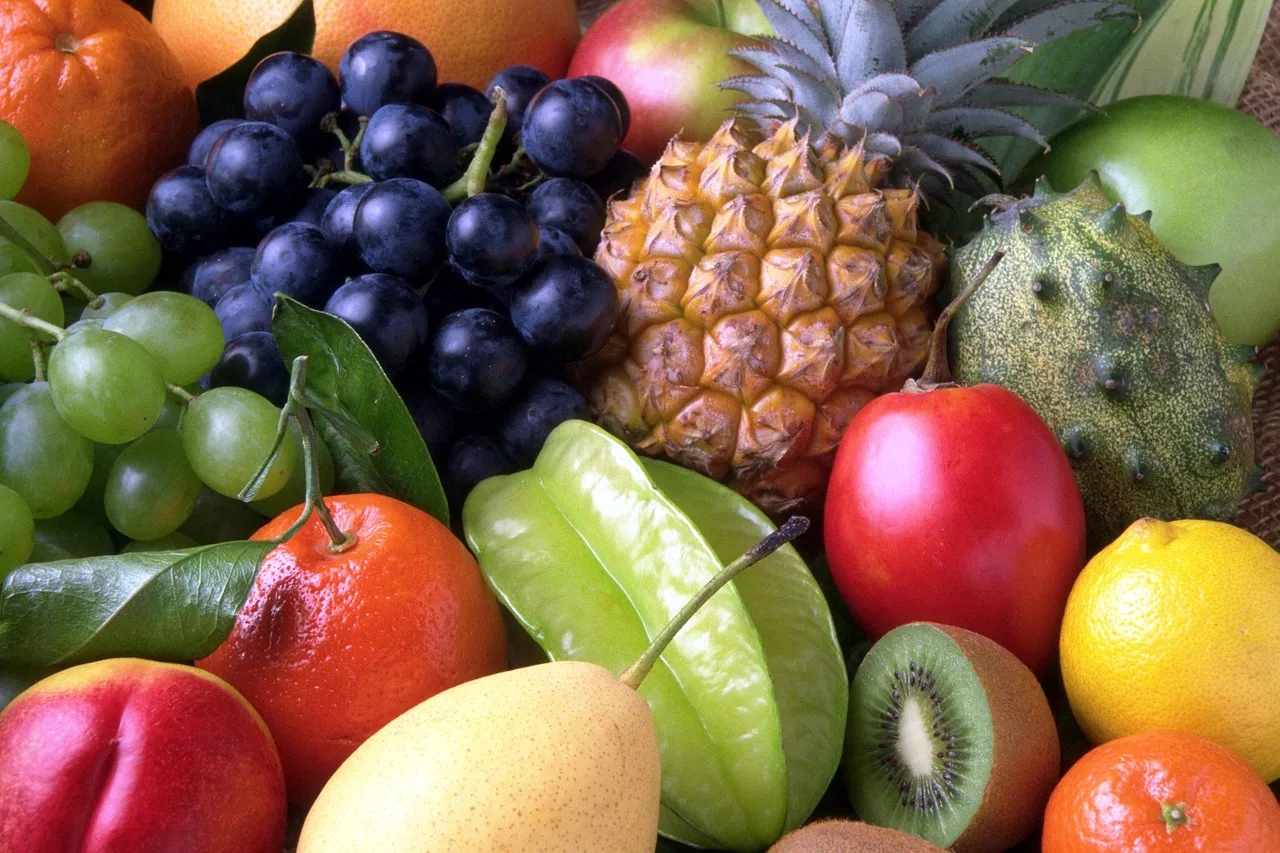
•isim, bitki bilimi: Bitkilerde çiçeğin döllenmesinden sonra yumurtalığın gelişmesiyle oluşan tohumları taşıyan, genellikle yenebilen organ; yemiş
•mecaz: ürün
Atasözü & Deyim
“Meyve veren ağaç taşlanır”
“Ağacın meyvesi olunca, başını aşağı salar”
“Her ağacın meyvesi olmaz”
“Meyveli ağacı taşlarlar”
“Sabır acıdır, meyvesi tatlıdır”
Diğer Dillerde
fruit (seed-bearing part of a plant) · harvest, crop, produce, particularly of cereal · result, effect, fruit
çekim: çoğul Früchte · tamlayan Früchte
eş: Obst, Embryo, Fetus, Fötus, Feldfrucht
köken: From Middle High German fruht, vruht, from Old High German fruht, from Proto-West Germanic *fruht (“fruit”). Cognate with Alemannic German Frucht, Hunsrik Frucht.
aile: fruchten, fruchtig, fruchtbar
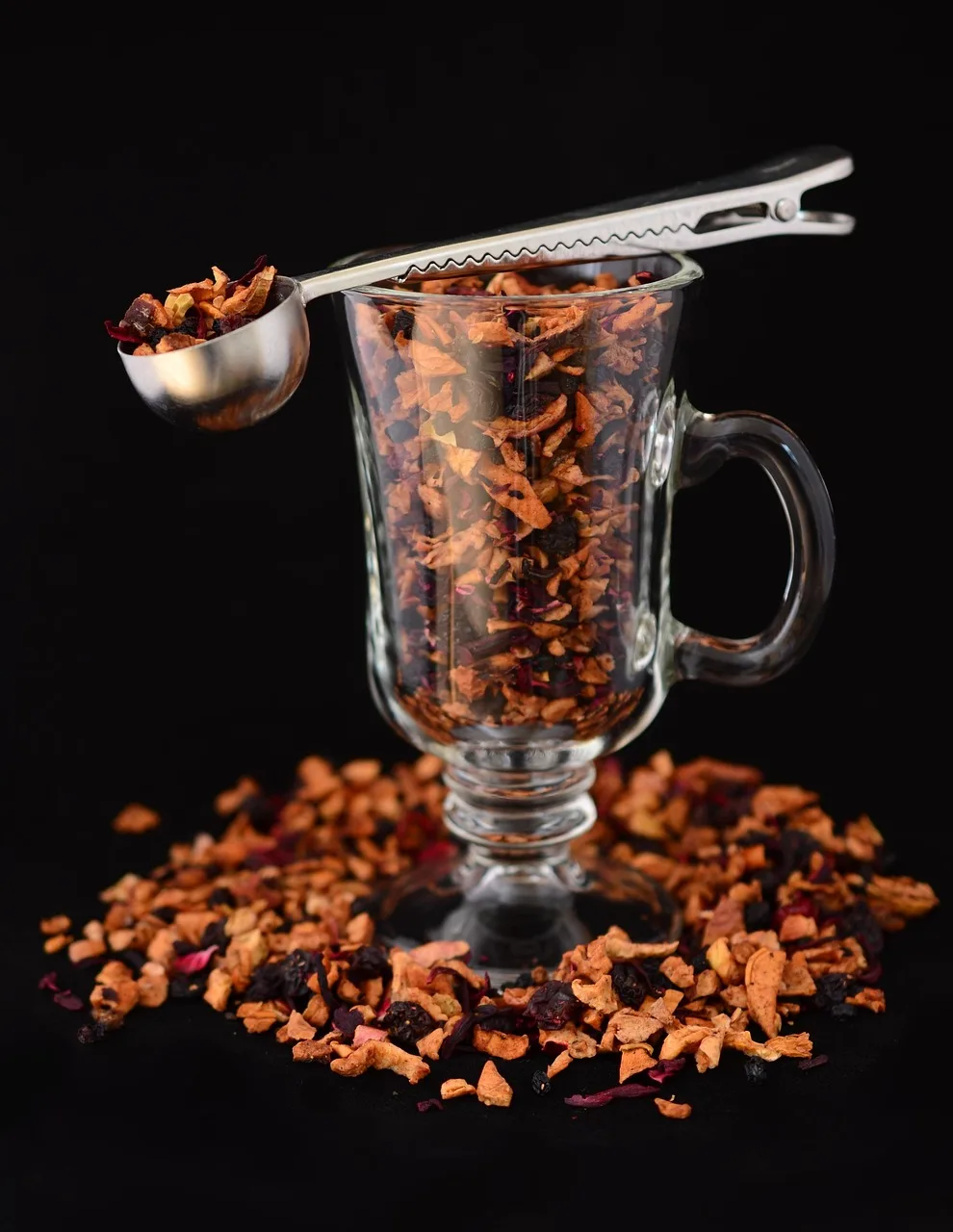
Früchtetee — Meyve Çayı
Viele Früchte sind rot.
Im August wird die Frucht des Feldes eingefahren.
die Frucht unserer Bemühungen
FransızcaFruit (eril) /fʁɥi/
fruit
çekim: çoğul fruits
eş: enfant, avantage, bénéfice, conséquence, effet, produit
köken: Inherited from Middle French fruict, a Latinized spelling of Old French fruit, from Latin fruitus (“enjoyment, proceeds, profits, produce, income”), frūctus, a derivative of fruor (“have the benefit of, to use, to enjoy”).
aile: c'est au fruit que l'on connaît l'arbre, couteau à fruit, fruit à coque, fruit de la passion, fruit de mer, fruit défendu, fruit du dragon, fruit sec, fruiterie, fruitier
Thé aux fruits — Meyve Çayı
berry (a small fruit)
çekim: çoğul bayas
köken: Borrowed from French baie. Cognate with English bay (“bay leaf, bay laurel”).
aile: baya de enebro, baya de junípero, baya del saúco, picabayas
Té de frutas — Meyve Çayı
İtalyancafrutta (dişil) /ˈfrut.ta/
fruit (food) · a fruit
çekim: çoğul frutte
köken: From Late Latin fructa, from Latin fructus.
aile: coltello da frutta, frutta a guscio, frutta secca, frutta candita, fruttaiolo, fruttarismo, fruttarlo
Tè di frutta — Meyve Çayı
L'arancia è un tipo di frutta.
Oggi c'è tanta frutta.
La frutta è importante quanto la verdura nella dieta di ogni giorno.
Rusçaплод, фрукт
Фруктовый чай — Meyve Çayı
شاي الفواكه — Meyve Çayı
present stem form of باریدن (bâridan, “to rain”)
köken: See below.
aile: آتشبار, اشکبار, خون بار, گهربار, بارش
Azericegilə, giləmeyvə, meyvə /ɟiˈlæ/
a single grape, grape berry · a singe grain (of a pommegranade); aril · berry in general (small succulent fruit, of any one of many varieties)
çekim: çoğul gilələr · tamlayan gilənin
fruit · result, product, fruit
çekim: çoğul жемістер · tamlayan жемістің
eş: мәуе
köken: From Proto-Turkic *yẹ̄miĺč (“vegetable, fruit”).
Özbekçemeva, mevali, reza meva
fruit
çekim: çoğul mevalar
köken: Inherited from Chagatai میوه (mewä), borrowed from Classical Persian میوَه (mēwa).
berry
çekim: çoğul җиләкләр · tamlayan җиләкнең
köken: From Proto-Turkic *yegelek. Compare to Southern Altai јилек (ǰilek), Kazakh жидек (jidek).
Сания апа суга бара, / Алма-алма чиләге. / Чиләгенә караганда, / Үзе кура җиләге.
Portekizcebaga, bicha, frutinha (dişil) /ˈba.ɡɐ/
berry (soft fruit which develops from a single ovary and contains seeds not encased in pits)
çekim: çoğul bagas
köken: Inherited from Latin bāca (“berry; fruit”).
aile: bagalhão, baguinha, baga-da-praia, baga-de-louro
Chá de Frutos — Meyve Çayı
fruit, grain
çekim: çoğul καρποί · tamlayan καρπού
köken: Inherited from Ancient Greek κᾰρπός (kărpós, “fruit, grain”).
aile: ξηρός καρπός
Τσάι φρούτων — Meyve Çayı
Japonca果物 /kɯ̟da̠mo̞no̞/
edible fruit that grows on trees or shrubs, such as oranges and apples, rather than those growing along the ground, such as strawberries and melons · 女房言葉 (nyobō kotoba) for 柑子 (kōji) or 蜜柑 (mikan, “Mandarin orange”) · sweets
eş: フルーツ
köken: Literally “tree's thing”. Originally a compound of 木 (ku, “tree”, irregular shift from ancient ko pronunciation) + だ (da, possessive marker between two nouns, only found in a few compounds) + 物 (mono, “thing”). The medial da is also seen in 獣 (kedamono, “beast”, literally “hairy thing”). The kanji is jukujikun (熟(じゅく)字(じ)訓(くん)).
aile: 果物屋, 果物籠
フルーツティー — Meyve Çayı
fruit · apple · Chinese pearleaf crabapple (Malus asiatica)
eş: 果, 水果, 水果兒, 水果, 鮮果, 水果
aile: 果子凍, 果子冻, 果子園, 果子园, 果子栽, 果子汁, 果子狸, 果子貓, 果子猫, 果子酒
果肉呈黃色。 — Meyvesi sarıdır.
耶和華說:「誰告訴你赤身露體呢?莫非你吃了我吩咐你不可吃的那樹上的果子嗎?」
耶和华说:「谁告诉你赤身露体呢?莫非你吃了我吩咐你不可吃的那树上的果子吗?」
fruit
eş: 과실
köken: From Middle Korean 과ᅀᅵᆯ (kwazil), from Sino-Korean 과실 (果實, kwasil, “fruit”).
과일차 — Meyve Çayı
과일에는 많은 비타민이 들어 있다.
그 촉촉한 과일 요리는 아주 맛있다.
yield (of a crop), profit, gain, interest (of a capital), return, increase, fruit
çekim: çoğul avkastningar · tamlayan avkastnings
köken: From av- + kasta + -ning.
Fruktte — Meyve Çayı
skära din vingård och inbärga avkastningen av landet
Nominellt belopp plus 5 årliga avkastningar.
Lehçehomoś, jagoda, owoc, owocować, zaowocować (eril) /ˈxɔ.mɔɕ/
pansy, swish, fruit, poof, queer (male homosexual)
çekim: çoğul homosie · tamlayan homosia
eş: gej, homoseksualista, homo, homek, kochający inaczej, wesołek
köken: Clipping of homoseksualny + -ś.
Herbata owocowa — Meyve Çayı
Ukraynacaплід /plʲid/
fruit
çekim: çoğul плоди́ · tamlayan плода́
köken: From Proto-Slavic *plodъ.
Фруктовий чай — Meyve Çayı
fruits · result, outcome
çekim: çoğul फलों
köken: Etymology tree Proto-Dravidian *paẓamder.? Sanskrit फल (phala) Ashokan Prakrit 𑀨𑀮 (phala) Prakrit 𑀨𑀮 (phala) Hindi फल Inherited from Prakrit 𑀨𑀮 (phala), from Sanskrit फल (phála), commonly considered a borrowing from Proto-Dravidian *paẓam (“ripe fruit”). Cognate with Gujarati ફળ (phaḷ), Nepali फल (phal), Marathi फळ (phaḷ), Marwari फळ (phaḷ).
वह पक्का फल खाने में अच्छा था।
उसने अपने परिश्रम के फल का उपभोग किया।
Fincehedelmä, hinttari, hintti, marja /ˈhedelmæ/
fruit (part of plant; food) · fruit (results)
çekim: çoğul hedelmät · tamlayan hedelmän
köken: From Proto-Finnic *häidelmä (compare Votic edʹdʹõlmo), a derivation of Proto-Finnic *häici (see it and heisi for more). Attested since the time of Mikael Agricola (output c. 1543–1552).
aile: hedelmistään puu tunnetaan, hedelmäinen, hedelmällinen, hedelmätön, hedelmistö, hedelmys, hedelmöidä, hedelmöittää, hedelmöityä, epähedelmä
Hedelmätee — Meyve Çayı
Hedelmät ovat tärkeä osa terveellistä ruokavaliota.
Maͤrcke Syyſſ / ia pehme maa. tulee / quin palio hedhelme iaka.
kantaa hedelmää
berry (a small fruit)
çekim: çoğul bobulí · tamlayan bobulí
köken: Borrowed from Slovak bobuľa.
Ovocný čaj — Meyve Çayı
berry
çekim: çoğul bace · tamlayan bace
köken: Borrowed from Italian bacca.
Ceai de fructe — Meyve Çayı
berry · pill, tablet
çekim: çoğul bogyók
köken: From Old Hungarian bolo (almost certainly *boló), from Proto-Uralic *pola. Cognates include Southern Mansi po̰l, Northern Mansi пил (pil), Komi-Zyrian пул (pul, “cowberry”), Finnish puola (“cowberry”). The dialectal variants indicate the sound change *l > ʎ > j > gy.
aile: bogyójú, bogyózik, csipkebogyó, csodabogyó, olívabogyó
Gyümölcstea — Meyve Çayı
תה פירות — Meyve Çayı
Latinceacinus, bāca, catamītus, fructifico, frūctus, frūgēs /ˈa.kɪ.nʊs/
a berry, especially the grape. · the seed of a berry.
çekim: çoğul acinī · tamlayan acinī
köken: From the same root of acus (“needle, pin”), due to the presence of a sharp seed inside the grape, or perhaps, per De Vaan, because grape seeds are rather bitter.
aile: dūracinus
Etimoloji
Osmanlı Türkçesi میوه sözcüğünden devralındı
Eş & Zıt Anlamlılar
Örnek Cümleler
Meyve ye!
Eat fruit!
Meyve var.
There is fruit.
Meyve Çayı
Fruit Tea
En az meyve
MinFruit
Meyve yiyin!
Eat fruits!
Bu bir meyve.
It's a fruit.
Meyvemiz var.
We have fruit.
Bir meyvedir.
There will be a fruit.
Meyve oluşumu
Fruit set
Meyve çürümüş.
The fruit went bad.
O meyve yiyor.
She's eating fruit.
Meyve sepette.
The fruit is in the basket.
İlgili Sorular
Hangi meyve en faydalısıdır?
En iyi meyve hangisidir?
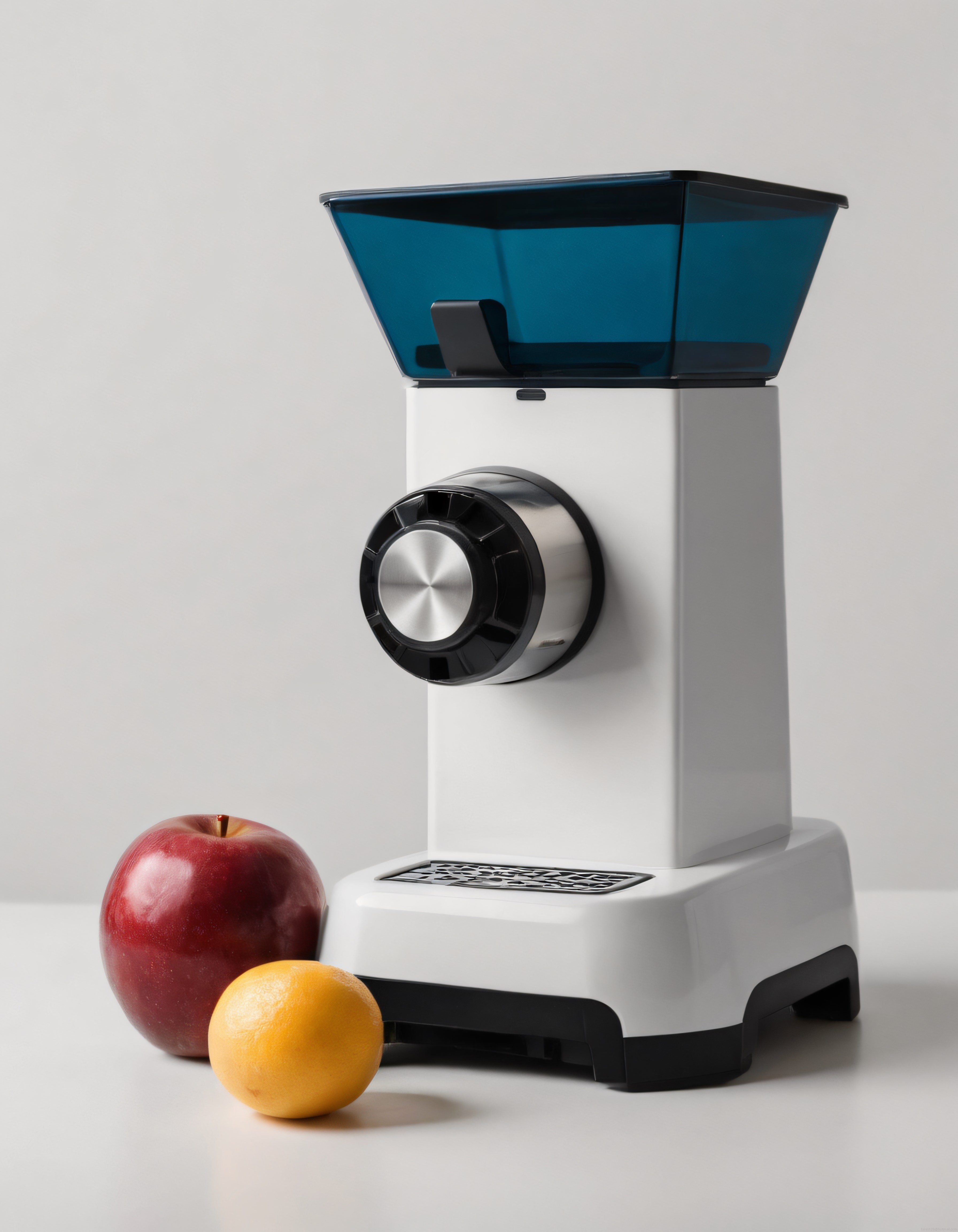
Günlük dört kez meyve sıkmak için dayanıklı bir meyve sıkacağı arıyoruz; önerileriniz var mı?
"Heavy duty" özellikte bir meyve sıkacağı ihtiyacımız var, tavsiyelerinizi bekliyoruz. Günde dört kez meyve sıkıyoruz.
Yoğun kullanım için "heavy duty" bir meyve sıkacağı arıyoruz, önerileriniz nelerdir? Günde 4 kez meyve sıkıyoruz.
İlgili / Bileşik Terimler
Geneljuice
Genelfruit juice
Genelfruit tree
Genelfruit salad
Genelfruit juice
Birleşik Kelimeler
meyve ağacımeyve bahçesimeyve dışımeyve ezmesimeyvehoşmeyve içimeyve kabuğumeyve ortasımeyve reçelimeyve salatasımeyve sıkacağımeyve sineğimeyve suyumeyve şekerimeyve yaprakbaklamsı meyvebuğdaysı meyveetli meyveincirsi meyvekapçık meyvekuru meyvememnu meyvesebze meyve toptancısıyalancı meyveyasak meyvezeytinsi meyveejder meyvesi