Sözlük
/lavabo
lavabo
"lavabo" kelimesinin İngilizcesi: washbasin, commode, washbasin, washbasin. Anlamı, çevirisi, telaffuzu ve örnek cümleler aşağıdadır.
Çeviri
Genelwashbasinnoun
Genelcommode
Genelwashbasin
Genelwashbasin
Görsel
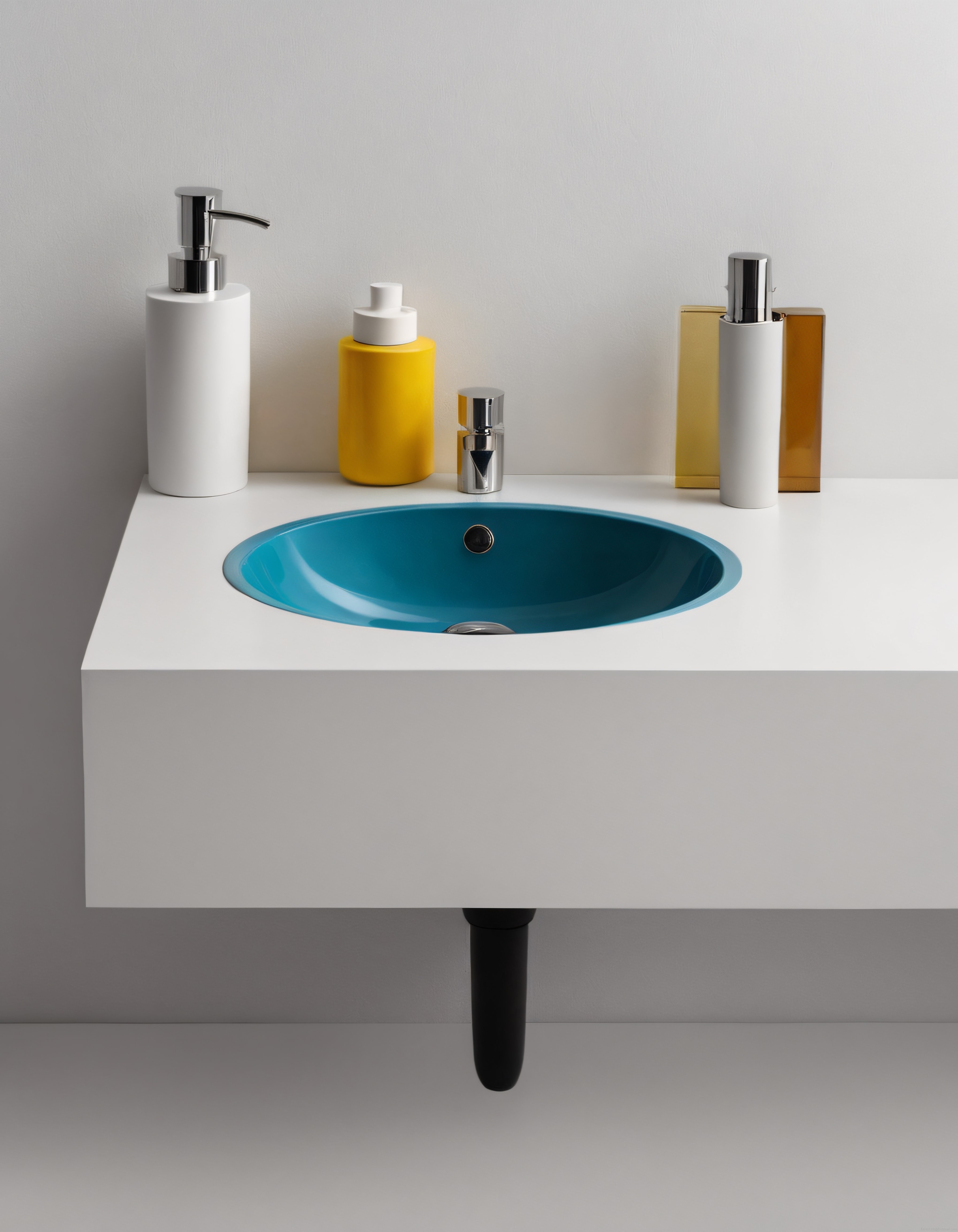
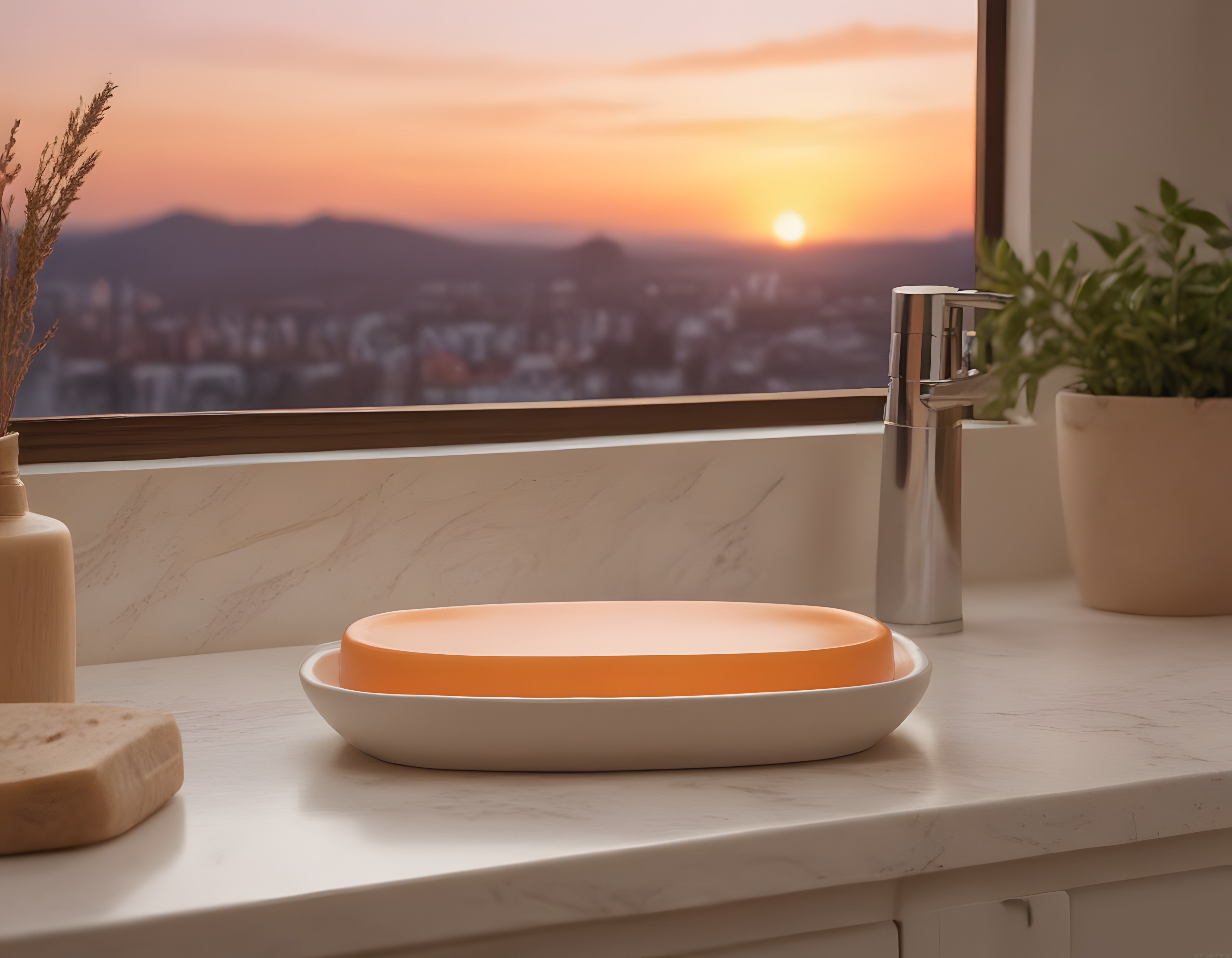
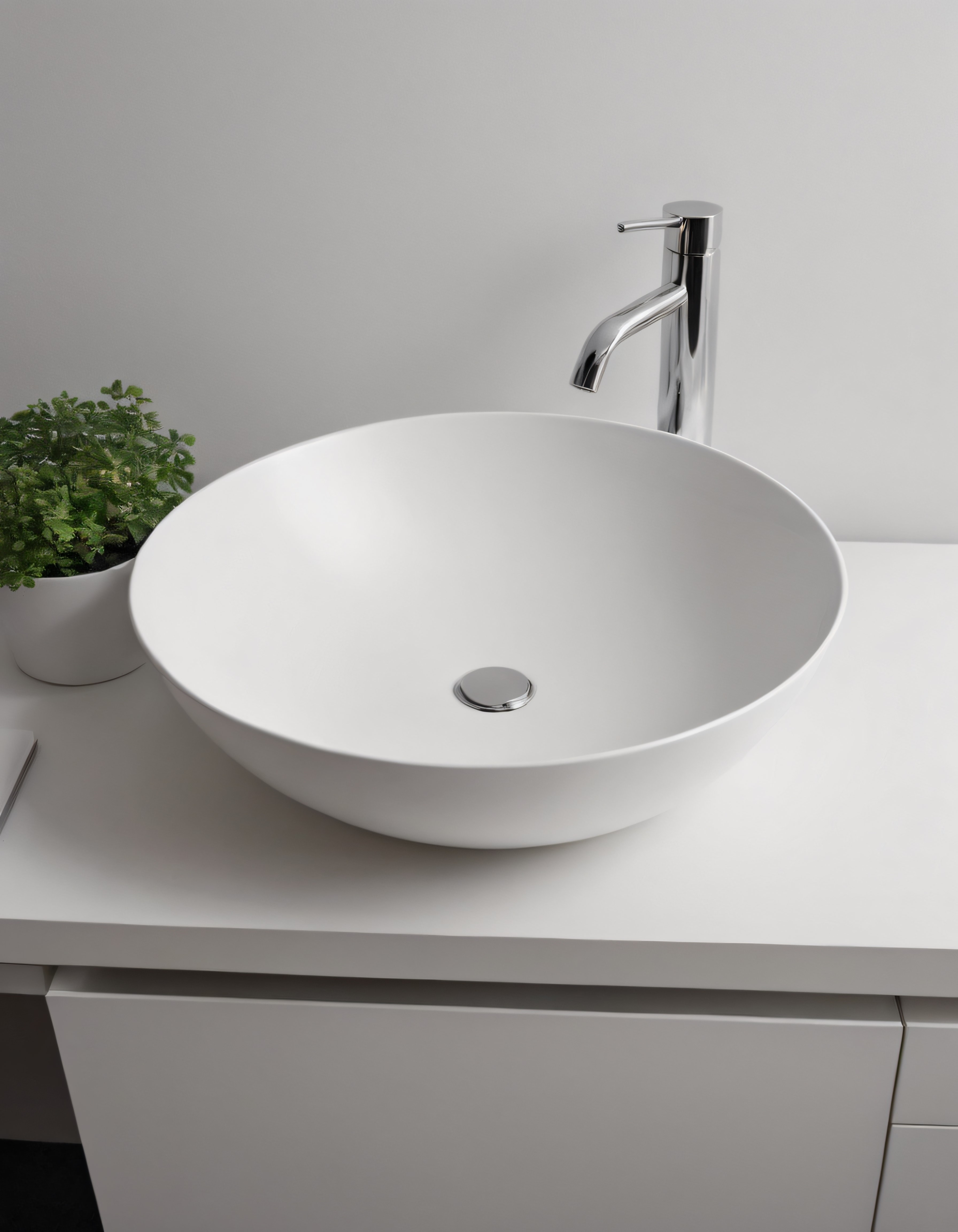
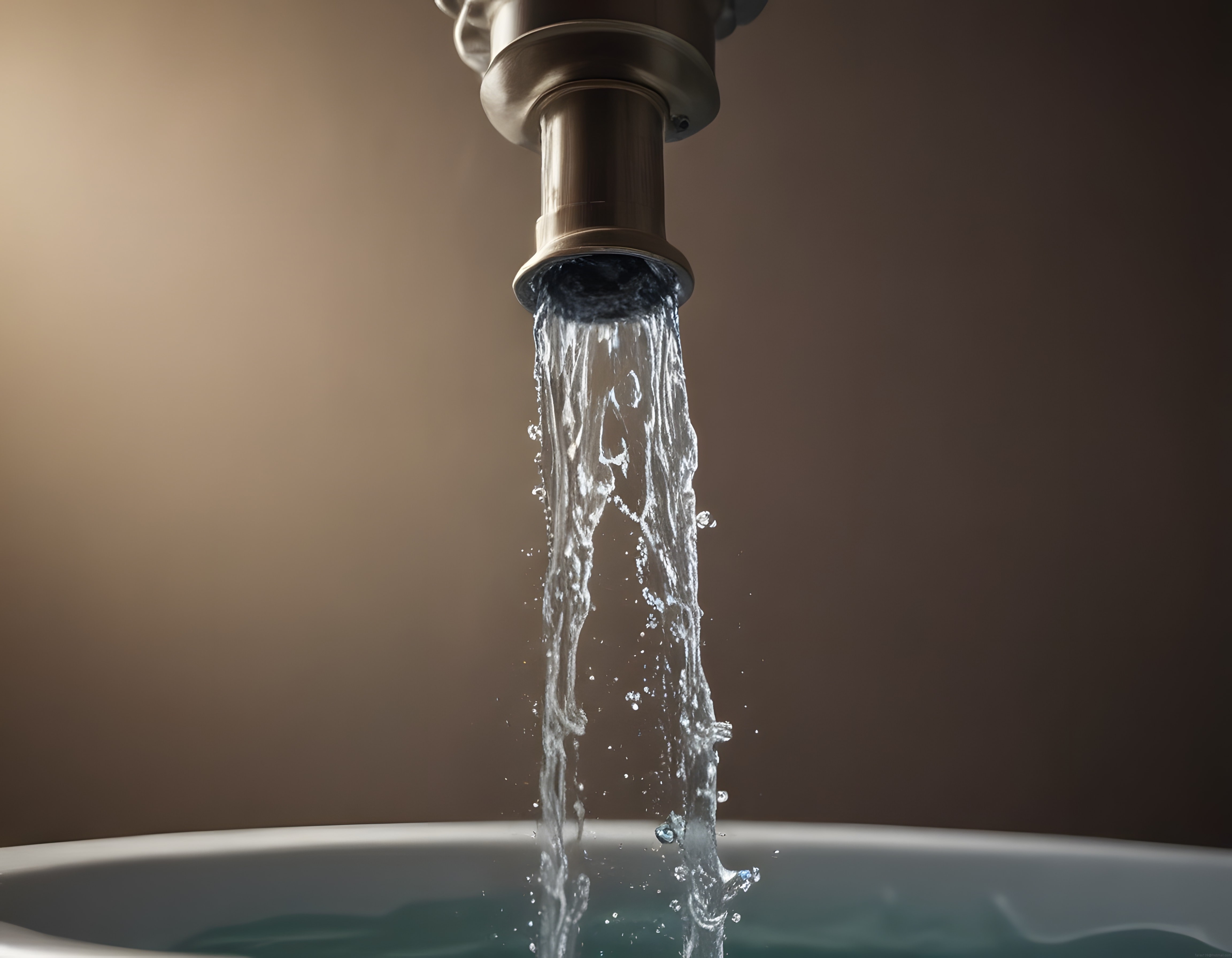
Çekim Tablosu
Belirtme (-i)lavaboyu
Yönelme (-e)lavaboya
Bulunma (-de)lavaboda
Çıkma (-den)lavabodan
Tamlayan (-in)lavabonun
Çoğul (-ler)lavabolar
Tanım
•isim: Üzerinde su muslukları bulunan, porselen, emaye, sac vb.nden yapılmış, el, yüz, bulaşık yıkamaya yarar, çukur yer veya eşya; musluk
•mecaz: Lokanta, gar vb. yerlerde bu düzenin bulunduğu yer
•mecaz: tuvalet
Diğer Dillerde
AlmancaKommode, Waschbecken, Waschschüssel (dişil) /kɔˈmoːdə/
chest of drawers
çekim: çoğul Kommoden · tamlayan Kommoden
köken: Borrowed from French commode.
Das Metall der Spüle ist leitend. — Lavabodaki metal iletken.
FransızcaÉvier, lavabo, Salle de bain. Cabinet de toilette (eril) /e.vje/
sink, basin
çekim: çoğul éviers
eş: sink
köken: Inherited from Old French evier, ewer, inherited from Latin aquārium. Doublet of aquarium, a later borrowing.
Le métal dans l'évier est conducteur. — Lavabodaki metal iletken.
chest of drawers
çekim: çoğul cómodas
El metal del fregadero es conductor. — Lavabodaki metal iletken.
İtalyancaacquaio, angoliera, canterano, cantoniera, cesso, gabinetto (eril) /akˈkwa.jo/
a kitchen sink, a sink
çekim: çoğul acquai
eş: lavandino, lavello, lavabo, lavatoio, secchiaio
köken: Inherited from Latin aquārium. By surface analysis, acqua + -aio. Doublet of the borrowed acquario.
Il metallo nel lavandino è un conduttore. — Lavabodaki metal iletken.
умывальник, раковина, рукомойник
Раковина сделана из проводящего металла. — Lavabodaki metal iletken.
حتى حوض المطبخ. — Mutfak lavabosuna bile.
Azericeəlüzyuyan
washstand, washhand-stand
çekim: çoğul əlüzyuyanlar · tamlayan əlüzyuyanın
köken: Present participle compound of əl-üz + yumaq.
Özbekçeumivalʼnik
washbasin
çekim: çoğul wasbakken
eş: wastafel
köken: Compound of wassen + bak.
Het metaal van de gootsteen is geleidend. — Lavabodaki metal iletken.
Portekizcepia (dişil) /ˈpi.ɐ/
sink (basin with a drain) · a sink and adjacent counter · a basin for holding water, in particular one that is furniture or part of the building rather than a movable object
çekim: çoğul pias
köken: From Old Galician-Portuguese pia, from Latin pīla (“mortar”).
Sob pesado fardo do amor que eu afundar. — Aşk ağır bir yük altında lavabo.
Deixe o prato na pia, mas não dentro.
pia batismal
Yunancaνιπτήρας (eril)
washbasin, sink
çekim: çoğul νιπτήρες · tamlayan νιπτήρα
köken: Borrowing from the accusative plural form of Ancient Greek νιπτήρ (niptḗr, “washbasin”).
Ο μεταλικός νιπτήρας είναι αγώγιμος. — Lavabodaki metal iletken.
washbasin
köken: By surface analysis, 洗面(せんめん) (senmen) + 台(だい) (-dai).
シンクの金属は 電気を通しますから — Mutfak lavabosuna bile.
basin (bowl for washing)
köken: First attested as Late Old Korean 大耶 in the Jīlín lèishì (鷄林類事 / 계림유사), 1103. From Chinese 大匜. First attested in the Hunminjeong'eum haerye (訓民正音解例 / 훈민정음해례), 1446, as Middle Korean 다야〮 (Yale: tàyá).
부엌 싱크대에도 가능하죠. — Mutfak lavabosuna bile.
İsveççehandfat, kommod, lavoar, tvättställ (nötr)
a sink, a washbasin (basin, primarily intended for hygiene)
çekim: çoğul handfats · tamlayan handfats
köken: hand + fat
Vänta ett tag, jag måste gå på toaletten. — Bekle, Lavaboya gitmem gerek.
Lehçeumywalka (dişil) /u.mɘˈval.ka/
basin, washbasin (basin used for washing, particularly a permanently installed sink, fitted with a water supply and a drain, for washing the hands and face)
çekim: çoğul umywalki · tamlayan umywalki
köken: Etymology tree Polish umyć Proto-Slavic *-vati Old Polish -wać Polish -wać Polish umywać Proto-Slavic *-aľь Polish -al Proto-Indo-European *-keh₂der. Proto-Balto-Slavic *-kāˀ Proto-Slavic *-ъka Old Polish -ka Polish -ka Polish -alka Polish umywalka From umywać + -alka.
Metal przewodzi prąd. — Lavabodaki metal iletken.
Ukraynacaумива́льник
Метал у раковині є провідником. — Lavabodaki metal iletken.
Hintçeचिलमची (dişil)
sink, basin, washbasin (typically made of metal) · the part of the hookah fixed under the chillum · chillum user
çekim: çoğul चिलमचियाँ
चिलमची बरदार
sink, washbasin
çekim: çoğul lavuaarit · tamlayan lavuaarin
köken: From Swedish lavoar, from French lavoir.
Käyn vessassa. — Bekle, Lavaboya gitmem gerek.
Çekçeumyvadlo (nötr) /ˈumɪvadlo/
basin, washbasin, sink
çekim: çoğul umyvadla · tamlayan umyvadla
köken: From umývat + -dlo.
Vydrž, potřebuju si dojít na WC. — Bekle, Lavaboya gitmem gerek.
Rumencechiuvetă (dişil)
sink, basin, washbasin, washbowl
çekim: çoğul chiuvete · tamlayan chiuvete
köken: Borrowed from French cuvette.
Metalul din chiuvetă este conductor. — Lavabodaki metal iletken.
Macarcakomód, mosdókagyló /ˈkomoːd/
commode (a low chest of drawers)
çekim: çoğul komódok
köken: Borrowed from German Kommode (“chest of drawers”). First attested in 1774.
aile: komódos
Menj a mosdóba? — Lavaboya mı gitsem?
İbraniceכִּיּוֹר
אפילו לכיור במטבח. — Mutfak lavabosuna bile.
Latinceaquālis, pollubrum, trulleum (nötr) /pɔlˈluː.brũː/
A washbasin, a laver
çekim: çoğul pollūbra · tamlayan pollūbrī
köken: From polluō (“to pollute”) + -brum.
Dancavask
washing · wash · sink
çekim: çoğul vaske · tamlayan vasks
köken: From vaske.
aile: bilvask, etagevask, gulvvask, hjernevask, håndvask, hårvask, kogevask, køkkenvask, maskinvask, storvask
Kunsten af spise over håndvasken." — Lavabonun Üzerinde Yeme Sanatı."
Norveççeservant, vaskeservant
Jay kjører vekk, og sovner ved en strand. — Rory, sabah uyanır ve lavaboya gider.
Endonezcewastafel /wasˈtafəl/
washbasin
çekim: çoğul wastafel-wastafel
köken: Borrowed from Dutch wastafel.
Sebentar, aku mau ke kamar kecil — Bekle, Lavaboya gitmem gerek.
Vietnamcala-va-bô /laː˧˧ vaː˧˧ ʔɓo˧˧/
washbasin
köken: From French lavabo.
Kim loại trong bồn rửa bát dẫn điện — Lavabodaki metal iletken.
Bulgarcaмивка, скрин, тоалетна, умива́лник (dişil) /ˈmifkɐ/
basin, washbasin (basin used for washing, particularly a permanently installed sink, fitted with a water supply and a drain, for washing the hands and face)
çekim: çoğul ми́вки
köken: ми́я (míja, “to wash”) + -вка (-vka)
Изкуството да ядеш над мивката." — Lavabonun Üzerinde Yeme Sanatı."
Etimoloji
Fransızca
Eş & Zıt Anlamlılar
Örnek Cümleler
Lavaboya mı gitsem?
Go to the washroom?
Ben lavabo arıyorum.
I am looking for the lavatories.
Lavabo taşmak üzere.
The sink is almost overflowing.
Lavabo taştı taşacak.
The sink is almost overflowing.
Lavabo pis ve tıkanık.
The sink is dirty and clogged.
Banyo lavabosu tıkalı.
The bathroom sink is plugged.
Lavaboda sünger gördüm.
I saw the sponge in the sink.
Tom lavaboyu temizledi.
Tom scrubbed the sink.
Lavaboyu ben temizledim.
I scrubbed the sink.
Tom lavabo kapısını çaldı.
Tom knocked on the lavatory door.
Lavabodaki boru tıkalıydı.
The drain in the washbasin is blocked.
Tom tavayı lavaboya koydu.
Tom put the pan in the sink.
İlgili Sorular
Hotdog standı için ocak ve lavaboya benzer yedek parçaları nereden alabilirim?
Hotdog arabamı yeni kurdum, yanıcı ve lavabo parçalarını satın alabileceğim yerler nereler?
Yeni bir hotdog arabam var, ocak, lavabo gibi parçaları nereden temin edebilirim?
Güney yarımkürede bir lavabodaki su, drenajda nasıl bir yön izler?
Az önce bir hotdog sepeti aldım, yanıcı ve lavabo parçalarını nereden bulabilirim?
İlgili / Bileşik Terimler
Genelwhere is toilet
Birleşik Kelimeler
lavabo bataryasılavabo musluğu