Sözlük
/lahana
lahana
/la.ˈhɑ.nɑ/
noun
C1 seviye
TR → EN
"lahana" kelimesinin İngilizcesi: cabbage, cabbage. Anlamı, çevirisi, telaffuzu ve örnek cümleler aşağıdadır.
Çeviri
Genelcabbagenoun
Genelcabbage
Görsel
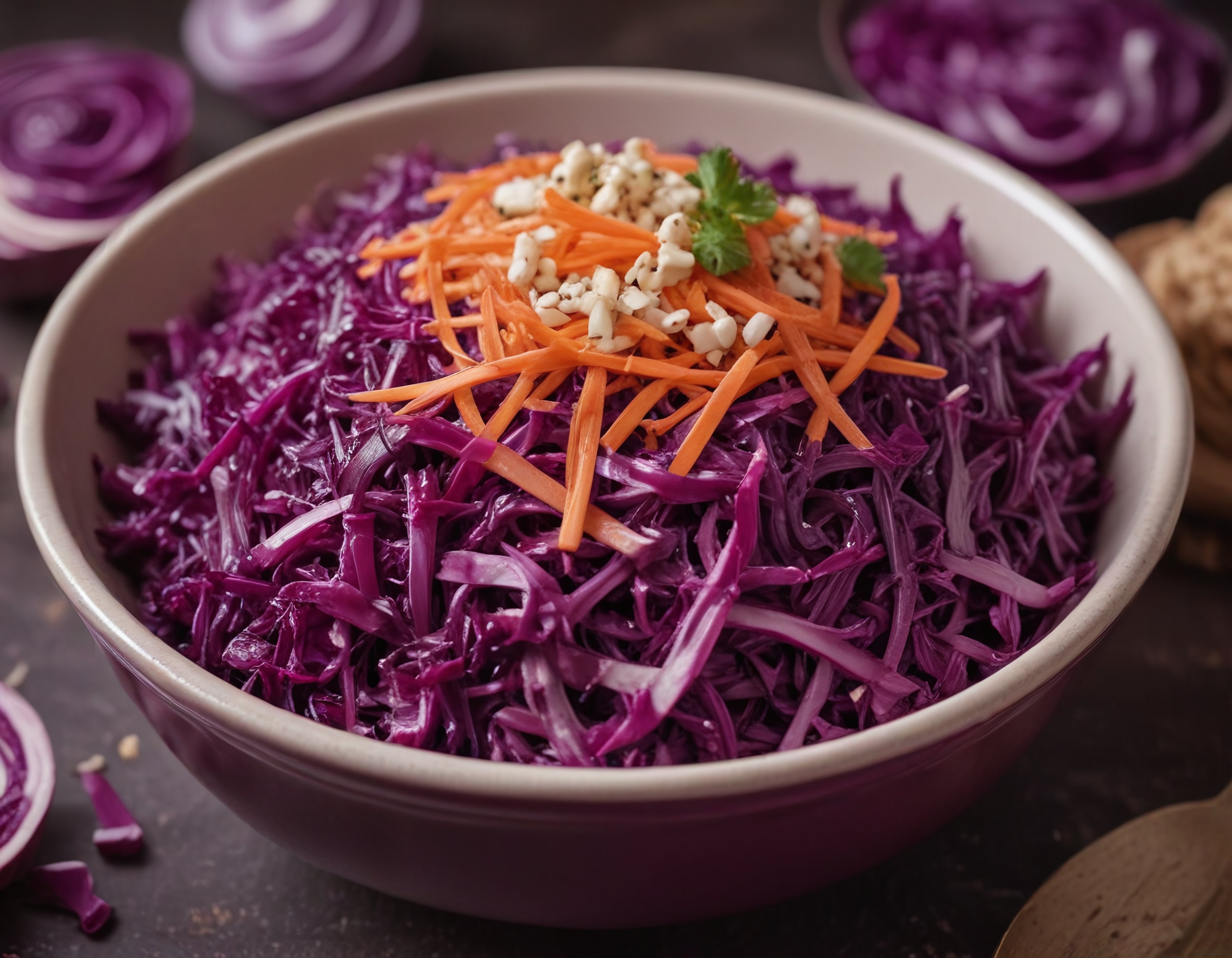
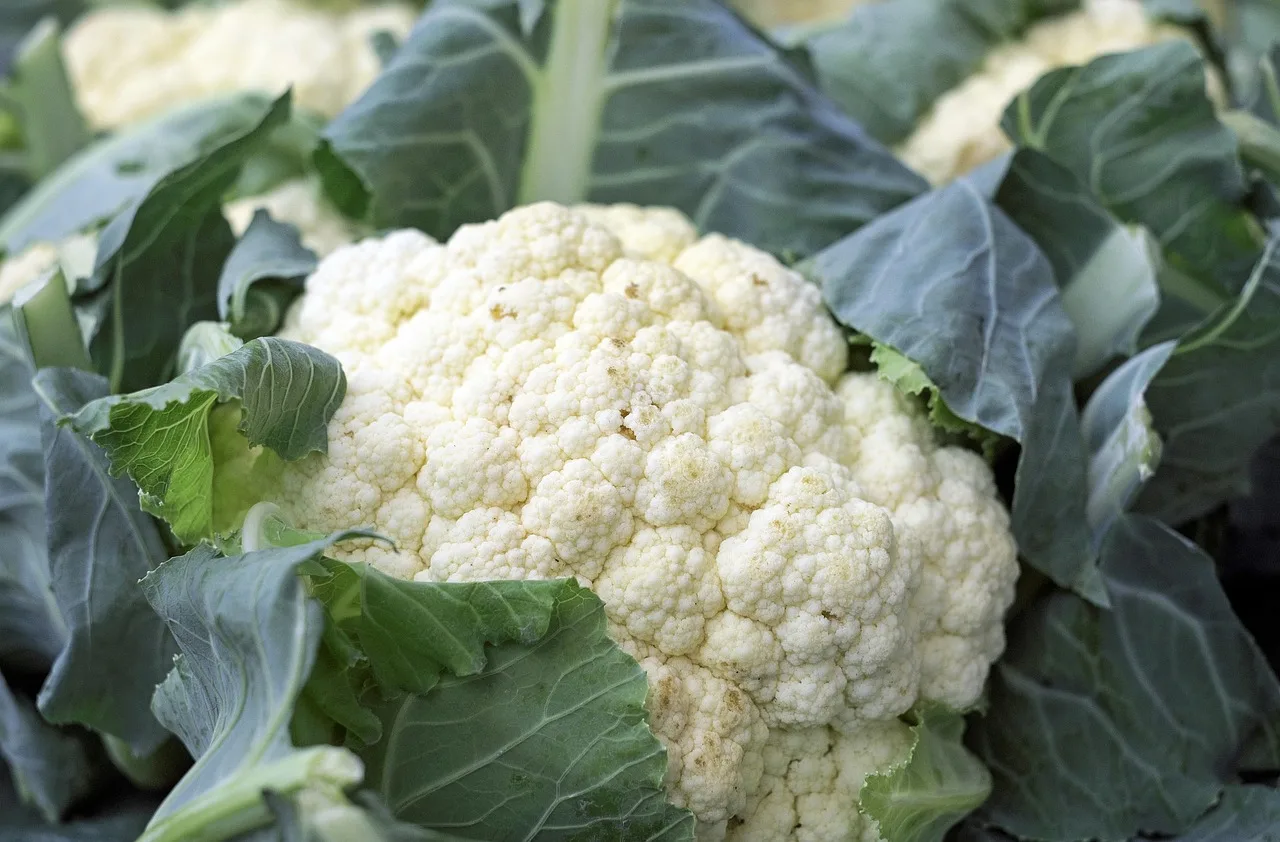
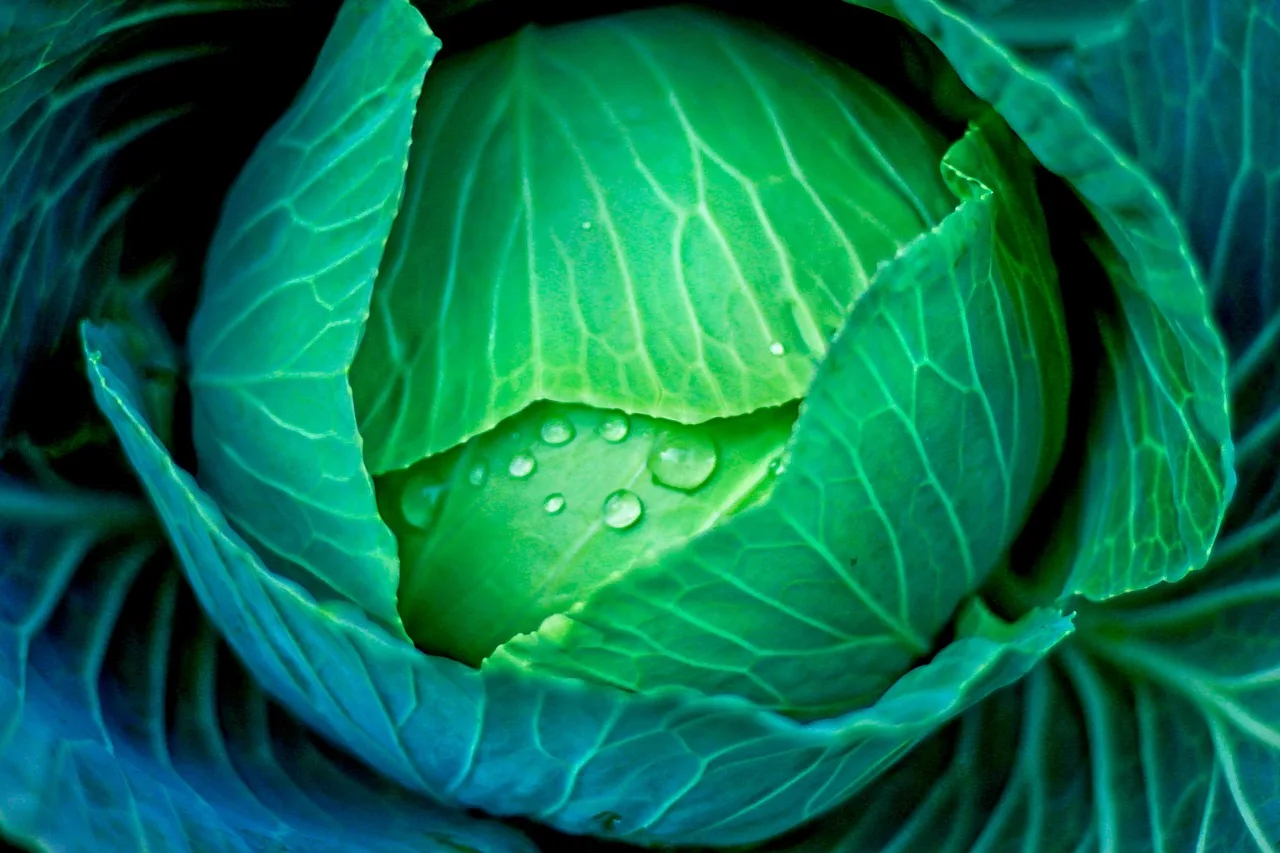
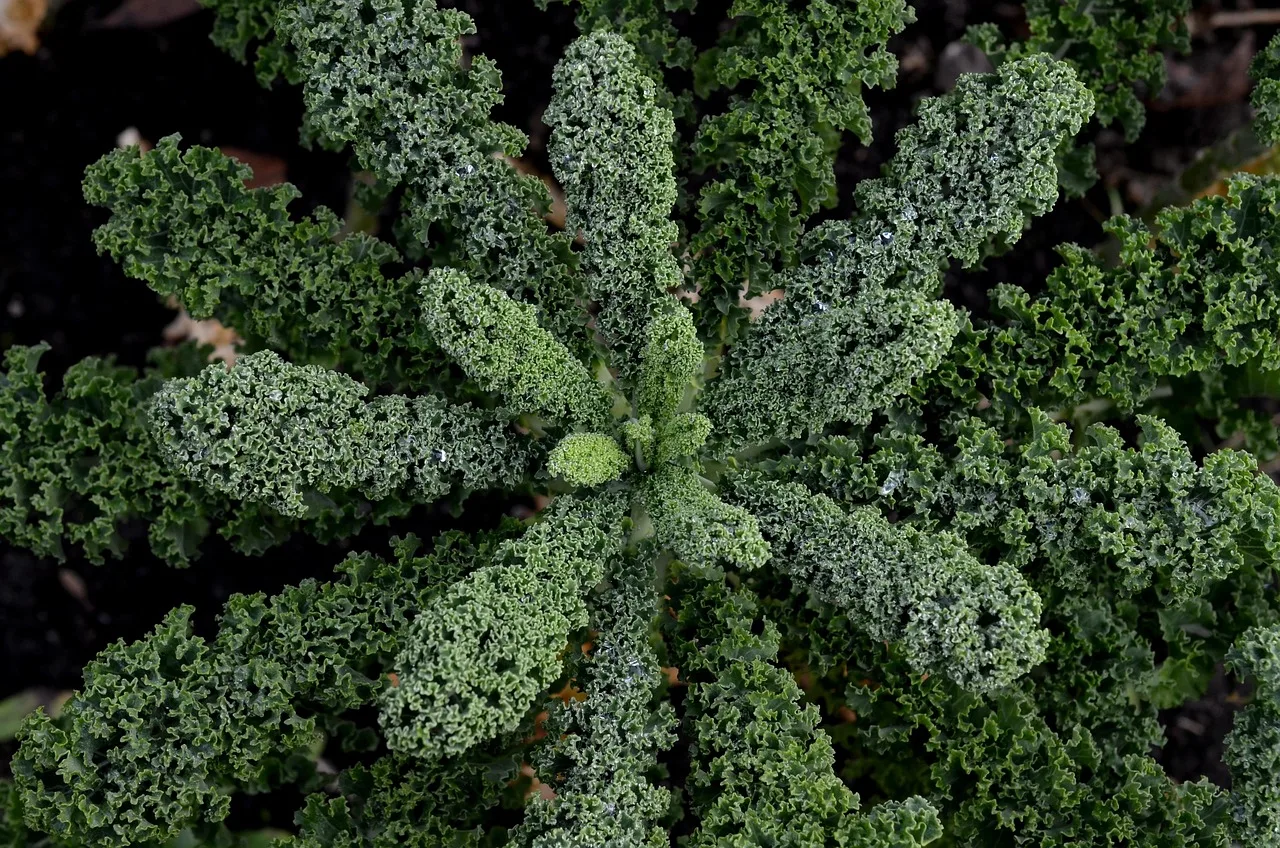
Çekim Tablosu
Belirtme (-i)lahanayı
Yönelme (-e)lahanaya
Bulunma (-de)lahanada
Çıkma (-den)lahanadan
Tamlayan (-in)lahananın
Çoğul (-ler)lahanalar
Tanım
•isim, bitki bilimi: Turpgillerden, geniş ve kalınca kat kat yaprakları olan, güz ve kış sebzesi olarak yetiştirilen ve birçok türü olan bitki; dürme, kelem (Brassica oleracea)
•mecaz: Kat kat elbise giymiş kimse
Atasözü & Deyim
“Bu ne perhiz bu ne lahana turşusu!”
Diğer Dillerde
Almancakohl (eril) /koːl/
cabbage (plant of the genus Brassica)
çekim: çoğul Kohle · tamlayan Kohles
eş: Gemüsekohl, Kraut
köken: From Middle High German kōl, from Old High German kōl, kōlo, kōli, ultimately from Latin caulis.
aile: kohlartig
Ich mag keinen Rosenkohl. — Brüksel lahanasını sevmiyorum.
cabbage
çekim: çoğul choux
köken: Inherited from Old French chous, from Latin caulis, itself akin to or derived from Ancient Greek καυλός (kaulós).
aile: bête comme chou, bout de chou, chou à la crème, chou blanc, chou cabus, chou chinois, chou de Bruxelles, chou de chien, chou de Chine, chou frisé
Il est constitué de chou chinois en saumure. — Çin lahana turşusundan oluşur.
cabbage
çekim: çoğul berzas
eş: col, repollo, bretón
köken: Inherited from Old Spanish verça, from a Vulgar Latin *virdia (see for cognates), from syncopation of viridis (“green”).
Dulce ave negra en Colarte — Kara lahana sarması Sarma
İtalyancacavolo, cavolo cappuccio (eril) /ˈka.vo.lo/
cabbage · euphemistic form of cazzo; the frick, the heck
çekim: çoğul cavoli
eş: niente, nulla, corno, tubo, fico secco, acca
köken: Derived from Late Latin caulus, from Latin caulis,, through a southern Italian language. Possibly borrowed from Neapolitan cavolo or Sicilian cavulu. Doublet of caule.
Fai il passo del "Cabbage patch". — Lahana toplama hareketini yap.
che cavolo fai?
Rusçaкапуста (dişil) /kɐˈpustə/
cabbage · money, in particular United States dollars.
çekim: tamlayan капу́сты
eş: капустка, капустища, кочанная капуста
köken: Inherited from Old East Slavic капуста (kapusta).
aile: капу́стник, капу́стница, ква́шеная капу́ста, морска́я капу́ста, нашли́ в капу́сте, в капу́сте нашли́, найти́ в капу́сте, в капу́сте найти́
Теперь в стиле диско! — Lahana toplama hareketini yap.
Кабине́т и спа́льня Обло́мова обращены́ бы́ли о́кнами на двор, гости́ная к са́дику, а за́ла к большо́му огоро́ду, с капу́стой и карто́фелем.
Arapçaكُرُنْب, مَلْفُوف
"الملفوف" taters تكون 'تكون' والبصل ". — "Bir 'taters, bir' soğan Lahanalar."
Kazakçaорамжапырақ
cabbage, Brassica
çekim: çoğul орамжапырақтар · tamlayan орамжапырақтың
köken: From орам (oram, “roll”) + жапырақ (japyraq, “leaf”).
Tatarcaкәбестә
cabbage.
Felemenkçekool (dişil) /koːl/
a cabbage, plant of genus Brassica · the edible leaves of a Brassica
çekim: çoğul kolen
köken: From Middle Dutch col, cole, from Old Dutch *kōl, *kōla, from Latin caulis.
aile: bloemkool, boerenkool, Chinese kool, groeien als kool, koolraap, koolsla, koolwater, koolwitje, rode kool, spitskool
Doe de "Cabbage patch". — Lahana toplama hareketini yap.
several leaf vegetables, from the family Brassica oleracea · kale (plant) · cabbage (plant)
çekim: çoğul couves
köken: From Old Galician-Portuguese couve, from earlier *coue, from Latin caulem (“stem of a cabbage”), from Ancient Greek καυλός (kaulós, “stem”). Doublet of caule.
aile: couval, couve-brócolo, couve-cavalar, couve-crespa, couve-de-bruxelas, couve-de-saboia, couve-flor, couve-frisada, couve-galega, couve-lombarda
"Couves" taters um "um" cebola ". — "Bir 'taters, bir' soğan Lahanalar."
turnip · brassica, the cabbage family
çekim: çoğul κράμβες · tamlayan κράμβης
eş: κραμπί, κυπριακά Κατηγορία:Κυπριακά
köken: Learned borrowing from Ancient Greek κράμβη (krámbē, “cabbage”). Doublet of κραμπί (krampí).
Μου αρέσει το ξινό λάχανο. — Ekşi lâhanayı severim.
Japoncaキャベツ、甘藍。
スプリンクラーやって! — Lahana toplama hareketini yap.
Korece양배추 /ja̠ŋbɛt͡ɕʰu/
cabbage
köken: From 양(洋) (yang) + 배추 (baechu).
" '감자랑은'양파 양배추." — "Bir 'taters, bir' soğan Lahanalar."
a vegetable · a vegetable (severely physically or mentally impaired person (unable to take care of themselves, with a dull-seeming existence))
çekim: çoğul grönsaker · tamlayan grönsaks
köken: Compound of grön (“fresh, green”) + sak (“[food] item”), as in not dried or in other ways preserved. Originally likely referring to the quality of the food (fresh vegetables, fruits, herbs, etc.), later becoming the specific food type (vegetables). First attested in 1765.
"Kål ett " Taters en" lök ". — "Bir 'taters, bir' soğan Lahanalar."
Grönsaker är nyttigt
grönsakssoppa
Han ville inte bli en grönsak på hemmet
augmentative of kapusta · money; dough; greenbacks · informant, informer, snitch
çekim: çoğul kapuchy · tamlayan kapuchy
eş: sałata, zielone, szmal, forsa
köken: Etymology tree Polish kapusta Polish -cha Polish kapucha From kapusta + -cha.
Zakręć tyłkiem. — Lahana toplama hareketini yap.
Hintçeकरमकल्ला, कोबी, गोभी, पत्ता गोभी, बंद गोभी (dişil) /ɡoː.bʱiː/
cabbage · cauliflower
çekim: çoğul गोभियाँ
köken: Borrowed from Portuguese couve (“cabbage”), from Latin caulis (“stalk, stem”). Cognate with Punjabi ਗੋਭੀ (gobhī), Marathi कोबी (kobī), Bengali কপি (kopi), Assamese কবি (kobi), Manipuri ꯀꯣꯕꯤ (kobi). Some believe a derivative from Sanskrit गोजीह्विका (gojīhvikā), but it is unlikely.
सब्ज़ी मंडी से बंद गोभी ज़रूर ख़रीदना।
Fincehillo, kaali, keräkaali, vihannes, vihanneskaali /ˈhilːo/
jam, (US) jelly (sweet, concealed mixture of fruit boiled with sugar and often pectin) · dough, (US or Cockney) bread (money)
çekim: çoğul hillot · tamlayan hillon
eş: raha
köken: hilla + -o
aile: hilloinen, hilloke, hillota, hillottaa, hilloutua, appelsiinihillo, aprikoosihillo, hillomarja, hillomunkki, hillopurkki
"Keräkaali" "taters" sipuli ". — "Bir 'taters, bir' soğan Lahanalar."
Çekçezelí (nötr) /ˈzɛliː/
cabbage
köken: Inherited from Old Czech zelé, from Proto-Slavic *zelьje.
aile: kysané zelí
"Zelí" "taters" cibule ". — "Bir 'taters, bir' soğan Lahanalar."
vegetable
çekim: çoğul legume · tamlayan legume
köken: Inherited from Latin legūmen.
"Varză" tofi un "o" ceapă ". — "Bir 'taters, bir' soğan Lahanalar."
Macarcakáposzta /ˈkaːpostɒ/
cabbage (an edible plant having a head of green leaves)
çekim: çoğul káposzták
köken: Borrowed from Slovene or Slovak. Compare Slovak kapusta.
aile: káposztás, káposztafajta, káposztafej, káposztaföld, káposztafőzelék, káposztalepke, káposztaleves, káposztamoly, káposztarepce, káposztatermesztés
"Káposzta egy" "kolompér egy" hagyma ". — "Bir 'taters, bir' soğan Lahanalar."
İbraniceכְּרוּב
"כרוב" taters '"בצל". — "Bir 'taters, bir' soğan Lahanalar."
Latincebrassica /ˈbras.sɪ.ka/
especially cabbage, but including cauliflower and other varieties of Brassica oleracea
çekim: çoğul brassicae · tamlayan brassicae
köken: Unknown origin. Suggested derivations include a contraction of praesecāre, a compound of prae- (“before, in front”) + secāre (“to cut, to cut off”), interpreted as either “to cut off early” – referring to its harvesting during the autumn for early winter food – or as “to cut off the head”, attested in the latter sense in a Plautus comedy.
Dancakål /kɔːl/
cabbage, kale
çekim: çoğul kålene · tamlayan kåls
köken: From Old Danish kaal, from Old Norse kál.
aile: blomkål, brunkål, glaskål, grønkål, grønlangkål, hvidkål, kinakål, knutkål, kålroe, palmekål
"Kål en 'Taters en' løg." — "Bir 'taters, bir' soğan Lahanalar."
Norveççehodekål
Dessuten ser eikenøtter ut til å være en favoritt i kosten. — Ayrıca lahanadan yapılan Dible, sarma gözde yemeklerdendir.
cabbage
çekim: çoğul kol-kol
köken: From Dutch kool (“cabbage”), from Middle Dutch col, cole, from Old Dutch *kōl, *kōla, from Latin caulis, from Ancient Greek καυλός (kaulós, “stem”). Doublet of kubis.
aile: bunga kol, kembang kol
Telur Telur mata sapi — Tırtıl Lahana kelebeği yumurtaları
Vietnamcacải bắp /kaːj˧˩ ʔɓap̚˧˦/
cabbage
köken: cải + bắp.
"Bắp cải taters một " một 'hành." — "Bir 'taters, bir' soğan Lahanalar."
Bulgarcaзе́ле, кни́жни пари́
"Зелената" taters на лук. " — "Bir 'taters, bir' soğan Lahanalar."
Slovencezelje (nötr) /zèːljɛ/
cabbage
köken: Inherited from Proto-Slavic *zelьje.
"Zelje" "Taters" čebulo. " — "Bir 'taters, bir' soğan Lahanalar."
Etimoloji
Pontus Rumcası
Deyimler
Kelime Ailesi
lahana çorbası
lahana dolması
lahana sarması
Lahana'yla
Lahana'ysa
Lahanacı
Lahanacık
Lahanalı
Lahanasız
Brassica oleracea
Eş & Zıt Anlamlılar
Örnek Cümleler
Lahana sarması
Sarma in cabbage leaves
Bana bir baş lahana ver.
Give me a head of cabbage.
Lahana phali Pancar phali
Cabbage pkhali Beetroot pkhali
Tırtıllar lahanayı yediler.
The caterpillars ate the cabbage.
Ben lahana turşusunu severim.
I like sauerkraut.
Lahana çiğ olarak yenilebilir.
Cabbage can be eaten raw.
Brüksel lahanasını sevmiyorum.
I don't like Brussels sprouts.
Lahana toplama hareketini yap.
Do the "Cabbage patch".
Onun gözleri yer lahanası rengiydi.
Her eyes were the colour of kohlrabi.
Ben her sabah lahana turşusu yerim.
I eat sauerkraut every morning.
Lahana hariç tüm sebzeleri severim.
I like all vegetables except cabbage.
"Bir 'taters, bir' soğan Lahanalar."
"Cabbages an' 'taters an' onions."
İlgili Sorular
Beyazlar Asya ve Afrikalılar gibi ciğer, lahana turşusu, domuz ayakları gibi yemekleri tüketir mi?
Sadece lahana çorbası ve limon suyu içerek bir ay süren sıvı diyet etkili olur mu?
Beyaz insanlar Asya ve siyahların tükettiği ciğer, lahana turşusu, domuz ayakları gibi yemekleri yer mi?
Lahana çorbası ve limon suyu gibi sadece sıvı besinlerle bir ay boyunca beslenmek faydalı olur mu?
Beyazların Asya ve siyahların yemek alışkanlıkları arasında ciğer, lahana turşusu, domuz ayakları gibi yiyecekler bulunur mu?
İlgili / Bileşik Terimler
Genelslaw
Genelcoleslaw
Geneldiamondback moth
Genelcabbage moth
Genelcabbage butterfly
Genellarge white
Genelcabbage fly
Genelpieris brassicae
Birleşik Kelimeler
lahana sarmasıbaşlahanakaralahanakırmızılahanayabani lahanaBrüksel lahanasıÇin lahanasıFrenk lahanası