Sözlük
/karanfil
karanfil
/ka.ɾanˈfil/
noun
C2 seviye
TR → EN
"karanfil" kelimesinin İngilizcesi: burton, garnet, carnation, pink, pink. Anlamı, çevirisi, telaffuzu ve örnek cümleler aşağıdadır.
Çeviri
Denizcilikburtonnoun
Denizcilikgarnetnoun
Denizcilikcarnationnoun
Genelpink
Genelpink
Genelcarnation
Genelclove
Geneldianthus
Genelpink
Genelcarnation
Genelclove
Geneldianthus
Görsel
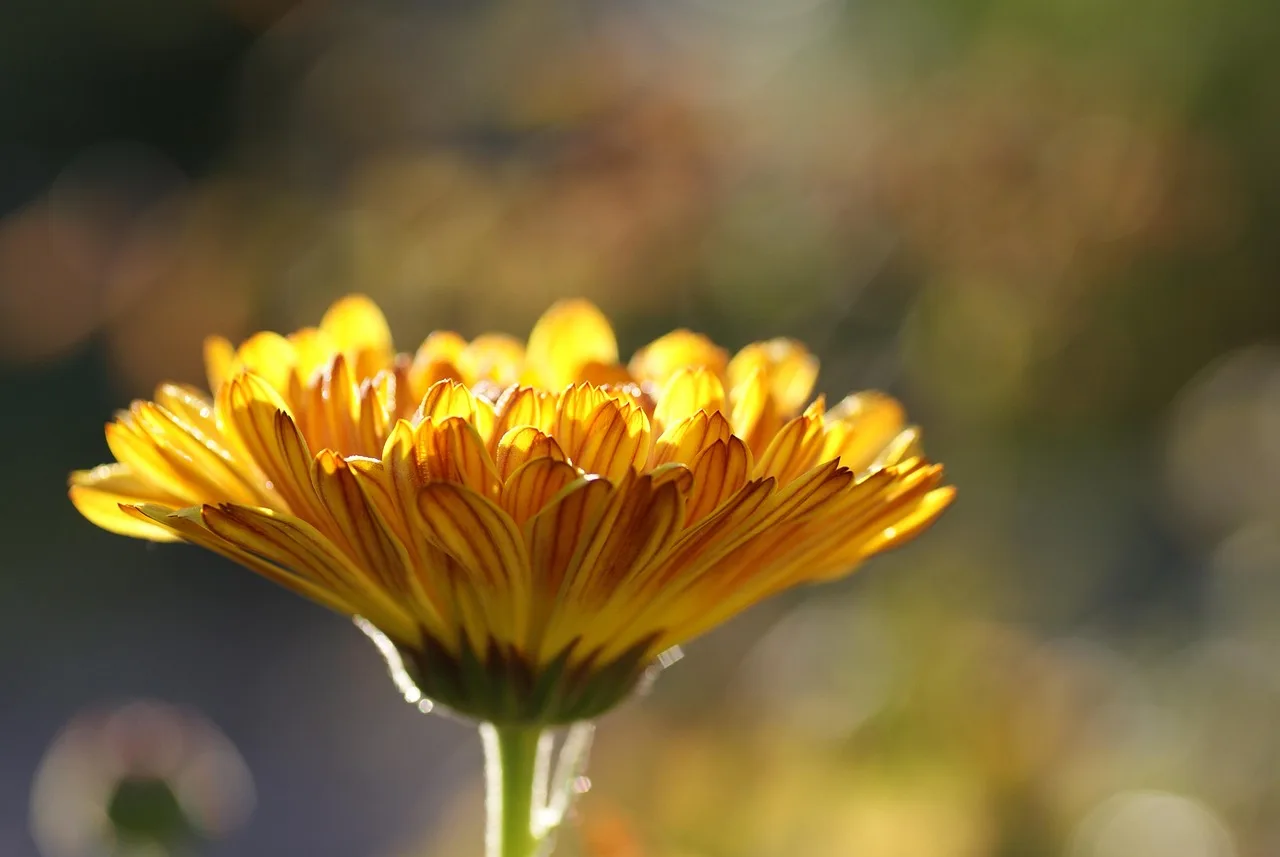
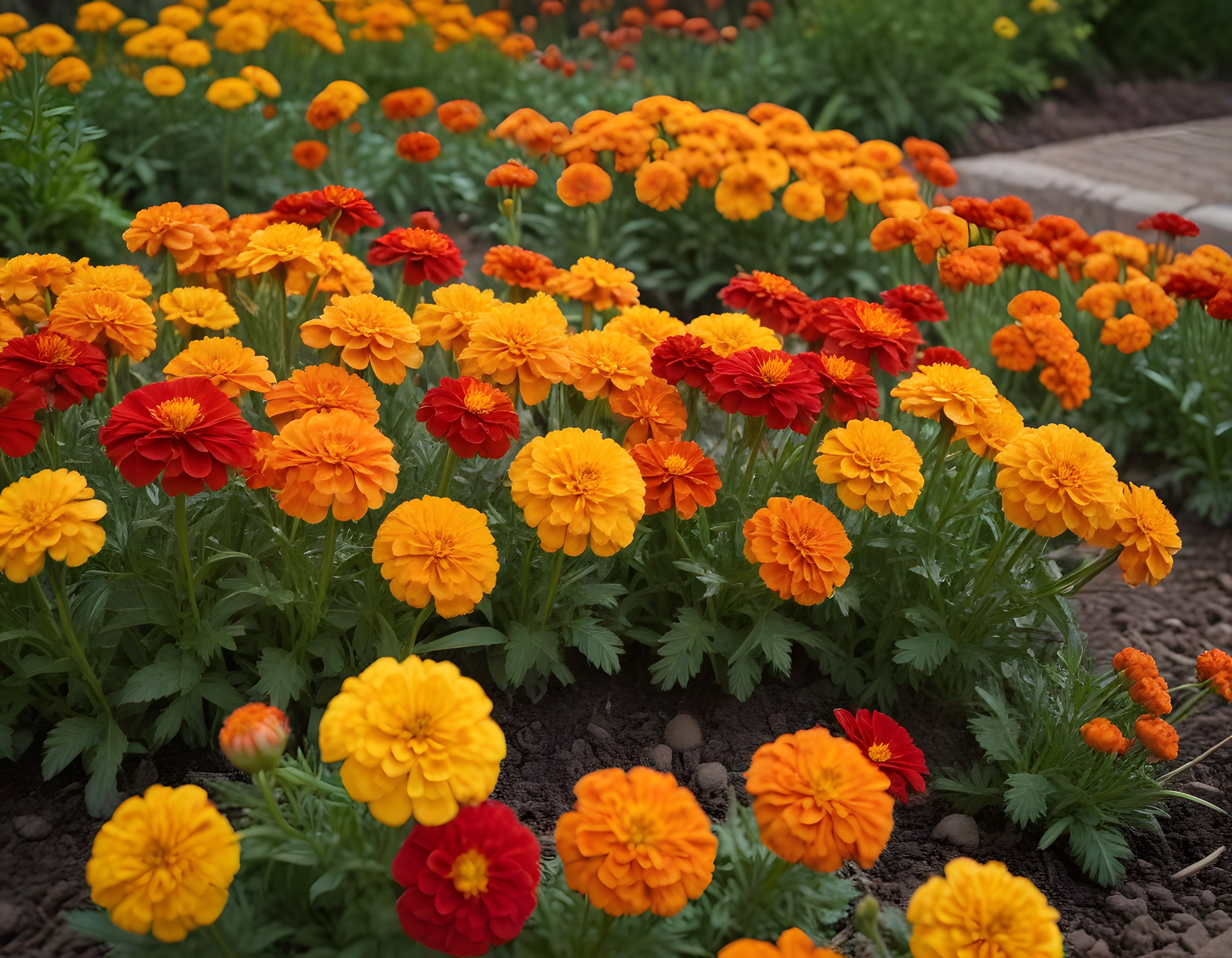
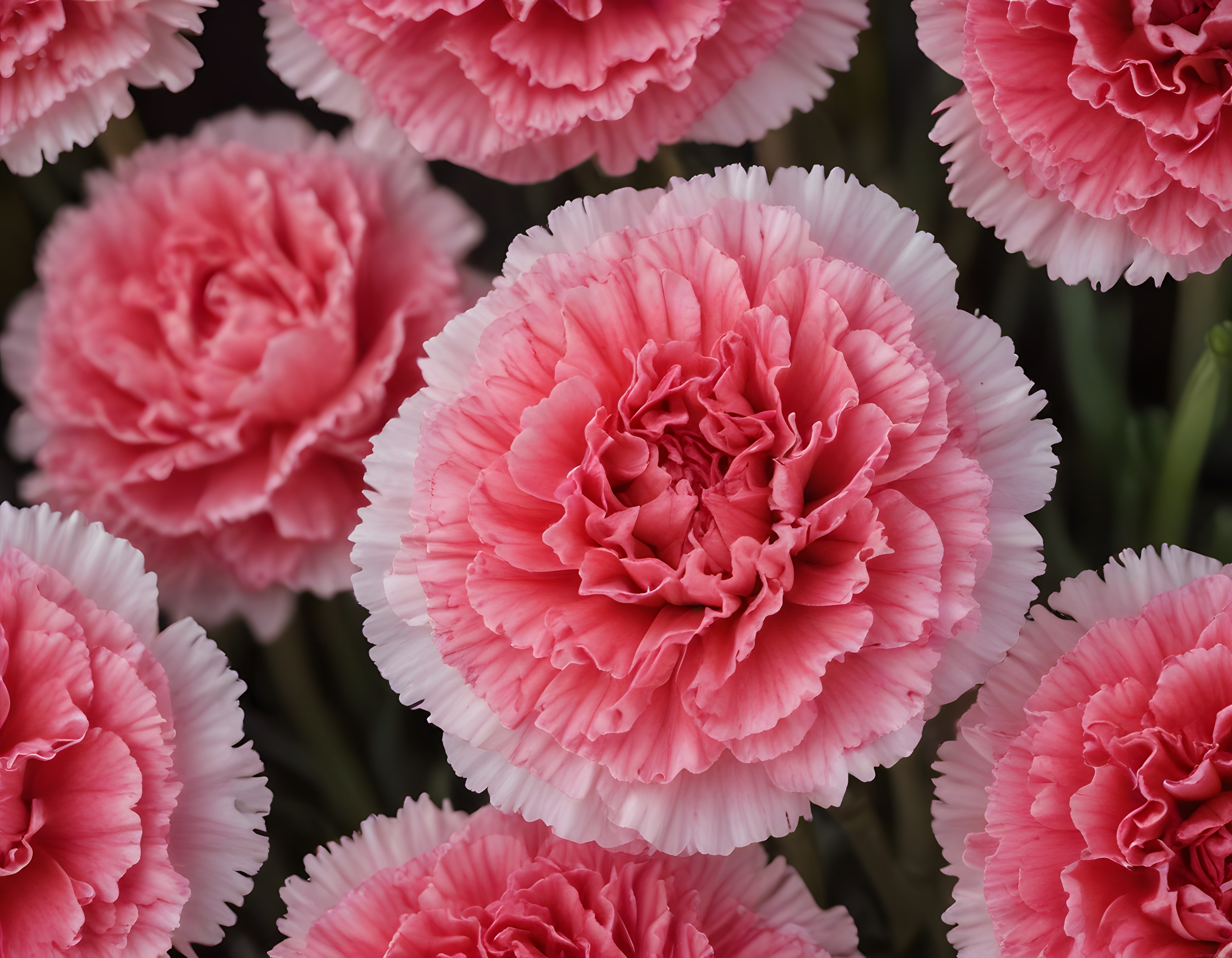
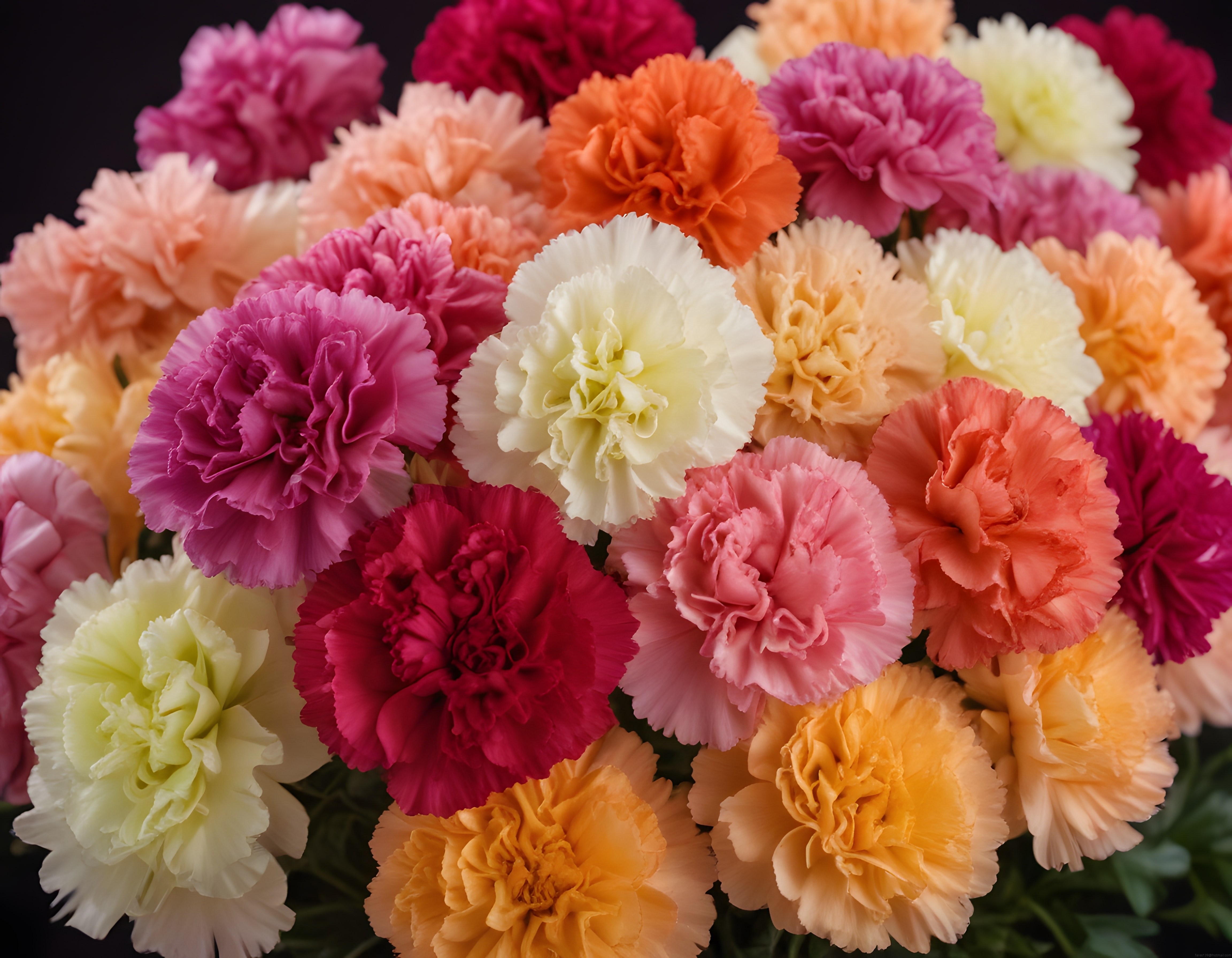
Çekim Tablosu
Belirtme (-i)karanfili
Yönelme (-e)karanfile
Bulunma (-de)karanfilde
Çıkma (-den)karanfilden
Tamlayan (-in)karanfilin
Çoğul (-ler)karanfiller
Tanım
•isim, bitki bilimi: Karanfilgillerden, güzel renkli çiçekler açan bir süs bitkisi (Dianthus caryophyllus)
•Mersingillerden, Molük Adaları'nda, Filipinler'de ve Hindistan'da yetişen ve yaprakları sürekli yeşil kalan bir ağaç (Caryophyllus aromaticus)
•Bu ağacın karanfil yağı elde edilen ve baharat olarak kullanılan, ağız kokusunu gideren, acımsı, koyu renkli, küçük çivi biçimindeki tomurcuğu
Diğer Dillerde
Almancagewürznelke, nelke (dişil) /ɡəˈvʏʁt͡sˌnɛlkə/
clove
çekim: çoğul Gewürznelken · tamlayan Gewürznelken
köken: From Gewürz + Nelke.
- Rote Nelken? — -Beyaz karanfiller mi?
FransızcaClou de girofle, Œillet (eril) /klu d(ə) ʒi.ʁɔfl/
clove (spice)
çekim: çoğul clous de girofle
köken: From clou (“nail”), from their resemblance to nails.
Bien entendu les personnes allergiques à l’Amorolfine doivent éviter son utilisation. — Karanfil alerjisi olan kişiler de bu sigaralardan kaçınmalıdır.
carnation (plant) · carnation (flower)
çekim: çoğul claveles
köken: Borrowed from Catalan clavell, related to clau (“key”).
aile: clavel de moro, clavel del campo, clavel lanudo
Y cómprale flores, claveles. -¿Claveles blancos? — Çiçekler karanfil olsun.
İtalyancagarofano (eril) /ɡaˈrɔ.fa.no/
pink (Dianthus) · carnation, clove pink (Dianthus caryophyllus)
çekim: çoğul garofani
köken: Inherited from Latin caryophyllus, caryophyllum, caryophyllon, borrowed from Ancient Greek καρυόφυλλον (karuóphullon). Compare Sicilian garòfalu and Venetan garòfoło.
aile: garofano dei poeti, chiodo di garofano
- Garofani rossi? — -Beyaz karanfiller mi?
Rusçaботан. гвоздика (Dianthus)
Arapçaبَمْبِيّ, زَهْرِيّ, قَرَنْفُل, وَرْدِيّ
ثورة القرنفل هي ثورة حدثت في البرتغال في 25 إبريل 1974. — Karanfil Devrimi, Portekiz'de 25 Nisan 1974 günü şiddet kullanılmadan gerçekleştirilen askerî darbe.
Farsçaرنگ صورتی, صورتی /suː.ra.ˈtiː/
pink · facial
köken: Etymology tree Arabic صُورَة (ṣūra)bor. Classical Persian صُورَت (sūrat) Proto-Indo-European *-kos Proto-Indo-Iranian *-kas Old Persian -𐎡𐎣 (-i-k) Middle Persian -yk' (/-īg/) Arabic ـِيّ (-iyy)influ. Classical Persian ـِی (-ī) Persian صورتی From صورت (sūrat /surat, “face”) + ـی (-ī /-i, suffix forming adjectives), because the complexion of skin gives off a pink undertone.
Azericeçəhrayı, gül rəngli, pəmbə, qərənfil
pink
çekim: karşılaştırma daha çəhrayı · üstünlük ən çəhrayı
köken: Borrowed from Persian چهرهای (čehre-'i, literally “facial”), from چهره (čehre, “face”), because the completion of skin gives off pink undertones. Compare Southern Azerbaijani صؤرتی (sürəti), from Persian صورت (surat, “face”). By surface analysis, çöhrə + -i.
Özbekçepushti rang
Felemenkçeanjer, rooskleurig, roze (dişil) /ˈɑn.jər/
carnation (plant of genus Dianthus) · carnation (pink color)
çekim: çoğul anjers
köken: Shortening of anjelier, possibly derived from Angera (earlier Anghiera; Latin: Angleria), a town at Lago Maggiore.
Het reuzenkoppel Roede en Canteclaer. — Yerçekimli Karanfil, Edip Cansever.
Portekizcecor-de-rosa, cravina, cravo /ˌkoʁ.d͡ʒiˈʁɔ.zɐ/
pink
köken: Literally, “color of rose”.
aile: imprensa rosa
O citral deve ser evitado por pessoas com alergia a perfumes. — Karanfil alerjisi olan kişiler de bu sigaralardan kaçınmalıdır.
Yunancaροζ
pink
köken: Borrowed from French rose, from Latin rosa, most probably from Ancient Greek ῥόδον (rhódon), making the word a doublet of ρόδο (ródo).
- Κόκκινα; - Όχι. — -Beyaz karanfiller mi?
「なでしこ」の学術的表記。
1つ以上のトルナーダが含まれるカンソもある。 — Karanfil ile ilgili birden fazla anlam vardır.
light red
köken: ljus (“light”) + röd (“red”)
-Röda nejlikor, va? -Nej, du som är så ung ska köpa gröna. — -Beyaz karanfiller mi?
carnation, pink (any plant of the genus Dianthus) · carnation, pink (flower) · clove (very pungent aromatic spice, the unexpanded flower bud of the clove tree)
çekim: çoğul goździki · tamlayan goździka
köken: Etymology tree Polish góźdź Proto-Indo-European *-eykos Proto-Balto-Slavic *-eikas Proto-Slavic *-ikъ Old Polish -ik Polish -ik Polish goździk From góźdź + -ik.
aile: goździkowaty, goździkowiec, goździkówka
- Czerwone? — -Beyaz karanfiller mi?
Ukraynacaроже́вий
Hintçeगुलाबी /ɡʊ.lɑː.biː/
pink
köken: Etymology tree Proto-Iranian *wardah Old Persian *vr̥dah Middle Persian gwl (gul) Classical Persian گُل (gul) Proto-Indo-European *h₂ep-der. Proto-Indo-Iranian *Hā́ps Proto-Iranian *Hā́fš Old Persian 𐎠𐎱𐎡𐎹𐎠 (a-p-i-y-a) Middle Persian ʾp̄ Classical Persian آب (āb) Classical Persian گُلَاب (gulāb) Proto-Indo-European *-kos Proto-Indo-Iranian *-kas Old Persian -𐎡𐎣 (-i-k) Middle Persian -yk' (/-īg/)…
Finceneilikka, pinkki, roosa, vaaleanpunainen /ˈnei̯likːɑ/
clove (spice) · carnation (flower)
çekim: çoğul neilikat · tamlayan neilikan
köken: Borrowed from Swedish nejlika, from Middle Low German negelken, diminutive of nāgel (“nail”).
aile: harjaneilikka, ketoneilikka, laukkaneilikka, mausteneilikka, neilikkaöljy
Paikallinen poliisi hajotti mellakkajoukkoa. — Halk polise karanfiller dağıtmaya çalıştı.
carnation (a plant of species Dianthus caryophyllus)
çekim: çoğul karafiáty · tamlayan karafiátu
köken: Older form karafilát, from Latin caryophyllātus, from caryophyllus + -ātus.
- Rudé? — -Beyaz karanfiller mi?
Rumencegaroafă, roz, trandafiriu (dişil) /ɡaˈro̯a.fə/
pink, carnation (Dianthus caryophyllus)
çekim: çoğul garoafe · tamlayan garoafe
köken: Borrowed from Greek γαρύφαλλο (garýfallo).
Planta este folosită drept condiment datorită aromei înțepătoare. — Karanfil, güzel kokusu sebebiyle ağız kokusuna karşı kullanılır.
Macarcakopog, rózsaszín, rózsaszínű, szegfű /ˈkopoɡ/
to knock (on or at something -n/-on/-en/-ön) · to tap, knock, hammer · to patter, rattle (on something -n/-on/-en/-ön)
çekim: geçmiş kopogtak
köken: From the same sound-imitative root as koppant (“to rap, to strike a quick, light blow”), kopácsol (“to hammer”), koppan (“to thud”) + -og (frequentative verb-forming suffix).
aile: kopogás, kopp, átkopog, bekopog, kikopog, lekopog
Ízesítésként a dohánykeverék mintegy 1/3 részét kitevő darált, szárított szegfűszegbimbót adnak a keverékhez. — Tütün harmanının yaklaşık 1/3’ü kadar kıyılmış kuru karanfil tomurcuğu eklenir.
Valaki kopog az ajtón!
Kopog a szemem az éhségtől! (idiomatic)
A harkály kopog a fán.
İbraniceוָרֹד, ורוד
pink
köken: See Arabic وَرْد (ward, “rose”)
aile: וְרַדְרַד
איוג'ינול הוא המרכיב העיקרי בשמן ציפורן. — Eugenol, karanfil yağının temel bileşenidir.
Latinceroseus /ˈrɔ.se.ʊs/
pink, rose-colored, rosy · rose, of or pertaining to roses · any thing blooming with youth; rosy, ruddy, blooming
köken: Etymology tree Proto-Iranian *wardahder.? Ancient Greek ῥόδον (rhódon)bor.? Latin rosa Latin -eus Latin roseus From rosa + -eus.
aile: roseātus
… roseōque haec īnsuper addidit ōre: ….
roseae convallēs
Dancalyserød /ˈlysəˌʁœðˀ/
pink (colored/coloured between red and white)
köken: From lys + -e- + rød.
aile: babylyserød
25. april – Den portugistiske demokratiske revolution. — 25 Nisan - Karanfil Devrimi.
Norveççelysrød, nellik
Endonezcemerah jambu, merah muda, pink muda
pink · rose
çekim: karşılaştırma lebih merah jambu · üstünlük paling merah jambu
köken: Compound of merah (“red”) + jambu (“rose apple”), inherited from Malay merah jambu.
Pada abad ke-17 dan ke-18 di Inggris harga cengkih sama dengan harga emas karena tingginya biaya impor. — 17. ve 18. yüzıl İngiltere'sinde karanfil, yüksek fiyatı sebebiyle altın ile eşdeğerdi.
Vietnamcahồng, màu hồng /həwŋ͡m˨˩/
pink
köken: Sino-Vietnamese word from 紅 (“red”). Semantic shift like this can be seen with other Sino-Vietnamese items that did not displace native terms but were nevertheless borrowed, see trúc (“Phyllostachys spp.”), huyết (“blood curd”).
aile: bụi hồng, cá diêu hồng, cá điêu hồng, đức hồng y, hoa hồng, hồng cầu, hồng hạc, hồng hào, hồng huyết cầu, hồng lâu
Cerastium hemschinicum là loài thực vật có hoa thuộc họ Cẩm chướng. — Hemşin boynuzotu veya bilimsel adıyla Cerastium hemschinicum, karanfilgiller familyasından bir bitki türüdür.
Bông giấy ngũ sắc có 5 màu: đỏ, hồng, cam, trắng, tím; là loài dễ trồng, ít sâu bệnh, chịu hạn tốt, phù hợp với khí hậu nhiệt đới.
Còn Tuấn Anh khi thấy chiếc xe rực một màu hồng sến sẩm thì méo xệ cả mặt mày.
Etimoloji
(Bu girdinin köken kısmı şimdilik eksiktir. Lütfen eklenmesine yardımcı olun ve sonrasında {{kökenisteniyor}} şablonunu kaldırın.)
Eş & Zıt Anlamlılar
Örnek Cümleler
Bu bir karanfil.
This is a carnation.
Onlar karanfiller.
They're carnations.
-Beyaz karanfiller mi?
- Red ones?
Karanfil bir baharattır.
Cloves are a spice.
Çiçekler karanfil olsun.
Carnations
Bana iki kırmızı karanfil daha verin.
Please give me two more of the red carnations.
Anneler gününde anneme karanfiller verdim.
I gave my mother carnations on Mother's Day.
Eugenol, karanfil yağının temel bileşenidir.
Eugenol is the major components in oil of cloves.
Betty bazı güller ve Jane bazı karanfiller getirdi.
Betty brought some roses and Jane some carnations.
Uzun boylu adam, yakasına pembe bir karanfil takmıştı.
The tall man wore a pink carnation in his lapel.
Leonardo da Vinci'nin Bakire ve Çocuğu (Karanfilli Madonna)
Leonardo da Vinci's Virgin and Child (Madonna of the Carnation)
1974-1975: Karanfil Devrimi Portekiz sağcı diktatörlük alaşağı.
1974–1975: The Carnation Revolution overthrows the right-wing dictatorship in Portugal.
Birleşik Kelimeler
karanfil yağısu karanfili