Sözlük
/heykeller
heykeller
"heykeller" kelimesinin İngilizcesi: sculpture, statuary. Anlamı, çevirisi, telaffuzu ve örnek cümleler aşağıdadır.
Çeviri
Genelsculpture
Genelstatuary
Görsel
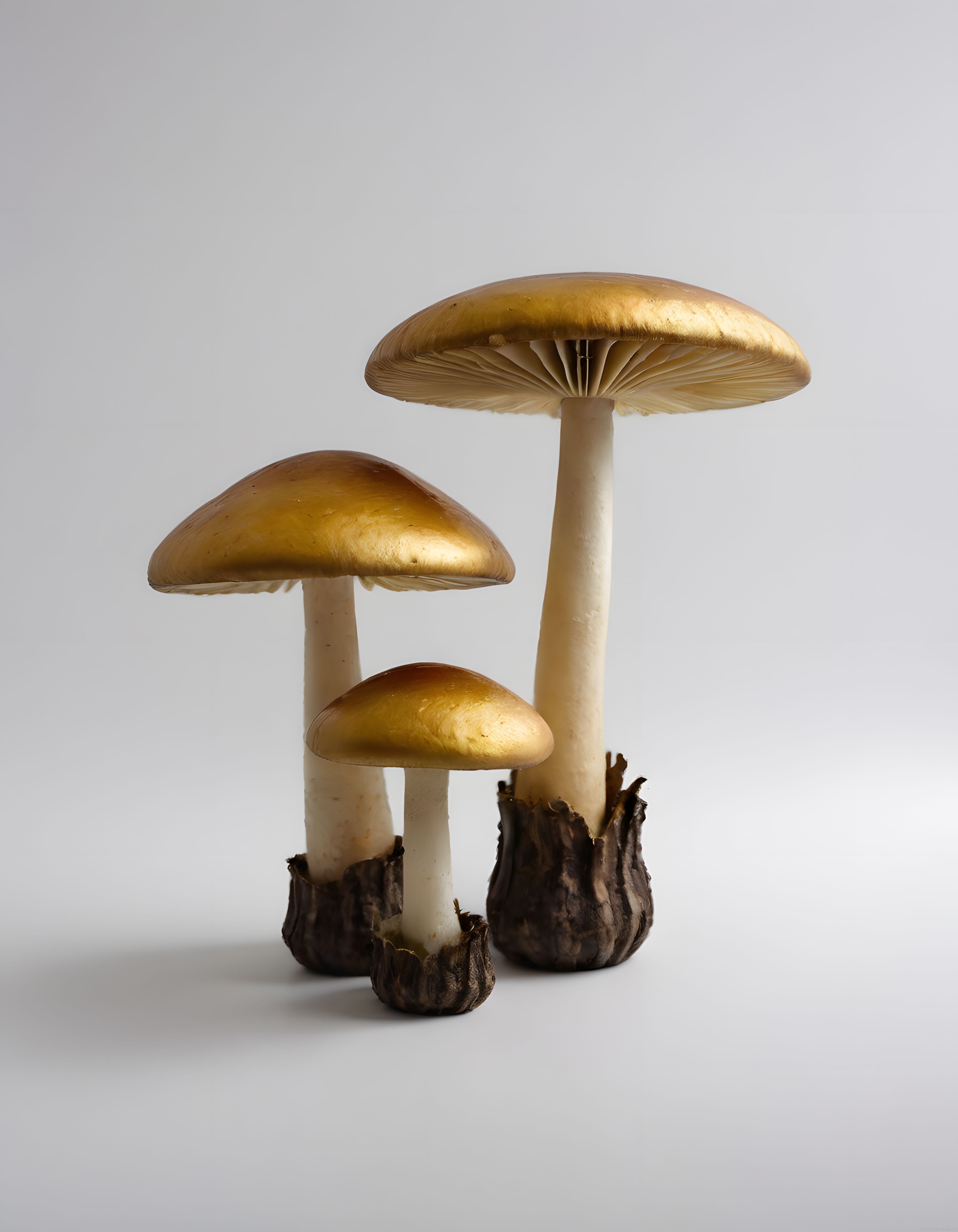
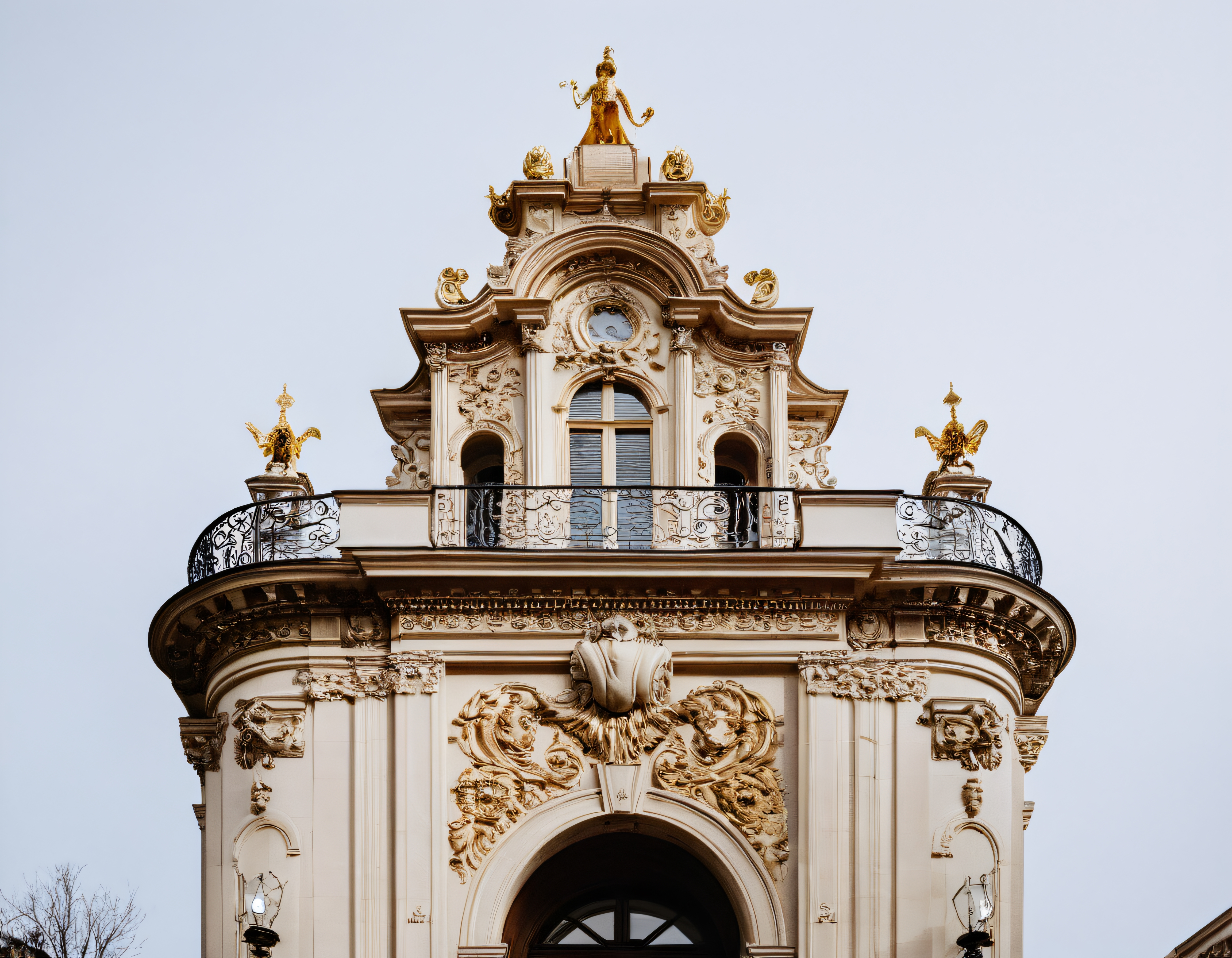
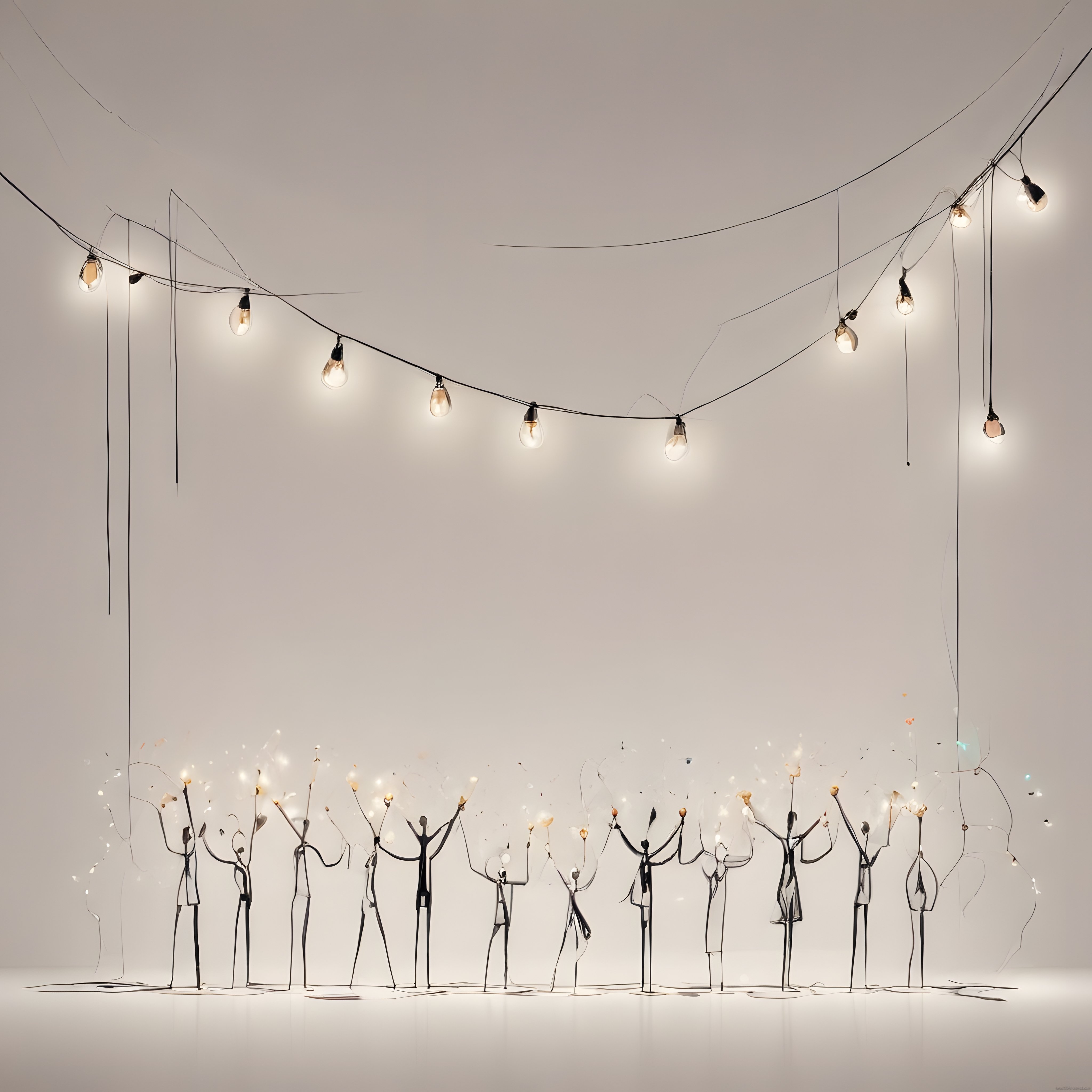
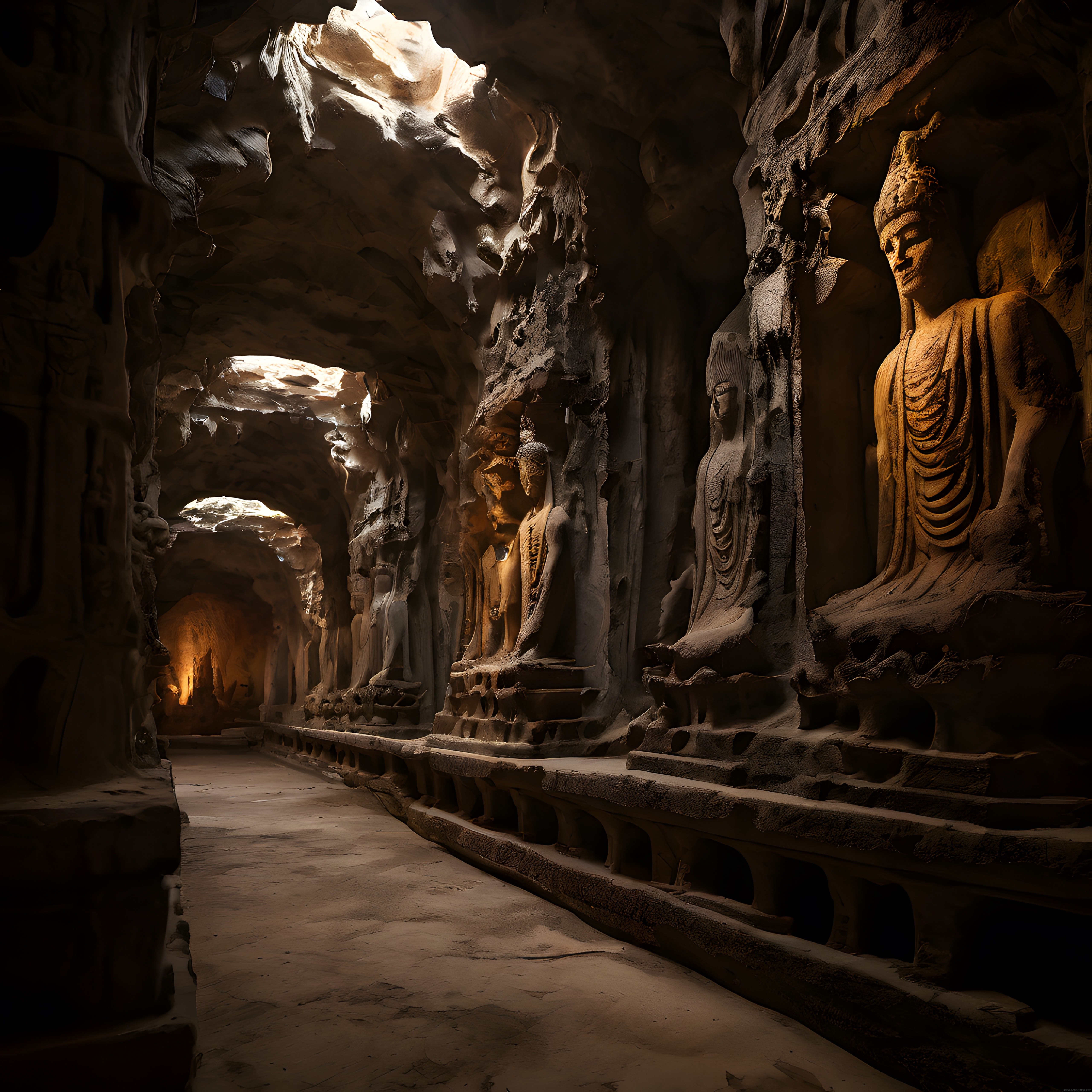
Tanım
•heykel sözcüğünün yalın çoğul çekimi
Diğer Dillerde
AlmancaBildhauerei, Bildhauerkunst, schnitzen, Skulptur (dişil) /ˈbɪlthaʊ̯əˌʁaɪ̯/
sculpture (the art or an individual work)
çekim: çoğul Bildhauereien · tamlayan Bildhauereien
eş: Bildhauerkunst
köken: Bildhauer + -ei
Dieses Fischerdorf war berühmt für Skulpturen. — Balıkçı köyü heykelleriyle ünlüydü.
Fransızcasculpture, statuaire (dişil) /skyl.tyʁ/
sculpture
çekim: çoğul sculptures
Liste des chevaux de race ↑ équestre — Atlı heykeller listesi
İspanyolcaesculpidura, esculpir, escultura /eskulˈpiɾ/
to sculpt
çekim: geçmiş esculpí · ortaç esculpido · şimdiki esculpe
köken: From Latin sculpere.
Las estatuas son inanimadas. — Heykeller cansızdır.
İtalyancascultura (dişil) /skulˈtu.ra/
the art or technique of sculpting or carving out · the activity of a sculptor · sculpting (the act of one who sculpts)
çekim: çoğul sculture
eş: statuaria, marmo, statua, bronzo, busto, lapide
köken: Learned borrowing from Classical Latin sculptūra (“act of carving; sculpture”), derived from sculpō (“to carve”) + -tūra (“-ing, -ure”, action noun suffix).
Le sculture sono inanimate. — Heykeller cansızdır.
Скульптуры - неживые. — Heykeller cansızdır.
التي كنت أضعها داخل صناديق من خشب ال"MDF" — LED heykelleri yapmaya başladım.
Azericeheykəl, heykəltəraşlıq /hejˈkæl/
monument, memorial, tombstone, statue
çekim: çoğul heykəllər · tamlayan heykəlin
köken: Borrowed from Classical Persian هَیکَل (haykal), from Arabic هَيْكَل (haykal).
heykəl ucaltmaq
heykəli sökmək
tanınmış yazıçıya heykəl qoymaq
Kazakçaмүсін, мүсіндеме, мүсіндеу
figure (the shape of human body), build · sculpture
çekim: çoğul мүсіндер · tamlayan мүсіннің
köken: Possibly from Arabic مَيْسُون (maysūn, “of beautiful face and body”), although this word is rare in Arabic itself. Also compare сын (syn, “appearance”), of native Turkic origin.
aile: мүсіндеме, мүсіндеу, мүсінді, мүсінділік, мүсінше, мүсінші
Özbekçehaykal, haykaltaroshlik
statue
çekim: çoğul haykallar · tamlayan haykalning
köken: Borrowed from Classical Persian هَیکَل (haykal), from Arabic هَيْكَل (haykal).
Felemenkçebeeld, beeldhouwen, beeldhouwwerk, sculptuur (nötr) /beːlt/
image · statue, sculpture · impression, idea
çekim: çoğul beelden
eş: standbeeld, monument, sculptuur, visualisatie, frame
köken: From Middle Dutch bēelde, from Old Dutch bilithe, bilithi, from Proto-West Germanic *biliþi (“picture, image”).
aile: afbeelden, afbeelding, beeldbuis, beelden, beeldenstorm, beeldhouwen, beeldig, beeldmateriaal, beeldmerk, beeldopname
Het staat er vol met standbeelden. — Korkutucu heykellerle doludur.
Het beeld op het computerscherm was erg scherp.
De beelden die als bewijs werden aangevoerd bleken vervalst.
In het park stonden prachtige beelden van bekende kunstenaars.
nominative plural of άγαλμα (ágalma) · accusative plural of άγαλμα (ágalma) · vocative plural of άγαλμα (ágalma)
Τα γλυπτά είναι άψυχα. — Heykeller cansızdır.
Japonca彫刻 /t͡ɕo̞ːko̞kɯ̟/
a sculpture · an engraving · a carving
çekim: geçmiş 彫刻した
aile: 彫刻凹版, 彫刻家, 彫刻具座, 彫刻師, 彫刻室座, 彫刻刀
イーストペディメントからのものです。 — Baktığımız heykeller tapınağın
Korece조각 /t͡ɕo̞ɡa̠k̚/
a piece, scrap, slice (of an object); shard, sliver
köken: First attested in the Seokbo sangjeol (釋譜詳節 / 석보상절), 1447, as Middle Korean 조각 (Yale: cwòkàk).
aile: 조각(彫刻)되다, 조각(彫刻)하다
MDF로 된 작은 박스들 안에서 사는 것들이죠. — LED heykelleri yapmaya başladım.
sculpture (the art of sculpting)
çekim: tamlayan bildhuggarkonsts
köken: Calque of German Bildhauerkunst, equivalent to bildhuggare + konst.
Vadstena klosterkyrka: Målningar, bl.a. — "Cumhuriyetin Anıtları:Anıt Heykeller".
Lehçerzeźba, rzeźbiarstwo, rzeźbić, wyrzeźbić (dişil) /ˈʐɛʑ.ba/
sculpture (a work of art created by sculpting) · shape, outline
çekim: çoğul rzeźby · tamlayan rzeźby
eş: rzeźbiarstwo, morfologia
köken: Etymology tree Proto-Slavic *rězьba Polish rzeźba Inherited from Proto-Slavic *rězьba. By surface analysis, rzezać + -ba.
aile: rzeźbiarski, płaskorzeźba, rzeźbiarstwo, rzeźbiarz, wypukłorzeźba, rzeźbić
Świątynia wypełniona jest rzeźbami. — Korkutucu heykellerle doludur.
Войовнича богиня. — Baktığımız heykeller tapınağın
Hintçeप्रतिमा, शिल्पकला (dişil) /pɾə.t̪ɪ.mɑː/
statue, effigy, icon, idol
çekim: çoğul प्रतिमाएँ
köken: Borrowed from Sanskrit प्रतिमा (pratimā).
aile: प्रतिमापूजक, प्रतिमा आकार
Finceesittää, kuvanveistäjä, kuvanveisto, kuvapatsaat, muovata, veistää /ˈesitːæːˣ/
to express, offer, set/put forth, state · to show, present · to produce (to make available to a person, an authority, etc.)
çekim: geçmiş esittänyt · şimdiki esittäisi · ulaç esittävä
köken: esi- (“front, fore-”) + -ittää. First attested in 1853 in Daniel Europaeus's dictionary; esitys is attested two years earlier in 1851 in Agathon Meurman's dictionary, which Elias Lönnrot also contributed to, and esitellä was coined already in 1848. The exact coiner is thus difficult to determine.
aile: esite, esittäjä, esittäminen, esitys, esitellä, esittäytyä, esityttää, ensiesittää, kantaesittää
Puistossa on patsaita. — Parkta heykeller var.
esittää mielipiteensä
esittää kysymys
esittää pyyntö
Çekçesocha, sochařská výzdoba, sochařství, sochy (dişil) /ˈsoxa/
statue · sculpture (work of art)
çekim: çoğul sochy · tamlayan sochy
eş: plastika, skulptura
köken: Inherited from Old Czech *socha meant “mast, pillar, column” and was derived from Proto-Slavic *soxa (“crotch of a tree, trunk ending with a branch stub”) with unsure origins. The current Czech and Slovak meaning derives from the fact such pillars in homes were ornamented with wood carvings.
aile: sochař, sochařství, sousoší
Měli bychom zde myslet na sochy vyrobené z bronzu? — Aklıma bronz heykeller geliyor. .
Socha malého chlapce.
Rumencesculpta, sculptură
to sculpt
çekim: geçmiş sculptat · ortaç sculptat · şimdiki sculptează
köken: Borrowed from French sculpter.
Statuile sale sunt cele mai numeroase. — Heykellerinin çoğu kurşundandır.
Macarcaműkereskedő, szobor, szobrász, szobrászat /ˈmyːkɛrɛʃkɛdøː/
art dealer (a person who buys and sells works of art)
çekim: çoğul műkereskedők
köken: mű- (“work (of art)”) + kereskedő (“dealer”)
A halászfalu híres volt a szobrászatáról. — Balıkçı köyü heykelleriyle ünlüydü.
İbraniceפֶּסֶל
שחיו בקופסאות קטנות של אם.די.אף. — LED heykelleri yapmaya başladım.
Latinceopera sculpturae, sculptura (dişil) /skʊɫpˈtuː.ra/
the act of cutting out or carving · a sculpture, a figure carved or cut out
çekim: çoğul sculptūrae · tamlayan sculptūrae
köken: Etymology tree Latin sculpō Proto-Indo-European *-tew-? Proto-Indo-European *-r-eh₂? Latin -tūra Latin sculptūra From sculpō (“carve”) + -tūra.
Dancaskulptur /skulptuːr/
sculpture (work of art) · sculpture (art)
çekim: çoğul skulpturer · tamlayan skulpturs
köken: From French sculpture, from Latin sculptura, from sculpere (“carve”).
Han skabte også mange portrætskulpturer. — Ayrıca birçok portre heykeller üretti.
Endonezcepahatan, patung, seni pahat
hasil (pekerjaan) memahat; ukiran
Kampung nelayan ini terkenal seni patungnya. — Balıkçı köyü heykelleriyle ünlüydü.
sculpture (the art form)
köken: Sino-Vietnamese word from 雕刻.
Ngôi làng đánh cá này nổi tiếng về những tác phẩm điêu khắc. — Balıkçı köyü heykelleriyle ünlüydü.
Bulgarcaвая, ваятелство, извайвам, ску́лптор, скулптура, скулпту́ра /ˈvajɐ/
to sculpt, to model, to mould
çekim: geçmiş none · ortaç ва́ян · şimdiki ва́е · ulaç ва́ещ
köken: Inherited from Proto-Slavic *vajati, of disputed further origin.
aile: извая, извайвам, завая, завайвам, повая, повайвам, вая́тел, вая́ч
Всъщност фигурите се изправят и вие все още можете да видите триъгълника. — Baktığımız heykeller tapınağın
Örnek Cümleler
Heykeller cansızdır.
Sculptures are inanimate.
Parkta heykeller var.
There are statues in the park.
Heykelleri Olan İsimler
Monuments
Heykeller çok değerlidir.
The sculptures are of great value.
Neden bütün heykeller çıplak?
Why are all the statues naked?
Biz ahşaptan heykeller yaptık.
We made statues out of wood.
Odysseus, Sperlonga heykelleri
Odysseus, Sperlonga sculptures
Çocuklar telden heykeller yaptı.
The children made sculptures out of wire.
Aklıma bronz heykeller geliyor. .
THE GALLERY. >>: SO SHOULD WE BE THlNKlNG BACK HERE TO SCULPTURES MADE OF
Heykeller yapar, sanatla uğraşır.
They live there and make art.
Balıkçı köyü heykelleriyle ünlüydü.
This fishing village was famous for sculpture.
Bu heykeller gibi pek çok gizem var.
There's many mysteries, these statues.
İlgili Sorular
Easter Adası'ndaki Moai heykellerini kim yaptı?
Parklarda dini heykeller (örneğin melek, Madonna) bulundurulmasına izin veriliyorsa, pentagram taşması kabul edilebilir mi?
Easter Adası heykellerini kim inşa etti?
İnsanların yaptığı ve bir sineği tutamayan heykellere Hindu inananları neden saygı gösterir?
Dini heykelleri şehir parklarına koymak serbestse, aynı alanda bir pentagram asmak sorun olur mu?