Sözlük
/denizci
denizci
noun
B2 seviye
TR → EN
"denizci" kelimesinin İngilizcesi: sailor, marine, seaman, sailor, sailor. Anlamı, çevirisi, telaffuzu ve örnek cümleler aşağıdadır.
Çeviri
Genelsailornoun
Genelmarinenoun
Genelseaman
Genelsailor
Genelsailor
Görsel
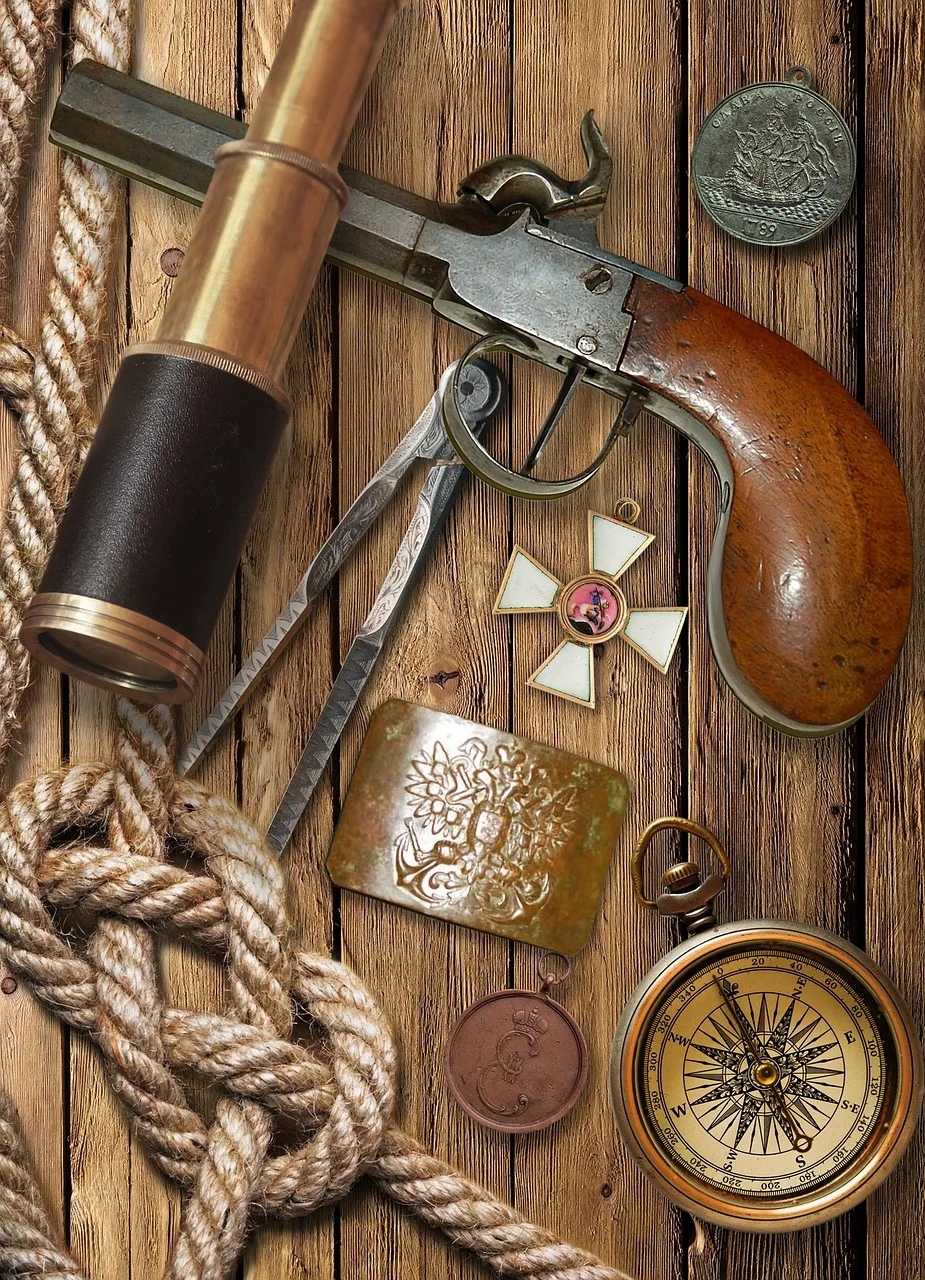
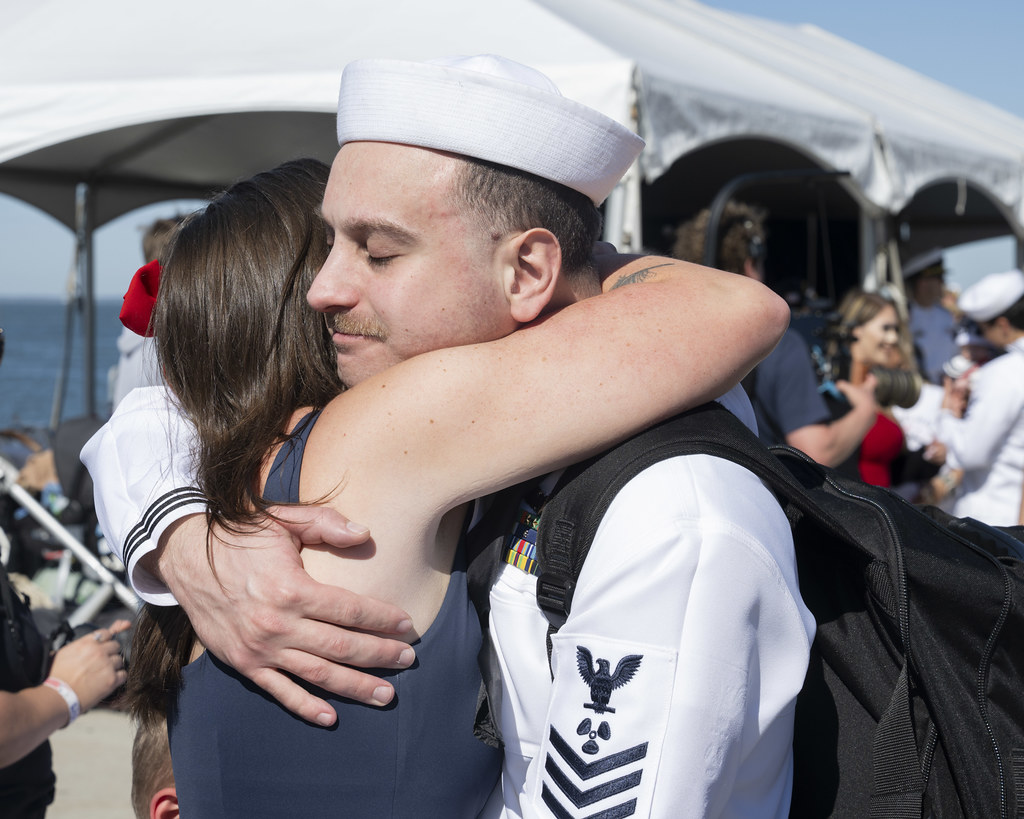
Çekim Tablosu
Belirtme (-i)denizciyi
Yönelme (-e)denizciye
Bulunma (-de)denizcide
Çıkma (-den)denizciden
Tamlayan (-in)denizcinin
Çoğul (-ler)denizciler
Tanım
•isim: Denizle ilgili işlerde çalışan kimse
•Deniz sporlarıyla uğraşan kimse
•askerlik: Deniz kuvvetlerine bağlı subay, astsubay veya er
Diğer Dillerde
AlmancaMarineinfanterist, Marinesoldat, Matrose, Matrosin, Meeres-, See- /maˈʁiːnəˌɪnfantəʁɪst/
marine
çekim: çoğul Marineinfanteristen · tamlayan Marineinfanteristen
zıt: Gebirgsinfanterist
köken: From Marineinfanterie + -ist, equivalent to Marine + Infanterist.
Tom ist Seemann. — Tom denizci.
Fransızcafemme marin, femme matelot, femme-marin, femme-matelot, marin, marinier /ma.ʁɛ̃/
maritime · marine
çekim: çoğul marins
köken: Inherited from Middle French marin, from Old French marin, from Latin marīnus.
aile: avoir le pied marin, bleu marine, crocodile marin, mille marin
- Fusilier marin ! — - Denizciler!
İspanyolcaalier (desus.), grumete, infante de marina, lobo de mar, managuá, marinante (eril) /ɡɾuˈmete/
crew (non-officer nautical personnel) · cabin boy
çekim: çoğul grumetes
köken: Borrowed from Catalan grumet, from Old French groumet (“valet, servant”), from Middle English grome. Cognate of English gourmet.
- Marines! — - Denizciler!
İtalyancamarinaia, marinaio, marittima, marittimo, navigante, navigatore (dişil)
female equivalent of marinaio
çekim: çoğul marinaie
Ventitré marinari rimasero uccisi. — 51 denizci öldü.
Rusçaморяк, мореплаватель
- Морская пехота! — - Denizciler!
Arapçaبَحَّار, بَحْرِيّ, مَلَّاح, نَوْتِيّ, نُوتِيّ
قـُتل تسعة بحارة ألمان. — 90 denizci öldü.
Farsçaآبزی, بحری /ʔaːb.ˈziː/
marine · Living in water
Azericedənizçi /dænizˈt͡ʃi/
seaman, sailor
çekim: çoğul dənizçilər · tamlayan dənizçinin
köken: From dəniz + -çi.
aile: dənizçilik
Kazakçaкемеші, теңізші /teŋɘʃˈʃɘ/
sailor, mariner
çekim: çoğul теңізшілер · tamlayan теңізшінің
köken: теңіз (teñız) + -ші (-şı).
Özbekçedengizchi
Felemenkçemarien, maritiem, matroos, zeeman /maːˈrin/
marine, relating to the sea
eş: zee-
köken: Borrowed from French marin.
- Marines! — - Denizciler!
Portekizcefuzileiro naval, marinheiro, marinho, marujo (eril)
marine (member of a marine corps)
çekim: çoğul fuzileiros navais
Que ano!? — - Denizciler!
Yunancaθαλάσσιος, ναύτης, ναυτικός, πεζοναύτης /θaˈla.si.os/
relating to: sea, sailing, seaside · maritime, marine
köken: Learnedly, from Ancient Greek θαλάσσιος (thalássios, “marine”). By surface analysis, θάλασσ(α) (thálass(a), “sea”) + -ιος (-ios, “indicating origin”). Cognate with Mariupol Greek тъаласи́ (θalasí).
Ποια χρονιά! — - Denizciler!
θαλάσσια ανεμώνη
θαλάσσιο περιβάλλον
sailor · short for セーラー服 (sērā fuku)
köken: Borrowed from English sailor.
海兵隊5人が死亡。 — 51 denizci öldü.
sailor; the crew
eş: 뱃사람
köken: Sino-Korean word from 船員.
그리고 경로를 벗어나는 상황에 처했습니다. — Denizci rotadan çıkıyor.
İsveççemarinsoldat, matros, seglare, sjö-, sjöman
a marine (member of a marine corps)
çekim: çoğul marinsoldater · tamlayan marinsoldats
köken: marin + soldat (“soldier”)
- Marines! — - Denizciler!
Lehçemarynarz, morski, żeglarka, żeglarz, żołnierz piechoty morskiej (eril) /maˈrɘ.naʂ/
sailor, seaman, mariner
çekim: çoğul marynarze · tamlayan marynarza
eş: żeglarz, okrętnik, matros, majtek, załogant
köken: Etymology tree Medieval Latin marīnāriuslbor. Polish marynarz Learned borrowing from Medieval Latin marīnārius.
Co roku? — - Denizciler!
Ukraynacaморепла́вець, морпі́х, морськи́й, морськи́й піхоти́нець
Який рік? — - Denizciler!
boatman, ferryman
çekim: çoğul केवटों
köken: Borrowed from Sanskrit केवर्त (kevarta).
नदी के किनारे बैठा केवट यात्रियों की प्रतीक्षा कर रहा था।
Fincematruusi, merellinen, meri-, merijalkaväen sotilas, merimies, rannikkojääkäri /ˈmɑtruːsi/
seaman apprentice (official translation in the Finnish Navy), seaman (lowest rank in the navy) (NATO: OR-2)
çekim: çoğul matruusit · tamlayan matruusin
köken: Borrowed from Swedish matros, from Dutch matroos.
aile: puolimatruusi, ylimatruusi
80 merimiestä hukkui. — 90 denizci öldü.
Çekçemariňák, mořeplavec, mořský, námořník (eril) /ˈmarɪɲaːk/
sailor, seaman, mariner
çekim: çoğul mariňáci · tamlayan mariňáka
Co rok!? — - Denizciler!
Rumencemarinar, marinăriță, maritim, matroz (eril)
sailor
çekim: çoğul marinari · tamlayan marinarului
köken: Borrowed from Italian marinaro, compare also Greek μαρινάρης (marináris).
Ce an!? — - Denizciler!
Macarcahajós, matróz, tengerész, tengerészgyalogos, tengeri, vitorlázó /ˈhɒjoːʃ/
sailor
çekim: çoğul hajósok
köken: hajó + -s
aile: hajósi
Tizenkilenc tengerész meghalt. — 90 denizci öldü.
İbraniceחַיַּל צִי, יוֹרֵד יָם, יַמִּי, מַלָּח, נַחָת, שַׁיָּט
עשרים מלחים נהרגו. — 90 denizci öldü.
Latincemarinarius, marinellus, marīnus, maritimus, nāvita (eril) /ma.riːˈnɛl.lʊs/
sailor, mariner
çekim: çoğul marīnellī · tamlayan marīnellī
köken: From marīnus (“marine, mariner”) + -ellus (“-elle: forming diminutives”), from mare (“sea”) + -īnus (“-ine: forming adjectives”), q.v.
capitaneus nautarum & marinellorum
sailing ship · yachtsman · swift (bird)
çekim: çoğul sejlere · tamlayan sejlers
köken: From sejle (“to sail”) + -er.
50 søfolk blev dræbt. — 51 denizci öldü.
Norveççesegler, seiler, sjømann
Brukes kun ved sjøtransport. — Denizcilikte kullanılır.
nautical: pertaining to the sea · ancient, old-time
köken: From Malay bahari, from Classical Malay bahari, from Arabic بَحْرِيّ (baḥriyy, “maritime”). For the dialectal sense as used in Kalimantan, it refers to the older lifestyle nearby the sea coasts, but it has been declining since the society has become increasingly sedentary and urbanised over time. Cognate to Kendayan bahare' (“old-time”).
aile: kebaharian
- Marinir! — - Denizciler!
Etimoloji
(Bu girdinin köken kısmı şimdilik eksiktir. Lütfen eklenmesine yardımcı olun ve sonrasında {{kökenisteniyor}} şablonunu kaldırın.)
Örnek Cümleler
- Denizciler!
- Marines!
90 denizci öldü.
70 French sailors were killed.
Denizcilikte GPS
Marine GPS
Denizcilik Tarihi
Ship History
Tom denizci miydi?
Was Tom a sailor?
'Em "dedi denizci.
'em," said the mariner.
O bir denizci oldu.
He became a sailor.
Tom bir denizcidir.
Tom is a seaman.
Tom bir denizciydi.
Tom was a sailor.
Denizci rolündeydi.
He acted the part of a sailor.
İyi bir denizciydi.
He was a really keen sailor.
Denizcilik kariyeri
Naval career
İlgili Sorular
İlgili / Bileşik Terimler
Genelmaritime republics
Genelsea peoples