Sözlük
/but
but
"but" kelimesinin İngilizcesi: thigh, ham, huckle, coordinate, co-ordinate, rump. Anlamı, çevirisi, telaffuzu ve örnek cümleler aşağıdadır.
Çeviri
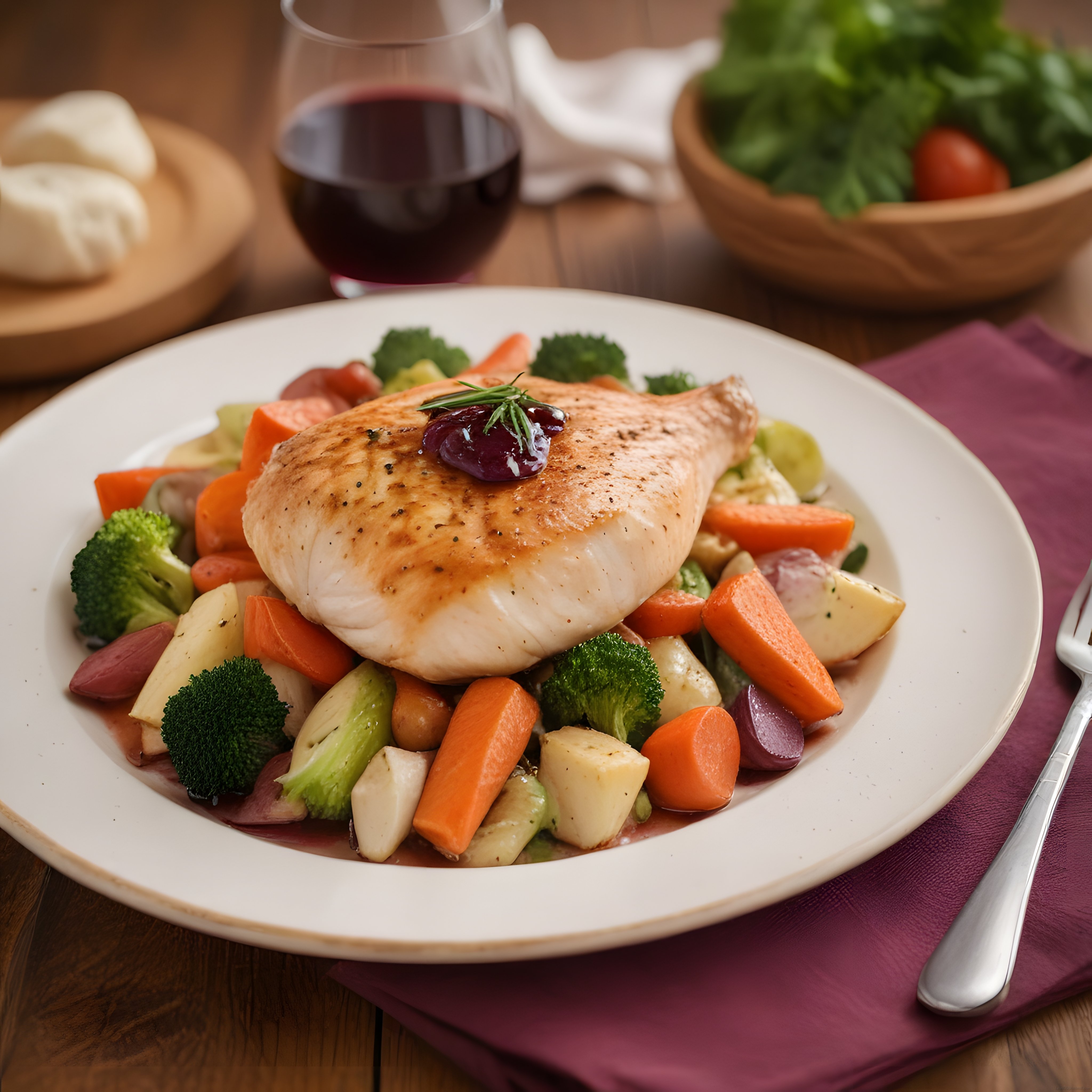
Genelthighnoun
Genelham
Genelhuckle
Genelcoordinate, co-ordinate
Genelrump
Genelthigh
Genelthigh
Görsel


Çekim Tablosu
Belirtme (-i)butu
Yönelme (-e)buta
Bulunma (-de)butta
Çıkma (-den)buttan
Tamlayan (-in)butun
Çoğul (-ler)butlar
Tanım
•isim: İnsan vücudunun kalça ile diz arasındaki bölümü
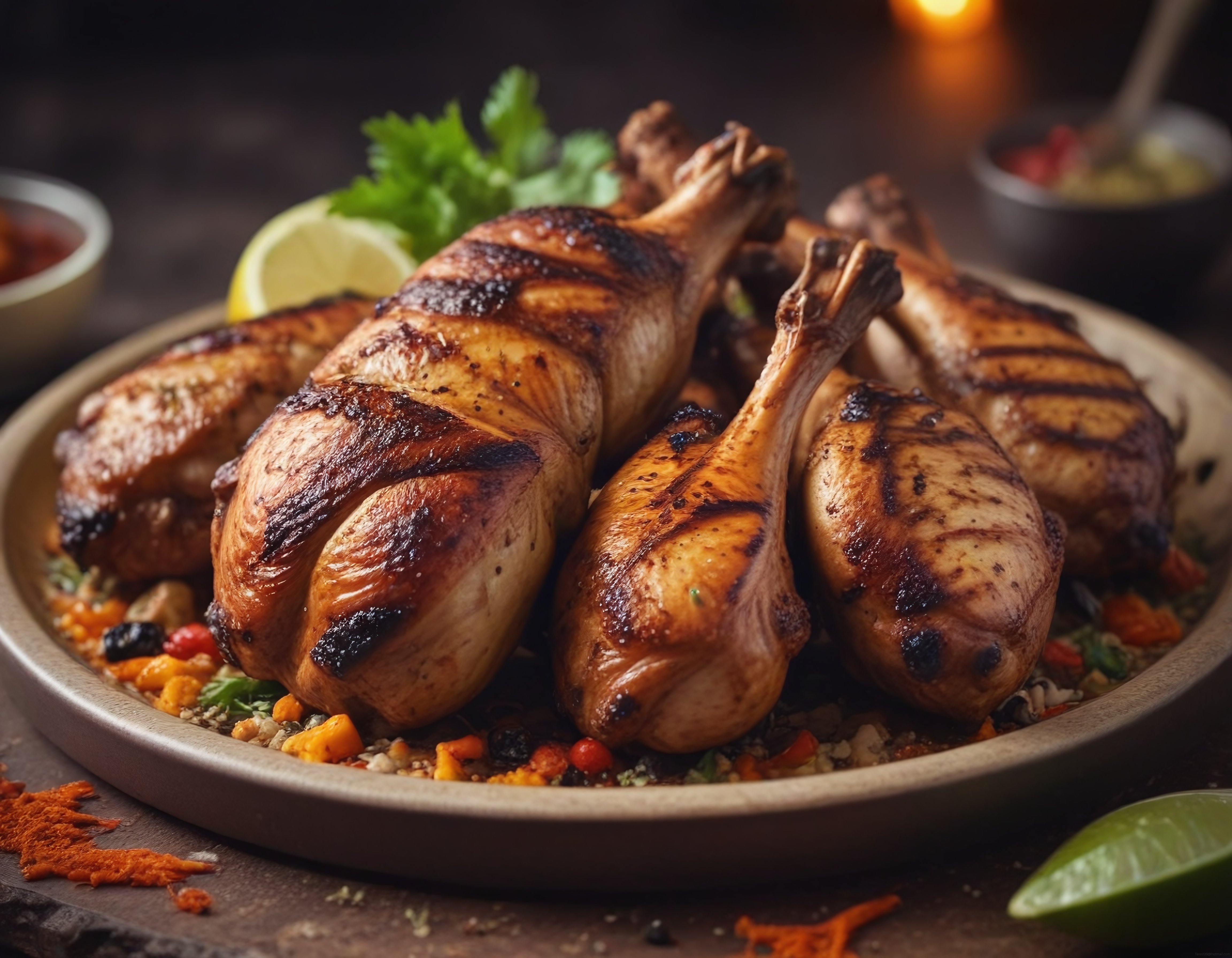
•Hayvanların, arka bacaklarının gövdeye bitişik olan dolgun, etli bölümü
Atasözü & Deyim
“Vermeyince (vermemiş) Mabut, neylesin Sultan Mahmut”
Diğer Dillerde
(männliche^☆) Person, die mit behördlicher Genehmigung eine Funkstation als Hobby betreibt
eş: Funkamateur
Museum Behnhaus. — Müzeyyen Buttanrı.
FransızcaCuisse (dişil) /kɥis/
thigh · segment, quarter of some fruits (like oranges)
çekim: çoğul cuisses
köken: Etymology tree Proto-Indo-European *koḱs- Proto-Indo-European *-h₂ Proto-Indo-European *-eh₂ Proto-Indo-European *kóḱseh₂ Proto-Italic *koksā Late Latin coxa Old French cuisse French cuisse Inherited from Old French cuisse, from Late Latin coxa (“thigh”), from Proto-Italic *koksā, from Proto-Indo-European *kóḱseh₂, from *koḱs- (“joint, limb”) + *-eh₂.
aile: avoir la cuisse accueillante, avoir la cuisse gaie, avoir la cuisse hospitalière, avoir la cuisse légère, écarter les cuisses, se croire sorti de la cuisse de Jupiter
Xinyang Museum. — Müzeyyen Buttanrı.
İspanyolcaCam, Châm, comicastro, corva, cuja, histriónico (eril) /ˈkam/
Ham (son of Noah)
köken: Borrowed from Latin Cham, from Ancient Greek Χαμ (Kham), from Hebrew חָם (ẖam).
Hermandad del Museo. — Müzeyyen Buttanrı.
İtalyancacoscia, prosciutto, radioamatore (dişil) /ˈkɔʃ.ʃa/
thigh · leg (of chicken etc.) · either of the two ends of a bridge
çekim: çoğul cosce
eş: coscio, cosciotto
köken: Etymology tree Proto-Indo-European *koḱs- Proto-Indo-European *-h₂ Proto-Indo-European *-eh₂ Proto-Indo-European *kóḱseh₂ Proto-Italic *koksā Late Latin coxa Italian coscia Inherited from Late Latin coxa (“thigh”), from Proto-Italic *koksā, from Proto-Indo-European *kóḱseh₂, from *koḱs- (“joint, limb”) + *-eh₂.
La bara viene chiusa. — Tabut kapatılır.
Rusçaанат. бедро
Нажми кнопку. — Butona bas.
Farsçaران /ˈraːn/
thigh
çekim: çoğul رانها
köken: Inherited from Middle Persian [script needed] (lʾn' /rān/, “thigh”), from Proto-Iranian *hrā́nah, from Proto-Indo-Iranian *srā́nas, from Proto-Indo-European *srḗn-s.
ستبرست بازوت چون ران شیر برو یال چون اژدهای دلیر
thigh · gammon · rump (a cut of meat from the rump of an animal)
çekim: çoğul budlar · tamlayan budun
köken: From Proto-Turkic *būt.
thigh · stipe · perineum
çekim: çoğul бұттар · tamlayan бұттың
köken: From Proto-Turkic *būt (“thigh; leg”). Cognate with Bashkir бот (bot, “thigh”), Kyrgyz бут (but, “leg”), Uyghur پۇت (put, “leg; foot”), Turkish but (“thigh”), Yakut буут (buut, “thigh”), etc.
Felemenkçebovenbeen, dij, hesp, knieboog (nötr)
thigh, upper leg
çekim: çoğul bovenbenen
köken: From boven + been.
Mijn Vader (1951). — But (1951) Dikkat!
PortekizceCã, canastrão, Cão, coxa, póplite, presunto /ˈkɐ̃/
feminine singular of cão
çekim: çoğul cãs
eş: cão, khan
köken: From Old Galician-Portuguese cãa, from Latin cānam, feminine accusative singular of cānus. Compare Spanish cana.
aile: Gengis-Cã
Veja #51.» — But (1951) Dikkat!
irrelevant, unrelated · incompetent · ignorant
Πωλήσεις καταστημάτων. — Butik Yayınları.
ham (thigh of a hog cured for food)
köken: From English ham.
aile: ハム族, ハム諸語
ショッピング番組 — Butik Yayınları.
thigh
zıt: 아랫다리, 소퇴(小腿)
köken: Literally, “large leg”. From 넓적 (neopjeok) + 다리 (dari).
박물관에 전시된 박제. — Müzeyyen Buttanrı.
İsveççeskinka /²xɪŋˌka/
a buttock
çekim: çoğul skinkor · tamlayan skinkas
köken: From Low German schinke, from Middle Low German schinke, from Old Saxon skinka, from Proto-West Germanic *skinkō. Cognate with English skink and Icelandic skinka.
aile: julskinka, parmaskinka, pizzaskinka, skinkschnitzel
Psykmuseet. — Müzeyyen Buttanrı.
Jag äter smörgåsar med skinka som pålägg
en skinkmacka
julskinka
Lehçegolonka, kabotyn, radioamator, szynka, udo (dişil) /ɡɔˈlɔn.ka/
ham hock, pork knuckle (cut of meat at the joint between the leg and foot of a hog) · dish made from ham hock
çekim: çoğul golonki · tamlayan golonki
köken: Etymology tree Proto-Slavic *golěnь Polish goleń Proto-Indo-European *-keh₂der. Proto-Balto-Slavic *-kāˀ Proto-Slavic *-ъka Old Polish -ka Polish -ka Polish golonka From goleń + -ka.
Söl, duń. — Halil Buttanrı.
Ukraynacaву́джениця, о́кіст, стегно́, ши́нка
«Мужність» (1951). — But (1951) Dikkat!
alternative form of जाँघ (jāṅgh)
çekim: çoğul जांघें
aile: जांघिया
Ham (son of Noah and the brother of Japheth and Shem)
köken: From Biblical Hebrew חָם.
aile: haamilainen
Help Me – 2.51 (säv. — But (1951) Dikkat!
ÇekçeChám, kýta, přehrávat, radioamatér, radioamatérka, stehno (eril) /ˈxaːm/
commoner, peasant
çekim: çoğul chámové · tamlayan cháma
eş: mužik, sedlák, muž, lidu, kmán, balík
köken: Inherited from Old Czech chám. Originally being probably a derogatory term for a peasant, then getting the meaning semen analogously to German kalter Bauer.
aile: chámovod
Chvála blbosti. — Halil Buttanrı.
thigh
çekim: çoğul coapse · tamlayan coapse
köken: Etymology tree Proto-Indo-European *koḱs- Proto-Indo-European *-h₂ Proto-Indo-European *-eh₂ Proto-Indo-European *kóḱseh₂ Proto-Italic *koksā Late Latin coxa Romanian coapsă Inherited from Late Latin coxa (“thigh”), from Proto-Italic *koksā, from Proto-Indo-European *kóḱseh₂, from *koḱs- (“joint, limb”) + *-eh₂.
1951 Atențiune! — But (1951) Dikkat!
thigh
çekim: çoğul combok
köken: Of unknown origin.
aile: combocska, combos, combú, birkacomb, borjúcomb, combcsont, combfej, combideg, combizom, comblövés
Vásárhelyi Hírek. — Butik Yayınları.
İbraniceיָרֵךְ, שִׁינְקֵה, שִׁינְקֵן
מוזיאון אשדוד לאמנות. — Müzeyyen Buttanrı.
thigh · thighbone · the loins; capacity to produce children
çekim: çoğul femina · tamlayan feminis
köken: Uncertain. The heteroclitic (r/n) inflection is rather archaic (as also seen in iecur and iter), descending from Proto-Indo-European *-r̥ ~ *-n-, but no secure Proto-Indo-European origin for femur can be found. De Vaan and Lubotsky tentatively support Steinbauer's derivation from Proto-Indo-European *dʰénwr̥ (“arc, bow”); this is semantically attractive, but the hypothetical change from *-nw- to…
aile: feminālia, femorāle, femorālia, femorālis, femorālum, interfemus
thigh
çekim: çoğul lårene · tamlayan lårs
köken: From Old Danish lār, Old Norse lær (with ʀ-umlaut), from Proto-Germanic *lahwaz (“thigh”), cognate with Norwegian, Swedish lår, Old English lēow.
aile: frølår, kyllingelår, lårben, lårmuskel, overlår, trælår, underlår
Cirkus Museet. — Müzeyyen Buttanrı.
Etimoloji
Osmanlı Türkçesi بت
Eş & Zıt Anlamlılar
Eş anlamlılar
Örnek Cümleler
Butona bas.
Push the button.
Tabut boştu.
The coffin was empty.
Butona bastım.
I pushed the button.
Halil Buttanrı.
Holy Crap.
Butona tıklayın.
Click on the button.
Tom butona bastı.
Tom pushed the button.
Butona bastın mı?
Did you push the button?
Müzeyyen Buttanrı.
Faaborg Museum.
But (1951) Dikkat!
Listen! (1915) ….
Tom butona basmadı.
Tom did not press the button.
Yanlış butona basma.
Don't hit the wrong button.
Buradaki butona bas.
Push the button here.
İlgili Sorular
Google’da “Failure” kelimesini yazarak ‘Şansım Yok’ butonuna tıkladığımda ne olur, bununla ilgili bir şey söyleyebilir misiniz?
Detay bölümündeki 'nip/tuck, snood, easy mac, loofa, pizza, multi-vitamin, zebra, bananas, autumn, blue, peanut butter, shoe lace' kelimeleri neyi paylaşır?
Saksıdaki siyah şövalye çeşitli butterfly bush'ta gördüğüm yeşil larvalar ne tür bir haşere ve onları nasıl kontrol altına alabilirim?
Michigan'da Butterfly'ın konumunu bilen var mı acaba?
Dreamweaver 8 kullanarak web sitesine PayPal "add to cart" butonu eklemek istiyorum; buton gözükürken kodun görünmemesi için ne yapmalıyım? Ayrıntılı talimat verir misiniz?
Birleşik Kelimeler
kaba butkadınbudu