bitki
/bitˈci/
noun
B2 seviye
TR → EN
"bitki" kelimesinin İngilizcesi: plant, vegetable, vegetable, wort, plant. Anlamı, çevirisi, telaffuzu ve örnek cümleler aşağıdadır.
Çeviri
Genelplantnoun
Genelvegetablenoun
Genelvegetable
Genelwort
Genelplant
Genelplant
Genelplant
Genelvegetable
Genelvegetable
Görsel
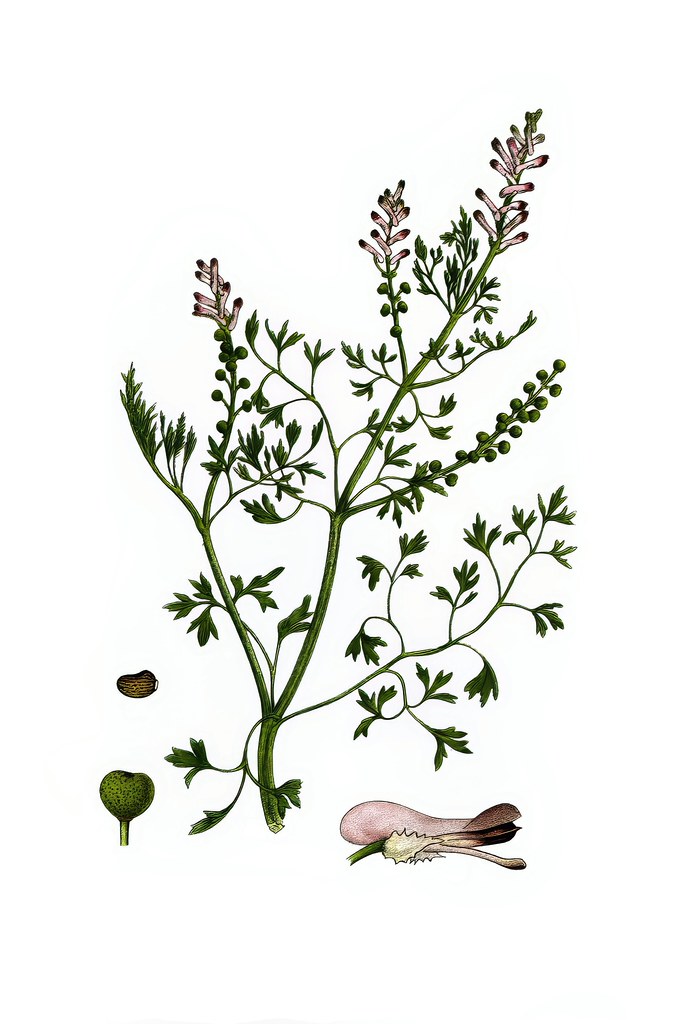
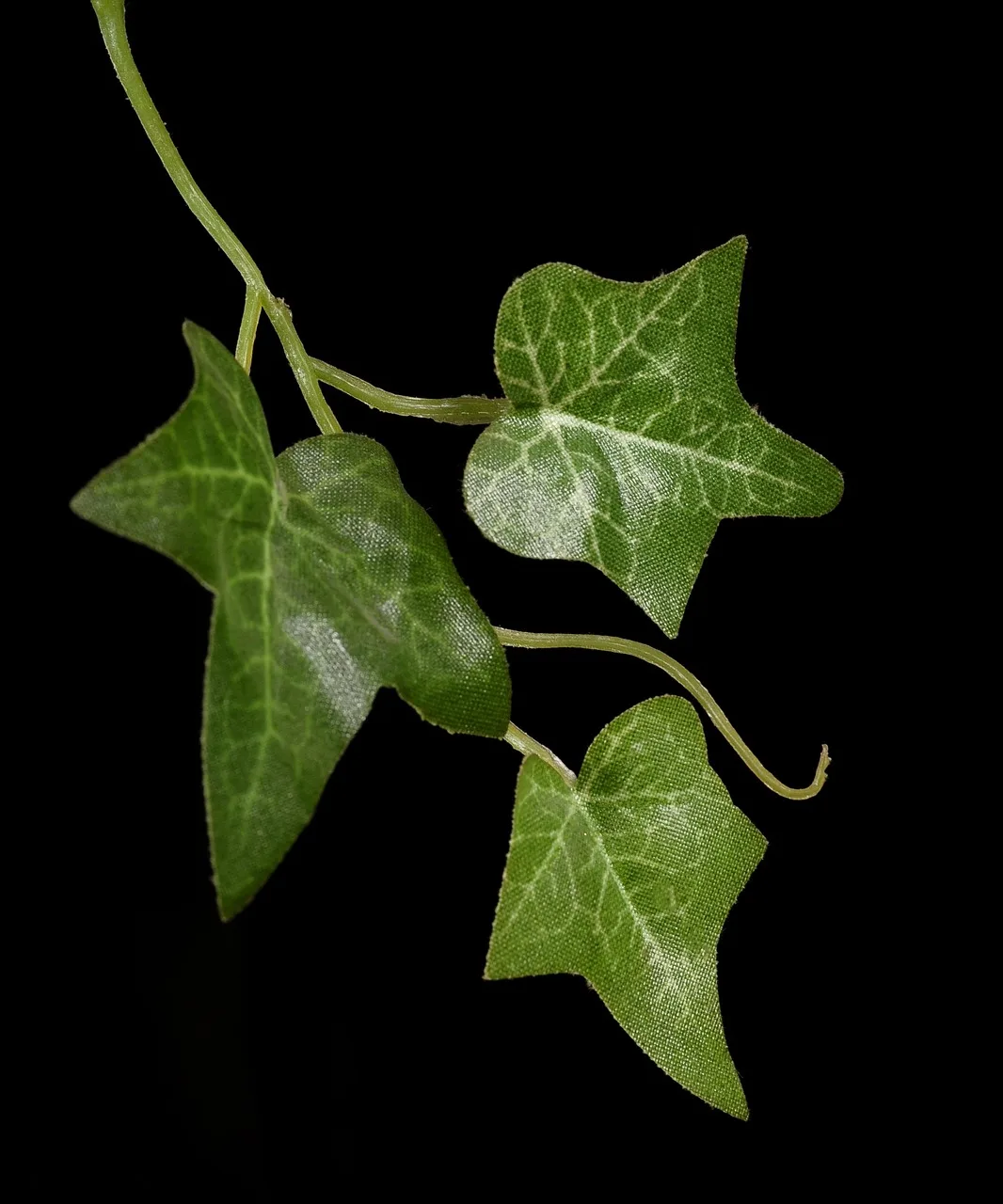
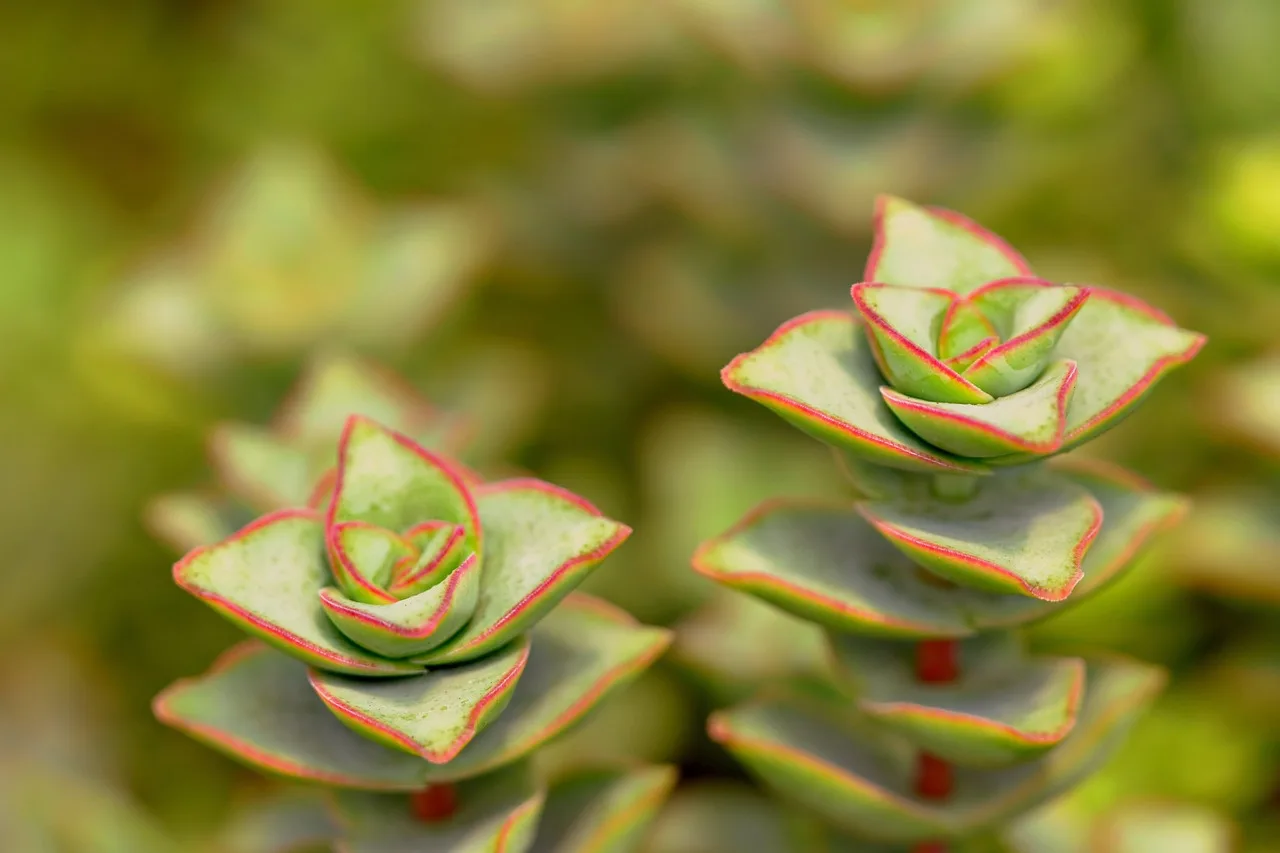
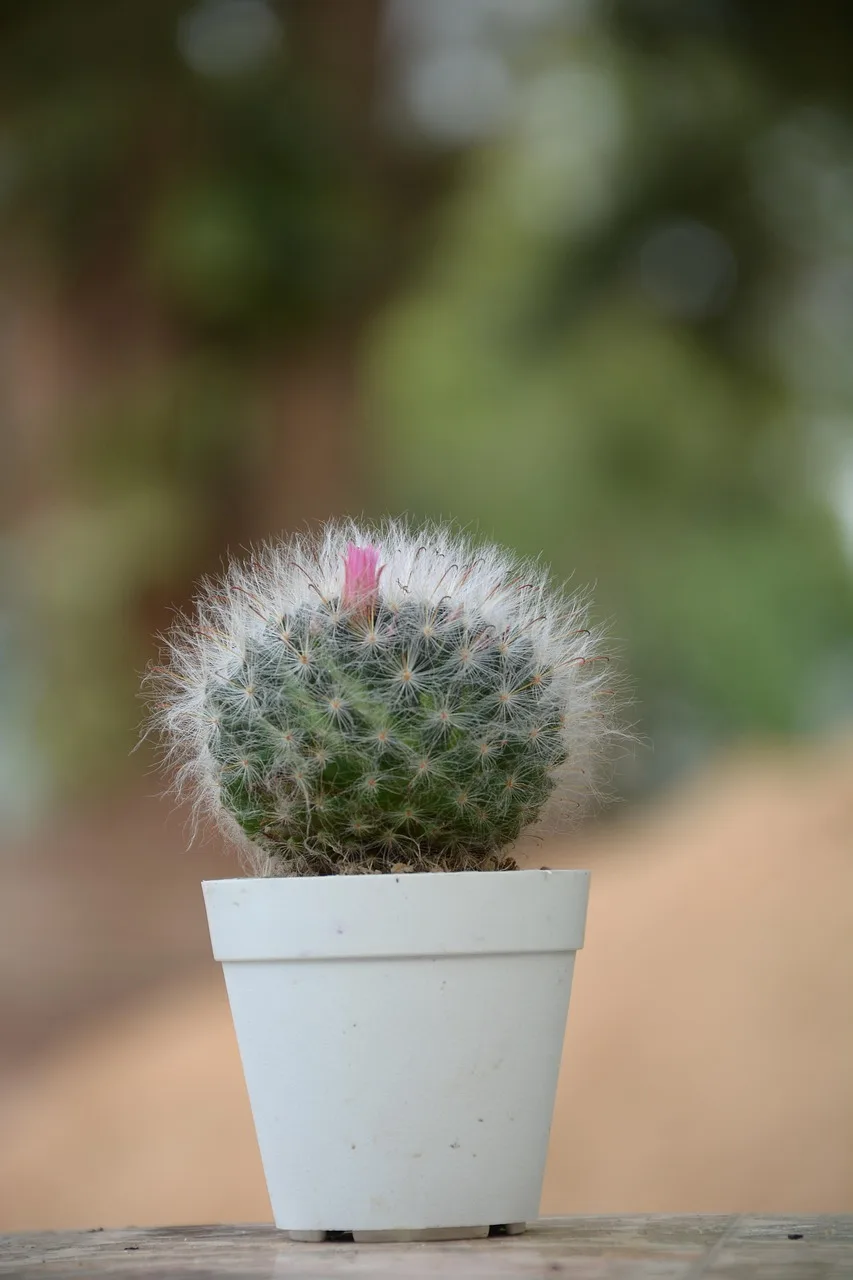
Çekim Tablosu
Belirtme (-i)bitkiyi
Yönelme (-e)bitkiye
Bulunma (-de)bitkide
Çıkma (-den)bitkiden
Tamlayan (-in)bitkinin
Çoğul (-ler)bitkiler
Tanım
•isim, bitki bilimi: Bulunduğu yere kök vb. organlarıyla tutunan, çoğunlukla fotosentez sonucu yaşam için gerekli bileşenleri oluşturan, birçoğu spor veya tohum aracılığıyla döl vererek çoğalan bir veya çok yıllık, otsu, odunsu canlıların genel adı; nebat
Diğer Dillerde
plant · a person who has been raised in a given region or educated in a given institution, especially a young talent · ulcer, tumor
çekim: çoğul Gewächse · tamlayan Gewächses
eş: Pflanze, Wein, Geschwulst
köken: From Middle High German gewehse, variant of commoner gewahs. Collective formation from the root of wachsen (“to grow”). Compare Dutch gewas.
aile: gewächsartig
Vegetation — Bitki Örtüsü
sole of the foot
çekim: çoğul plantes
köken: Inherited from Old French, inherited from Latin planta (“sole of the foot”), from Proto-Italic *plāntā, from Proto-Indo-European *pléh₂-n̥t-eh₂, from *pleh₂- (“flat”).
aile: plante d'intérieur
Végétation — Bitki Örtüsü
İspanyolcacolocar, fabricación, gulay, hortaliza, infiltrar, legumbre /koloˈkaɾ/
to place · to put · to get in
çekim: geçmiş coloqué · ortaç colocado · şimdiki coloca
köken: Borrowed from Latin collocāre (“place, put, assemble”). Compare the inherited doublet colgar. Cognate with English collocate and couch.
aile: colocación
(Risas) Así que esta planta comenzará a decir: — Bu bitki
No pude colocar palabras.
İtalyancapianta, piantare, vegetale (dişil) /ˈpjan.ta/
plant, tree · sole
çekim: çoğul piante
eş: albero, arboscello, arbusto, erba, vegetale, carta topografica
köken: From Latin planta, from Proto-Italic *plāntā, from Proto-Indo-European *pléh₂-n̥t-eh₂, from Proto-Indo-European *pleh₂- (“flat”).
Vegetazione — Bitki Örtüsü
Rusçaрастение (nötr) /rɐˈsʲtʲenʲɪje/
plant (living organism)
çekim: çoğul расте́ния · tamlayan расте́ния
köken: раст- (rast-) + -е́ние (-énije). Compare typologically о́вощ (óvošč) (<<~ Proto-Indo-European *h₂weg-, whence also Lithuanian augti, whence augalas); были́нка (bylínka), быльё (bylʹjó) (akin to прибы́ть (pribýtʹ), прибыва́ть (pribyvátʹ)), Ancient Greek φυτόν (phutón) << φύω (phúō). Also compare English grass (akin to grow; both ultimately from Proto-Indo-European *gʰreh₁-, whence also Latin…
Растительность — Bitki Örtüsü
Arapçaبَقْلَة, خُضَار, خُضَر, خَضْرَاوَات, خَضْرَاوِيّ, زَرَعَ
لذا وكما تعلمون، فإن هذه النبتة — Bu bitki
Farsçaکاشتن /kaːʃ.ˈtan/
to sow · to plant; to grow (a plant; also figuratively) · to stand someone up; to leave hanging (like a tree that has been "planted" and cannot move)
çekim: geçmiş کاشت · ortaç کاشته · şimdiki میکارد · ulaç کارنده
köken: From Middle Persian [script needed] (kyštn' /kištan/) — the vowel changed in New Persian under the influence of the present stem [script needed] (kʾl- /kār-/) — from Proto-Iranian *karH-, from Proto-Indo-Iranian [Term?], from Proto-Indo-European [Term?]. Compare Ossetian калын (kalyn, “to pour”), Central Kurdish کێڵان (kêllan, “to plough”), Pashto کرل (karəl, “to sow”), Sanskrit किरति…
در درون سینه مهرش کاشتند نایب عیساش میپنداشتند
باز منو کاشتی رفتی تنها گذاشتی رفتی دروغ نگم به جز من یکی دیگه داشتی رفتی
Azericebitki, əkmək, quraşdırmaq, tərəvəz, yerləşdirmək, بیتکی /bitˈki/
plant (organism capable of photosynthesis)
çekim: çoğul bitkilər · tamlayan bitkinin
köken: From bit- + -ki.
Dindarlarįn hamįsį, bitƣilərin, hejvanlarįn və təbiətdə ƣyja qi, xusysi bir jer dytan insanįn da allah tərəfindən jaradįldįgįna inanįrlar.
Tatarcaүсемлек, яшелчә
plant
köken: From үсем (üsem) + -лек (-lek). Cognate to Bashkir үҫемлек (üśemlek), etc.
Felemenkçeplant (dişil) /plɑnt/
plant, any member of the kingdom Plantae · cabbage, vegetable (person with severe brain damage)
çekim: çoğul planten
eş: voetzool
köken: From Middle Dutch plante, from Latin planta. Doublet of clan.
aile: aardbeienplant, bananenplant, drachtplant, hangplant, kamerplant, kasplant, kiemplant, klimplant, lampionplant, landplant
Vegetatie — Bitki Örtüsü
Portekizceaparelhagem, erva, hortaliça, legume, leguminoso (dişil) /a.pa.ɾeˈʎa.ʒẽj̃/
a collection of devices, gear · plant (industrial apparatus or machinery) · mini hi-fi system, mini hi-fi, mini stereo system
çekim: çoğul aparelhagens
eş: mecanismo
köken: By surface analysis, aparelho (“device”) + -agem. Aparelho from Latin appariculum, diminutive of apparātus (“device”)
Vegetação — Bitki Örtüsü
vegetable (edible plant) · vegetables (in general) · greenstuff
çekim: çoğul λαχανικά · tamlayan λαχανικού
eş: χόρτα
köken: From λάχανο (láchano) + the neuter form of -ικός (-ikós).
Βλάστηση — Bitki Örtüsü
vegetable
köken: Borrowed from English vegetable.
「暑くなってきたよ」と言い始め — Bu bitki
Korece식물 /ɕʰiŋmuɭ/
plant
köken: Sino-Korean word from 植物, from 植 (“planting”) + 物 (“thing”)
aile: 기생식물(寄生植物), 목본식물(木本植物), 식물학(植物學), 초본식물(草本植物)
그러니까 이 식물은 — Bu bitki
İsveççegrönsak, plantera, växt
a vegetable · a vegetable (severely physically or mentally impaired person (unable to take care of themselves, with a dull-seeming existence))
çekim: çoğul grönsaker · tamlayan grönsaks
köken: Compound of grön (“fresh, green”) + sak (“[food] item”), as in not dried or in other ways preserved. Originally likely referring to the quality of the food (fresh vegetables, fruits, herbs, etc.), later becoming the specific food type (vegetables). First attested in 1765.
Vegetation — Bitki Örtüsü
Grönsaker är nyttigt
grönsakssoppa
Han ville inte bli en grönsak på hemmet
Lehçejarzyna, jarzynowy, podkładać, podłożyć, podrzucać, podrzucić (dişil) /jaˈʐɘ.na/
vegetable (plant) · vegetable dish · vegetable seeds
çekim: çoğul jarzyny · tamlayan jarzyny
eş: jarzynka
köken: Etymology tree Polish jary Proto-Indo-European *-iHneh Proto-Balto-Slavic *-īˀnāˀder. Proto-Slavic *-ina Old Polish -ina Polish -ina Polish -yna Polish jarzyna From jary + -yna.
Roślina może zacząć mówić, — Bu bitki
Ukraynacaо́воч, посади́ти, росли́на, росли́нний, саджа́ти, сади́ти
Рослинність — Bitki Örtüsü
(green) vegetables
çekim: çoğul तरकारियाँ
köken: Borrowed from Classical Persian تره (tara, “vegetable”) + Tamil கறி (kaṟi). Compare Assamese তৰকাৰী (torkari), Bengali তরকারী (torkari).
रोज़ नौकर से तरकारी मँगाई जाती है.
Finceasettaa, asuttaa, istuttaa, juntata, juurruttaa, kasvi /ˈɑsetːɑːˣ/
to put, place, set, (move into) position, locate · to set up, found, institute (usually as an administrative order) · to arrange, compose, organise/organize, coordinate
çekim: geçmiş asettanut · şimdiki asettaisi · ulaç asettava
köken: From Proto-Finnic *asëttadak. Equivalent to asea + -ttaa.
aile: asetanta, asete, asetin, asettaja, asettaminen, asetus, asetella, asettautua, asettua, asetuttaa
Korkeus merenpinnasta — Bitki Örtüsü
asettaa ehdoksi
asettaa etusijalle
asettaa kyseenalaiseksi
Çekçerostlina, sázet, zasadit, zelenina (dişil) /ˈrostlɪna/
plant
çekim: çoğul rostliny · tamlayan rostliny
aile: rostlinář, rostlinstvo
Rostlinstvo — Bitki Örtüsü
Rumencelegumă, plantă, vegetală (dişil)
vegetable
çekim: çoğul legume · tamlayan legume
köken: Inherited from Latin legūmen.
Planta o să spună: — Bu bitki
Macarcaberendezés, gépállomány, géppark, lágy szárú növény, letelepít, növény /ˈbɛrɛndɛzeːʃ/
verbal noun of berendez · furnishing, furniture · equipment, apparatus, set
çekim: çoğul berendezések
köken: berendez + -és
aile: berendezési
Az egész növény mérgező. — Bitki zehirlidir.
İbraniceיֶרֶק, נטע, צֶמַח, שָׁתַל (eril)
to plant, implant (also figurative) · to strike in, fix.
çekim: geçmiş נָטַעְתָּ
אז, אתם יודעים, הצמח הזה — Bu bitki
בְּגַנִּי נְטַעְתִּיךָ, / בְּגַנִּי הַמֻּצְנָע – בְּלִבִּי. In my garden I planted you / In my humbled garden – in my heart.
עוֹד לֹא נָטַעְתִּי כֶּרֶם עַל כָּל גִּבְעוֹת הַגִּיר
grass, herbage · herb · weeds
çekim: çoğul herbae · tamlayan herbae
köken: Etymology tree Proto-Indo-European *gʰreh₁-der. Proto-Indo-European *gʰer-dʰ? Latin herba Traditionally derived from Proto-Indo-European *gʰer-dʰ, from Proto-Indo-European *gʰreh₁- (“to grow, become green”), and compared to grāmen (“grass, turf”) and English grass. However, De Vaan is skeptical of this derivation, preferring the variant *ǵʰreh₁-, noting that *gʰer-dʰ cannot be derived from this…
aile: herbāceus, herbāns, herbāria, herbārium, herbārius, herbāticus, herbeus, herbidus, herbifer, herbilis
alternative spelling of grøntsag
çekim: çoğul grønsager · tamlayan grønsags
Vegetation — Bitki Örtüsü
Norveççegrønnsak, vegetabilsk
Rie er et tørkehus for korn. — Lale, bir süs bitkisidir.
Etimoloji
By surface analysis, bit- (“to sprout”) + -ki. Coined in 1935 during the language reform to replace the Arabic borrowing nebat. Perhaps a learned borrowing from Azerbaijani bitki or Gagauz bitki.
Deyimler
bitki evreni
bitki karımı
bitki kimyası
bitki paleontolojisi
bitki pelitçiği
bitki taslağı
bitki uyuzu
bitki zararlısı
Eş & Zıt Anlamlılar
Eş anlamlılar
Örnek Cümleler
Bu bitki
(Laughter)
O bitkindi.
He was tired out.
Tom bitkin.
Tom is pooped.
Bitki bilim
Botany
Bitki Örtüsü
Vegetation
Bitki ıslahı
Plant breeding
Bitki örtüsü
Flora
Bitkisel Tıp
Herbal
Ben bitkinim.
I'm knackered.
Çok bitkinim.
I'm so worn out.
Onlar bitkin.
They're exhausted.
Bu bir bitki.
It's a plant.
İlgili Sorular
İlgili / Bileşik Terimler
Genelbotany
Genelbotany
Genelphytogeography
Genelherbal tea
Genelplant physiology
Birleşik Kelimeler
bitki bilimibitki bitleribitki coğrafyasıbitki çayıbitki naklibitki örtüsübitki patolojisibitki sütübitki topluluğuetli bitkitropik bitkitropikal bitkiyağlı bitkianahtar bitkileraşağı bitkilerçiçekli bitkilerçiçeksiz bitkilertallı bitkilertohumlu bitkilerkültür bitkilerimera bitkilerisalon bitkilerisu bitkilerisüs bitkisi