Sözlük
/bisiklet
bisiklet
"bisiklet" kelimesinin İngilizcesi: bicycle, cycle, bicycle, bicycle, bicycle. Anlamı, çevirisi, telaffuzu ve örnek cümleler aşağıdadır.
Çeviri
Sporbicyclenoun
Genelcycle
Genelbicycle
Genelbicycle
Genelbicycle
Genelcycling
Genelcycling
Görsel
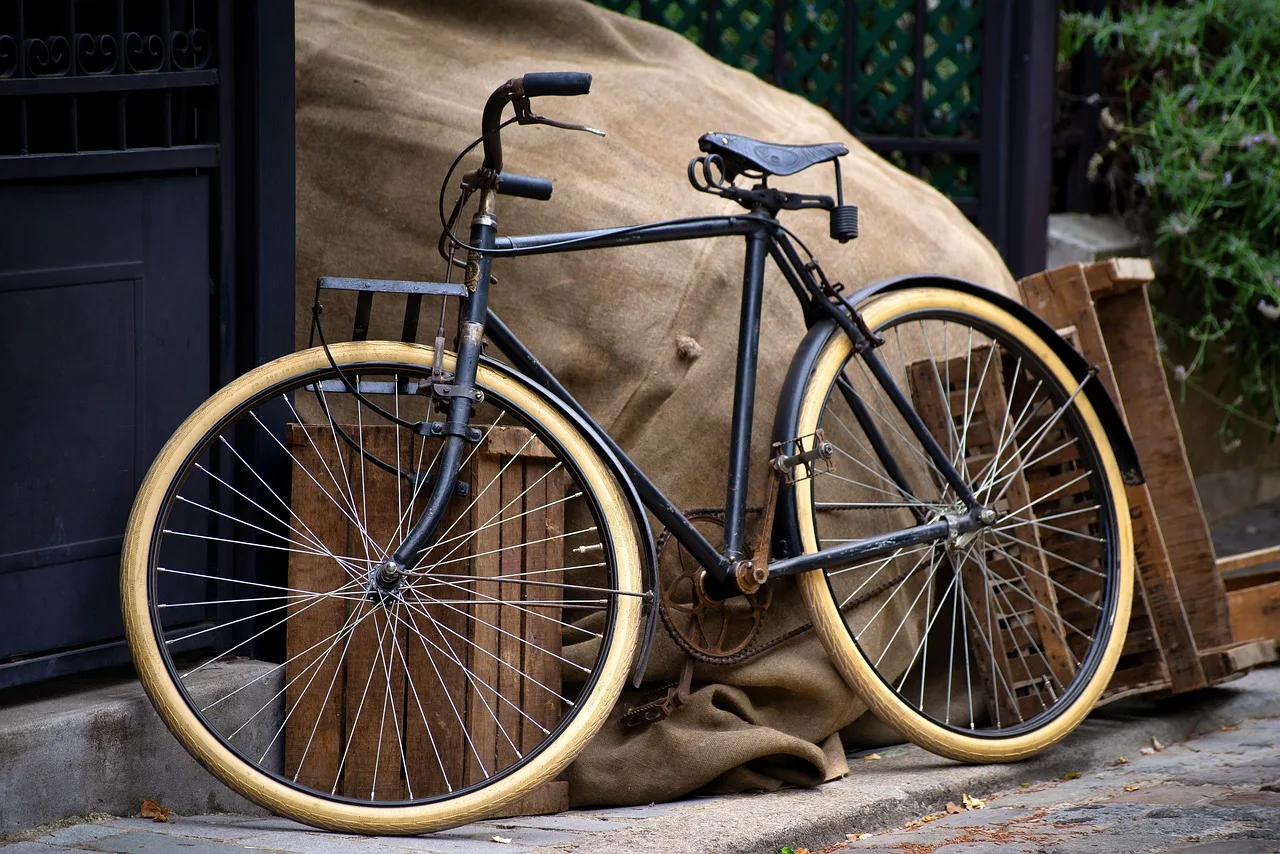
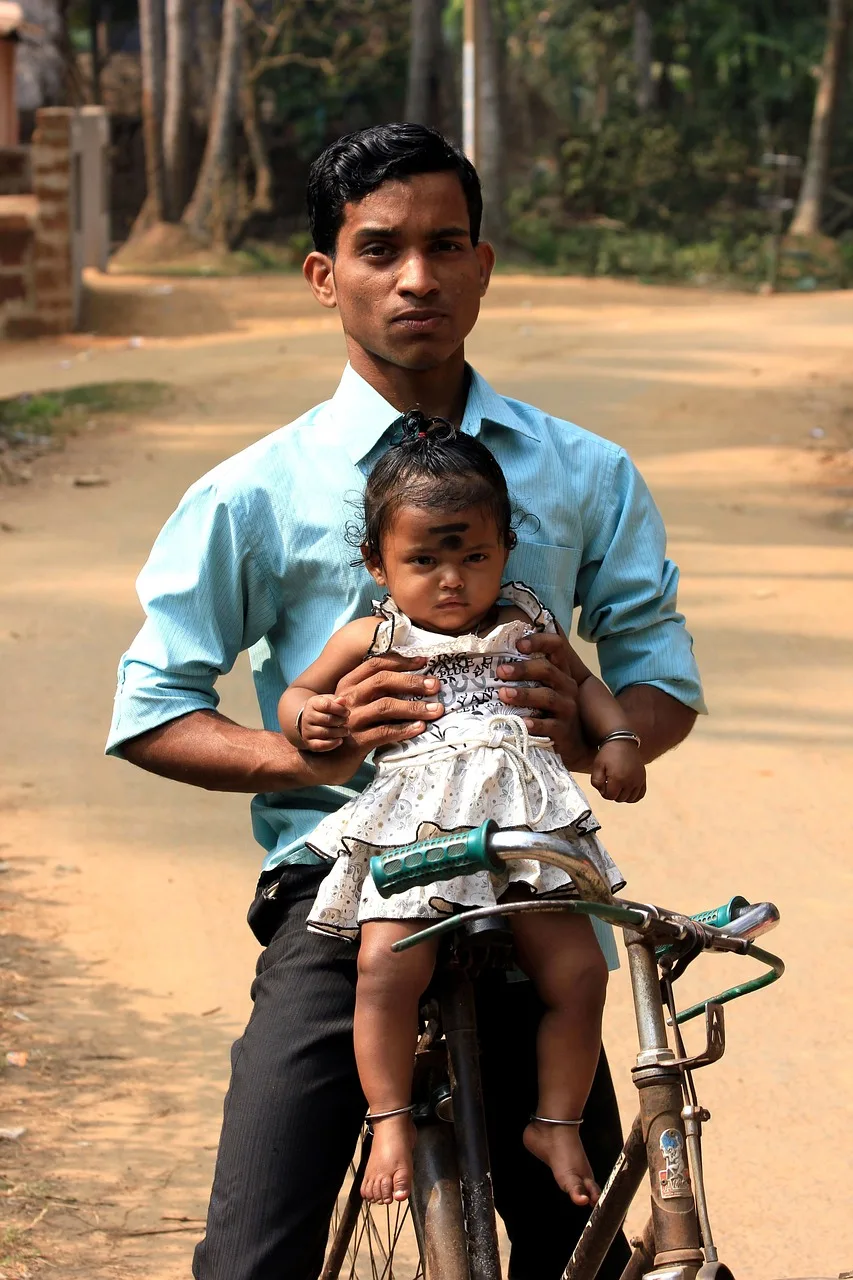
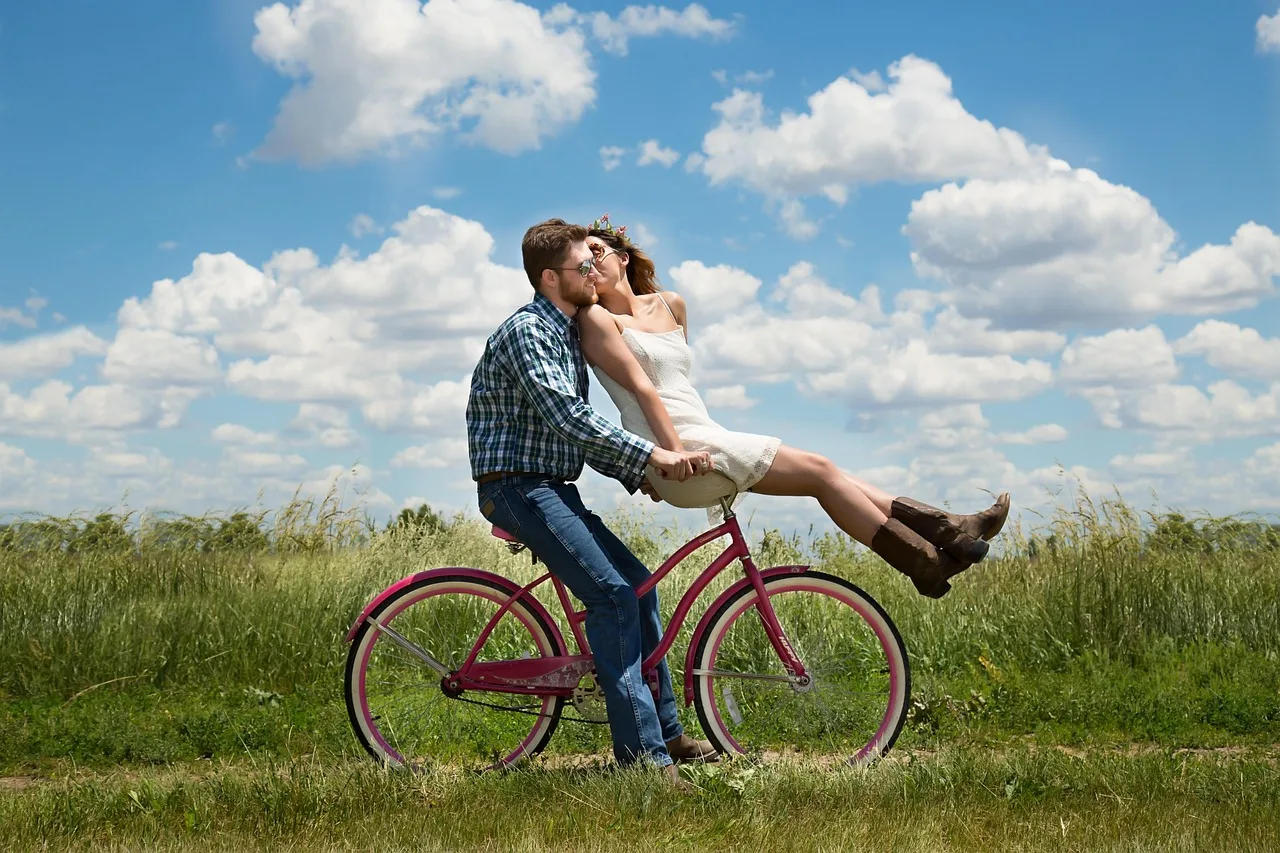
Çekim Tablosu
Belirtme (-i)bisikleti
Yönelme (-e)bisiklete
Bulunma (-de)bisiklette
Çıkma (-den)bisikletten
Tamlayan (-in)bisikletin
Çoğul (-ler)bisikletler
Tanım
•isim: Tekerlekleri pedal aracılığıyla ayakla döndürülen binek aracı; çiftteker, derrace, velespit
•spor: Bu araçla yapılan bir spor türü
Diğer Dillerde
bicycle
çekim: çoğul Fahrräder · tamlayan Fahrrads
eş: Namibia, Bike, Drahtesel, Drahtross, Esel, Hirsch
köken: From fahren (“drive/ride”) + Rad (“wheel”). Compare Dutch rijwiel.
aile: Damenfahrrad, Fahrradabstellplatz, Fahrraddieb, Fahrradhelm, Fahrradkette, Fahrradladen, Fahrradlenker, Fahrradleuchte, Fahrradparkplatz, Fahrradpumpe
Die Bieler Lauftage (fr. — Bisiklet (Fr.
Fransızcabécane, bicyclette (dişil) /be.kan/
bike, bicycle · motorbike · 'puter, computer
çekim: çoğul bécanes
köken: Uncertain, suggested to be from the argot word bécant, ultimately from bec, the implication being that the squeaking of an old bicycle resembles the chirping of a bird.
aile: rangé des bécanes, se ranger des bécanes
Ce vélo m'appartient. — Bu bisiklet benim.
La jeune fille ne répondit pas et le duo mal assorti poursuivit sa route en silence, marchant chacun à côté de sa bécane.
İspanyolcabici, bicicleta, ciclear, ciclo (dişil) /ˈbiθi/
clipping of bicicleta: bike
çekim: çoğul bicis
köken: Shortening of bicicleta.
aile: carril bici
El Carretón (D.M.) — Bisiklet (Fr.
İtalyancabicicletta, programma, velocipede (dişil) /bi.t͡ʃiˈklet.ta/
bicycle
çekim: çoğul biciclette
eş: ciclo, biciclo, due ruote, bici, velocipede
köken: Borrowed from French bicyclette.
aile: bici, bicicletta da corsa, biciclettata, biciclo
La bici è mia. — Bisiklet benim.
Rusçaвелосипед (eril) /vʲɪɫəsʲɪˈpʲet/
bicycle, bike · bicycle crunch
çekim: çoğul велосипе́ды · tamlayan велосипе́да
eş: велик, вел, велодрын, байк, лисапед, лисапет
köken: Etymology tree Proto-Indo-European *h₂weh₁-der. Latin velox Proto-Indo-European *ped- Proto-Indo-European *-s Proto-Indo-European *pṓds Proto-Italic *pets Latin pēs French vélocipèdebor. Russian велосипе́д Borrowed from French vélocipède, from Latin vēlōx (“fast”) + pedēs (“feet”). Compare English velocipede.
Чей это велосипед? — Bu kimin bisikleti?
Arapçaدراجة هوايية
طواف العالم للدراجات. — Beylikdüzü Bisiklet Yolları .
wheel · cart · sewing machine
çekim: çoğul چرخها
köken: From Middle Persian 𐫝𐫍𐫡 (chr /čahr/, “wheel, cycle”), from Proto-Iranian *čaxrám (compare Avestan 𐬗𐬀𐬑𐬭𐬀 (caxra, “wheel”)), from Proto-Indo-Iranian *čakrám (compare Sanskrit चक्र (cakrá)), from Proto-Indo-European *kʷékʷlos (“wheel, circle”).
aile: دوچرخه, چرخاب, چرخان, چرخدار, چرخه, چرخچی, چرخک, چرخیدن, چرخانداز, چرخخورده
wheel · bicycle
çekim: çoğul çarxlar · tamlayan çarxın
köken: From Persian چرخ (čarx).
dulus çarxı
Kazakçaвелосипед
bicycle
çekim: çoğul велосипедтер · tamlayan велосипедтің
köken: Borrowed from Russian велосипе́д (velosipéd), from French vélocipède, from Latin vēlōx (“fast”) + pedēs (“feet”).
aile: велосипедші
Felemenkçefiets (dişil) /fits/
bicycle · motorbike
çekim: çoğul fietsen
eş: rijwiel, stalen ros, tweewieler
köken: Unknown. Various hypotheses exist: * A corruption of French vélocipède, via an intermediate fieselepee or fietsepee. * Named after bike seller E.C. Viets from Wageningen. * From the dialectal verb vietsen (“to move quickly”). * From German Vize as short for Vizepferd (literally “surrogate horse”).
aile: bakfiets, bierfiets, bromfiets, damesfiets, fietsbel, fietsboot, fietsbrug, fietsen, fietsenhok, fietsenmaker
Deze fiets is van mij. — Bu bisiklet benim.
Gisteren heb ik een nieuwe fiets gekocht.
Portekizcebicicleta (dişil) /bi.siˈklɛ.tɐ/
bicycle (vehicle) · bicycle kick (a kick in which the kicker leans backwards and kicks the ball back over his head)
çekim: çoğul bicicletas
köken: Borrowed from French bicyclette, from Latin bi- (“two”) + Ancient Greek κύκλος (kúklos, “circle, wheel”).
aile: bici, bicicleta de montanha, bicicleta ergométrica, bicicleta estática, bicicletaria, bicicletário, bicicleteiro, bicicletinha, bicicletona, biciclizar
Esta bicicleta é minha. — Bu bisiklet benim.
Yunancaκύκλος, ποδήλατο, ποδηλατώ (eril)
circle · period, cycle · series, cycle
çekim: çoğul κύκλοι · tamlayan κύκλου
köken: Inherited from Ancient Greek κύκλος (kúklos).
aile: γιγάκυκλος, ημικύκλιο, φαύλος κύκλος
«Γαλλικά αρχεία». — "Fransa bisiklet takımı".
a bicycle
köken: short for チャリンコ (charinko) Occasionally explained as a shortening of チャリオット (chariotto) from English chariot, from the sense of two-wheeled vehicle. However, this appears to be a folk etymology. Ultimate derivation unknown. See チャリンコ for details.
aile: チャリ通, ママチャリ: a, with baskets in front and back, or possibly a child seat in back, ババチャリ: an, a bicycle ridden by an elderly woman, カマチャリ: a, 原チャリ
これは私の自動車です。 — Bu benim bisikletim.
bicycle
eş: 자전차
köken: Orthographic borrowing from Japanese 自轉車 (jitensha) (modern spelling 自転車), coined in Japan in 1870 in reference to a patented tricycle design. Later used to refer to bicycles.
aile: 외발자전거, 산악자전거(山岳自轉車)
그는 자전거가 하나도 없다. — Onun bir bisikleti yok.
자전거를 탈 때는 안전모를 써야 한다.
İsveççecykel, cykla, program, tvåhjuling /ˈsʏkel/
a bicycle, a bike · a cycle, a period
çekim: çoğul cyklar · tamlayan cykels
köken: Both senses trace their origin to Late Latin cyclus. In the sense of a bicycle, the path goes through English and Danish. In the sense of a period, the path is more direct.
aile: cykelaffär, cykelavstånd, cykelbana, cykelbud, cykelbyxor, cykelcape, cykelcross, cykeldäck, cykelfält, cykelgata
Fransk mountainbikecyklist. — "Fransa bisiklet takımı".
Lehçecykl, jechać na rowerze, jeździć na rowerze, obrót, rower (eril) /ˈt͡sɘkl/
cycle (of events) · cycle (of printed books, etc.)
çekim: çoğul cykle · tamlayan cyklu
köken: Borrowed from French cycle, from Late Latin cyclus, from Ancient Greek κῠ́κλος (kŭ́klos), from Proto-Indo-European *kʷékʷlos (“circle, wheel”). Doublet of czakra (“chakra”).
aile: acykliczny, cykliczny, niecykliczny, cyklicznie, aerocykl, autocykl, biocykl, cykliczność
To mój rower. — Bu bisiklet benim.
Ukraynacaро́вер
Я не вмію їздити на велосипеді. — Bisiklet süremem.
internal, interior · interval, period
çekim: çoğul अंतरालों
köken: Borrowed from Sanskrit अन्तराल (antarāla).
(mathematics) interval
bike (bicycle)
çekim: çoğul fillarit · tamlayan fillarin
köken: From Swedish filociped, from velociped (“bicycle”) through a sort of Swedish Pig Latin called fikon.
aile: fillaroida, fillaripoliisi, fillaritaksi
Pyörä on minun. — Bisiklet benim.
Çekçebicykl, cyklus, jizdní kolo, kolo (eril) /ˈbɪt͡sɪkl̩/
bicycle, bike
çekim: çoğul bicykly · tamlayan bicyklu
eş: jízdní kolo, velociped
aile: bicyklový
Je zde také cyklistické muzeum. — Bisiklet müzesi de vardır.
bicycle
çekim: çoğul biciclete · tamlayan biciclete
köken: Borrowed from French bicyclette.
Nu-mi place să merg pe bicicletă. — Bisikletle gitmeyi sevmem.
Macarcabicaj, bicikli, biciklizik, bringa, bringázik, canga /ˈbit͡sɒj/
bike
çekim: çoğul bicajok
köken: Shortened from bicikli (“bicycle”) + -aj. For the suffix, the references differ: Either of Yiddish origin or a diminutive suffix.
aile: bicajos, bicajozik
Szépművészeti M.) — Bisiklet (Fr.
İbraniceאוֹפַנַּיִם, זוּג אוֹפַנַּיִם, מחזור, נסע באופניים (eril) /maχ(a)ˈzoʁ/
cycle (process) · turnover · A prayer book used on certain Jewish holidays, especially Rosh Hashanah and Yom Kippur
çekim: çoğul מַחְזוֹרִים
köken: Derived in Mishnaic Hebrew from חָזַר (khazár, “to return”).
aile: מַחְזוֹר הַדָּם, מַחְזוֹרִי
האופניים שלי. — Bisiklet benim.
inflection of birotus: · nominative/accusative/vocative neuter plural
çekim: çoğul birotae · tamlayan birotae
köken: From birotus.
to cycle, to ride a bicycle
çekim: geçmiş cyklede · ortaç cyklet · ulaç cyklende
köken: From cykel + -e
aile: cykling
Den politiske cykelrytter. — Türk bisikletçi.
Endonezcebersepeda, kereta angin, pit, sepeda /bərsəˈpeda/
to cycle (to ride a bicycle)
köken: Affixation of ber- + sepeda.
Sepeda motor trail dapat disewa di kawasan ini. — Parkta bisiklet kiralamak mümkündür.
Etimoloji
Fransızca
Kelime Ailesi
Eş & Zıt Anlamlılar
Örnek Cümleler
Bir bisikleti var.
He has a bicycle.
Bisikletimi buldu.
He found my bike.
Bu bisiklet benim.
This bicycle is mine.
Bu kimin bisikleti?
Whose bicycle is this?
Bu bisikleti yağla.
Oil this bicycle.
Bir bisikletim yok.
I don't have a bicycle.
Bir bisikletim var.
I have a bicycle.
Onun bisikleti mavi.
His bicycle is blue.
Bu benim bisikletim.
This is my bicycle.
O, bisikletle gitti.
He went by bicycle.
Bu Mike'ın bisikleti.
This is Mike's bicycle.
Bu bisiklet kimindir?
Whose is this bicycle?
İlgili Sorular
26 inçlik Shimano dağ bisikletinin hubundaki serbest dönüş kısmında kaç adet bilye bulunur?
Lance Armstrong, tarih boyunca en büyük bisikletçi midir?
BMX bisikleti alabileceğim online siteler hangileri?
Doğa rezervlerindeki dağ bisikleti rotalarını planlamak amacıyla Canberra’nın ateş yollarının haritalarını nereden bulabilirim?
Ağırlığı 350 lb'dan fazla olan kişiler için onaylı bir bisiklet üreten üreticiyi öğrenmek istiyorum.
İlgili / Bileşik Terimler
Genelbicycle helmet
Genelbicycle helmet
Birleşik Kelimeler
bisiklet yakabisiklet yolukondisyon bisikletitay tay bisikleti