Sözlük
/çıpa
çıpa
"çıpa" kelimesinin İngilizcesi: anchor, anchor. Anlamı, çevirisi, telaffuzu ve örnek cümleler aşağıdadır.
Çeviri
Denizcilikanchornoun
Genelanchor
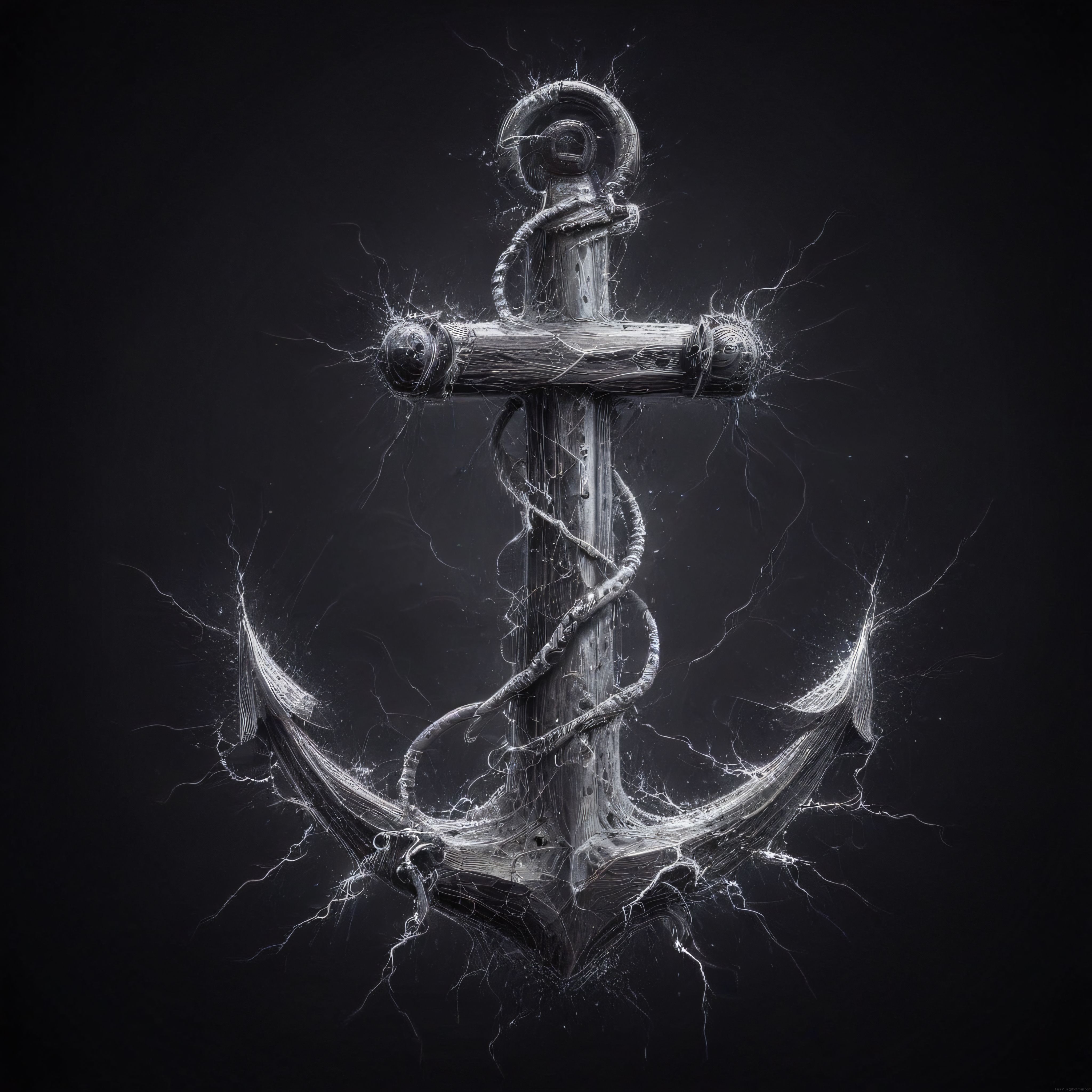
Görsel
Çekim Tablosu
Belirtme (-i)çıpayı
Yönelme (-e)çıpaya
Bulunma (-de)çıpada
Çıkma (-den)çıpadan
Tamlayan (-in)çıpanın
Çoğul (-ler)çıpalar
Tanım
•döviz kurlarını belirlemek için esas alınan ölçü
•Gemilerin dalgalara, akıntılara kapılarak yer değiştirmemesi için suya atılan, zincirle gemiye bağlı bulunan, ucu çengelli ağır demir araç; çapa, çipo, demir, lenger
•Döviz kurlarını belirlemek için esas alınan ölçü
•Gemilerin dalgalara, akıntılara kapılarak yer değiştirmemesi için suya atılan, zincirle gemiye bağlı bulunan, ucu çengelli ağır demir araç
Diğer Dillerde
AlmancaAnchorman, Anker, ankern, Ansager, Ansagerin, Chefsprecher (eril) /ˈɛŋkɐˌmɛn/
anchorman
çekim: çoğul Anchormen · tamlayan Anchormans
eş: Nachrichtenmoderator
köken: Borrowed from English anchorman.
Sie fand auf dem gleichen Areal statt. — Çıpa da aynı bölgede bulunmuştur.
Fransızcaancre, ancrer, annonceur, annonceuse, présentateur, présentatrice (dişil) /ɑ̃kʁ/
anchor (of a ship)
çekim: çoğul ancres
köken: From Old French ancre, from Latin ancora (“anchor”).
aile: ancrage, ancré, ancre de miséricorde, ancrer, jeter l'ancre, lever l'ancre
Surricates au même endroit. — Çıpa da aynı bölgede bulunmuştur.
anchor
çekim: çoğul anclas
eş: áncora
köken: Inherited from Old Spanish ancla, from Latin ancora, from Ancient Greek ἄγκυρα (ánkura). Doublet of áncora.
aile: ancla de leva, anclar, caña del ancla, cepo del ancla
Ganó el 'Golden Reel Award'. — Altın Çıpa (Golden Anchor) Ödülü’nü kazandı.
İtalyancaancora, àncora, ancorare, presentatore, presentatrice /anˈko.ra/
still · again · more
çekim: çoğul ancore
eş: al momento, al presente, anche adesso, anche ora, ancora oggi, attualmente
köken: Inherited from Vulgar Latin *hancōra, probably from Late Latin in hanc hōram (“until this hour”). Compare French encore, Occitan and Catalan encara.
aile: ancorché
Lavora ancora come barista.
Il gatto è scappato ancora.
Se possibile, vorrei ancora caffè.
Rusçaморск. якорь
Она находилась тогда в этом же регионе. — Çıpa da aynı bölgede bulunmuştur.
وعندما يأتي الامر إلى الالواح الصخرية — Alçıpanel denilince,
leading (ranking first)
çekim: karşılaştırma daha aparıcı · üstünlük ən aparıcı
köken: From apar- + -ıcı. The sense 'host' is a semantic loan from Russian веду́щий (vedúščij).
anchor
çekim: çoğul зәкірлер · tamlayan зәкірдің
köken: From Russian я́корь (jákorʹ).
Felemenkçeankeren, het anker uitwerpen, houvast bieden, omroeper, verankeren /ˈɑŋkərə(n)/
to anchor
çekim: geçmiş ankerden · ortaç geankerd · şimdiki ankert · ulaç ankerend
eş: meren, verankeren
köken: From anker + -en.
aile: beankeren, vastankeren, verankeren
Out There valt in dezelfde categorie. — Çıpa da aynı bölgede bulunmuştur.
Portekizceâncora, apresentar, locutor (dişil) /ˈɐ̃.ko.ɾɐ/
anchor (object that moors a vessel to the sea bottom) · anchor (that which gives stability or security)
çekim: çoğul âncoras
eş: pombeira, hiperligação
köken: From Old Galician-Portuguese ancora, from Latin ancora, from Ancient Greek ἄγκυρα (ánkura), from Proto-Indo-European *ang- (“corner, hirn”).
Que ficava no mesmo município. — Çıpa da aynı bölgede bulunmuştur.
Yunancaάγκυρα, αγκυροβολώ, εκφωνητής, εκφωνήτρια, σύνδεσμος (dişil) /ˈa(ŋ).ɟi.ra/
anchor
çekim: çoğul άγκυρες · tamlayan άγκυρας
köken: From Ancient Greek ἄγκυρα (ánkura).
ρίχνω άγκυρα
σηκώνω άγκυρα
Japoncaアナウンサー, アンカー, アンカーマン, ニュースキャスター /a̠na̠ɯ̟̃ɰ̃sa̠ː/
a media announcer, a TV or radio presenter
köken: Borrowed from English announcer.
aile: アナ
EcoRockを使えば 内包エネルギーが — Alçıpanel denilince,
an announcer, of a performance or broadcast
köken: Sino-Korean word from 放送 (“broadcast”) + 員 (“person”).
석고보드에 가서는 — Alçıpanel denilince,
an anchor (tool to hook a vessel into sea bottom) · anchor; an HTML/XHTML mark-up tag to define a position in a file, or a link to a URL.
çekim: çoğul ankares · tamlayan ankares
eş: ankar
köken: From Old Norse akkeri. Cognate with Icelandic akkeri.
aile: ankarblock, ankarbult, ankarfäste, ankargrund, ankarkätting, ankarlina, ankarplats, ankarspel, ankarstock, ankartross
4 februari 1894 – Adolphe Sax, saxofonens uppfinnare. — 6 Ağustos 1893) Augustine Sackett, Alçıpanın yaratıcısı.
Lehçekonferansjer, konferansjerka, kotwica, spiker, spikerka, zakotwiczyć (eril) /kɔn.fɛˈran.sjɛr/
anchorman, announcer, compere
çekim: çoğul konferansjerzy · tamlayan konferansjera
köken: Etymology tree Latin cōnferentiader. French conférence Proto-Indo-European *-yósder. Proto-Italic *-āzijos Latin -āriusnom. Latin -ārius Old French -ier Middle French -er French -ier French conférencierbor. Polish konferansjer Borrowed from French conférencier.
aile: konferansjerski, konferansjerstwo
Jak Chiny utrzymały stały kurs walutowy? — Bu durumda Çin, nasıl kur çıpası kullanabildi.
Охоплював ту ж територію. — Çıpa da aynı bölgede bulunmuştur.
declarant, proclaimer
çekim: çoğul घोषकों
köken: Learned borrowing from Sanskrit घोषक (ghoṣaka).
anchor (tool to hook a vessel into the seabed) · anchor (any of various instruments serving a purpose like that of a ship's anchor) · anchor (something that serves to provide a fixing point)
çekim: çoğul ankkurit · tamlayan ankkurin
köken: Borrowed from Old Swedish [Term?] (whence Swedish ancker, a variant of ankare; compare Old Swedish ankæri, ankar; perhaps adapted with -uri), ultimately from Old Norse akkeri, from Proto-Germanic *ankurô, itself ultimately from Latin ancora.
aile: ankkuroida, ankkuroitua, ajoankkuri, ankkurihissi, ankkurikauppa, ankkurikela, ankkuriketju, ankkurikettinki, ankkuriköysi, ankkurilapsi
Çekçekotva (dişil) /ˈkotva/
anchor
çekim: çoğul kotvy · tamlayan kotvy
köken: Inherited from Proto-Slavic *koty.
Je to množství aktiv, které vlastní čínští občané. — Bu durumda Çin, nasıl kur çıpası kullanabildi.
Rumenceancoră, crainic, crainică, prezentatoare, prezentator, reper (dişil)
anchor (tool to hook a vessel into sea bottom)
çekim: çoğul ancore · tamlayan ancore
köken: Borrowed from Latin ancora. Replaced the older anghiră from Greek άγκυρα (ágkyra). Cf. also Aromanian angurã.
Macarcabemondó, horgony, műsorközlő, tévébemondó, vasmacska /ˈhorɡoɲ/
anchor (tool to hook a vessel to the sea bottom)
çekim: çoğul horgonyok
köken: horog + -ony. Created during the Hungarian language reform, which took place in the 18th–19th centuries.
Latincesto /ˈstoː/
to stand · to stay, remain · to cost, to be set at, stand at (e.g., a price)
çekim: ortaç statum · şimdiki stat · ulaç stāns
zıt: desum
köken: From Proto-Italic *staēō, from earlier *staējō, from Proto-Indo-European *sth₂éh₁yeti, stative verb from *steh₂-. Cognate with Sanskrit तिष्ठति (tíṣṭhati) (root स्था (sthā)), Persian ایستا (istâ, “standing; stopping”), Old Norse standa, Ancient Greek ἵστημι (hístēmi), στάσις (stásis), Bulgarian стоя (stoja), Old English standan (whence English stand). By its appearance through Latin sound laws,…
aile: adsto, antestō, antistō, astō, circumstō, cōnstō, contrāstō, distō, exstō, īnstō
‘stat mihi nōn parvō virtūs mea: volnera testor
anchor: a tool used to moor a vessel to the bottom of a sea or river to resist movement
çekim: çoğul jangkar-jangkar
köken: From Malay jangkar, probably from Classical Persian لنگر (langar, “anchor”), probably from Ancient Greek ἄγκυρα (ánkura), from Proto-Indo-European *h₂enk- (“corner, hirn”). Doublet of angker, anjar, anjer, and anjir.
aile: jangkar buritan, jangkar cakar, jangkar cemat, jangkar danfort, jangkar garuk, jangkar haluan, jangkar keruk, jangkar kuku tunggal, jangkar lempar, jangkar nominal
Bagaimanapun juga dia mengatakan hal yang sama di Dead Zone. — Çıpa da aynı bölgede bulunmuştur.
Vietnamcamỏ neo, neo, phát thanh viên /mɔ˧˩ nɛw˧˧/
anchor
köken: Considering the classifier mũi (literally “nose”) used for neo, the element mỏ (“beak”) here is probably a fossilized classifier. If so, mỏ (obsolete classifier for anchor) + neo (“anchor”). Compare the element cửa (literally “door”) in cửa hàng, cửa hiệu, cửa tiệm, which also likely started as a classifier in these.
Etimoloji
İtalyanca ceppo (it)
Eş & Zıt Anlamlılar
Örnek Cümleler
Sami bir çıpa bebek.
Sami is an anchor baby.
Neredeyse çıpalı gibi.
We talked about how a central bank can peg a currency by buying and selling reserves of US dollars.
Duvarlar alçıpandan yapılır.
The walls are made from drywall.
Alçıpan alçıtaşından yapılır.
Drywall is made from gypsum.
Çıpa da aynı bölgede bulunmuştur.
The anchor was found in the same general area.
Fadıl'ın çıpası, teyzesi Leyla'ydı.
Fadil's anchor was his aunt Layla.
Bu durumda Çin, nasıl kur çıpası kullanabildi.
So how did China keep its currency pegged.
Alçıpanı Esnek Kanala vidalamak için ince dişli vidalar kullanılır.
Fine thread screws are used to screw the drywall into the Resilient Channel.
Sert esen rüzgar bazı Venedik gemilerine hasar vermiş ve onları çıpada kalmaya zorlamıştır.
Strong winds damaged some Venetian ships and forced them to remain at anchors.