Sözlük
/vapur
vapur
"vapur" kelimesinin İngilizcesi: steamship, steamboat, ship, steamer. Anlamı, çevirisi, telaffuzu ve örnek cümleler aşağıdadır.
Çeviri
Denizciliksteamshipnoun
Denizciliksteamboatnoun
Genelship
Genelsteamer
Görsel
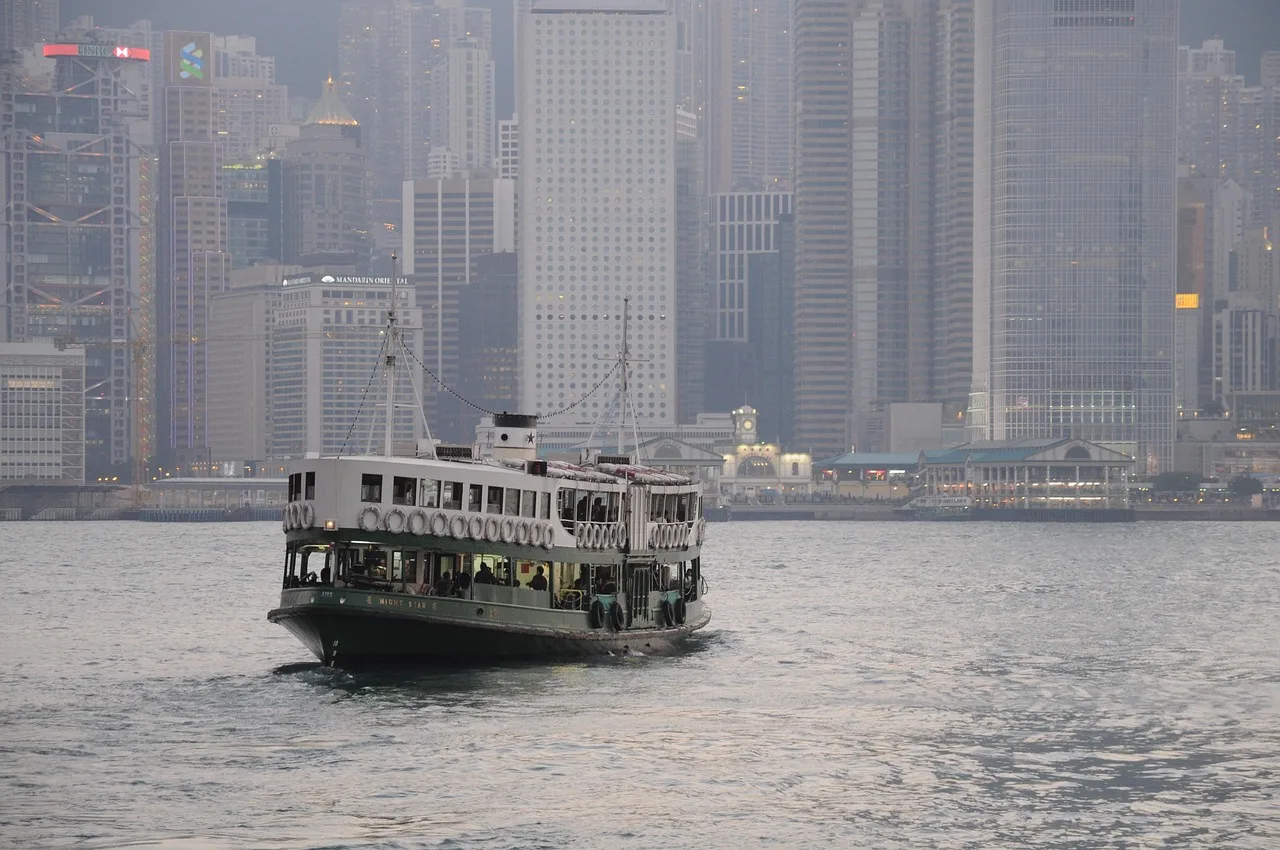

Çekim Tablosu
Belirtme (-i)vapuru
Yönelme (-e)vapura
Bulunma (-de)vapurda
Çıkma (-den)vapurdan
Tamlayan (-in)vapurun
Çoğul (-ler)vapurlar
Tanım
•isim: Su buharı gücüyle çalışan gemi
Diğer Dillerde
Almancafähre (dişil) /ˈfɛːrə/
ferry
çekim: çoğul Fähren · tamlayan Fähren
eş: Fährschiff
köken: From northern Middle High German ver(e) (13th c.), from Old High German *fera, from Proto-Germanic *farjǭ (“ferry”), derived from *farjaną (“to bring, carry”), the causative of *faraną (“to travel”), whence German fahren. Analogy with this verb caused the modern ⟨ä⟩-spelling. The word was at first chiefly Central German, later being reinforced by cognate Middle Low German vēre. Upper German…
aile: Fährbetreiber, Fährbetrieb, Fährboot, Fährdienst, Fährgeld, Fährgesellschaft, Fährhafen, Fährhaus, Fährkahn, Fährlinie
Also muss sie die Fähre genommen haben. — Yani vapurla gelmiş olması gerekir.
Fransızcabateau, bateau à vapeur, cuit-vapeur, expédier, marmite à vapeur, navire (eril) /ba.to/
a vessel of any size, a ship or boat
çekim: çoğul bateaux
eş: bidon
köken: From Old French batel, Anglo-Norman bat, from Old English bāt (English boat) + suffix from Latin -ellus. It displaced the native word nef, which comes from Latin navis.
aile: bateau à vapeur, bateau de plaisance, bateau pilote, bateau-mouche, être dans le même bateau, mener en bateau
Book a Cruise That's a Pleasure. — Mecidiye, bir vapur şerketi.
boat (usually with a concave hull)
çekim: çoğul barcos
eş: bajel, buque, embarcación, nave, navío
köken: From barca.
aile: barco de vapor, barco dragón, barco lanzatorpedos, barco pesquero, barco pirata, escote barco
Por lo que debió subir a ese transbordador. — Yani vapurla gelmiş olması gerekir.
İtalyancaastronave, bastimento, battello, battello a vapore, dirigibile, imbarcare (dişil) /as.troˈna.ve/
spaceship · starship
çekim: çoğul astronavi
eş: navicella, missile, razzo, capsula spaziale, veicolo spaziale, nave spaziale
köken: From astro- + nave.
Quindi deve averlo preso. — Yani vapurla gelmiş olması gerekir.
Rusçaпароход (eril) /pərɐˈxot/
steamboat, steamer, steamship
çekim: çoğul парохо́ды · tamlayan парохо́да
eş: пироскаф, паровоз
köken: From пар (par, “steam”) + -о- (-o-) + *ход (*xod), a deverbal agentive form of ходи́ть (xodítʹ, “to go”).
Продажей велосипедов занимался Салганик. — Selanik'ten vapura bindirildiler.
На сле́дующий день мы собрали́сь осмотре́ть но́вую га́вань и прише́дший из Австра́лии парохо́д.
ولذلك كان من البديهي أنها استقلت العبارة من هناك. — Yani vapurla gelmiş olması gerekir.
Azericegəmi, göndərmək /ɟæˈmi/
ship
çekim: çoğul gəmilər · tamlayan gəminin
köken: From Proto-Turkic *kẹ̄mi (“boat”). Cognate with Crimean Tatar and Turkish gemi, Chuvash кимӗ (kimĕ) etc.
aile: buxar gəmisi
gəmiyə minmək
gəmi ilə səyahət
gəmi ilə getmək
boat · ship
çekim: çoğul кемелер · tamlayan кеменің
köken: From Proto-Turkic *gẹ̄mi (“boat, vessel”). Cognate with Old Uyghur 𐽷𐽹𐽶 (kémi); Kyrgyz кеме (keme), Uzbek kema, Shor кебе, Tuvan хеме (xeme), Azerbaijani gəmi, Turkish gemi, etc.
ship
çekim: çoğul kemalar · tamlayan kemaning
köken: From Proto-Turkic *kēmi. Cognates with Turkish gemi.
Felemenkçestoomboot, boot
Hij werd gered door een Russisch schip. — Bir Rus vapuruna binmişti.
Portekizcebarco, ferryboat, vapor (eril) /ˈbaʁ.ku/
boat (water craft)
çekim: çoğul barcos
köken: From barca (“barge”), from Latin barca, from Ancient Greek βᾶρις (bâris, “an Egyptian boat”), from Coptic ⲃⲁⲁⲣⲉ (baare, “small boat”), from Egyptian bꜣjr (“transport ship, type of fish”), b-bA-A-y:r*Z1-P1 Compare English barque, barge.
"Por isso ela tinha de ter apanhado o ferry. — Yani vapurla gelmiş olması gerekir.
Yunancaαποστέλλω, ατμόπλοιο, καράβι, κατσαρόλα ατμού, μεταφέρω, πλοίο /a.poˈste.lo/
to send, remit, ship, dispatch, consign
çekim: geçmiş απέστειλα · ortaç έχοντας αποστείλει · şimdiki αποστέλλει · ulaç αποστέλλοντας
köken: Learned borrowing from Ancient Greek ἀποστέλλω (apostéllō, “send off, away”). Morphologically, from απο- (“from”) + the ancient στέλλω (“send”)
Το έχουμε μαζί με τη μητέρα μου. — [VAPUR KORNASI]
coupling · shipping
çekim: geçmiş カップリングした
köken: From English coupling.
そして 彼女が持っているコートを見ると — Yani vapurla gelmiş olması gerekir.
romantic couple (Classifier: 對/对) · cosplay partner; character pairing · cost/performance ratio; price/quality ratio
köken: Orthographic borrowing from Japanese CP (kapu), from English coupling.
aile: 嗑CP
……代理……鸦片购销业务”。 — “Tuna Ticaret Vapurları”’nı işletmeye açtı.
自古紅藍出CP
自古红蓝出CP
Korece선박 /sʰʌ̹nba̠k̚/
ship, vessel
eş: 배
köken: Sino-Korean word from 船舶 (“ship, vessel”)
. — (Vapur sesi)
a steamer, a steam ship or steam boat
çekim: çoğul ångares · tamlayan ångares
II-jaktplan som man hade köpt in från Storbritannien. — Aynı zamanda, Birleşik Krallık'tan iki adet vapur satın alındı.
Lehçekorab, okręt, parostatek, parowar, parowiec, rabuś (eril) /ˈkɔ.rap/
ship, vessel (watercraft)
çekim: çoğul korabie · tamlayan korabia
eş: barka, łódź, okręt, arka Noego, archa, kolebka
köken: Etymology tree Proto-Slavic *čertider.? Proto-Indo-European *(s)ker-der. Proto-Indo-European *(s)kor-eh₂ Proto-Balto-Slavic *karā́ˀ Proto-Slavic *koràder.? Ancient Greek κᾱ́ρᾰβος (kā́răbos) Proto-Indo-European *-yósder. Ancient Greek -ῐος (-ĭos)? Ancient Greek -ιον (-ion) Ancient Greek κᾱρᾰ́βῐον (kārắbĭon)bor.? Proto-Slavic *korabľь Old Polish korab Polish korab Inherited from Old Polish korab,…
aile: korabiowy, korabnik
Więc musiała wziąć prom. — Yani vapurla gelmiş olması gerekir.
Na Hawraniu, na Świnicy, uwięzły jak korabie Noego płynące dwa obłoki […]
Ukraynacaкорабе́ль, пароплав, судно́ (eril) /pɐrɔˈpɫau̯/
steamboat, steamer, steamship
çekim: çoğul паропла́ви · tamlayan паропла́ва
köken: пар (par) + -о- (-o-) + пла́вати (plávaty).
ship · craft · ellipsis of हवाई जहाज़ (havāī jahāz, “aircraft, aeroplane”)
çekim: çoğul जहाज़ों
köken: Borrowed from Classical Persian جَهَاز (jahāz), from Arabic جَهَاز (jahāz).
aile: जहाज़मार, जहाज़मार तोप, जहाज़रान, जहाज़ी, समुद्री जहाज़, हवाई जहाज़
वे जहाज़ से कराची गये।
underlay, base, under- (anything underlaid) · the space under(neath) something · vessel, craft, ship (vehicle designed for navigation in or on water or air or through outer space)
çekim: çoğul alukset · tamlayan aluksen
zıt: päällys, pääly-
köken: From Proto-Finnic *alus. Equivalent to ala- (“under”) + -us.
aile: alunen, alustaa, alusastia, alusasu, alushame, alushousut, alusjätelaki, aluskarva, aluskasvi, aluskasvillisuus
Laskea (vettä, vesiä, merta, jokea ym.) — "GEMİ (Şilep, vapur, tekne, sefîne)".
aluskerros
alushousut
aluspatja
Çekçeloď, lokomobila, pařák, parník (dişil) /ˈloc/
ship · vessel
çekim: çoğul lodi · tamlayan lodi
eş: koráb
köken: Inherited from Old Czech lodí, from Proto-Slavic *oldi.
aile: lodivod, lodní
Na ostrov se dá dostat pouze lodí. — Adaya vapur seferi yoktur.
ship, sailing vessel
çekim: çoğul corăbii · tamlayan corăbii
köken: Borrowed from Old Church Slavonic корабль (korablĭ), from Proto-Slavic *korabľь, from Byzantine Greek καράβιν (karábin), from Ancient Greek καράβιον (karábion) or κάραβος (kárabos, “boat, crab, beetle”).
Aşa că ea trebuie că a luat feribotul. — Yani vapurla gelmiş olması gerekir.
Macarcagőzhajó, gőzölő, gőzös, hajó, hajó (cf. léghajó, űrhajó), lokomobil /ˈɡøːshɒjoː/
steamboat, steamship
çekim: çoğul gőzhajók
köken: gőz + hajó
Tehát komppal kellett jönnie. — Yani vapurla gelmiş olması gerekir.
İbraniceאֳנִיָּה \ אונייה, סְפִינָה, שיפ
ולכן היא היתה חייבת לנסוע במעבורת זו. — Yani vapurla gelmiş olması gerekir.
Latincenavis (dişil) /ˈnaː.wɪs/
ship, boat, vessel; a fleet in the plural · nave (middle or body of a church)
çekim: çoğul nāvēs · tamlayan nāvis
köken: From Proto-Italic *naus ~ *nāwis, from Proto-Indo-European *néh₂us, cognate with Ancient Greek ναῦς (naûs, “ship”), Armenian նավ (nav, “ship or boat”), Persian ناو (nâv), and Sanskrit नौ (nau, “ship”).
aile: nāvālis, nāvia, nāvicella, nāvicula, nāviculāris, nāviculārius, nāviculor, nāvifragus, nāvigābilis, nāvigātiō
Iam validam Īlioneī nāvem, iam fortis Achātī, et quā vectus Abās, et quā grandaevus Alētēs,
Nāvis, quae in flūmine magna est, in marī parvula est.
steamboat, steamship, steamer
çekim: çoğul dampskibe · tamlayan dampskibs
köken: From damp (“steam”) + skib (“ship”), from Middle Low German damp (“steam”) and Old Norse skip (“ship”).
Og derfor måtte hun have taget færgen over. — Yani vapurla gelmiş olması gerekir.
Norveççedamper, dampskip
Enkelte mener at non-deklarativ hukommelse igjen deles opp i to systemer. — Bazı kayıtlarda vapurun ikiye bölündüğünden de söz edilir.
Etimoloji
Fransızca vapeur (fr)
Örnek Cümleler
Vapur saat kaçtaydı?
When is the ferry coming?
Vapur şimdi görünmüyor.
The steamer is now out of sight.
Bir vapura ihtiyacımız var.
We need a steamboat.
Bana yalnız bir vapur bileti alın.
Buy a ticket.
Yani vapurla gelmiş olması gerekir.
And so she must have taken the ferry over.
Tom arabaları araba vapuruna yükledi.
Tom loaded the cars onto the ferryboat.
Vapur Donatanları ve Acenteleri Derneği.
Representing shipowners and shipping companies.
Bu, Amerika'ya gelen ilk Türk vapuru idi.
This was the first Kia to be exported to the US.
İZDENİZ, üç arabalı vapur ile hizmet vermektedir.
The Coast Guard dispatched three patrol vessels.
Feribot gelene kadar geçici bir vapur kullanılıyor.
In advance of the boat's arrival, a temporary vessel is being used.
Fife'dan buraya en yakın vapur Burntisland'dan geliyor.
And the nearest ferry crossing from Fife is from Burntisland.
Kartal‟da ilk vapur iskelesi 1857 yılında inşa edilmiştir.
The first shipping pier was built in 1857.
Birleşik Kelimeler