Sözlük
/tavşan
tavşan
/tɑvˈʃɑn/
noun
B1 seviye
TR → EN
"tavşan" kelimesinin İngilizcesi: bunny, rabbit, rabbit, cony, bunny. Anlamı, çevirisi, telaffuzu ve örnek cümleler aşağıdadır.
Çeviri
Genelbunnynoun
Genelrabbitnoun
Genelrabbit
Genelcony
Genelbunny
Genelbuck
Genellapin
Genelleporidae
Genelhare
Genelleporidae
Genelrabbit
Genelhare
Genelrabbit
Görsel
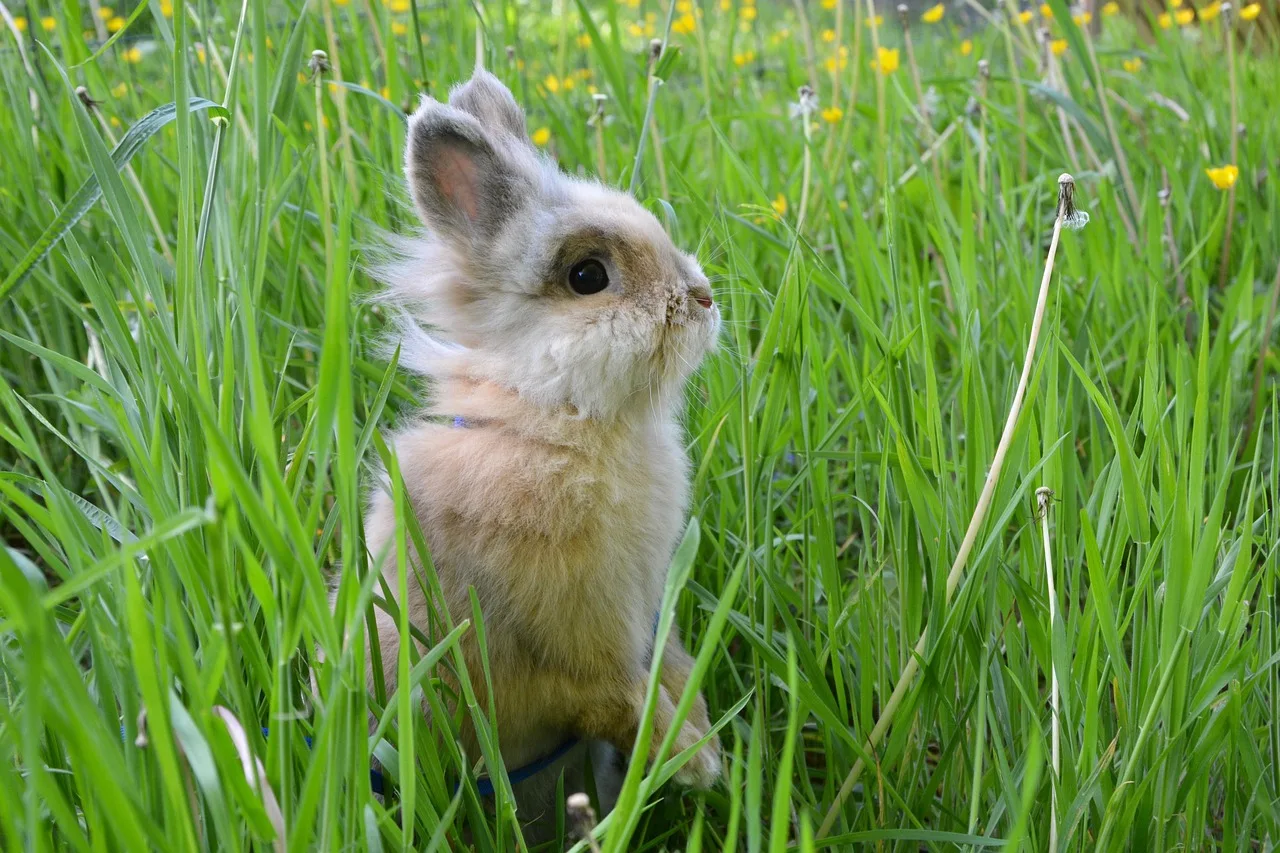
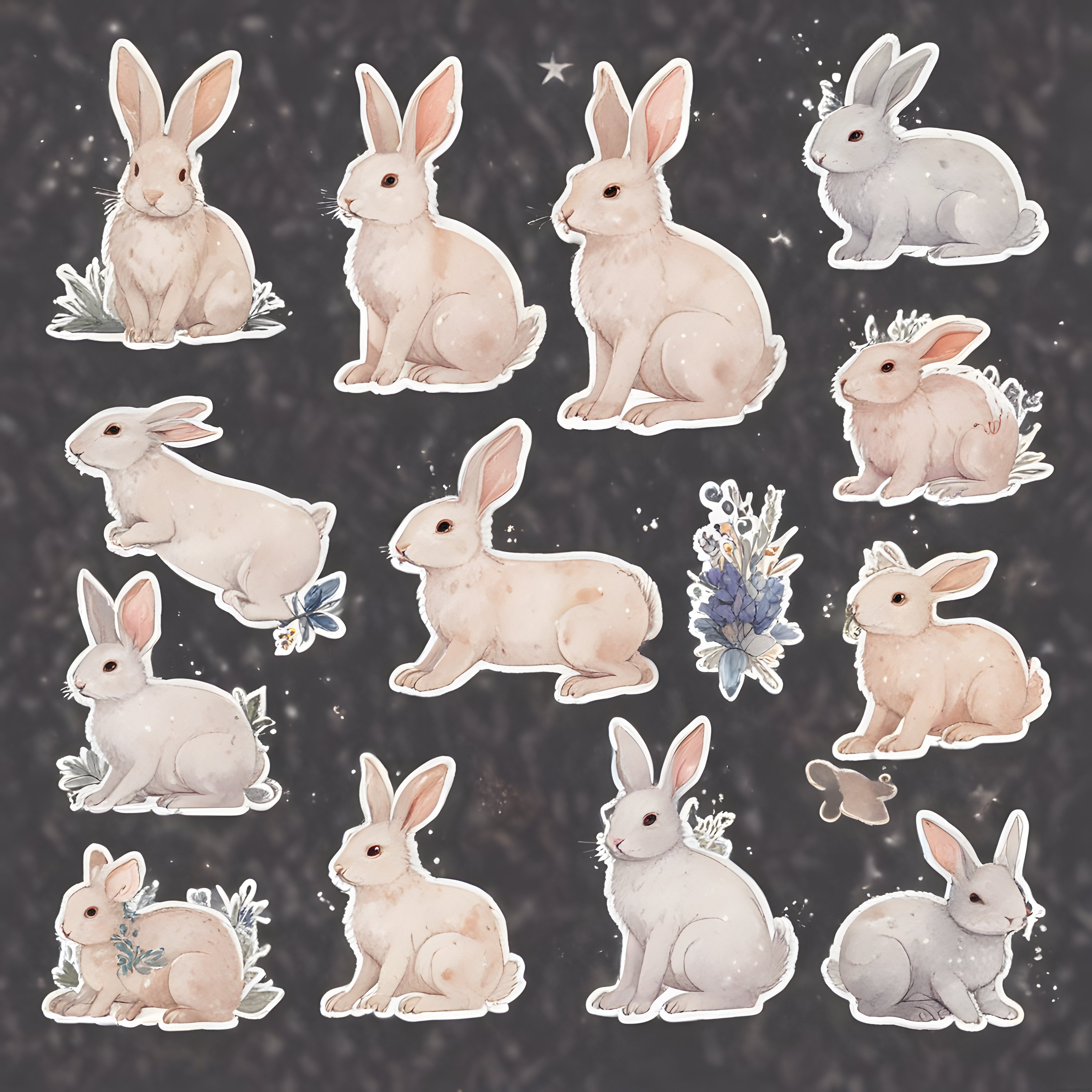

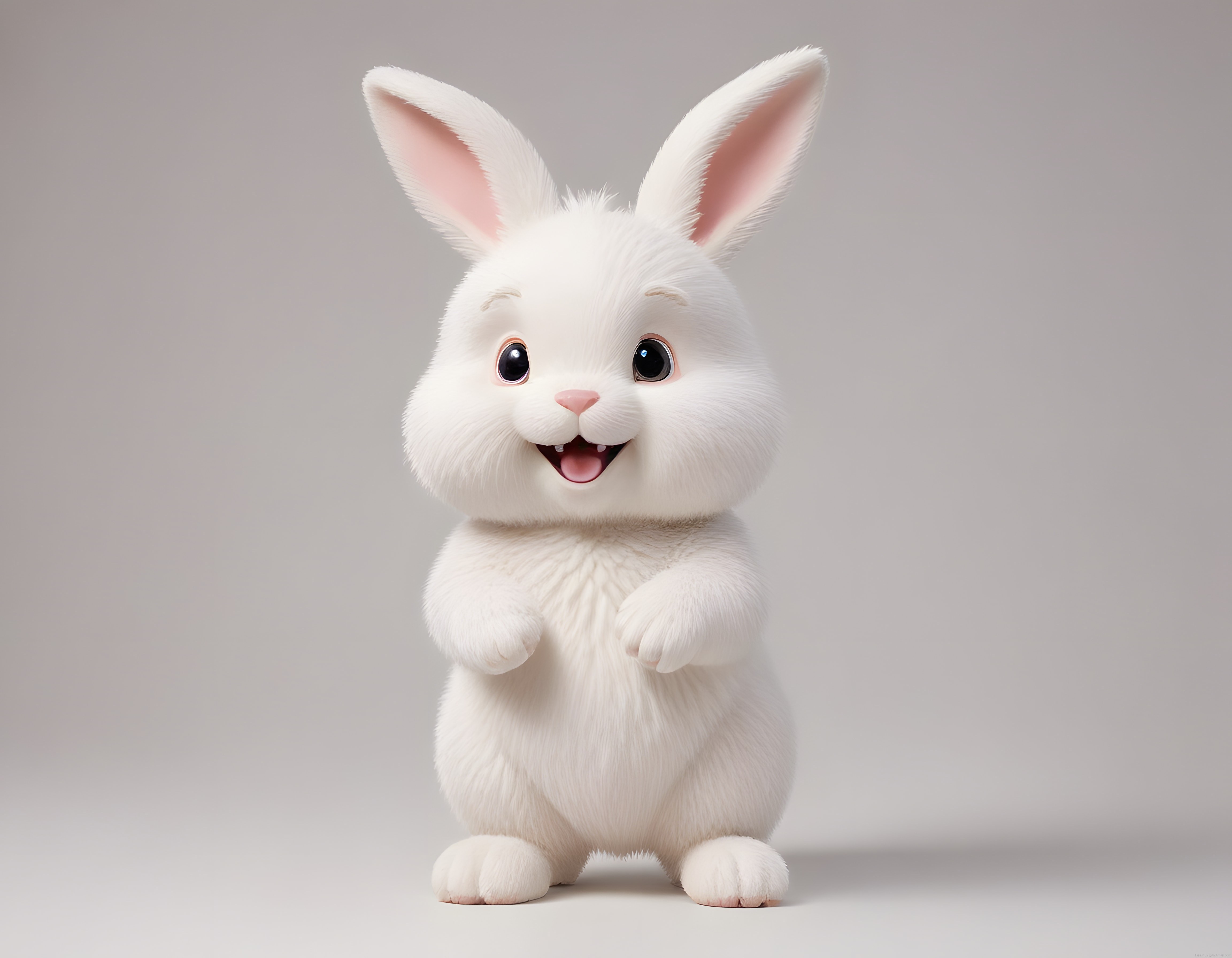
Çekim Tablosu
Belirtme (-i)tavşanı
Yönelme (-e)tavşana
Bulunma (-de)tavşanda
Çıkma (-den)tavşandan
Tamlayan (-in)tavşanın
Çoğul (-ler)tavşanlar
Tanım
•isim: Tavşangillerden, eti yenen, hızlı koşan, kemirgen, postundan yararlanılan bir tür memeli (Lepus europeus)
•tavşan atlet
Atasözü & Deyim
“Araba ile tavşan avlanmaz”
“Tavşan dağa küsmüş, dağın haberi olmamış”
Diğer Dillerde
Almancahase /ˈhaːzə/
hare (animal of either sex) · the constellation Lepus
çekim: çoğul Hasen · tamlayan Hasen
eş: Langohr, Langohr, Meister Lampe, Kaninchen, Karnickel, Stallhase
köken: From Middle High German has(e), from Old High German haso, from Proto-West Germanic *hasō, from Proto-Germanic *hesô, from an Indo-European root originally meaning grey.
aile: alter Hase, da liegt der Hase im Pfeffer, Dreihasenfenster, Hasenfuß, Hasenpanier, Hasenpfeffer, Hasenpfote, Hasenscharte, Häsin
March Hare. — Mart Tavşanı.
rabbit
çekim: çoğul lapins
eş: connin, connil, BLO
köken: From Middle French lapin, alteration of lapereau, with change of suffix after connin, a word it replaced.
aile: baiser comme un lapin, chaud lapin, coup du lapin, lapin commun, lapin de garenne, lapin de gouttière, lapin de Pâques, poser un lapin, saut de lapin
Lapin Crétin ! — Şapşal tavşan
İspanyolcabuco, caballerete, conejil, conejo, conejuno, corcovear (eril) /ˈbuko/
billy goat
çekim: çoğul bucos
eş: cabrón, chivo, macho cabrío, bode, bote, boque
March Hare. — Mart Tavşanı.
İtalyancaconiglio (eril) /koˈniʎ.ʎo/
rabbit (animal, meat) · buck (male rabbit)
çekim: çoğul conigli
eş: fifone, pauroso, pavido, codardo, vigliacco, vile
köken: Ultimately from Latin cunīculus. Judging by its /ʎʎ/, borrowed via a Western Romance language, perhaps some variety of Gallo-Italic. Doublet of cunicolo.
aile: coniglio da fossa, coniglio di grondaia, coniglio alla conchese
Il lupetto cattivo. — Yaramaz tavşanın.
Rusçaзоол. кролик
Неутомимый братец Кролик. — Yaramaz tavşanın.
Arapçaأَرْنَب, كَبْش, وَعْل
عراف شرير. — Yaramaz tavşanın.
Azericedovşan /dou̯(v)ˈʃɑn/
rabbit · snitch, informer
çekim: çoğul dovşanlar · tamlayan dovşanın
köken: From Proto-Turkic *tabɨĺgan (“hare”). Cognate with Turkish tavşan.
aile: dovşanalması, dovşancığaz, dovşancıq, dovşancıl, dovşançı, dovşançılıq, dovşandodaq, dovşantəpəl, dovşanyatışı
Kazakçaқоян, ор қоян, үй қояны
hare, rabbit, Lepus
çekim: çoğul қояндар · tamlayan қоянның
köken: From Proto-Turkic *kodan.
male goat, billy · buck, horse or pony; strong contraption on legs, resembling a mount · sawbuck
çekim: çoğul bokken
eş: geitenbok
köken: From Middle Dutch boc, from Old Dutch buc, from Proto-West Germanic *bukk, from Proto-Germanic *bukkaz.
aile: bokken, bokkenbaard, bokkenpruik, bokkensprong, bokkig, boksbaard, bokshoorn, bontebok, geitenbok, gemsbok
"Het Konijn gevraagd. — 'Tavşan sordu.
rabbit
çekim: çoğul coelhos
köken: Inherited from Old Galician-Portuguese cõelho, from Latin cunī̆culus. Compare Spanish conejo.
aile: anticoelho, coelhada, coelheiro, coelhinho, coellhão, matar dois coelhos de uma cajadada só, tirar um coelho da cartola
March Hare. — Mart Tavşanı.
Yunancaαρσενικό ελάφι, κόνικλος, κουνέλι
το κουνέλι σε χρήση σε σύνθετα
Μαρτίου Λαγός συνέχισε. — Mart Tavşanı gitti.
Korece토끼 /tʰo̞k͈i/
leporid(hare, rabbit), bunny
köken: First attested as Middle Korean 톳〮기〮 (thwóskí) in the Worin seokbo (月印釋譜 / 월인석보), 2:19a, 1459. Traditionally interpreted as Sino-Korean 兎 (to, “rabbit”) + unknown elements /-s-ki/, but seems more likely ultimately to be of Proto-Tungusic origin. See the Middle Korean entry for more information.
aile: 멧토끼, 산토끼, 집토끼, 토끼굴, 토끼뜀, 토끼띠, 토끼몰이, 토끼자리, 토끼잠, 토끼장
(제게 토끼가 없다면), 그리고 — Hiç tavşanım yok.
a buck; the male of goat and deer · the tick mark (✓), often marking something as incorrect in Sweden, but otherwise normally used to mark something as correct · a sawhorse
çekim: çoğul bockar · tamlayan bocks
zıt: kryss
köken: From Old Swedish bukker, bokker, from Old Norse bokkr, bukkr, from Proto-Germanic *bukkaz‚ from Proto-Indo-European *bʰuǵ-nó-.
Mars Hare gick vidare. — Mart Tavşanı gitti.
buck, U.S. dollar
çekim: çoğul baksy · tamlayan baksa
köken: Borrowed from English bucks.
Marcowy Zając. — Mart Tavşanı.
Ukraynacaкріль, трусь /krʲilʲ/
rabbit (mammal)
çekim: çoğul кролі́ · tamlayan кроля́
köken: Back-formation from кро́лик (królyk) + -ь (-ʹ), compare Polish król (“rabbit”). Doublet of коро́ль (korólʹ).
У мене немає кроликів. — Hiç tavşanım yok.
nuqtaless form of ख़रगोश (xargoś)
çekim: çoğul खरगोशों
Fincehuntti, huono lyöjä, jänis, kani, kaniini, kaniturkis /ˈhuntːi/
A hundred-euro or markka bill. · A set of a hundred units of some item.
çekim: çoğul huntit · tamlayan huntin
eş: satalappunen, satanen, satku, saturainen
köken: From Swedish hundra. Not to be confused with hunttu.
Maaliskuu Hare. — Mart Tavşanı.
ram (male sheep) · stubborn person · evangelical
çekim: çoğul berani · tamlayan berana
eş: tvrdohlavec, paličák, umíněnec, mezek
köken: Inherited from Proto-Slavic *baranъ. First attested in the 14th century.
aile: beraní, beranice, beranidlo, beránek
3 králíci, 180 bobulí. — 3 tavşan, 180 dut.
Rumenceiepure, iepure de vizuină (eril) /ˈje.pu.re/
rabbit · hare
çekim: çoğul iepuri · tamlayan iepurelui
köken: Inherited from Latin leporem. Compare Aromanian ljepure.
aile: iepura, iepuraș, iepuresc, iepuroaică
Denumită în continuare "Rabbit? — 'Tavşan sordu.
Macarcabak, dolcsi, házi nyúl, nyúl, piperkőc /ˈbɒk/
buck (a male goat, or the male of other small ruminants, such as the chamois or roe) · box seat, box (driver’s seat on a horse-drawn carriage or cart) · trestle, sawhorse (support, usually made of wooden beams, with a pair of divergent legs at each end)
çekim: çoğul bakok
köken: From German Bock (“buck”).
aile: baklövés, bűnbak, őzbak, bakot lő
Egy nyúl. — Bir tavşan.
Bakot főként a pásztorok tartottak, általában 40-50 jerkére egyet.
A kocsis mellett a bakon ült az ispán, akinek jó volt ott is.
Az öreg ladikot fenékkel fölfelé két bakra állítják.
İbraniceאַיָּל, אַרְנָב, אַרְנֶבֶת
קפצני הארנב הרעב — Dinamik Aç Tavşan
Latincecunīculus
the male of certain ruminants (deer, goat, sheep) · a trestle · a buck
çekim: çoğul bukke · tamlayan buks
köken: From Old Danish buk, from Old Norse bukkr, Proto-Germanic *bukkaz (“buck”).
aile: bukkejagt, julebuk, savbuk, horebuk, træbuk
Haren gik videre. — Mart Tavşanı gitti.
Endonezcekelinci /kəˈlɪn.t͡ʃi/
rabbit, a mammal of the family Leporidae
çekim: çoğul kelinci-kelinci
köken: From Malay kelinci, borrowed from Dutch konijntje, the diminutive of konijn. The form with /l/ was influenced by kuilu. Doublet of kuilu and terwelu.
aile: kelinci amami, kelinci domestik, kelinci jawa, Kelinci Paskah, kelinci percobaan, kelinci sumatra
'Tanya? Kelinci. — 'Tavşan sordu.
Vietnamcathỏ /tʰɔ˧˩/
a leporid · ellipsis of Thỏ Ngọc (“the Jade Hare”)
köken: Non-Sino-Vietnamese reading of Chinese 兔 (SV: thố). Compare Old Khmer ថោះ (thoḥ), ថះ (thaḥ, “rabbit (zodiac)”), Thai เถาะ (tɔ̀).
Một chú thỏ nè. — Bir tavşan.
Etimoloji
Inherited from Ottoman Turkish طاوشان (tavşan, “hare”), from Proto-Turkic *tabïĺgan (“hare”). Cognates Cognate with Azerbaijani dovşan, Karakhanid تَڤِشْغانْ (tavïšɣān), Khalaj tavuşğân, Old Turkic 𐱃𐰉𐰽𐰍𐰣 (tabïšɣan), Turkmen towşan, Uyghur توشقان (toshqan), Uzbek tovushqon and Yakut табысхан (tabïsqan).
Deyimler
tavşan boku gibi
tavşan dağa küsmüş de dağın haberi olmamış
tane tavşan
tavşan yahnisi
tavşana kaç, tazıya tut demek
Kelime Ailesi
Eş & Zıt Anlamlılar
Örnek Cümleler
Bir tavşan.
A rabbit.
(Avrupa tavşanı)
(European rabbit)
Yaramaz tavşanın.
Sotkamon kunta.
Hiç tavşanım yok.
I have no rabbits.
Kötü bir tavşandı.
It was a bad rabbit.
3 tavşan, 180 dut.
Scenario C. 3 rabbits, 180 berries.
0 tavşan, 300 dut.
Zero rabbits, 300 berries.
Bu tavşan ne için?
What's the rabbit for?
Tavşan havuç yiyor.
The rabbit is eating a carrot.
Tavşanlar ürkektir.
The rabbits are timid.
Tavşana benzemiyor.
It doesn't look like a rabbit.
Mart Tavşanı gitti.
March Hare went on.
İlgili Sorular
İlgili / Bileşik Terimler
Genelrabbit
Genelpacesetter
Genelbucktooth
Genelrabbit
Genelhare
Genelharestail
Genelcatnap
Tıphare lip
Tıpcleft lip
Geneltwenty winks