Sözlük
/oyma
oyma
"oyma" kelimesinin İngilizcesi: intaglio, sculpture. Anlamı, çevirisi, telaffuzu ve örnek cümleler aşağıdadır.
Çeviri
Genelintaglio
Genelsculpture
Görsel
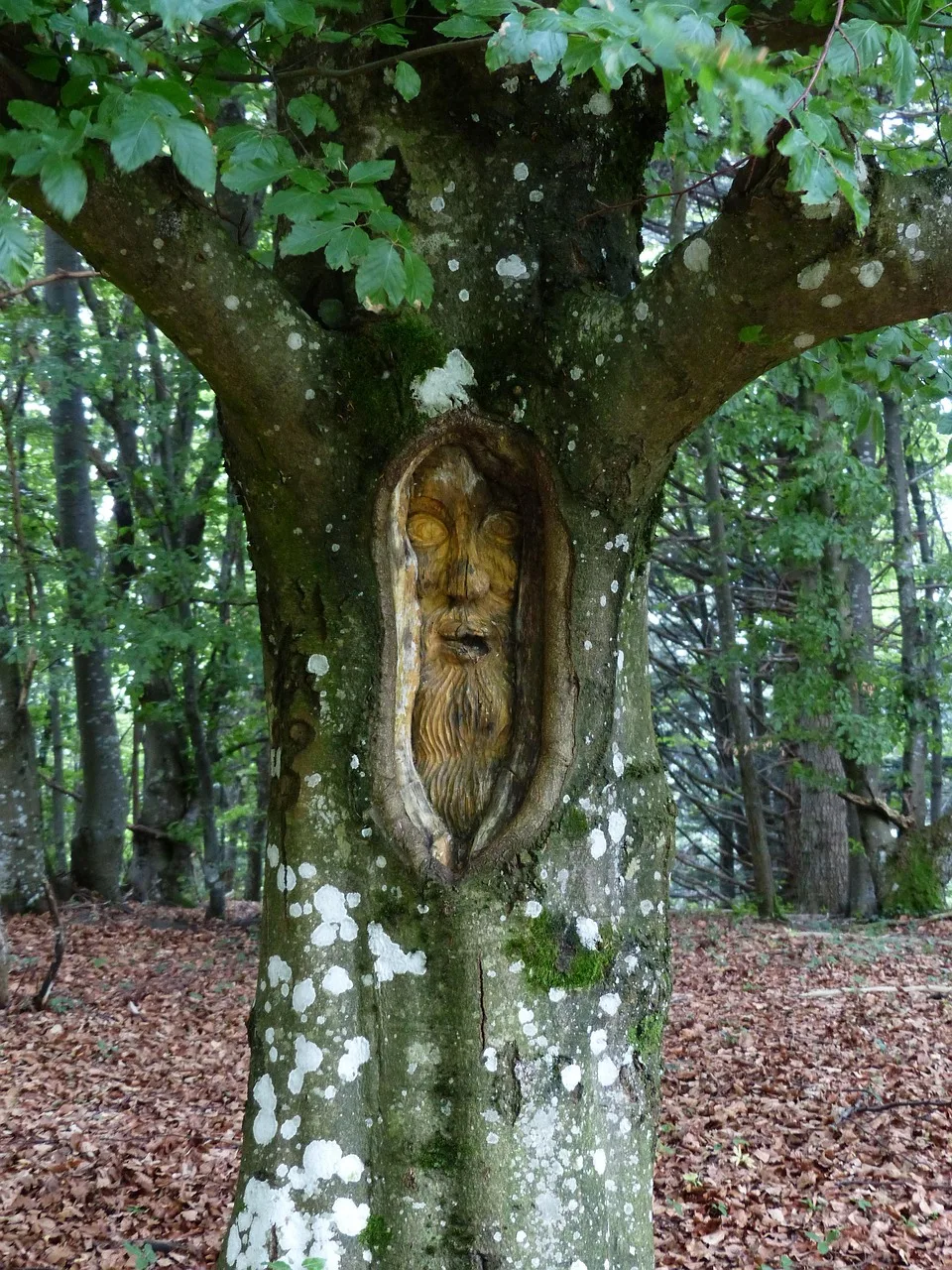


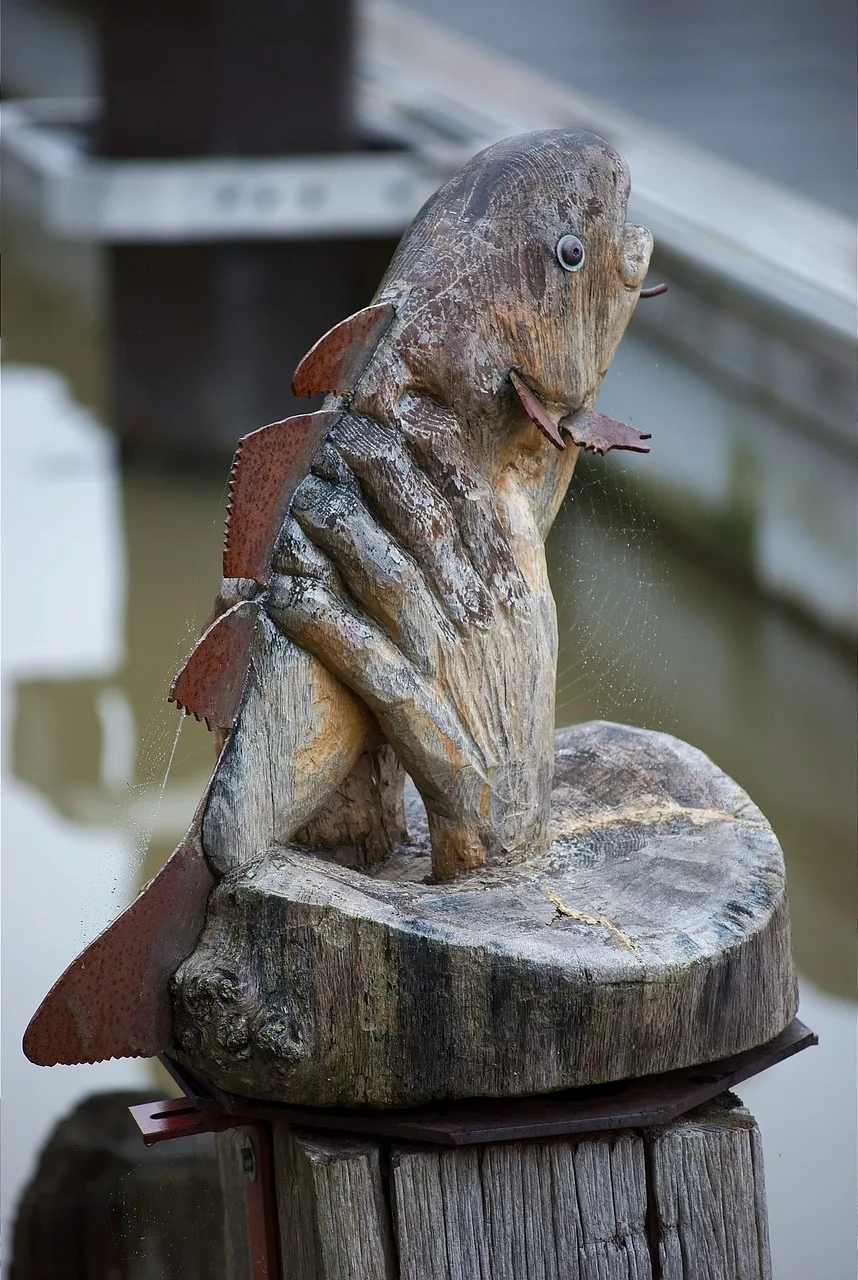
Tanım
•isim: Oymak işi
•Bir nesnenin yüzeyini özel araçlarla oyarak veya delerek türlü biçimler verme
•Ağaç yongası
•Oyularak yapılan süsleme
•sıfat: Oyularak yapılmış
Atasözü & Deyim
“Acıkan doymam sanır, susayan kanmam sanır”
“Aç doymam, tok acıkmam sanır”
“Bugünkü (akşamın) işini yarına (sabaha) bırakma (koyma)”
Diğer Dillerde
AlmancaBildhauerei, Bildhauerkunst, schnitzen, Skulptur, Tiefdruckverfahren (dişil) /ˈbɪlthaʊ̯əˌʁaɪ̯/
sculpture (the art or an individual work)
çekim: çoğul Bildhauereien · tamlayan Bildhauereien
eş: Bildhauerkunst
köken: Bildhauer + -ei
Leiste keinen Widerstand! — Karşı koyma!
Fransızcasculpture, taille-douce (dişil) /skyl.tyʁ/
sculpture
çekim: çoğul sculptures
Je sais éplucher une pomme. — Elma soymayı biliyorum.
İspanyolcaesculpidura, esculpir, escultura /eskulˈpiɾ/
to sculpt
çekim: geçmiş esculpí · ortaç esculpido · şimdiki esculpe
köken: From Latin sculpere.
¡No me detengas! — Beni alıkoyma.
İtalyancascultura (dişil) /skulˈtu.ra/
the art or technique of sculpting or carving out · the activity of a sculptor · sculpting (the act of one who sculpts)
çekim: çoğul sculture
eş: statuaria, marmo, statua, bronzo, busto, lapide
köken: Learned borrowing from Classical Latin sculptūra (“act of carving; sculpture”), derived from sculpō (“to carve”) + -tūra (“-ing, -ure”, action noun suffix).
Non l'hai messo là? — Onu oraya koymadın mı?
Обещаниями сыт не будешь. — Lafla karın doymaz.
نقالة المرفاع (بالإنجليزية: Crane Vehicle) 6. — Hudut Bölüğü (Oymaklı) -6.
Azericeheykəl, heykəltəraşlıq /hejˈkæl/
monument, memorial, tombstone, statue
çekim: çoğul heykəllər · tamlayan heykəlin
köken: Borrowed from Classical Persian هَیکَل (haykal), from Arabic هَيْكَل (haykal).
heykəl ucaltmaq
heykəli sökmək
tanınmış yazıçıya heykəl qoymaq
Kazakçaмүсін, мүсіндеме, мүсіндеу
figure (the shape of human body), build · sculpture
çekim: çoğul мүсіндер · tamlayan мүсіннің
köken: Possibly from Arabic مَيْسُون (maysūn, “of beautiful face and body”), although this word is rare in Arabic itself. Also compare сын (syn, “appearance”), of native Turkic origin.
aile: мүсіндеме, мүсіндеу, мүсінді, мүсінділік, мүсінше, мүсінші
Özbekçehaykal, haykaltaroshlik
statue
çekim: çoğul haykallar · tamlayan haykalning
köken: Borrowed from Classical Persian هَیکَل (haykal), from Arabic هَيْكَل (haykal).
Felemenkçebeeld, beeldhouwen, beeldhouwwerk, sculptuur (nötr) /beːlt/
image · statue, sculpture · impression, idea
çekim: çoğul beelden
eş: standbeeld, monument, sculptuur, visualisatie, frame
köken: From Middle Dutch bēelde, from Old Dutch bilithe, bilithi, from Proto-West Germanic *biliþi (“picture, image”).
aile: afbeelden, afbeelding, beeldbuis, beelden, beeldenstorm, beeldhouwen, beeldig, beeldmateriaal, beeldmerk, beeldopname
Ze weet niets meer op papier te zetten. — Ortaya bir daha kart koymaz.
Het beeld op het computerscherm was erg scherp.
De beelden die als bewijs werden aangevoerd bleken vervalst.
In het park stonden prachtige beelden van bekende kunstenaars.
sculpture
çekim: çoğul γλυπτικές · tamlayan γλυπτικής
Ο άντρας ήρθε και άρχισε να με γδύνει. — Adam geldi ve beni soymaya başladı.
Japonca彫刻 /t͡ɕo̞ːko̞kɯ̟/
a sculpture · an engraving · a carving
çekim: geçmiş 彫刻した
aile: 彫刻凹版, 彫刻家, 彫刻具座, 彫刻師, 彫刻室座, 彫刻刀
口癖は「どつかれさん」。 — Anlamı “Doymadım” demektir.
Korece조각 /t͡ɕo̞ɡa̠k̚/
a piece, scrap, slice (of an object); shard, sliver
köken: First attested in the Seokbo sangjeol (釋譜詳節 / 석보상절), 1447, as Middle Korean 조각 (Yale: cwòkàk).
aile: 조각(彫刻)되다, 조각(彫刻)하다
노략질하다(擄掠---) 6. — Hudut Bölüğü (Oymaklı) -6.
sculpture (the art of sculpting)
çekim: tamlayan bildhuggarkonsts
köken: Calque of German Bildhauerkunst, equivalent to bildhuggare + konst.
Publik 6000 (slutsålt). — Hudut Bölüğü (Oymaklı) -6.
Lehçerzeźba, rzeźbiarstwo, rzeźbić, wyrzeźbić (dişil) /ˈʐɛʑ.ba/
sculpture (a work of art created by sculpting) · shape, outline
çekim: çoğul rzeźby · tamlayan rzeźby
eş: rzeźbiarstwo, morfologia
köken: Etymology tree Proto-Slavic *rězьba Polish rzeźba Inherited from Proto-Slavic *rězьba. By surface analysis, rzezać + -ba.
aile: rzeźbiarski, płaskorzeźba, rzeźbiarstwo, rzeźbiarz, wypukłorzeźba, rzeźbić
Szwadron (uzupełniający) w Dreźnie - 6. — Hudut Bölüğü (Oymaklı) -6.
Не клади цього до сумки. — Onu çantaya koyma.
Hintçeप्रतिमा, शिल्पकला (dişil) /pɾə.t̪ɪ.mɑː/
statue, effigy, icon, idol
çekim: çoğul प्रतिमाएँ
köken: Borrowed from Sanskrit प्रतिमा (pratimā).
aile: प्रतिमापूजक, प्रतिमा आकार
Finceesittää, kuvanveisto, muovata, veistää, veistos /ˈesitːæːˣ/
to express, offer, set/put forth, state · to show, present · to produce (to make available to a person, an authority, etc.)
çekim: geçmiş esittänyt · şimdiki esittäisi · ulaç esittävä
köken: esi- (“front, fore-”) + -ittää. First attested in 1853 in Daniel Europaeus's dictionary; esitys is attested two years earlier in 1851 in Agathon Meurman's dictionary, which Elias Lönnrot also contributed to, and esitellä was coined already in 1848. The exact coiner is thus difficult to determine.
aile: esite, esittäjä, esittäminen, esitys, esitellä, esittäytyä, esityttää, ensiesittää, kantaesittää
Älä estä minua tekemästä työtä. — Beni çalışmaktan alıkoyma.
esittää mielipiteensä
esittää kysymys
esittää pyyntö
negativní miniaturní rytina či řezba v kameni nebo skle sloužící k otiskování
Neposílejte mi už žádné dopisy. — Ortaya bir daha kart koymaz.
Rumencesculpta, sculptură
to sculpt
çekim: geçmiş sculptat · ortaç sculptat · şimdiki sculptează
köken: Borrowed from French sculpter.
Trebuie să-mi organizez gândurile. — Düşüncelerimi düzene koymalıyım.
Macarcamélynyomtatás, szobor, szobrászat /ˈsobor/
statue, sculpture
çekim: çoğul szobrok
köken: From a Southern Slavic language. Compare Slovene now archaic stobor (“column”) and Proto-Slavic *stoborъ.
aile: szobrász, szobrászat, szobrocska, jégszobor
Készüljünk fel, hogy mocskosak leszünk. — Başlarlar kaba yağ koymaya.
İbraniceפֶּסֶל
מתמחים בגניבת והריסת רכבים. — Banka soymak, patlayıcı kurmak.
Latinceopera sculpturae, sculptura (dişil) /skʊɫpˈtuː.ra/
the act of cutting out or carving · a sculpture, a figure carved or cut out
çekim: çoğul sculptūrae · tamlayan sculptūrae
köken: Etymology tree Latin sculpō Proto-Indo-European *-tew-? Proto-Indo-European *-r-eh₂? Latin -tūra Latin sculptūra From sculpō (“carve”) + -tūra.
Dancadybtryk, skulptur /skulptuːr/
sculpture (work of art) · sculpture (art)
çekim: çoğul skulpturer · tamlayan skulpturs
köken: From French sculpture, from Latin sculptura, from sculpere (“carve”).
Navnet betyder "rør mig ikke". — Anlamı “Doymadım” demektir.
intaglio
çekim: çoğul cetak-cetak dalam
köken: Compound of cetak (“printing”) + dalam (“deep”), calque of Dutch diepdruk (“intaglio”, literally “deep printing”).
Tokoh penting; 6. — Hudut Bölüğü (Oymaklı) -6.
Örnek Cümleler
Beni alıkoyma.
Don't make me stay.
Karşı koymayın.
Don't resist.
O karşı koymadı.
He did not resist.
Dipnot koymayın.
Don't add annotations.
Bir şey koymadın.
You didn't put anything.
Onu çantaya koyma.
Don't put that in the bag.
Tom karşı koymadı.
Tom did not resist.
Lafla karın doymaz.
Your stomach won't be full from promises.
Bir şey koymadınız.
You didn't put anything.
Onu masama koymayın.
Don't put it on my desk.
Kahveme şeker koyma.
Don't put sugar in my coffee.
Onu o şekilde koyma.
Don't put it that way.
Birleşik Kelimeler
oyma akıloyma baskıağaç oyma