Sözlük
/oğlak
oğlak
/oɣɫɑk/
name
TR → EN
"oğlak" kelimesinin İngilizcesi: capricorn, yeanling, kid, kid, capricorn. Anlamı, çevirisi, telaffuzu ve örnek cümleler aşağıdadır.
Çeviri
Genelcapricornname
Genelyeanlingnoun
Genelkid
Genelkid
Genelcapricorn
Genelkid
Genelcapricorn
Genelcapricornus
Genelkid
Genelcapricornus
Genelcapricorn
Genelcapricornus
Görsel
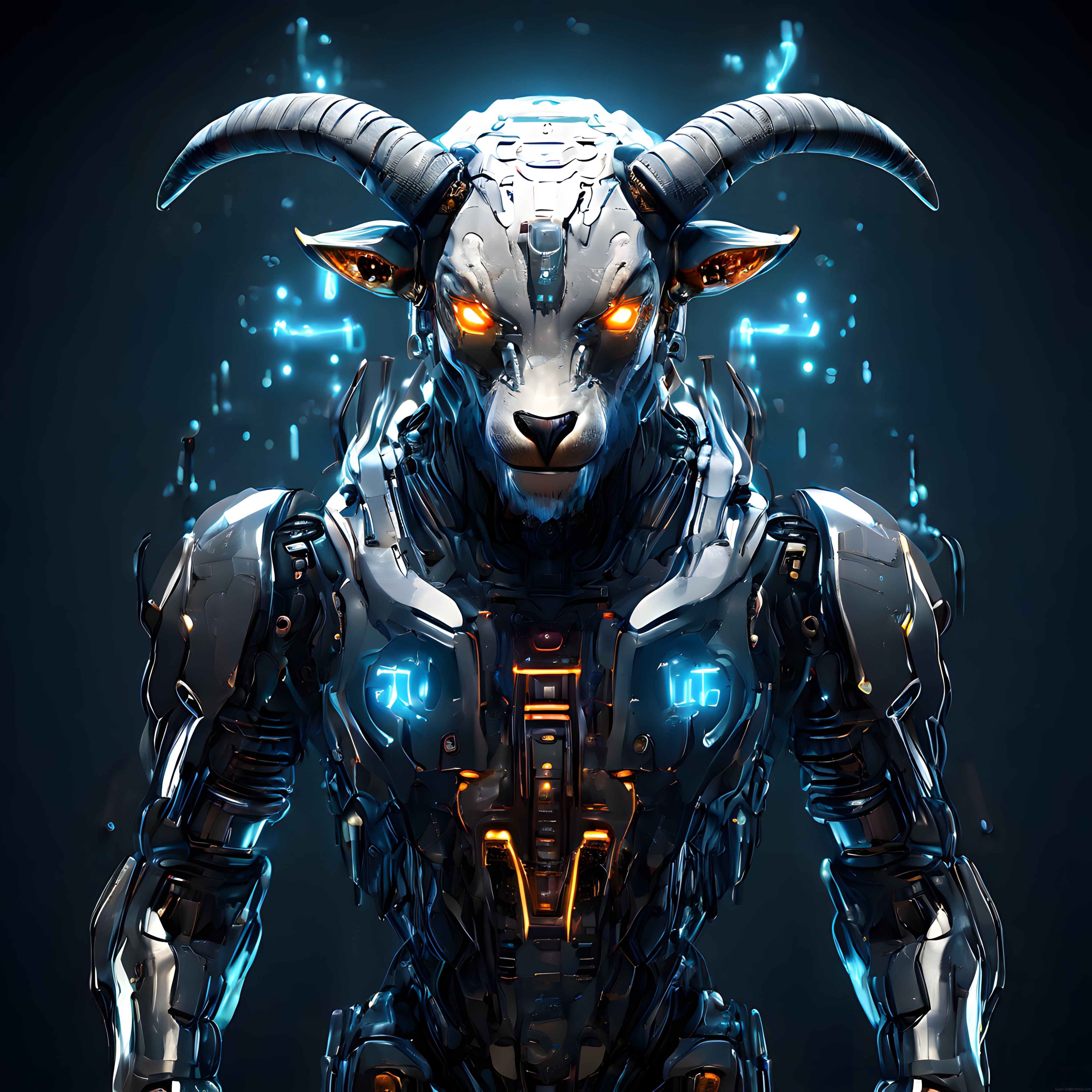
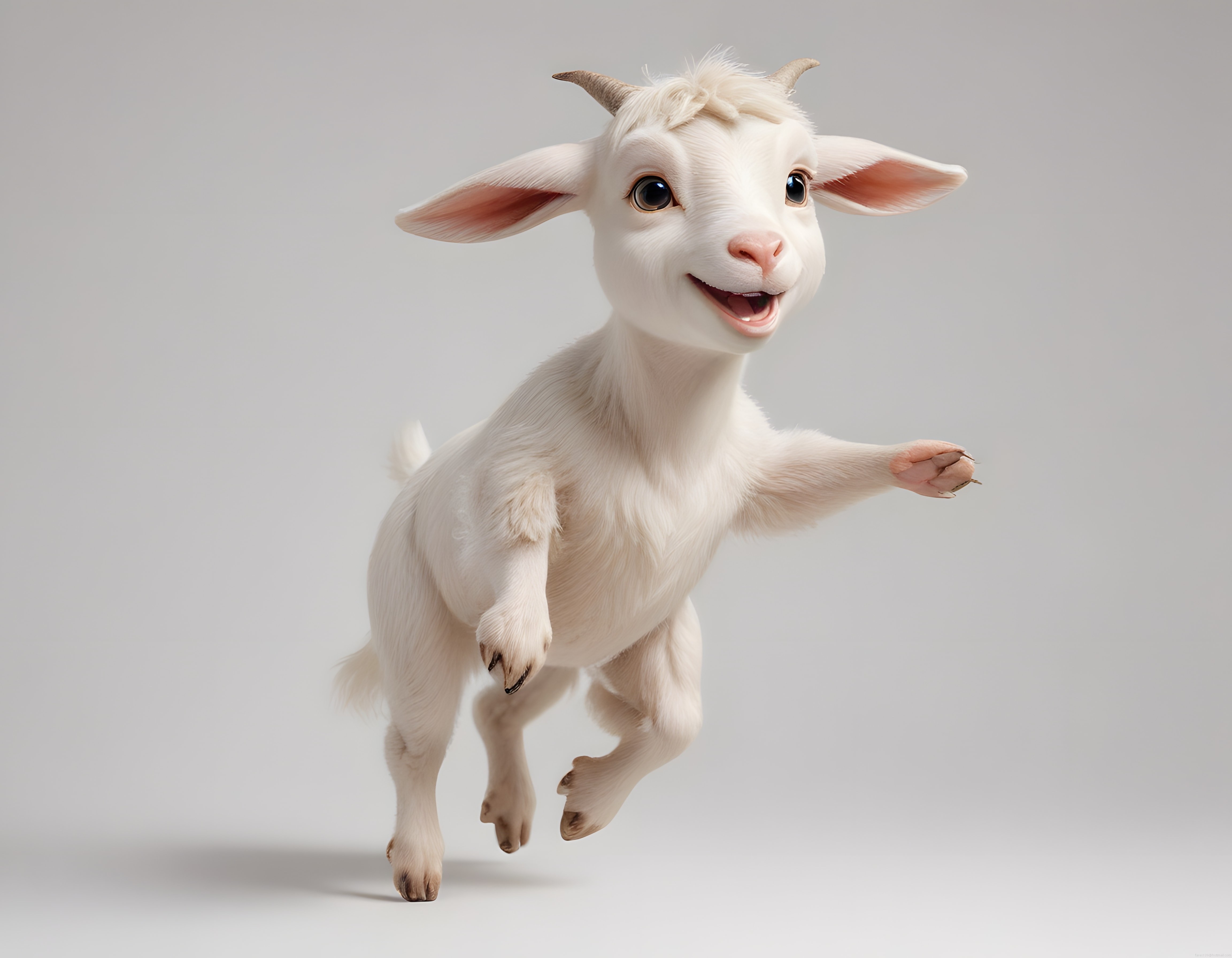
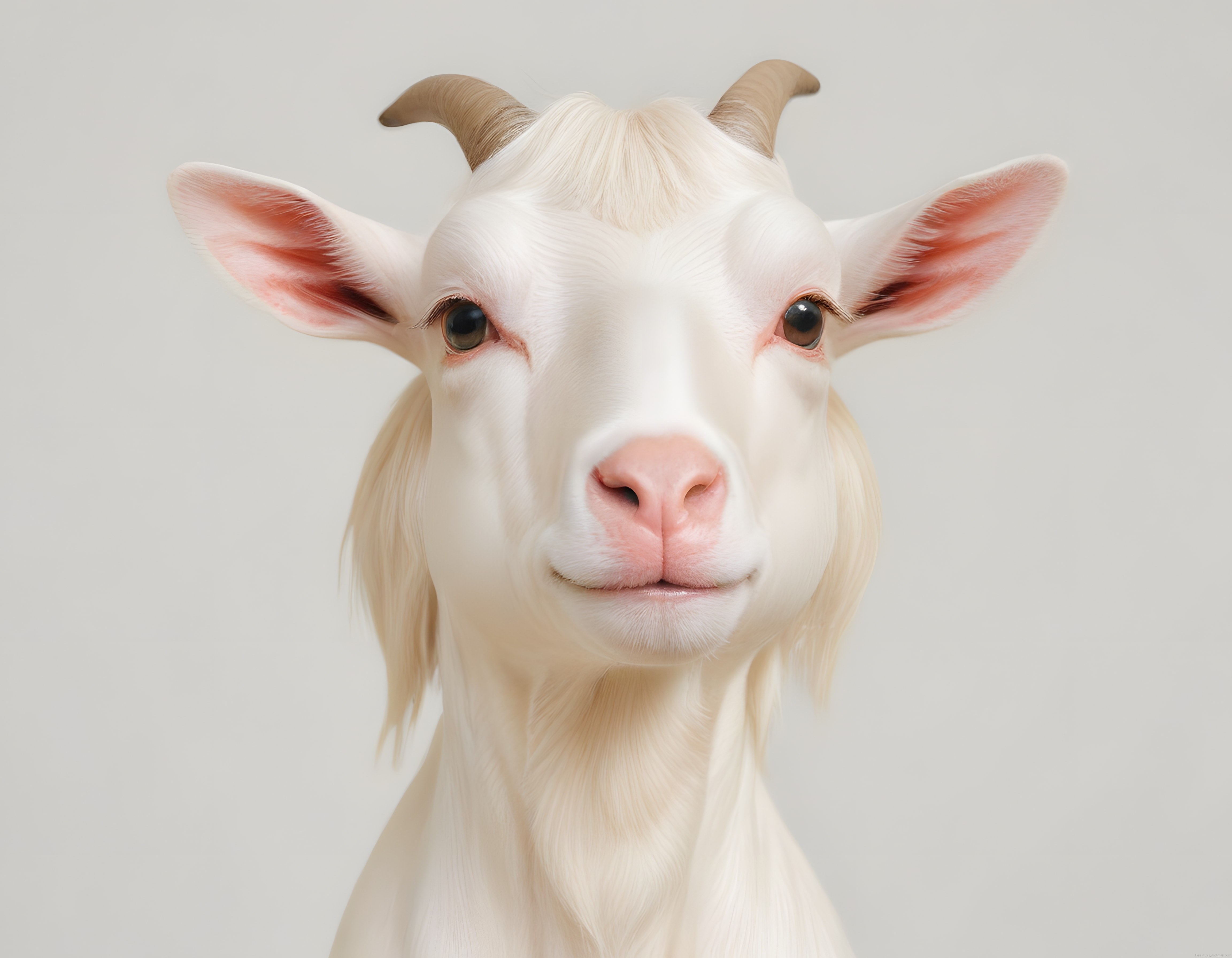
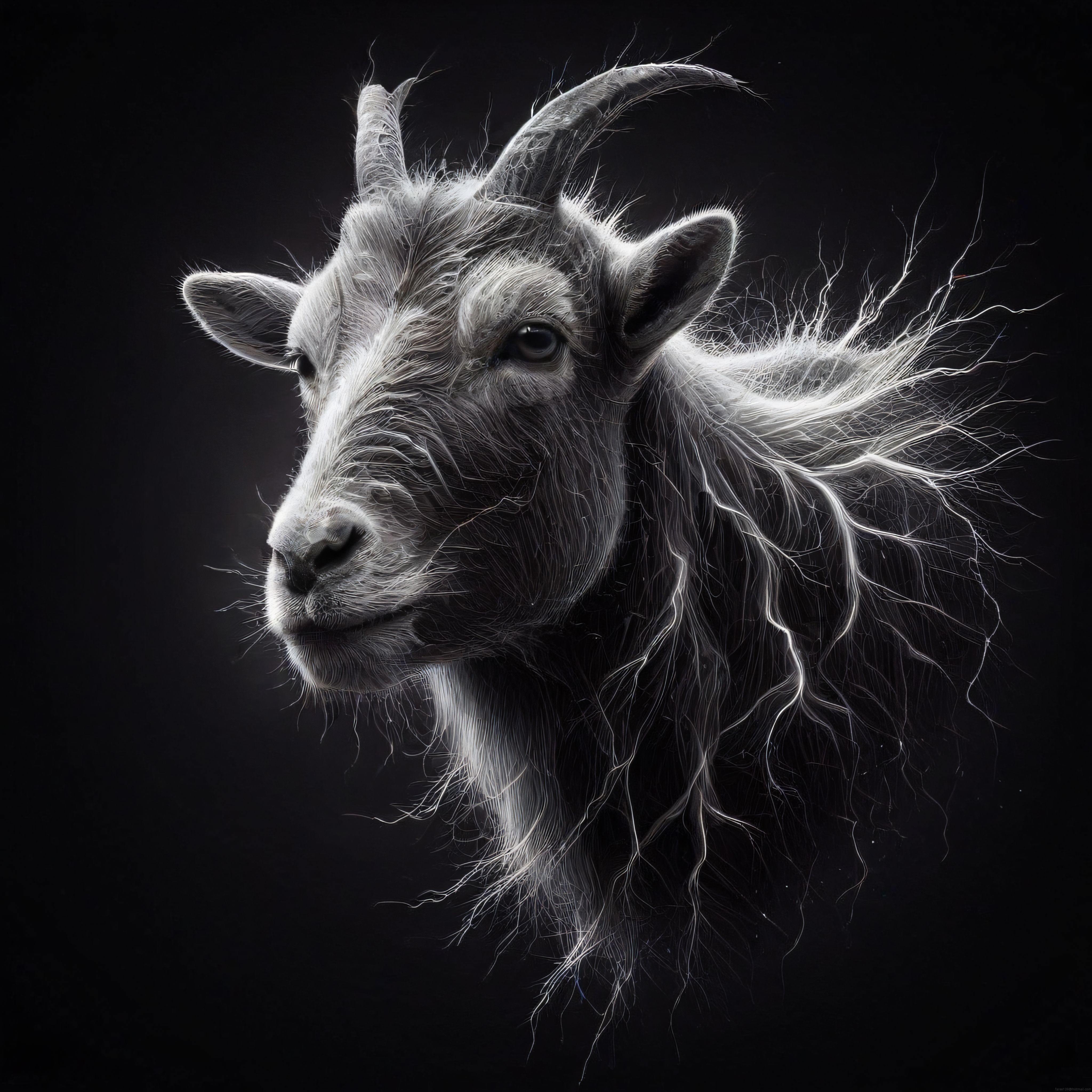
Çekim Tablosu
Belirtme (-i)oğlağı
Yönelme (-e)oğlağa
Bulunma (-de)oğlakta
Çıkma (-den)oğlaktan
Tamlayan (-in)oğlağın
Çoğul (-ler)Oğlaklar
Tanım
•Bu tarihler arasında doğanların ait olduğu burç
•Güneşin 22 Aralık - 20 Ocak tarihleri arasında gökyüzünde aldığı pozisyon
•keçi yavrusu, çebiç, diği
•Keçi yavrusu
•Zodyak üzerinde Yay ile Kova arasında bulunan burcun adı
Atasözü & Deyim
“Ağılda oğlak doğsa ovada otu biter”
“Ala keçi her vakit püsküllü oğlak doğurmaz”
Diğer Dillerde
Almancaan der Nase herumführen, Bube, Bursche, Geißlein, Gitzi, Halbstarker /an deːɐ̯ ˈnaːzə həˈʁʊmˌfyːʁən/
to deceive
çekim: geçmiş führte an der Nase herum · ortaç an der Nase herumgeführt · şimdiki führt an der Nase herum · ulaç an der Nase herumführend
köken: Literally, “to lead around by the nose”.
Steinbock — Oğlak Burcu
Fransızcacapricorne /ka.pʁi.kɔʁn/
Capricorn (someone born with a Capricorn star sign)
çekim: çoğul Capricornes
köken: Borrowed from Latin Capricornus.
Capricorne — Oğlak Burcu
İspanyolcabuqui, cabrito, cabro, Capricornio, chamaco, chamo (eril) /kaˈbɾito/
kid (young goat)
çekim: çoğul cabritos
eş: cabrón, cornudo, guampudo
köken: Inherited from Old Spanish cabrito. Analyzable as cabra (“goat”) + -ito; may have originally corresponded to a Vulgar Latin or Late Latin caprītus (attested in Salic Law), as the perfect passive participle of a verb *caprīre (“give birth (of goats)”), from Latin caper (which would have normally yielded *cabrido), but was influenced by the Spanish diminutive suffix -ito (from Late Latin -ittus).…
Capricornio — Oğlak Burcu
İtalyancabambino, bimbo, capretto, Capricorno, ragazzo, scherzare (eril) /bamˈbi.no/
child, baby, toddler, tot (male or of unspecified gender) · boy, young boy · breed of short hairless cats
çekim: çoğul bambini
eş: baby, bebè, bimbo, creatura, fanciullo, fantolino
köken: Onomatopoeic bambo for the first stammerings of children, plus -ino (diminutive suffix).
aile: bambino soldato, bimbo
Capricorno — Oğlak Burcu
Rusçaкозлёнок /kɐz⁽ʲ⁾ˈlʲɵnək/
kid, young goat
çekim: çoğul козля́та · tamlayan козлёнка
köken: козёл (kozjól) + -онок (-onok)
Козерог — Oğlak Burcu
Arapçaاَلْجَدْي, بُرْج اَلْجَدْي, جَدْي, طِفْل
الجدي — Oğlak Burcu
Farsçaبچه, بزغاله, هیرک /ba.ˈt͡ʃa/
child, kid · native to · boy, son
çekim: çoğul بچگان
köken: Inherited from Middle Persian [script needed] (wck' /waččag/, “child, baby, cub”), from Proto-Iranian *wacáh (“calf”).
aile: بچه قورباغه, بچه کونی, بچگانه, بچگی, دختربچه, پسربچه
بَچهِ اِصفَهانَم
AzericeOğlaq /oɣˈɫɑχ/
yeanling; young of a goat
çekim: çoğul oğlaqlar · tamlayan oğlağın
köken: From Proto-Turkic *oglak (“kid, yeanling”); equivalent to oğul + -aq. Cognates *Karakhanid [script needed] (oğlaq) *Kazakh лақ (laq) *Khakas оғлах (oğlax) *Kyrgyz улак (ulak) *Uyghur ئوغلاق (oghlaq) *Uzbek uloq *Southern Altai улак (ulak) *Turkish oğlak
kid (young goat)
çekim: çoğul лақтар · tamlayan лақтың
köken: From Proto-Turkic *oglak (“baby goat”), from *ogul (“son, male child”). Cognate with Karakhanid [script needed] (oğlaq, “baby goat”); Bashkir ылаҡ (ılaq), Kyrgyz улак (ulak), Southern Altai улак (ulak), Uzbek uloq, Uyghur ئوغلاق (oghlaq), Khakas оғлах (oğlax), Turkish oğlak (“baby goat”).
Felemenkçebeetnemen, geitje, gekscheren, kind, plagen, Steenbok /ˈbeːtneːmə(n)/
to fool, to trick in a playful way
çekim: geçmiş namen beet · ortaç beetgenomen · şimdiki neemt beet · ulaç beetnemend
eş: foppen, bedotten, beduvelen, misleiden
köken: From beet + nemen.
Steenbok — Oğlak Burcu
Hij probeerde me te beetnemen met een vals verhaal.
Portekizcebrincar, cabrita, caçoar, capricorniano, Capricórnio, criança /bɾĩˈka(ʁ)/
to play, as in child's play or "playing around" · to act with levity or thoughtlessness · to joke, to kid
çekim: geçmiş brinquei · ortaç brincado · şimdiki brinca
köken: Probably from brinco (“merriment”) + -ar or less likely from Proto-Germanic *blinkaną (“to gleam, glitter, flash”).
aile: brincadeira, brincalhão
Capricórnio — Oğlak Burcu
Eles brincam de esconde-esconde.
Brincar com fogo
Só estou brincando.
YunancaΑιγόκερως, κατσικάκι, κατσίκι (eril) /eˈɣoceɾos/
Capricornus · Capricorn (both the sign itself and persons born under it)
köken: From Koine Greek αἰγόκερως (aigókerōs), from stem αἰγ- (aig-) of αἴξ (aíx, “goat”) + connective -ο- (-o-) + κέρας (kéras, “horn”) + Attic declension suffix -ως (-ōs).
Αιγόκερος — Oğlak Burcu
Ο Τοξότης είναι δίπλα στον Αιγόκερω.
Γεννήθηκα τον Ιανουάριο, άρα είμαι Αιγόκερως.
child
köken: From Old Japanese, though at the time it was exclusively plural. From 子 (ko, “child”) + 共 (-domo, plural suffix).
やぎ座 — Oğlak Burcu
アンタ…か 記憶が戻った今となってはちょっと惜しい気もするよな
ルミナさんって呼んで子供の様に無邪気で可愛かったのに
…な……子供……か
Capricorn
köken: Sino-Korean word from 磨羯宮.
현대건축사. pp. 135-136쪽. — Oğlak Yayıncılık. ss. 135-136.
to make fun of, to mess with, to tease (have fun at the expense of, make fun of)
çekim: geçmiş drev med
Stenbocken — Oğlak Burcu
De drev med deras klädstil
Driver du med mig?
driva med något
Lehçedzieciak, Koziorożec, koźlę (eril) /ˈd͡ʑɛ.t͡ɕak/
child, kid
çekim: çoğul dzieciaki · tamlayan dzieciaka
köken: Etymology tree Polish dziecko Polish -ak Polish dzieciak From dziecko + -ak.
Koziorożec — Oğlak Burcu
Ukraynacaдити́на, дитя́, ді́вчина, козеня́, козорі́г, Козорі́г
Козеріг — Oğlak Burcu
child · young (of an animal)
çekim: çoğul बच्चे
köken: Borrowed from Classical Persian بَچَّه (bačča), from Proto-Iranian *wacáh, from Proto-Indo-Iranian *watsás, from Proto-Indo-European *wetsós, from *wétos + *-ós. Doublet of बछड़ा (bachṛā, “calf, child, boy”).
यह तो एक बच्चा भी जानता है।
हिरन के बच्चे घास में छिपते हैं।
synonym of huijata (“to trick, scam, swindle”) · synonym of huimata (“to feel dizzy”)
çekim: geçmiş huiputtanut · şimdiki huiputtaisi · ulaç huiputtava
köken: huipata + -uttaa. The sense “to trick, scam, swindle” may be a blend of huijata + peiputtaa, or perhaps most likely by semantic influence from Swedish svindla; another possibility is inspiration from a dialectal huipata (“to trade (without seeing the product being sold)”) (a variant of huijata and/or huikata influenced by the dialectal onomatopoeic verb huipata (“to toss, to strike”)).
aile: huiputtaja, huiputtaminen, huiputus
Kauris — Oğlak Burcu
ibex, capra
çekim: tamlayan capricornului
köken: Borrowed from French capricorne.
Capricorn — Oğlak Burcu
buck (a male goat, or the male of other small ruminants, such as the chamois or roe) · box seat, box (driver’s seat on a horse-drawn carriage or cart) · trestle, sawhorse (support, usually made of wooden beams, with a pair of divergent legs at each end)
çekim: çoğul bakok
köken: From German Bock (“buck”).
aile: baklövés, bűnbak, őzbak, bakot lő
Bak — Oğlak Burcu
Bakot főként a pásztorok tartottak, általában 40-50 jerkére egyet.
A kocsis mellett a bakon ült az ispán, akinek jó volt ott is.
Az öreg ladikot fenékkel fölfelé két bakra állítják.
kid (a young goat)
çekim: çoğul גְּדָיִים
köken: Cognate with Akkadian 𒂵𒁕𒅀 (gadû), Arabic جَدْي (jady), Aramaic גַּדְיָא (gaḏyā).
zodiac symbol for Aquarius — oğlakzodiac symbol for Aquarius
לֹא־תְבַשֵּׁל גְּדִי בַּחֲלֵב אִמּוֹ׃
וְגָר זְאֵב עִם־כֶּבֶשׂ וְנָמֵר עִם־גְּדִי יִרְבָּץ וְעֵגֶל וּכְפִיר וּמְרִיא יַחְדָּו וְנַעַר קָטֹן נֹהֵג בָּם׃
Latincehaedus /ˈhae̯.dʊs/
young goat, kid
çekim: çoğul haedī · tamlayan haedī
köken: From Proto-Italic *haidos, from earlier *xaidos, probably a loanword from a pre-Indo-European substrate language due to the fact that it cannot be derived from any known root. The only sure cognate is Proto-Germanic *gaits (“goat”). Varro, in De Lingua Latina cites a Sabine form: fedus.
aile: Haedī, haedīnus
Ηircus, quod Sabini fircus; quod illic fedus, in Latio rure hedus, qui in urbe ut in multis A addito haedus.
Dancabarn, en ung, gedekid, stenbuk, Stenbukken /barn/
child (immature human) · child (human offspring)
çekim: çoğul børn · tamlayan barns
köken: From Old Danish barn, from Old Norse barn, from Proto-Germanic *barną. Compare English bairn.
aile: adoptivbarn, barnagtig, barnagtighed, barndom, barnealder, barneansigt, barnebarn, barnebillet, barnecykel, barnedåb
Stenbukken — Oğlak Burcu
Dette er ikke et passende sted for børn.
Mine børn er alle flyttet hjemmefra.
Norveççekje, kødde, Steinbukken, tøyse, tulle, ungdom
Capricornus (constellation)
Oslo: Kunnskapsforl. s. 135–136. — Oğlak Yayıncılık. ss. 135-136.
Endonezceanak, anak kambing /ˈanak/
a young creature · minor · young of animal or plant
çekim: çoğul anak-anak
köken: Inherited from Malay anak, from Classical Malay انق (anak), from Proto-Malayic *anak, from Proto-Malayo-Polynesian *anak, from Proto-Austronesian *aNak.
aile: anak Adam, anak air, anak ajaib, Anak Allah, anak angkat, anak asuh, anak bapak, anak bawang, anak bedil, anak berkebutuhan khusus
Ia membalutkan juga kulit anak kambing pada lengan dan leher Yakub yang tidak berbulu itu — Ellerinin üstünü, ensesinin kılsız yerini oğlak derisiyle kapladı.
anak ayam
anak pisang
anak kapal
Vietnamcacon nít, Ma Kết, Nam Dương, nhóc, Sơn Dương /kɔn˧˧ nit̚˧˦/
small child, kid
köken: Compound of con (“child”) + nít (“small (of a child)”); the second element is inherited from Proto-Vietic *ɗiːt (“small”), from Proto-Austroasiatic *kɗiətʔ (“small”). Cognate with Riang [Lang] kᵊndiət² ("small"), Khasi khyndiat (“few, little”), Mon ဍောတ်.
aile: con nít con nôi, con nít quỷ
Nhà xuất bản Avery. tr. 136. — Oğlak Yayıncılık. s. 136.
Con nít ở đây đều nếm mùi thịt rắn từ hồi còn trong bụng mẹ.
Etimoloji
Eski Türkçe oglak
Eş & Zıt Anlamlılar
Örnek Cümleler
Tom Oğlak.
Tom is a Capricorn.
Oğlak Burcu
Capricorn
Beta² Oğlak
Beta² Capricorni
Oğlak burcuyum.
I'm a Capricorn.
Tom Oğlak burcu.
Tom is a Capricorn.
Oğlak Yayıncılık.
Oğlak Yayıncılık. p. 384.
O oğlak burcuydu ama!
He was a capricorn!
Oğlak BurcuZodiac sign
Capricorn
Oğlak3- letters Zodiac sign
Cap
Ben bir oğlak olmak istiyorum.
I want to be a goat.
Oğlak Yayıncılık. ss. 359-360.
Elsevier. pp. 359–360.
oğlakzodiac symbol for Aquarius
goat
İlgili Sorular
İçinde bulunduğum kişi Başak, ben ise Oğlak. Burç uyumu nasıldır? Başak ve Oğlak özelliklerini anlatır mısınız?
Ben Oğlak, sevgilim Başak. Bu iki burç arasında uyum var mı? Başak ve Oğlak burçlarının özelliklerini anlatır mısınız?
Kanser burcunun bir Oğlak ile ilişkisi nasıl olur?
Oğlak biriyim ve çok hoşlandığım kişi Başak. Burç uyumu konusunda ne söyleyebilirsiniz? Başak ve Oğlak hakkında bilgi alabilir miyim?
Başak burcuna aşık oldum, benim burcum Oğlak. Bu iki burç birbirine nasıl yakışır? Lütfen Başak ve Oğlak hakkında detay verin.
İlgili / Bileşik Terimler
Geneltropic of capricorn