Sözlük
/maden ocağı
maden ocağı
TR → EN
↔ ters çevir"maden ocağı" kelimesinin İngilizcesi: mine. Anlamı, çevirisi, telaffuzu ve örnek cümleler aşağıdadır.
Çeviri
Genelmine
Görsel
Tanım
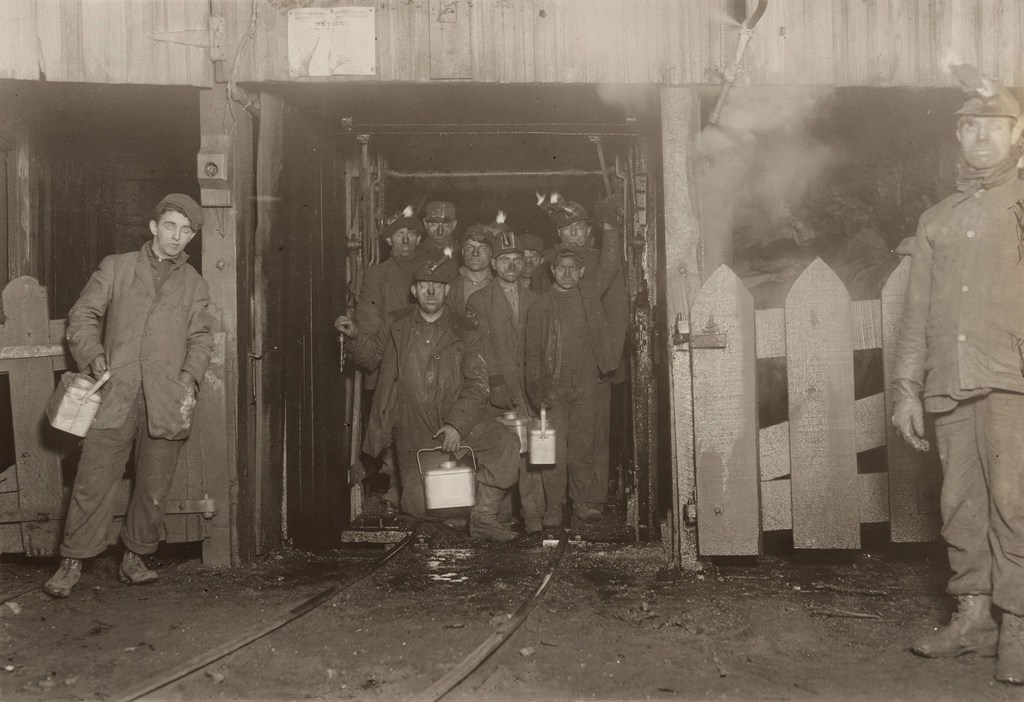
•Kazılarak maden cevheri çıkarılan yer; maden kuyusu.
•Kazılarak maden cevheri çıkarılan yer
Diğer Dillerde
Almancaabbauen, Abbaustelle, Bergwerk, fördern, Grub, Grube /ˈʔapbaʊ̯ən/
gerund of abbauen
çekim: tamlayan Abbauens
eş: auflösen, beseitigen, demontieren, zurückbauen, zerstören, gewinnen
köken: ab- + bauen
Heute sind von der Kommende keine aufgehenden Mauerreste mehr erhalten. — Bugün ise işletilen maden ocağı yoktur.
Fransızcaà moi, extraire, le mien (eril/dişil) /a mwa/
help! (A cry of distress or an urgent request for assistance)
Il y a pour l`argent une mine d`où on le fait sortir, Et pour l`or un lieu d`où on l`extrait pour l`affiner; — Gümüş maden ocağından elde edilir, Altını arıtmak için de bir yer vardır.
Vous n'avez pas pensé à moi.
Ce livre est à moi.
Un ami à moi
to extract · to take out
çekim: geçmiş extraje · ortaç extraído · şimdiki extrae
köken: Semi-learned borrowing from Latin extrahere, with conjugation modeled on traer. By surface analysis, ex- + traer.
aile: extraer oro
Ciertamente la plata tiene su mina, y el oro un lugar donde lo refinan — Gümüş maden ocağından elde edilir, Altını arıtmak için de bir yer vardır.
İtalyancacavità, estrarre, fuoco d'artificio, il mio, minare, miniera (dişil) /ka.viˈta/
hollow; cavity · cavity
eş: concavità, incavo, recesso, incavatura, vano, vuoto
köken: Borrowed from Latin cavitātem.
Certo, per l'argento vi sono miniere e per l'oro luoghi dove esso si raffina — Gümüş maden ocağından elde edilir, Altını arıtmak için de bir yer vardır.
18 мая произошло сражение при Йеллоу-Байу посреди горящего леса. — 18 Mayıs - Zonguldak Karadon maden ocağında göçük meydana geldi.
mine (which explodes)
çekim: çoğul أَلْغَام · tamlayan لَغَمٍ
köken: Diffused from Mashreqi military colloquials, presumably a borrowing from Ottoman Turkish لغم (lağım). We cannot wholly rule out, perhaps via back-formation from a plural, kinship with لَاقُومَة (lāqūme, “putty”), as both matters are fitted to the joints of a building, in which case the Ottoman Turkish term can also be borrowed from Arabic.
لانه يوجد للفضة معدن وموضع للذهب حيث يمحصونه. — Gümüş maden ocağından elde edilir, Altını arıtmak için de bir yer vardır.
mine · source; treasure
çekim: çoğul کانها
köken: Ultimately from Proto-Indo-Iranian *kanH- (“to dig”).
field (region containing a particular mineral) · mine · deposit, bed
çekim: çoğul mədənlər · tamlayan mədənin
köken: Etymology tree Arabic عَدَنَ (ʕadana) Arabic مَعْدِن (maʕdin)bor. Azerbaijani mədən Borrowed from Arabic مَعْدِن (maʕdin), from عَدَنَ (ʕadana).
treasure · mine
çekim: çoğul кеніштер · tamlayan кеніштің
köken: From Persian گنج (ganj). Doublet of қазына (qazyna).
Tatarcaминеке
Felemenkçemijn /mɛi̯n/
my; first-person singular possessive determiner
çekim: çoğul mijnen
köken: From Middle Dutch mijn, from Old Dutch mīn, from Proto-West Germanic *mīn, from Proto-Germanic *mīnaz.
aile: meneer, mevrouw
Job vervolgde: "De mens weet waar hij zilver en goud kan vinden en hoe hij het moet zuiveren. — Gümüş maden ocağından elde edilir, Altını arıtmak için de bir yer vardır.
Dit is mijn mijn.
to explore · to exploit · to discover
çekim: geçmiş explorei · ortaç explorado · şimdiki explora
köken: Learned borrowing from Latin explōrāre.
O detector está localizado no fundo de uma antiga mina. — Seegrotte eski bir maden ocağı yeridir.
Τ' ορυχείο είναι κλειστό. — Maden ocağı kapalı.
Main (a river in Germany)
köken: From German Main.
古代の銅鉱山の遺跡がある。 — Seegrotte eski bir maden ocağı yeridir.
第六十 フランクフルト、アム、マイン マイン河岸の都市 獨逸には「フランクフルト」と云ふ市が二つある。
gallery; tunnel; mine
köken: Sino-Korean word from 坑道.
은은 나는 광이 있고 연단하는 금은 나는 곳이 있으며 — Gümüş maden ocağından elde edilir, Altını arıtmak için de bir yer vardır.
İsveççebryta, gruva, guldgruva
to break; to end abruptly · cut; to cease recording · to break; to crack or fracture under physical strain
çekim: geçmiş bröt · ortaç bruten · ulaç brytande
köken: From Old Swedish brȳta, from Old Norse brjóta, from Proto-Germanic *breutaną, from Proto-Indo-European *bʰrewd-.
Silvret har ju sin gruva, sin fyndort har guldet, som man renar; — Gümüş maden ocağından elde edilir, Altını arıtmak için de bir yer vardır.
Sändningen bröts
Bryt!
Han bröt benet
Lehçekopalnia, koparka, minować, mój, wydobywać, zaminować (dişil) /kɔˈpal.ɲa/
mine (excavation from which ore or solid minerals are taken, especially one consisting of underground tunnels) · mine (any source of wealth or resources)
çekim: çoğul kopalnie · tamlayan kopalni
eş: mina, rudnik, gw. (Górny Śląsk) hawiernia, gruba, gw. (Śląsk Cieszyński) szachta
köken: From kopać + -alnia. Calque of Latin fodīna. First attested in 1782. Displaced góra.
Jego ojciec był dyrektorem kopalni. — Babası maden ocağı yöneticisiydi.
kopalnia złota
Ukraynacaзамінува́ти, мій, мі́на, мінува́ти, моя́, підірва́ти /mʲii̯/
my, mine
köken: From Proto-Slavic *mojь.
Hintçeखान, खान खोदना, बारूदी बम, मेरा, मेरी, मेरे (dişil) /kʰɑːn/
mine, quarry · treasury; storehouse; repository
çekim: çoğul खानें
köken: Inherited from Prakrit 𑀔𑀸𑀡𑀺 (khāṇi), 𑀔𑀸𑀡𑀻 (khāṇī), from Sanskrit खानि (khāni, “mine”). Doublet of खनि (khani) and खानि (khāni). Compare Punjabi ਖਾਣ (khāṇ), Gujarati ખાણ (khāṇ), ખાણી (khāṇī), Marathi खाण (khāṇ).
मेरे पिता लोहे की खान में काम करते थे।
Finceaarreaitta, kaivaa, kaivaa kuoppa alle, kaivaa tunneli alle, kaivautua, kaivos /ˈɑːrːeˣˌɑi̯tːɑ/
treasury (place where state or royal money and valuables are stored) · treasury (collection of valuable artistic or literary works) · treasure trove
çekim: çoğul aarreaitat · tamlayan aarreaitan
köken: aarre (“treasure”) + aitta (“granary”)
"Hopeallakin on suonensa ja löytöpaikkansa kullalla, joka puhdistetaan; — Gümüş maden ocağından elde edilir, Altını arıtmak için de bir yer vardır.
Çekçedolovat, důl, můj, podminovat, zaminovat /ˈdolovat/
to mine, excavate
çekim: geçmiş dolovala · ortaç dolovala · şimdiki doluje
Počet obětí zemětřesení v Turecku stoupl na 432 . — "Maden ocağındaki ölü sayısı 284'e yükseldi".
mine (place from which ore is extracted)
çekim: çoğul mine · tamlayan mine
köken: Borrowed from French mine.
Argintul are o mină de unde se scoate, şi aurul are un loc de unde este scos ca să fie curăţit. — Gümüş maden ocağından elde edilir, Altını arıtmak için de bir yer vardır.
shaft (in a mine; in a building) · mine (an explosive device)
çekim: çoğul aknák
köken: It is attested as Acnahege (*aknahegy) (1197/1337), Akana (1222), akonájá (1621). Ultimately from a Slavic language, from Proto-Slavic *okъno (“window”). The sense ‘explosive device’ came into being by ellipsis of tűzakna (“underground tunnel filled with explosives”, literally “fire shaft”).
aile: aknás → egyaknás, kétaknás, aknász, aknáz, aknafedlap, aknafedő, aknajárat, aknakereső, aknakutató, aknamező
A horgásztó az egykori kavicsbányató helyén. — Seegrotte eski bir maden ocağı yeridir.
כי יש לכסף מוצא ומקום לזהב יזקו׃ — Gümüş maden ocağından elde edilir, Altını arıtmak için de bir yer vardır.
third-person plural perfect active indicative of effodiō
Eş & Zıt Anlamlılar
Örnek Cümleler
C. supremus maden ocağında (1877)
C. supremus quarry in 1877
Seegrotte eski bir maden ocağı yeridir.
It is the site of a former Uranium mine.
Gümüş maden ocağından elde edilir, Altını arıtmak için de bir yer vardır.
"Surely there is a mine for silver, and a place for gold which they refine.
İsveç Privy Konseyi, maden ocağına, ülkenin hazinesi ve kalesi olarak atıfta bulundu.
The Privy Council of Sweden referred to the mine as the nation's treasury and stronghold.
Günümüzde hâlâ yeri bilinmeyen 300'ü de dahil olmak üzere 500 adet maden ocağı vardı.
There were 500 mining camps which 300 are still unfound as of today.
Carl Linnaeus maden ocağını ziyaret etti ve madencilerin yaşamının canlı bir tanımını yaptı.
Carl Linnaeus visited the mine and produced a vivid description of the life of the miners.