Sözlük
/kapı
kapı
/kɑˈpɯ/
noun
A1 seviye
TR → EN
"kapı" kelimesinin İngilizcesi: door, valve, gate, opening, outlet. Anlamı, çevirisi, telaffuzu ve örnek cümleler aşağıdadır.
Çeviri
Geneldoornoun
Genelvalve
Genelgate
Genelopening
Geneloutlet
Genelportal
Genelgate
Genelgateway
Geneldoor
Geneldoor
Genelgate
Genelgateway
Görsel
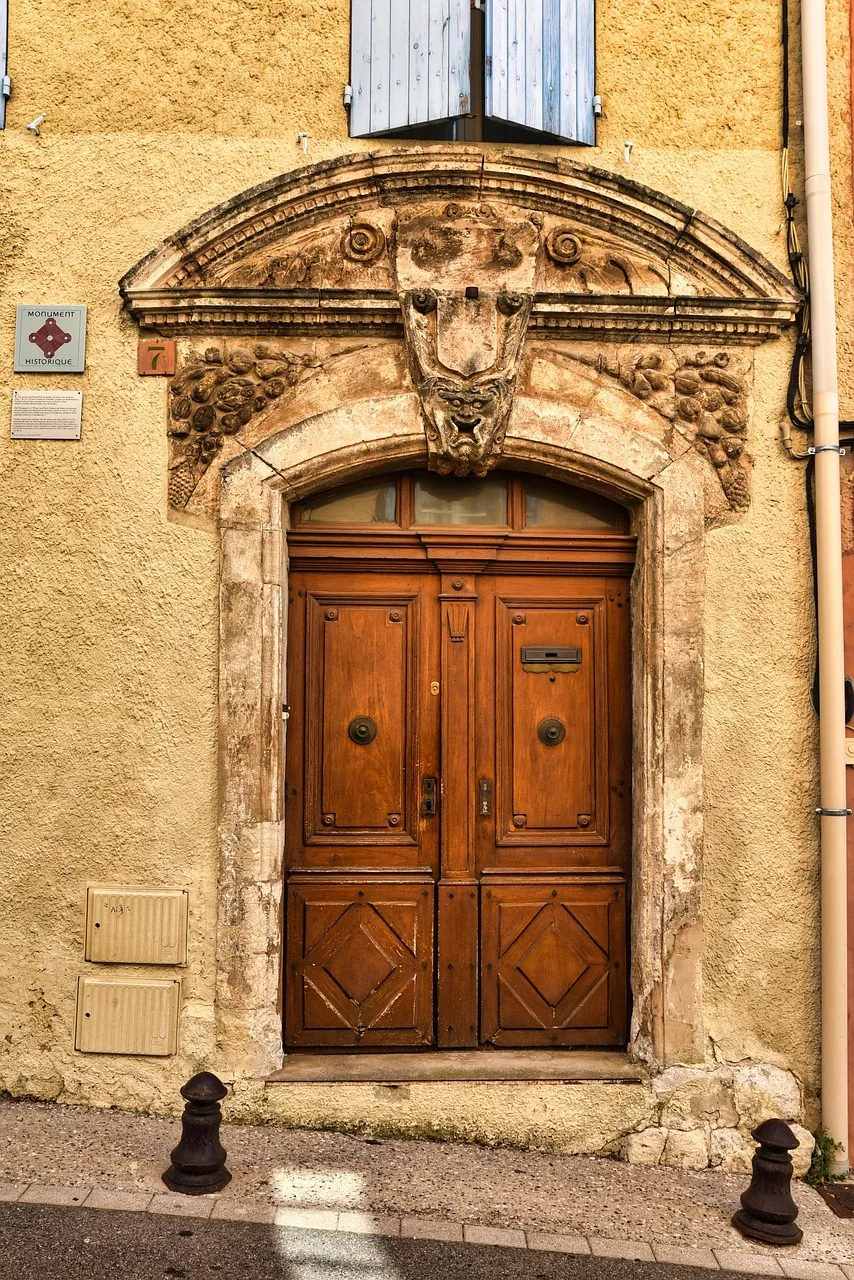
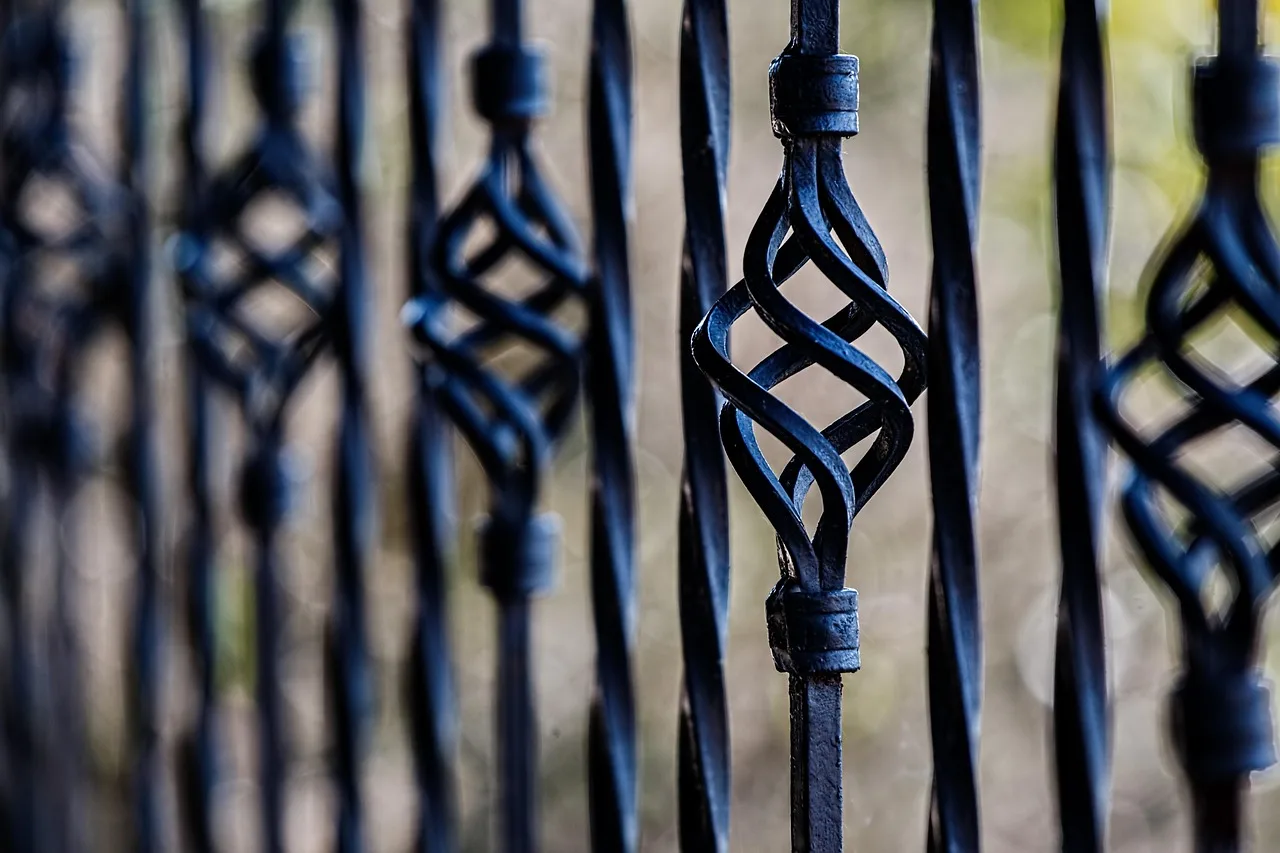
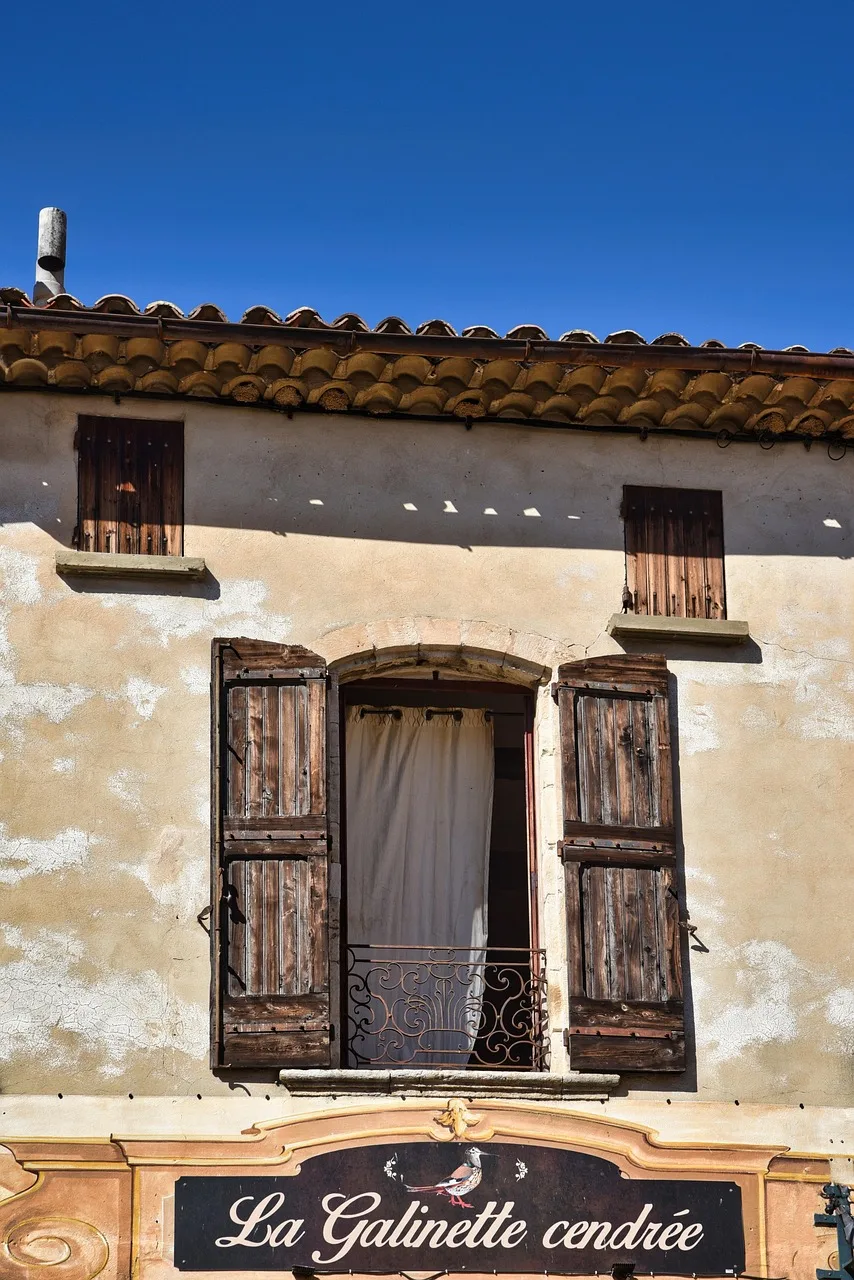
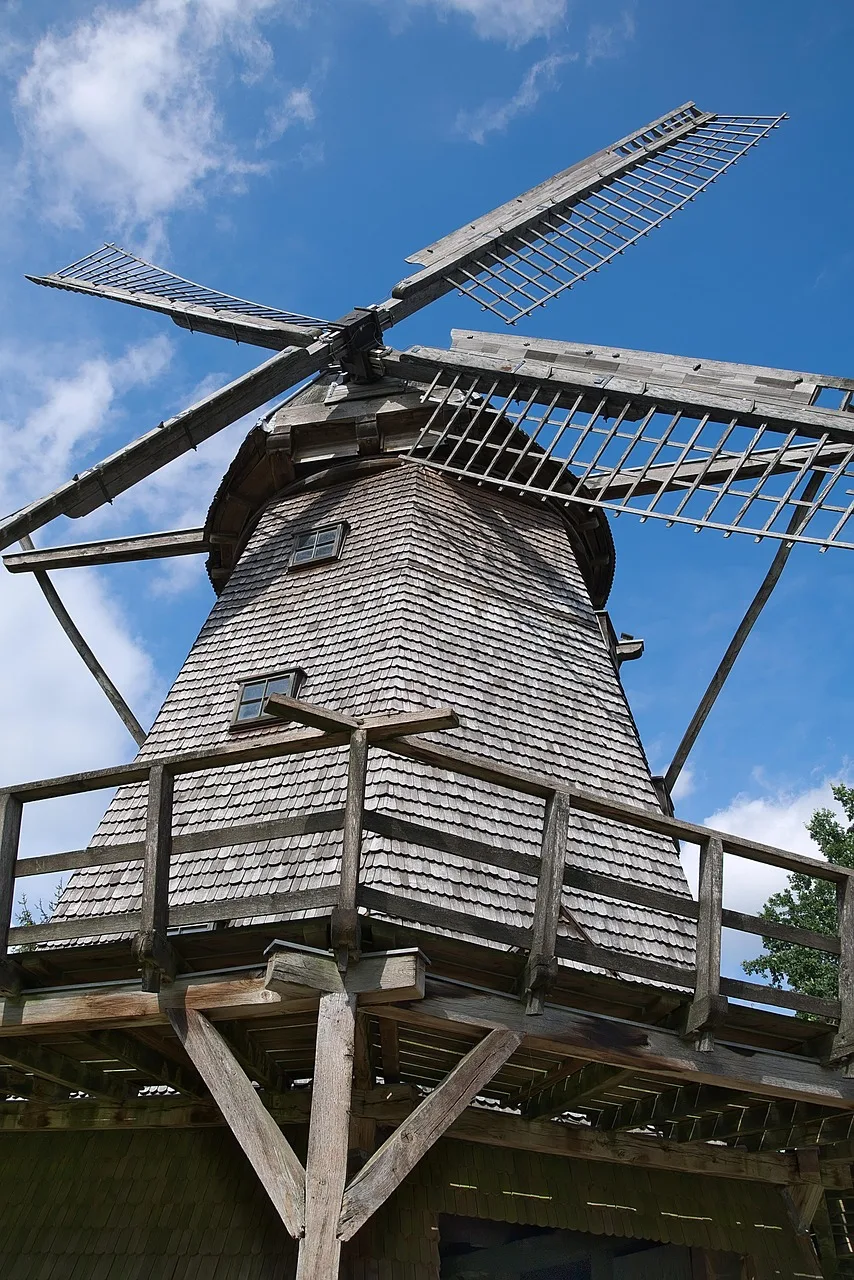
Çekim Tablosu
Belirtme (-i)kapıyı
Yönelme (-e)kapıya
Bulunma (-de)kapıda
Çıkma (-den)kapıdan
Tamlayan (-in)kapının
Çoğul (-ler)kapılar
Tanım
•isim: Bir yere girip çıkarken geçilen ve açılıp kapanma düzeni olan duvar veya bölme açıklığı; bap
•Bu açıklıktaki açılıp kapanan kanat
•Tavla oyununda iki pul üst üste getirilerek karşı oyuncunun o haneyi kullanmasına engel olunan yer
•Geçim sağlamak için çalışılan iş yeri
•Osmanlı Devleti'nde resmî görev yeri
•portal
Atasözü & Deyim
“Acemi katır kapı önünde yük indirir”
“Yersen kap açık, yemezsen kapı açık”
“Oğlan anası kapı arkası, kız anası minder kabası”
“Çalma elin kapısını, çalarlar kapını”
“Allah gümüş kapıyı kaparsa altın kapıyı açar”
Diğer Dillerde
gate, archway (passageway covered by an arch, particularly one made of masonry) · gate, door (large doorway, opening, or passage in a fence or wall) · gateway (point that represents the beginning of a transition from one place or phase to another)
çekim: çoğul Tore · tamlayan Tores
eş: Goal, Treffer, Bude, Schießbude
köken: From Middle High German and Old High German tor, from Proto-West Germanic *dor, from Proto-Germanic *durą.
aile: torarm
[Türklingel] — kapı sesi
Dies ist ein Garagentor, nur ein Ochse parkt davor.
Cham, das Tor zum Bayerwald - Cham, the gateway to the Bavarian Forest
door · gate (to a city, at airport) · gateway, means, door
çekim: çoğul portes
eş: lourde
köken: Inherited from Old French porte, from Latin porta, from the Proto-Indo-European root *per- (“to pass through”). Compare English portal.
aile: aimable comme une porte de prison, aux portes de la mort, balayer devant sa porte, enfoncer des portes ouvertes, être à la porte, frapper à la bonne porte, journée portes ouvertes, mettre à la porte, mettre la clé sous la porte, porte à deux battants
[carillon de porte] — kapı sesi
İspanyolcaabertura, abierta, abriente, aperción, de abertura, de apertura (dişil) /abeɾˈtuɾa/
opening (act of opening) · opening (something open) · aperture
çekim: çoğul aberturas
köken: Inherited from Latin apertūra, equivalent to abierto + -ura. Doublet of the borrowing apertura. Compare English aperture.
Puerta abierta — Kapı açık
İtalyancaanta, antina, apertura, porta, portiera, sigla (dişil) /ˈan.ta/
door (of furniture) · shutter (of window) · sash (of window)
çekim: çoğul ante
eş: sportello, pannello
köken: From Latin antae f pl.
[scampanellìo della porta che si apre] — kapı sesi
gate · goal (in many sports, e.g. soccer, an area into which the players attempt to put an object)
çekim: çoğul воро́та · tamlayan воро́т
eş: врата, врата
köken: Inherited from Proto-Slavic *vorta. Doublet of врата́ (vratá), a borrowing from Old Church Slavonic.
aile: подворо́тня, игра́ в одни́ воро́та, Phrases, как бара́н на но́вые воро́та, Proverbs, пришла́ беда́ — отворя́й ворота́
[звон дверей] — kapı sesi
пробива́ть ми́мо воро́т
Arapçaأَبْوَاب, باب, بَاب (eril) /baːb/
door, gate · opening, gateway · entrance
çekim: çoğul أَبْوَاب · tamlayan بَابٍ
köken: Usually considered a borrowing from Aramaic בָּבָא (bāḇā, “gate”), from Akkadian 𒆍 (bābum, “gate”), particularly since the Arabs, living in tents, did not need doors. However, Hans Bauer considers all of these words native, explaining the formation as an ancient univerbation of etyma equivalent to Arabic بَاءَ (bāʔa) بِ (bi) “he has entered into (the house)”.
aile: بَابَة, بَوَّاب, بَوَّابَة, تَبْوِيب, مَقْبِض الْبَاب, مُبَوَّب, مِنْ بَابِ أَوْلَى
فتح الباب — Kapı açık
وَادْخُلُوا الْبَابَ سُجَّدًا وَقُولُوا حِطَّةٌ
Farsçaدَر, دَرْوازَه
opening (an act or instance of making or becoming open) · opening (Something that is open)
çekim: çoğul açılışlar · tamlayan açılışın
zıt: bağlanış
köken: Morphologically, from açıl- (“to be opened”) + -ış.
açılış mərasimi
Kazakçaесік, ойынбасы
door
çekim: çoğul есіктер · tamlayan есіктің
köken: From Proto-Turkic *ēĺü-k (“door”). Cognate with Old Uyghur 𐽰𐽶𐽿𐽶𐽷 (éšik, “door”), Bashkir ишек (işek), Karachay-Balkar эшик (eşik), Kyrgyz эшик (eşik), Uzbek eshik, Shor эжик, Turkish eşik, etc.
Özbekçeeshik
door
çekim: çoğul eshiklar · tamlayan eshikning
köken: Inherited from Proto-Turkic *ēĺü-k (“door”).
Felemenkçedeur, poort, ingang (eril) /ˈɪŋɣɑŋ/
entrance · input · entry, lemma (in a dictionary)
çekim: çoğul ingangen
zıt: uitgang
köken: From Middle Dutch inganc, from Old Dutch *ingang, from Proto-Germanic *inngangaz, ultimately from *ǵʰengʰ-. Equivalent to in (“in”) + gang (“passageway, hallway”).
aile: artiesteningang, dienstingang, hoofdingang
Deur open — Kapı açık
De ingang van het gebouw is aan de zijkant.
Sorry, ik kan de ingang van het hotel niet vinden.
De ingang is versierd met bloemen voor het festival.
beginning (initial portion of some extended thing)
çekim: çoğul inícios
eş: introito, estarte
zıt: conclusão, encerramento, fim, finalização, término
köken: Learned borrowing from Latin initium (“beginning”), from ineō (“go in, make a start”), from in (“in, into”) + eō (“go”).
aile: de início, ter início
Eu sei que é um pouco estranho contar essa história hoje... — kapı sesi
Yunancaάνοιγμα, ευκαιρία, θύρα, πόρτα (nötr)
opening · slit, mouth · clearing
çekim: çoğul ανοίγματα · tamlayan ανοίγματος
köken: ανοίγω (anoígo) + -μα (-ma)
Ανοιχτή υποδοχή — Kapı açık
Japoncaドア /do̞a̠/
door (especially Western-style)
köken: Borrowed from English door.
aile: 回転ドア, 自動ドア, スイングドア, ドアカット
ドアオープン — Kapı açık
一番線、ドアが閉まります。
Çinceмын, 戶 /户, 門 /门, 門兒 /门儿
锁门。 — Kapıyı kapat.
a door · a doorway
çekim: çoğul dörrar · tamlayan dörrs
köken: From Old Swedish dyr, from Old Norse dyrr, from Proto-Germanic *durz, from Proto-Indo-European *dʰwer- (“door, gate”).
aile: bakdörr, baksätesdörr, balkongdörr, bildörr, blinddörr, branddörr, dubbeldörr, dörrhandtag, dörrkarm, dörrklapp
Dörr?! — Kapı mı?!
öppna/stänga en dörr
en öppen/stängd dörr
ytterdörr
Lehçedrzwi, otwarcie /ˈdʐvi/
door (portal) · door (means of approach or access)
çekim: çoğul drzwiom
eş: odrzwia, wrota, wejście, dźwirze, reg. śl. dwiyrze, dźwiyrze, gw. (Górny Śląsk) dźwiyrza
köken: Etymology tree Proto-Indo-European *dʰwer- Proto-Indo-European *-s Proto-Indo-European *dʰwṓr Proto-Balto-Slavic *dwírs Proto-Slavic *dvь̀rь Old Polish drzwi Polish drzwi Inherited from Old Polish drzwi.
aile: przy drzwiach otwartych, przy drzwiach zamkniętych, tylnymi drzwiami, za zamkniętymi drzwiami, niech drzwi ścisną, otwarte drzwi, drzwi się nie zamykają, chodzić od drzwi do drzwi, nie kłaść palca między drzwi, pokazać drzwi
[dzwonek] — kapı sesi
Ukraynacaвідкриття́, две́рі, о́твір
50 yıllık marangoz, üç çocuğun sevgili babası... ...sevgili eşi Marie' den sadece iki hafta sonra ölmüştü. — kapı sesi
door (panel), doorleaf, shutter
çekim: çoğul किवाड़ों
köken: Inherited from Prakrit 𑀓𑀯𑀸𑀟 (kavāḍa), from Sanskrit कवाट (kavāṭa). Cognate with Gujarati કમાડ (kamāḍ).
Fincealku, aloitus, aukko, avaaminen, avajaiset, avaus /ˈɑlku/
start, beginning, inception, incipience · first, prime, primeval, primordial, proto-, ur-, initial
çekim: çoğul alut · tamlayan alun
köken: From Proto-Finnic *alku, equivalent to alkaa (“to begin”) + -u.
aile: alkuaan, -alkuinen, alkuisin, alkujaan, alkuun, alkuunkaan, aluke, alumpana, alun perin, alkuaika
Kansi auki — Kapı açık
alulla oleva hanke
elämän alkumuodot
alkueläin
Çekçedveře, brána, görüntü kapısı
Otevřená dvířka — Kapı açık
Rumenceapertură, deschidere, deschizătură, ușă, uși (dişil)
aperture
çekim: çoğul aperturi · tamlayan aperture
köken: Borrowed from French aperture, from Latin apertura.
... — kapı sesi
Macarca(elérhető) idősáv, ajtó, ajtónyílás, alkalom, álláslehetőség, avató /ˈɒjtoː/
door (portal of entry into a building or room)
çekim: çoğul ajtók
köken: From the obsolete ajt (“to form an opening”) + -ó (present participle suffix). From Proto-Ugric *ᴕjɜ- (“come off, get looser, get free”). Compared to Yeniseian languages like Kott at̔ol (“door”) and Arin ejt’ōl (“door”), attributed to a "Hunnic loanword" by Yeniseian linguistics, giving the Hungarian "dialectal form" Hungarian ajtal (“door”).
aile: ajtajú, ajtócska, ajtójú, ajtónként, ajtónyi, ajtós, ajtóstul, ajtócsengő, ajtófél, ajtófélfa
Nyitva a lezárólap — Kapı açık
An opportunity, a chance.
çekim: çoğul הִזְדַּמְּנוּיוֹת
köken: Action noun of the verb הִזְדַּמֵּן (hizdamén), from the root ז־מ־ן (z-m-n).
.האידיוטים האלה — Aptal kapı!
door · gate · opening
çekim: çoğul forēs · tamlayan forium
zıt: abitus
köken: From Proto-Italic *fworis, from earlier *θworis, from Proto-Indo-European *dʰwṓr, from *dʰwer- (“door, gate”). Cognate with forās, forīs, forum, Sanskrit द्वार् (dvā́r), Ancient Greek θύρα (thúra), Old Church Slavonic двьрь (dvĭrĭ), Old English duru and dor (English door).
aile: biforis, Forculus, foricula
door
çekim: çoğul døre · tamlayan dørs
köken: From Old Norse dyrr, dyr, from Proto-Germanic *durz, from Proto-Indo-European *dʰwer- (“door, gate”).
Åben låge — Kapı açık
Norveççeåp, åpning, begynnelse, debut, innledning, ledig stilling
Ibenholtstårnet. — Demir Kapı.
Etimoloji
Osmanlı Türkçesi [Madde?] sözcüğünden devralındı ve Eski Anadolu Türkçesi قاپو (qapu) sözcüğünden devralındı, son olarak Ana Türkçe *kap- sözcüğünden.
Deyimler
kapı açmak
kapı almak
kapı aralamak
kapı kadar
kapı kapı dolaşmak
kapı kapı gezmek)
Kelime Ailesi
ağa kapısı
akordiyon kapı
çakma kapı
çarpma kapı
çat kapı
çekme kapı
demir kapı
devlet kapısı
dış kapı
geçim kapısı
kapı ağası
kapı bir komşu
kapı çuhadarı
kapı halkı
kapı kâhyası
kapı kapamaca
kapı karşı komşu
kapı kethüdası
Eş & Zıt Anlamlılar
Örnek Cümleler
Kapı var.
There's the door.
Kapı açık
Door open
Arka Kapı
Backdoors
Kapıyı aç.
Open the door.
Kapı açık.
The door is open.
Kapıyı aç!
Open the door!
Kapı açık.
It's open.
Kapıyı aç!
Open the door! Open the door!
Aç kapıyı.
Open up.
Kapıyı aç.
Open the door.
İşte kapı.
There's the door.
Dokuz Kapı
Nine Gates
İlgili Sorular
İlgili / Bileşik Terimler
Geneldoorleaf
Genelvalve
Genelpeephole
Geneldoorbell